Are you tired of patching inflatable tubes? Discover why upgrading to solid foam boat collars1 is the smartest investment for safety and performance.
Solid foam boat collars are the modern alternative to inflatable sponsons, offering a puncture-proof, low-maintenance solution that increases usable deck space2 and provides superior impact protection3. Unlike air-filled tubes, they utilize a closed-cell foam core coated in tough polyurea, ensuring your vessel stays afloat even in the harshest conditions.
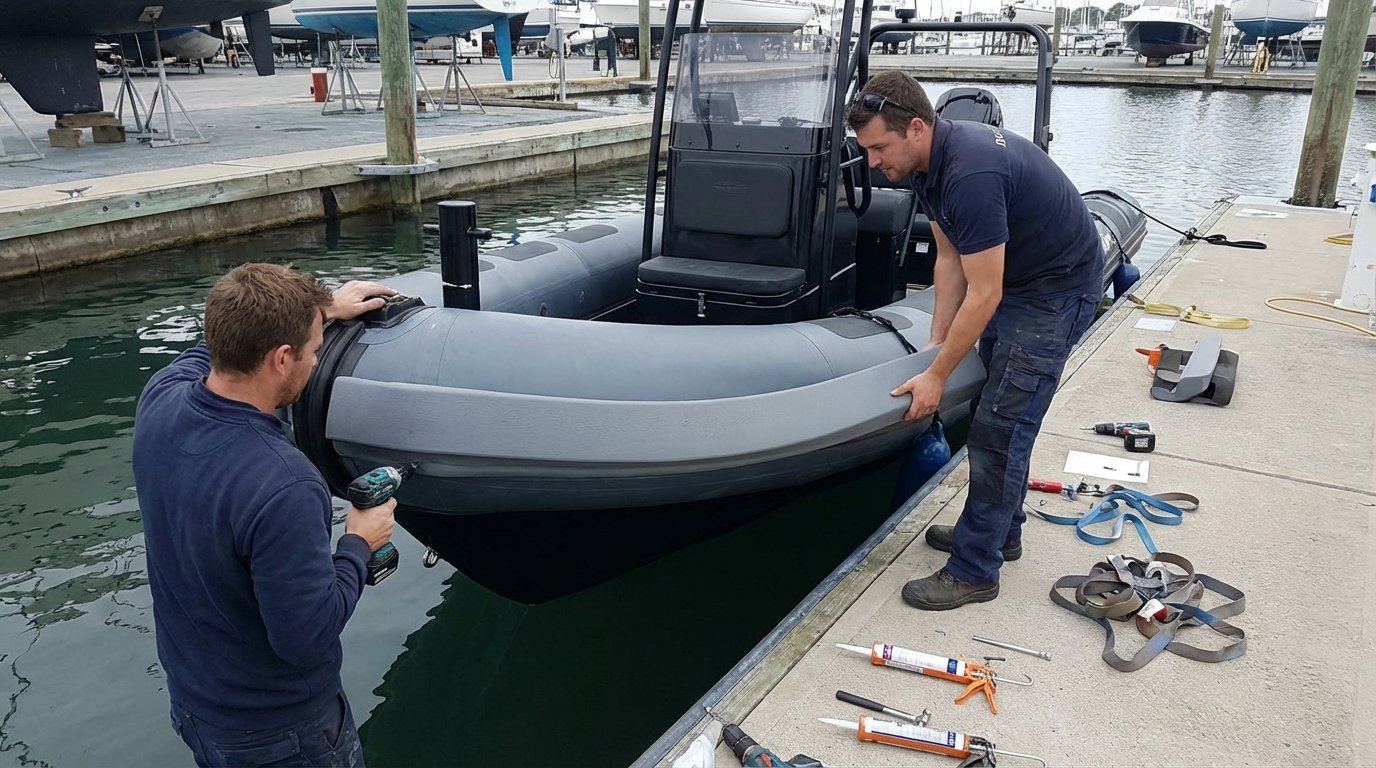
For many boat owners, the switch from air to foam feels like upgrading from a bicycle tire to a run-flat. It changes the way you operate your vessel.
Why are they called "Unsinkable"?
The term isn't just marketing hype; it's physics. Traditional RIB tubes are essentially balloons. One sharp object, and you lose buoyancy.
Solid foam collars use Closed-Cell EVA Foam4. As I explained in my previous article about fenders, "closed-cell" means water cannot penetrate the material. Even if you were to take a chainsaw to the collar (please don't!), it would still float.

I remember a client with a rescue RIB5 whose tube burst during a critical mission on a rocky coast. They had to abort the rescue to save themselves. After that terrifying experience, they switched to our solid foam collars. A few months later, they were in a similar situation, scraping against jagged rocks. The polyurea skin got scratched, but the collar remained 100% functional. That reliability is why Navy and Coast Guard vessels are rapidly adopting this technology. You simply cannot sink a material that is lighter than water and doesn't rely on air pressure.
How do they improve boat stability?
It's not just about floating; it's about how the boat handles.
Foam collars can be designed with a specific D-shape profile6 that sits differently against the water compared to round tubes. This provides immediate reserve buoyancy when the boat lists (tips) to one side.
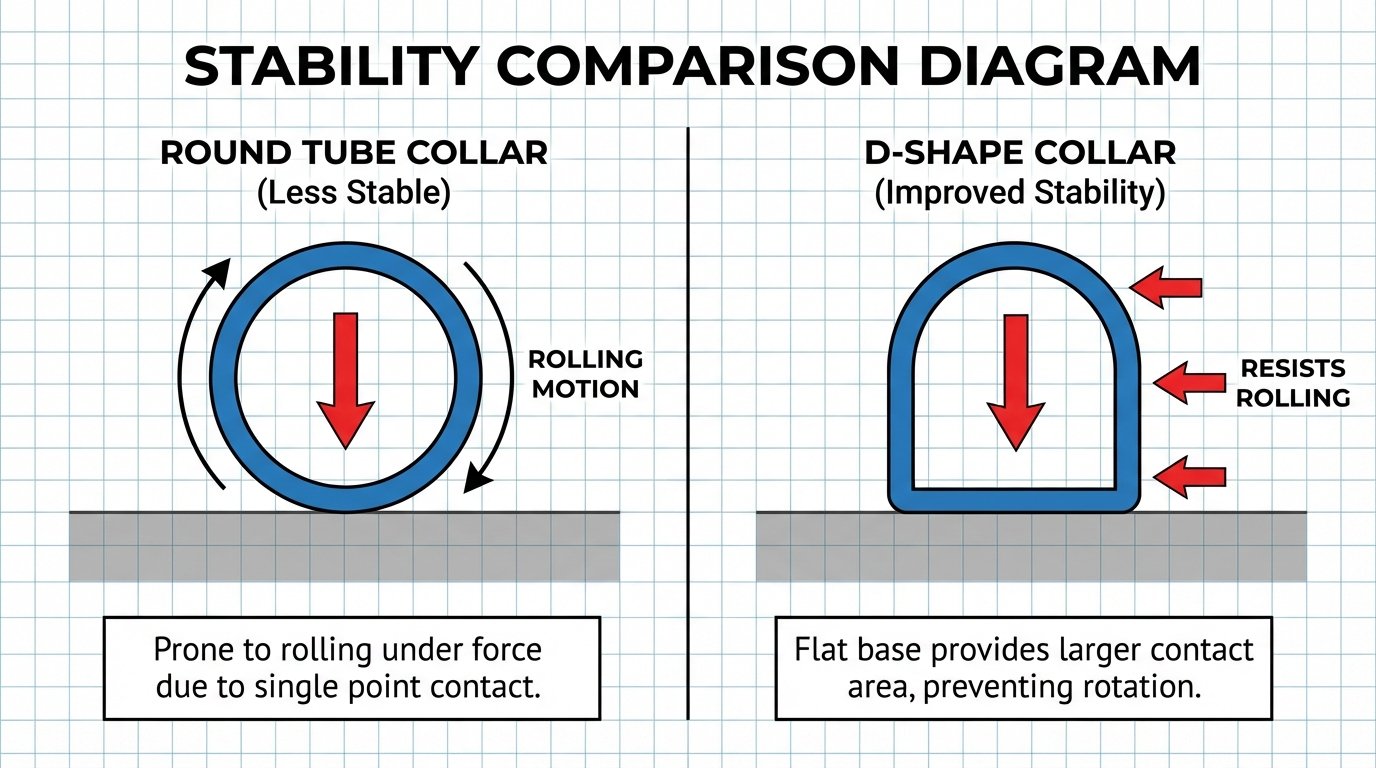
Because the foam is rigid, it acts like a stabilizer. When you are stationary or moving slowly, the collars rest on the water, significantly reducing rolling motion. This is a game-changer for fishing boats or workboats where crew members are moving around the deck. I've had fishermen tell me they can finally stand at the gunwale to haul in a catch without the boat feeling like it's going to flip. The solid nature of the foam absorbs the energy of the waves rather than bouncing off them like an air tube, leading to a smoother, more predictable ride.
Are they really maintenance-free?
"Maintenance-free" is a bold claim, but in this case, it's nearly true.
With inflatable tubes, you are constantly checking pressure. Cold morning? Pump them up. Hot afternoon? Let air out. And let's not start on the patch kits and glues.
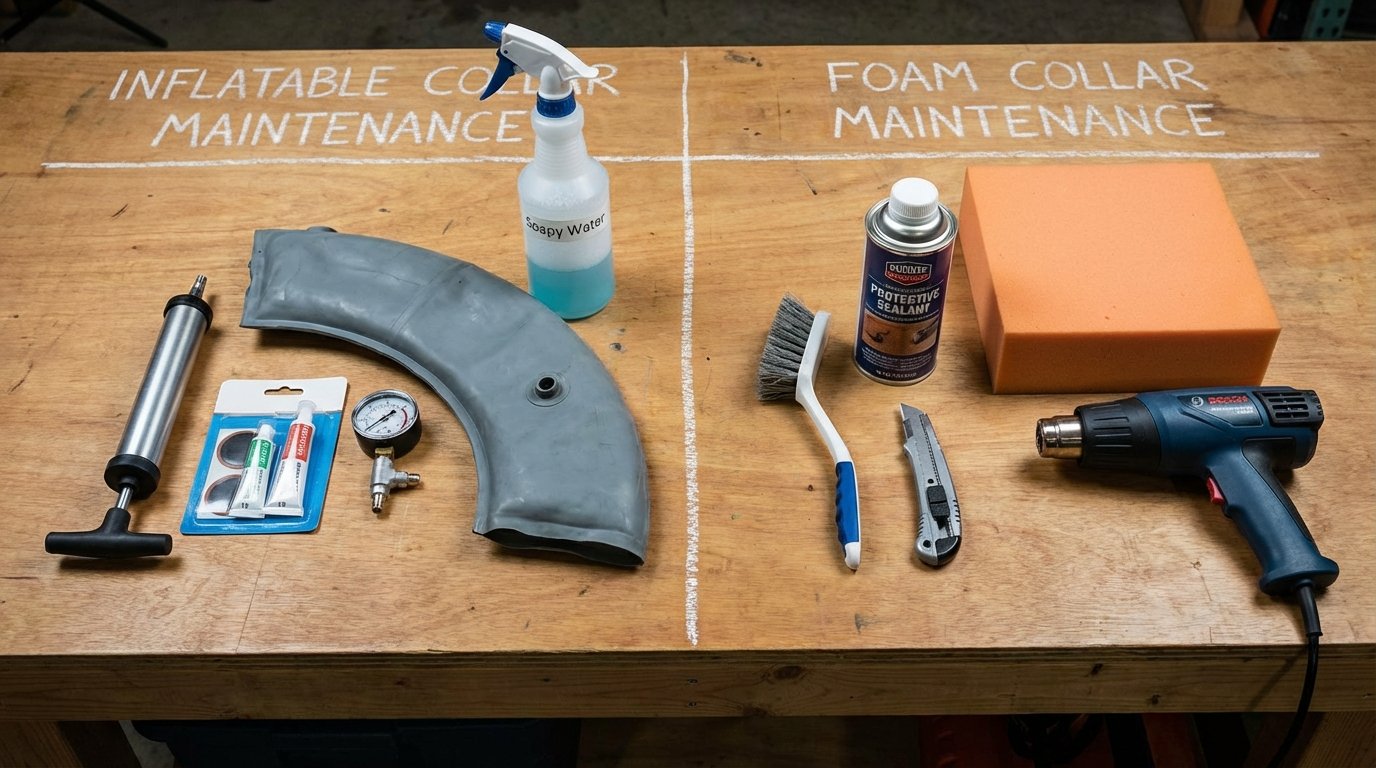
Foam collars require zero pressure management. You install them and forget them. The only maintenance involves a simple freshwater rinse to keep the polyurea skin7 clean. The skin itself is resistant to UV rays, fuel spills, and chemicals8. I have customers who leave their boats in the blazing sun for years. While PVC tubes would fade and become brittle, the polyurea coating remains flexible and strong. This longevity translates to massive cost savings over the life of the boat, not to mention the time you save by not having to baby your equipment.
Can they protect against sharp dock edges?
This is where the "D-shape" profile and solid core truly shine.
Inflatables tend to bounce off obstacles, but if that obstacle is sharp, they pop. Solid foam collars absorb the impact.
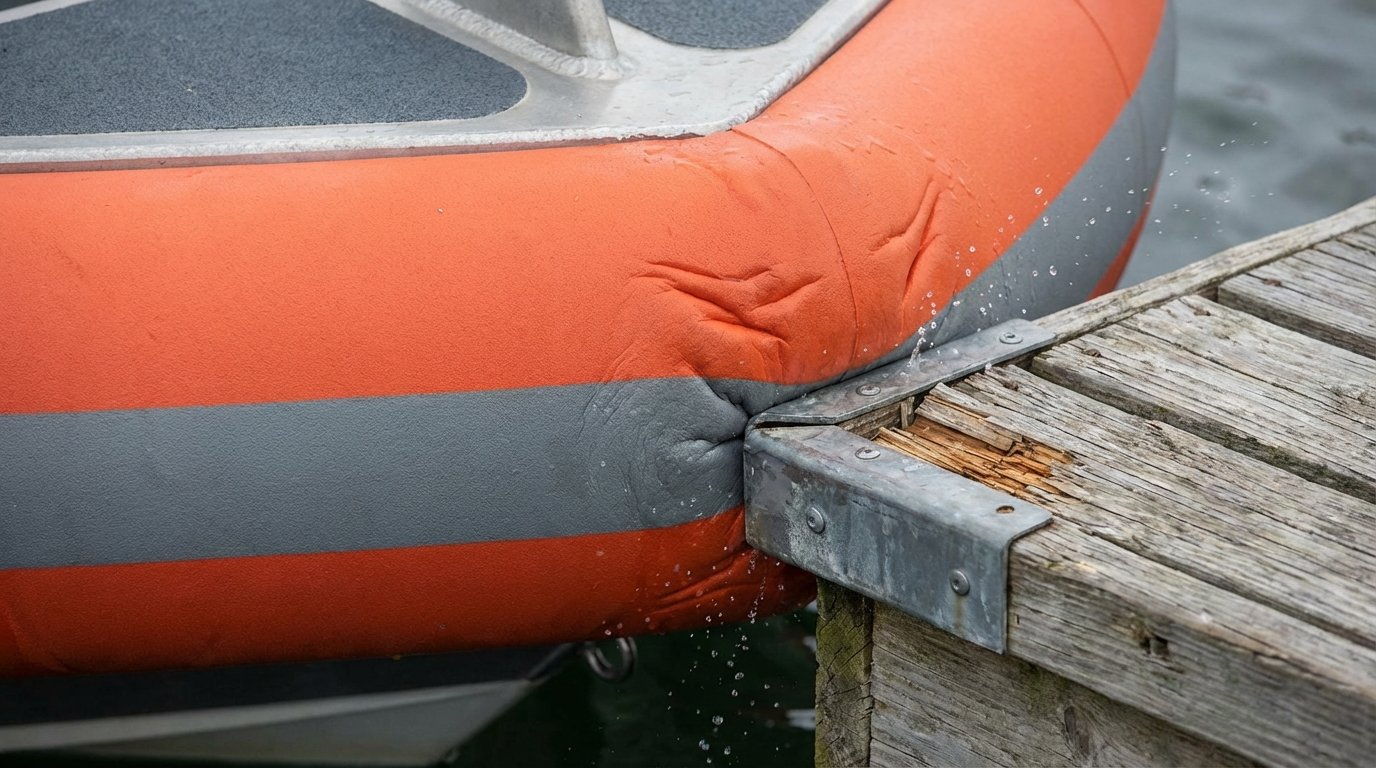
The polyurea skin we use is extremely tough—it's the same material used in truck bed liners but formulated for marine flexibility. When you hit a sharp dock corner, the foam compresses to absorb the shock, and the skin resists the cut. Even if the skin is breached, the foam underneath effectively "self-seals" against water intrusion. This makes them ideal for pilot boats9 that are constantly banging against the steel hulls of large ships. You can approach a dock or another vessel with confidence, knowing your "bumper" isn't going to fail you when you need it most.
Is the installation difficult?
Many people assume retrofitting is a nightmare. It's actually quite straightforward.
Unlike gluing a new PVC tube which requires climate control and specialized skills, foam collars are often mechanically fastened10.
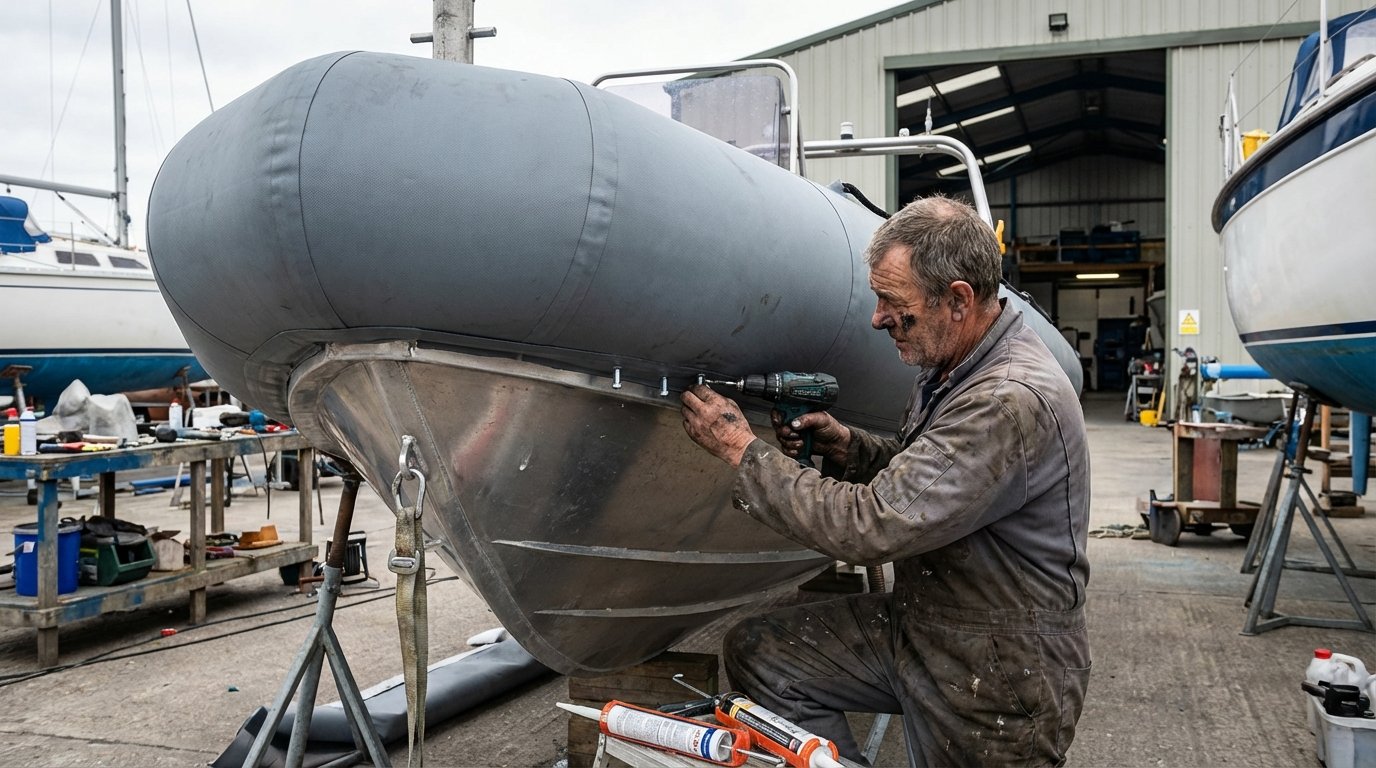
For aluminum boats, we often use a track system or direct bolting. For fiberglass hulls, we can bond the collars using high-strength structural adhesives11. The D-shape profile6 also has a hidden benefit: more deck space. Because the collar is flat against the hull (unlike the round inner half of a tube), you gain valuable inches of internal beam. I helped a dive boat operator retrofit his fleet, and he was amazed that he could legally carry two more passengers simply because the internal width of the boat increased after switching to D-collars. It's an upgrade that pays for itself.
Conclusion
Switching to solid foam boat collars1 isn't just about avoiding punctures; it's about upgrading your vessel's stability, durability, and usable space. For those who demand 100% reliability on the water, foam is the only logical choice.
Learn how solid foam boat collars enhance safety, improve stability, and reduce maintenance for professional-grade performance on the water. ↩
Learn how the innovative design of foam collars helps maximize internal beam width and optimize capacity on smaller vessels. ↩
Investigate how foam collars absorb shock against docks and vessels, preventing costly hull or tube damage. ↩
Discover why Closed-Cell EVA Foam’s water-resistant properties make it perfect for durable, unsinkable marine flotation systems. ↩
See how foam collars provide unmatched reliability and safety for rescue RIBs performing in harsh and unpredictable conditions. ↩
Understand why D-shaped foam collars provide superior buoyancy, better stability, and extra deck space compared to round tubes. ↩
Find out how polyurea coatings extend the lifespan of boat surfaces by resisting UV rays, chemicals, and tough marine conditions. ↩
Find materials that withstand long-term environmental exposure, protecting your marine assets from degradation and damage. ↩
Discover how pilot boats benefit from impact-absorbing foam fenders that protect against steel hulls and concrete docks. ↩
Learn about simple, reliable installation techniques that make foam collar attachment quick and secure without specialized tools. ↩
Explore top-rated structural adhesives that ensure a strong, long-lasting bond for retrofitting foam collars on various hull materials. ↩