Scuffed hulls ruining your boat's appeal? Constant docking damage is frustrating and costly. I will show you how installing a DIY foam collar provides the ultimate protective solution.
A DIY boat foam collar installation requires sourcing marine-grade foam, taking precise measurements, cutting the material with standard tools, and securing it with heavy-duty marine adhesive to ensure your vessel remains protected against harsh docking impacts.
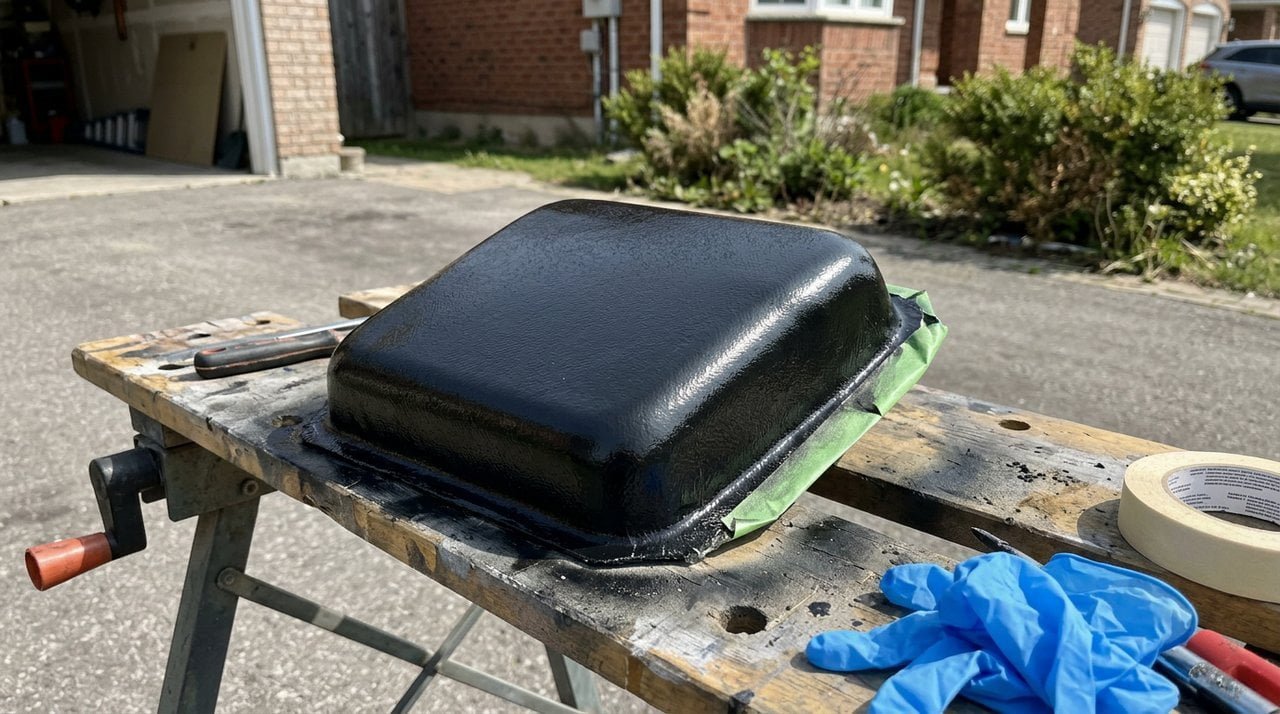
Let's dive into the essential steps for upgrading your vessel's protection with a custom foam collar.
Sourcing the right marine-grade foam for DIY projects
Using cheap foam leads to rapid degradation. UV rays and saltwater destroy standard materials quickly. I always recommend closed-cell EVA or polyurethane marine foam for maximum durability.
Selecting the right marine-grade foam involves choosing closed-cell materials that resist water absorption, withstand UV exposure, and offer high impact resistance to protect your boat's hull during docking.

When I build a foam collar, material selection is my top priority. Standard foams act like sponges, soaking up water and dragging your boat down while rotting from the inside out. You need a closed-cell structure that completely blocks moisture penetration.
High-density polyurethane or EVA foam are my go-to choices. They offer the perfect balance of shock absorption and rigidity. I look for materials specifically rated for marine environments, ensuring they have built-in UV inhibitors to prevent cracking and fading under the harsh sun.
Remember that density matters. A higher density foam will endure heavy impacts against jagged docks, while lower density might compress too easily. Taking the time to source genuine marine-grade foam saves you from having to redo the entire installation after just one season on the water.
How to cut and shape foam using standard woodworking tools
Struggling with jagged foam edges? Uneven cuts look unprofessional and compromise fit. I use standard woodworking tools to achieve clean, precise shapes for a flawless collar installation.
You can cut and shape marine foam effectively using standard woodworking tools like a band saw, router, or a sharp utility knife, ensuring clean edges and a custom fit for your boat's specific contours.
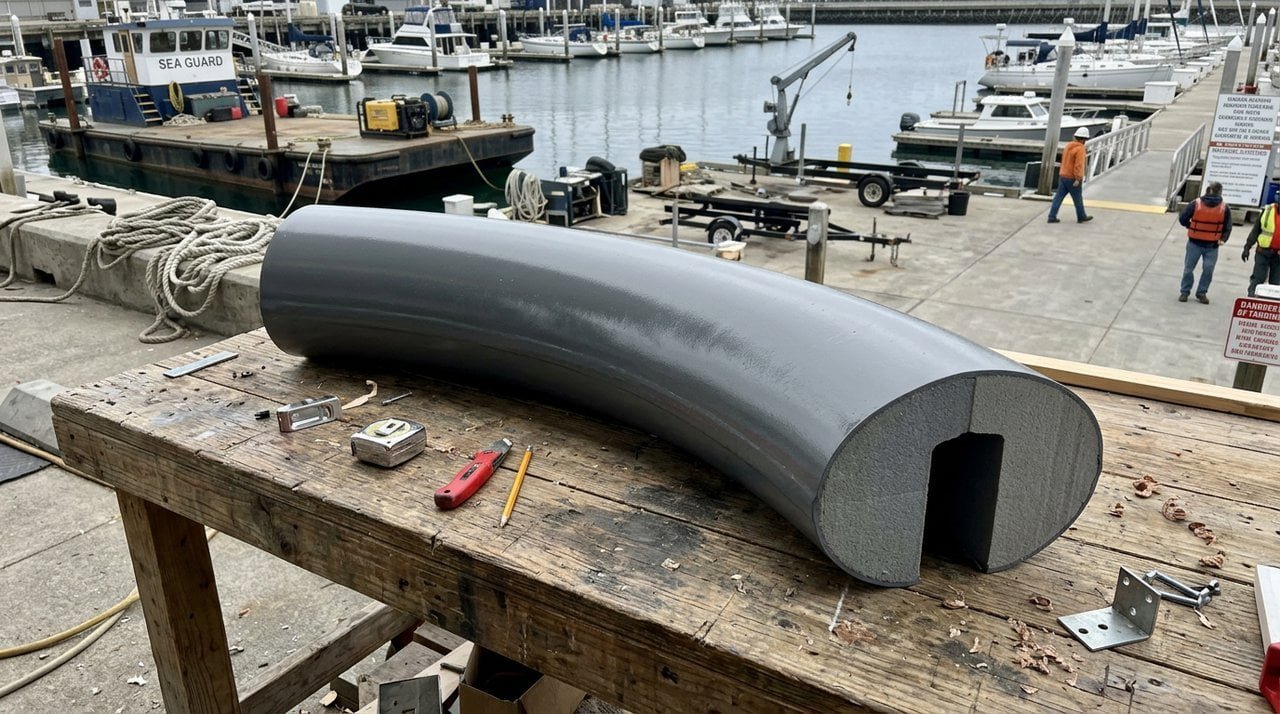
You do not need expensive specialty equipment to shape your foam collar. I regularly use standard woodworking tools to get professional results. A fine-toothed blade on a band saw slices through high-density foam like butter, leaving a surprisingly smooth edge.
For beveling edges or creating grooves, a standard wood router works wonders. I always run the router at a high speed but move the foam slowly to prevent tearing or melting the material. If you are working with hand tools, a freshly sharpened utility knife or a long fillet knife is perfect for making clean, straight cuts.
I highly recommend practicing your cuts on scrap pieces first. Foam behaves slightly differently than wood, and getting a feel for the resistance helps prevent costly mistakes when you cut your final collar pieces.
Measuring and fitting your foam collar for a perfect match
Gaps in your collar invite damage. Poor fitting leaves your hull vulnerable. I provide two distinct fitting methods to ensure your foam collar matches your boat perfectly.
Fitting a foam collar involves either ordering exact custom dimensions for a precise, labor-intensive match, or ordering pieces with an extra 10cm of length to manually trim and glue on-site for a flexible fit.
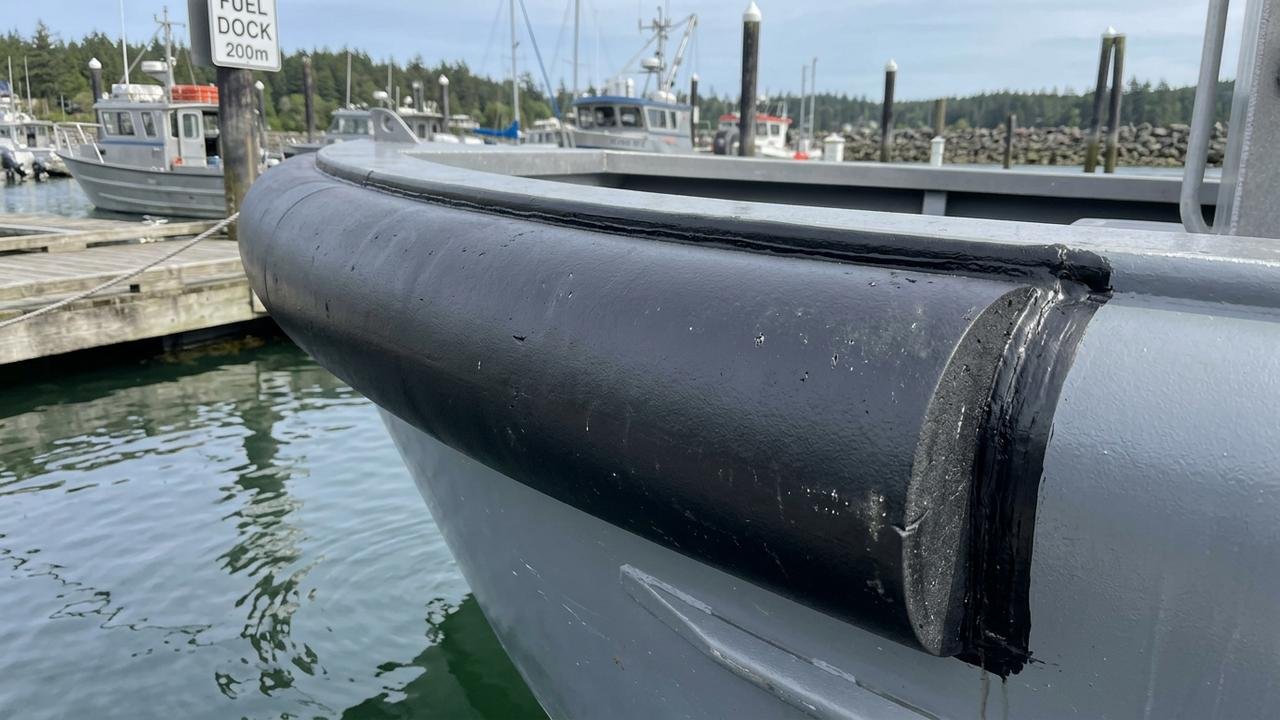
Based on my experience with on-site customer demands, I supply fenders in two different ways depending on your project needs. The first method is highly flexible: I provide the foam collar about 10cm longer than the required order length. This allows you to measure directly against your hull and easily trim and glue the ends on-site for a snug fit.
The second option is having the collar manufactured strictly to your exact dimensions and hull curvature. While this guarantees a factory-perfect match right out of the box, it is more labor-intensive to produce and comes at a higher cost due to the strict division of labor required.
If you are a handy DIYer, I highly suggest the first method. That extra 10cm gives you the breathing room to make minor adjustments during installation, ensuring a seamless, continuous protective barrier around your vessel.
Applying marine adhesives securely for long-lasting bonds
Peeling foam ruins your hard work. Weak glue fails under wave pressure. I rely on heavy-duty marine adhesives to lock the foam collar permanently to the hull.
Securing your foam collar requires applying a high-quality, waterproof marine adhesive to a clean, sanded hull surface, applying even pressure, and allowing adequate curing time to ensure a permanent bond.
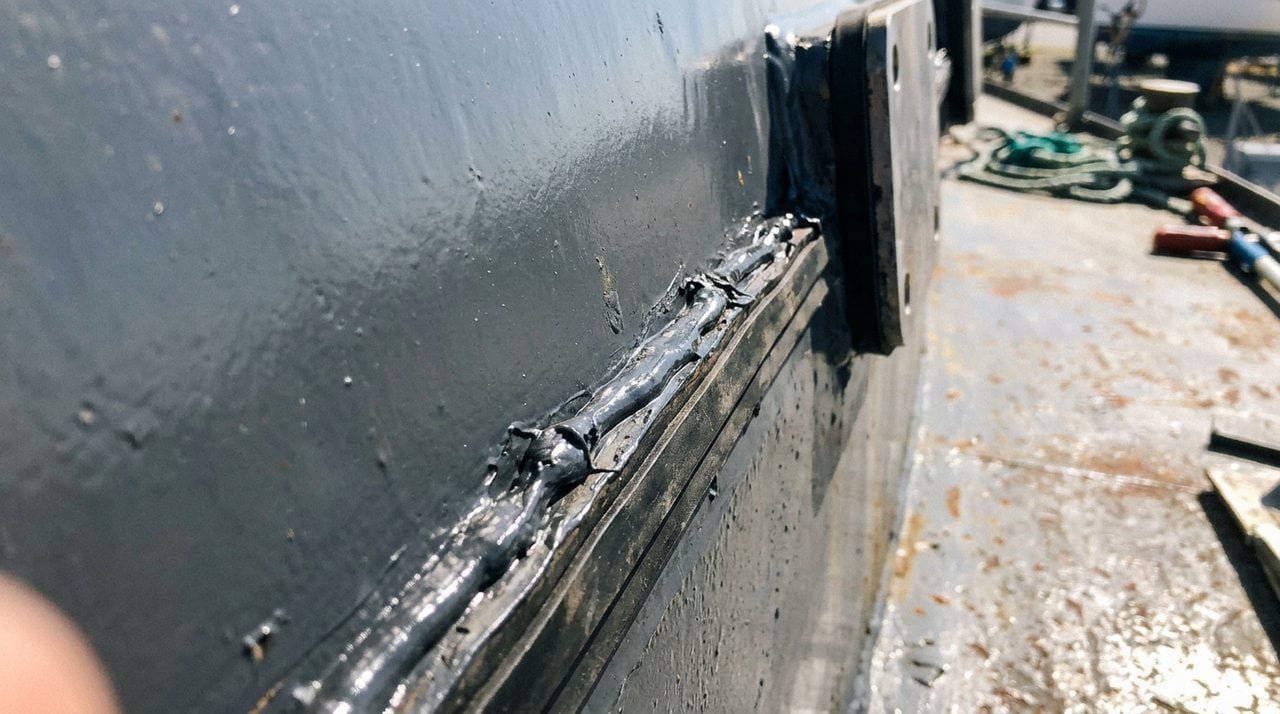
The adhesive you choose is just as critical as the foam itself. I never cut corners here. Standard construction adhesives will break down rapidly when exposed to saltwater and constant vibration. You must use a specialized marine-grade contact cement or a polyurethane-based marine sealant.
Surface preparation is the secret to a permanent bond. I always wipe down the hull and the back of the foam with a solvent like acetone to remove any oils, waxes, or debris. Lightly scuffing the fiberglass with medium-grit sandpaper creates a textured profile that helps the glue bite into the surface.
When applying the adhesive, I coat both surfaces evenly and wait until they are tacky before pressing them together. Once attached, applying firm, even pressure using ratchet straps or heavy tape ensures the collar cures tightly against the hull without any weak spots.
Maintaining your DIY foam collar against harsh elements
Neglected foam becomes brittle and ugly. Salt buildup accelerates wear and tear. I follow a simple maintenance routine to keep my foam collars looking and performing like new.
Maintaining your foam collar involves regular rinsing with fresh water to remove salt crystals, washing with mild marine soap, and applying a UV-protectant spray to prevent sun damage and fading.
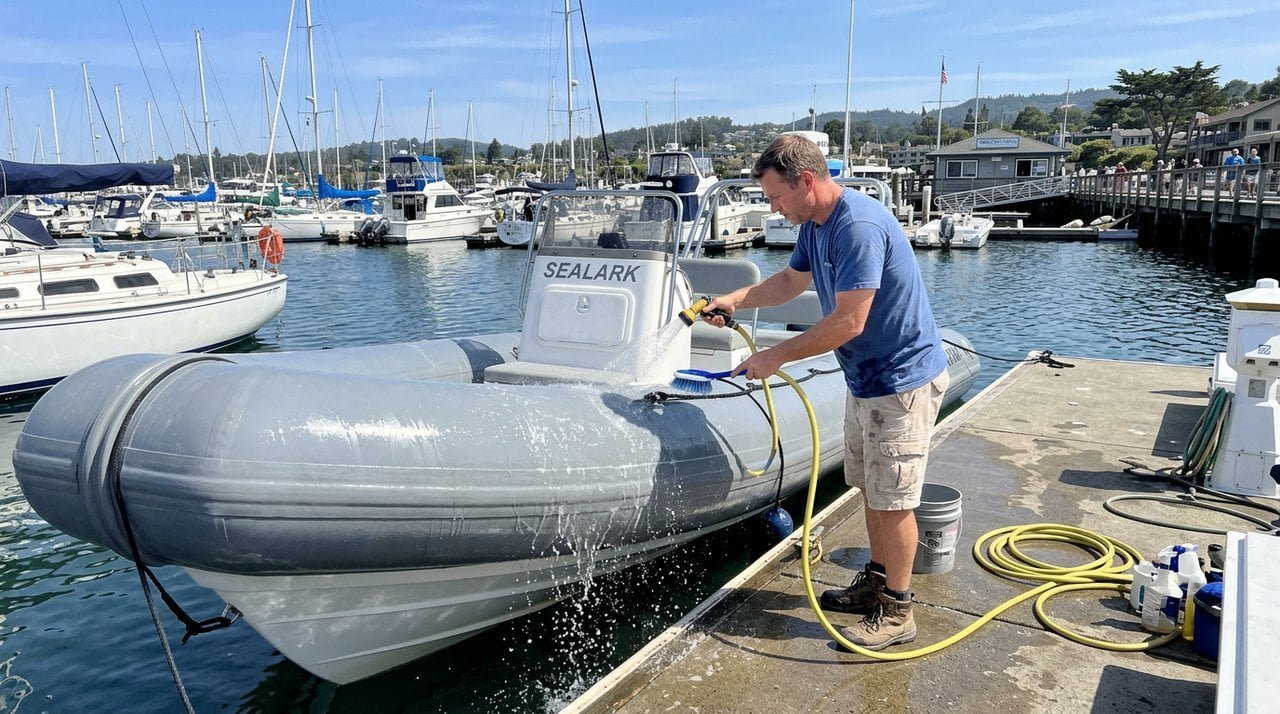
Even the toughest marine foam needs a little care to survive the elements. Saltwater is highly corrosive, and when salt crystals dry on your collar, they act like microscopic glass shards that degrade the foam's surface over time. I make it a habit to rinse my foam collar with fresh water after every outing.
For a deeper clean, I use a soft-bristled brush and a mild, non-abrasive marine boat soap. Harsh chemicals or bleach will break down the foam's cellular structure, so I avoid them completely. A gentle scrub easily removes algae, dirt, and dock marks.
Finally, UV rays are the silent killer of marine accessories. Once a month, I wipe down the entire collar with a water-based UV protectant spray. This simple step replenishes the foam's protective barrier, preventing it from drying out, cracking, or chalking under the intense summer sun.
Conclusion
Building your own foam collar is rewarding, but sourcing the right materials can be tough. At Jettyguard, we provide premium, customizable marine fenders designed for ultimate protection. Whether you need extra length for DIY trimming or exact custom curves, trust Jettyguard for your vessel's safety.