Are you tired of constantly checking air pressure or patching leaks in your RIB's tubes? Many boat owners struggle with the maintenance of traditional inflatable tubes.
For most rigid inflatable boat (RIB) owners, solid foam collars1 offer a significant advantage over inflatable tubes2 because they eliminate the risk of punctures and air leaks. While inflatable tubes are lighter and can be easier to repair in the field, foam collars provide unmatched durability and "set and forget" reliability, making them the superior choice for rough environments and commercial use.
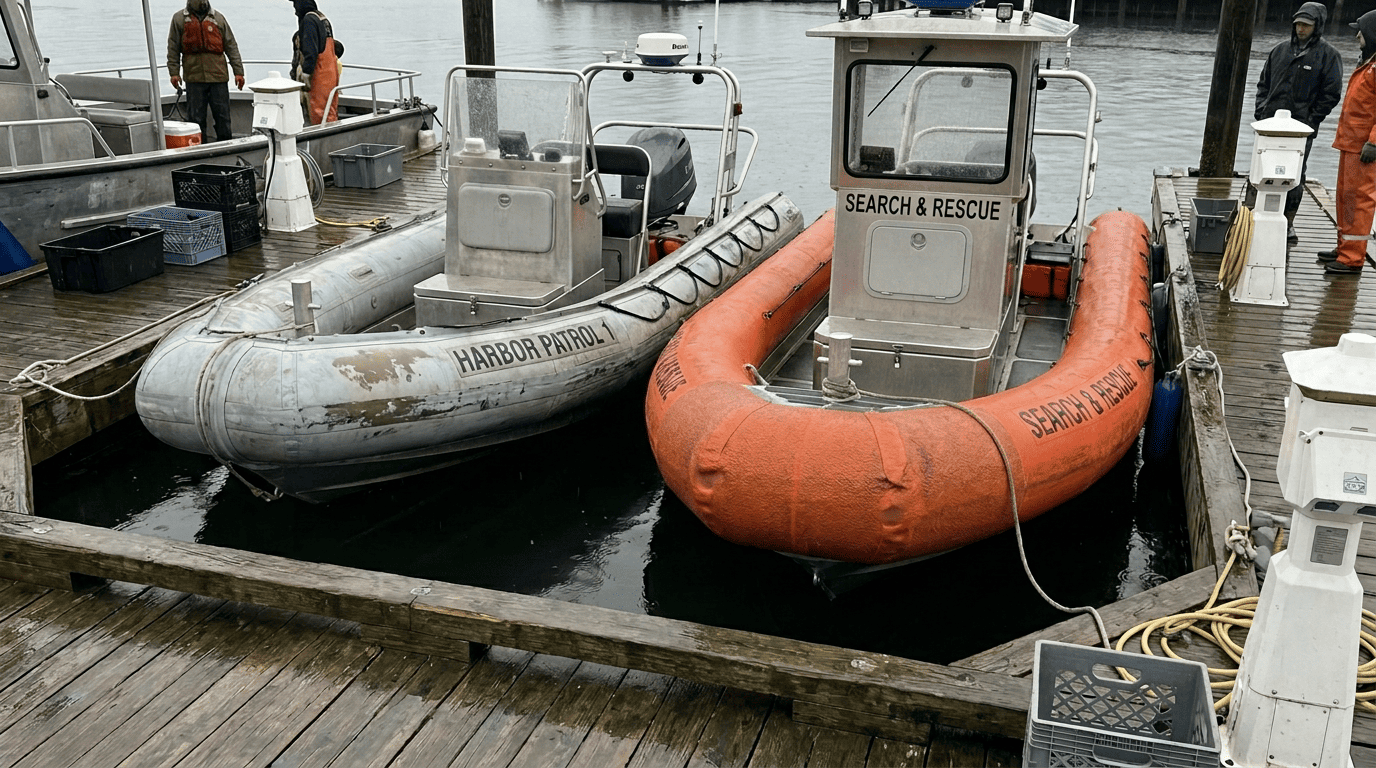
Choosing between foam and air isn't just about price; it's about how you use your boat. Let's break down the key differences so you can decide if it's time to make the switch.
Durability Comparison: Punctures vs. Solid Foam Reliability
Sharp objects, fishing hooks, and docking hazards can turn a fun day on the water into a repair nightmare for inflatable tube owners.
Solid foam collars are inherently puncture-proof, meaning you never have to worry about a sudden loss of buoyancy or a trip-ending leak.
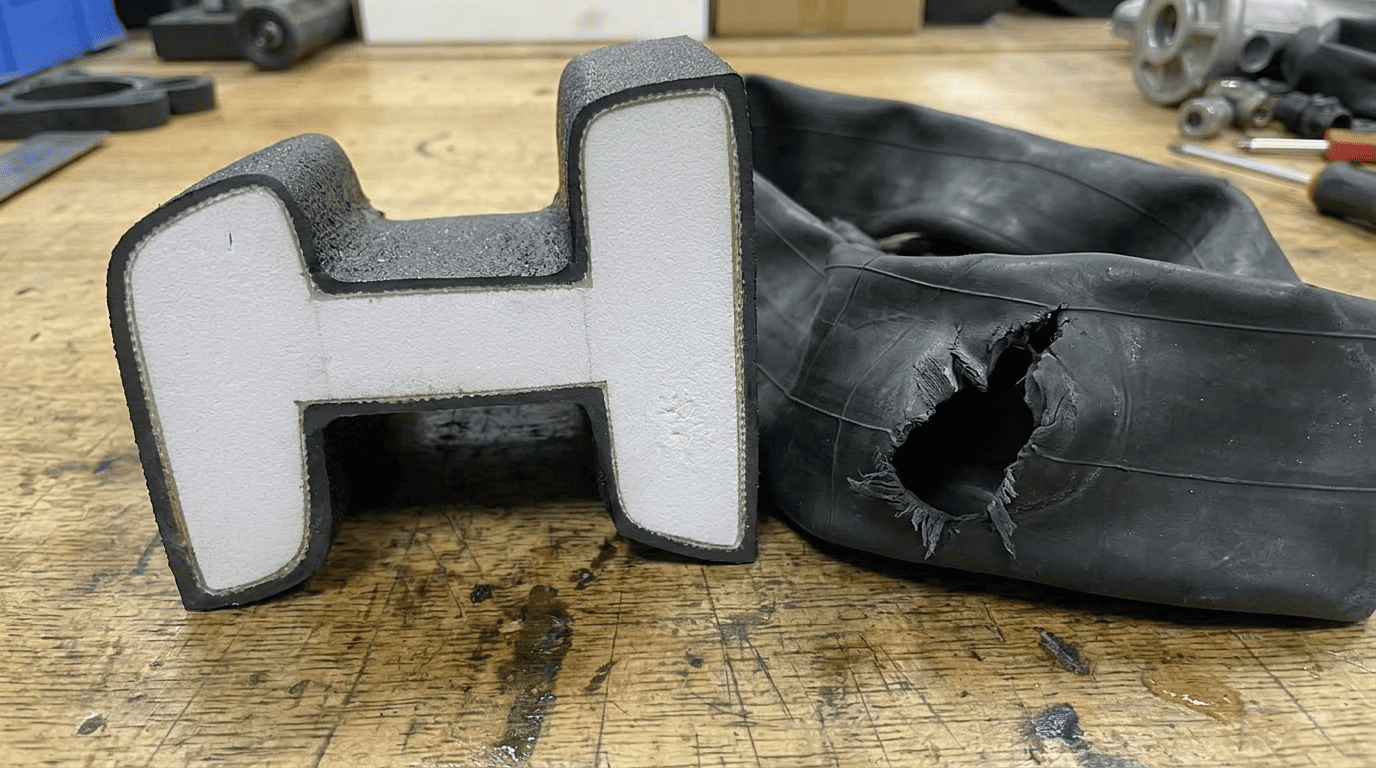
When you are out on the water, peace of mind is everything. Traditional inflatable tubes are vulnerable. A stray fish hook, a sharp dock corner, or even heavy UV exposure over time can lead to leaks. Foam collars change this game completely. Because they are made of closed-cell foam coated in a tough polyurea skin, they simply cannot deflate. You can puncture the outer skin, and the collar will still maintain its shape and buoyancy3. This reliability is why many commercial operators and serious boaters are moving away from air. It is not just about avoiding a flat; it is about knowing your boat is ready to go whenever you are.
Maintenance: Air Pressure Checks vs. "Set and Forget"
Inflatable tubes require regular attention to maintain proper pressure, especially with changing temperatures.
Foam collars are a true "low maintenance" solution, requiring only occasional cleaning rather than constant pressure monitoring and pumping.
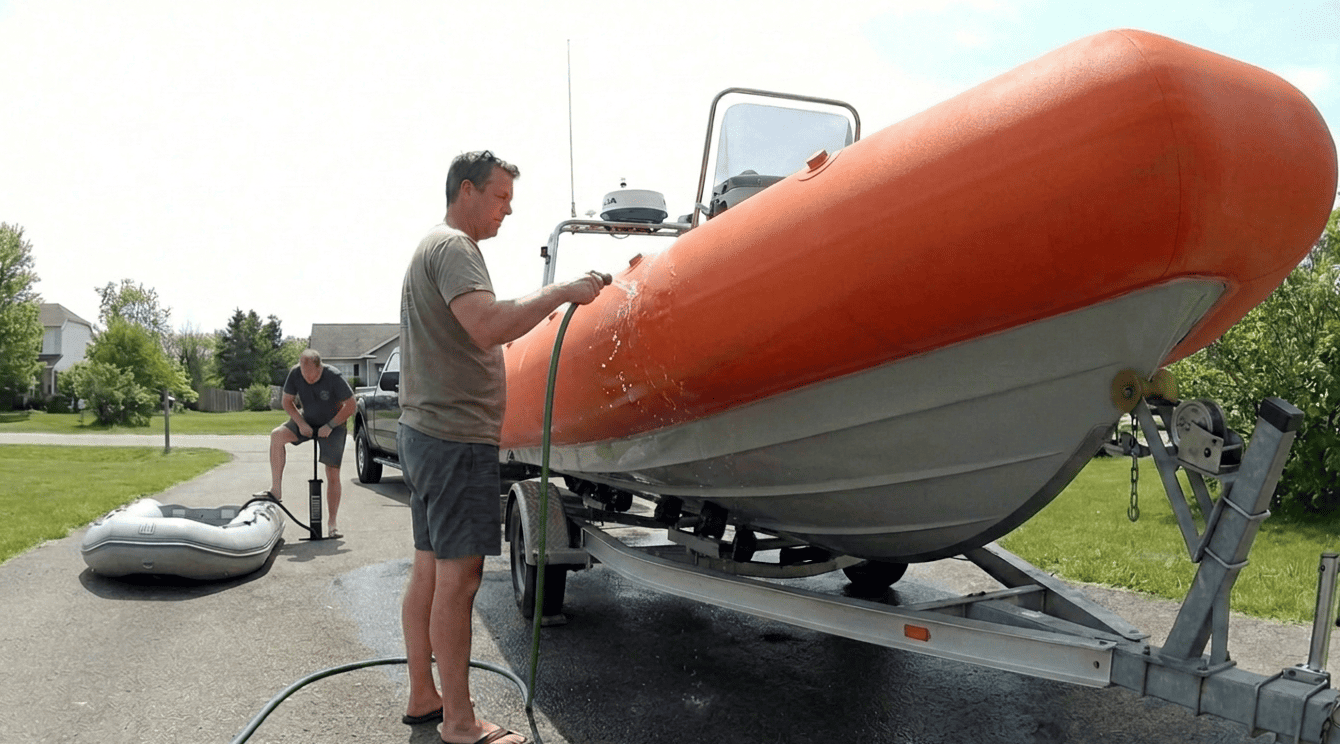
From my experience in the industry, I have seen how much time boat owners spend just maintaining their equipment. With foam collars, the workload drops significantly. Once installed, you basically do not need to worry about them for 3 to 5 years, other than routine cleaning to keep them looking good. You do not need to check air pressure before every trip or carry a pump. However, I always remind my clients that "low maintenance" does not mean "indestructible." You still need to operate your boat safely.. Crashing into a dock at high speed will damage any fender system, foam or air. But for daily use, foam gives you that freedom to just get in and drive.
Weight and Performance Differences
Adding weight to a boat can affect its speed, fuel efficiency, and handling.
While foam collars are generally heavier than air-filled tubes, modern lightweight foam materials have narrowed this gap, often with minimal impact on overall performance for most recreational and commercial vessels.
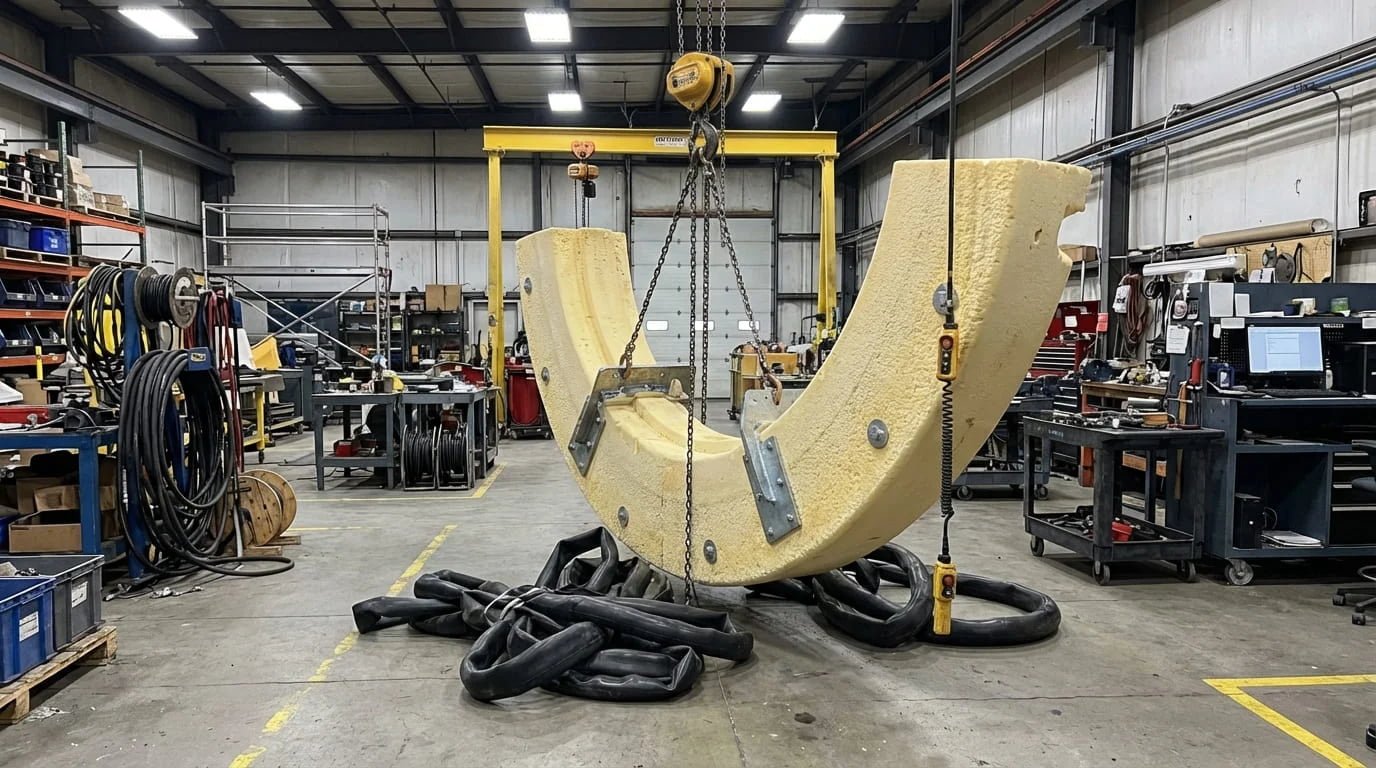
It is true that air is lighter than foam. For racing boats where every kilogram counts, inflatable tubes might still be the edge you need. But for the vast majority of RIBs, the weight difference has become negligible thanks to advancements in foam technology. We use lightweight, closed-cell foam that provides incredible buoyancy without dragging the boat down. The trade-off is often worth it. The slight increase in weight can actually add stability in rougher waters, making the boat feel more planted. You are trading a tiny fraction of top-end speed for a massive gain in durability and stability.
Cost Analysis: Initial Investment vs. Long-Term Repair Costs
The upfront price tag of foam collars can be higher than replacing standard inflatable tubes.
Although the initial investment for foam collars is higher, the long-term savings on repairs, replacements, and downtime often make them more economical over the life of the boat.
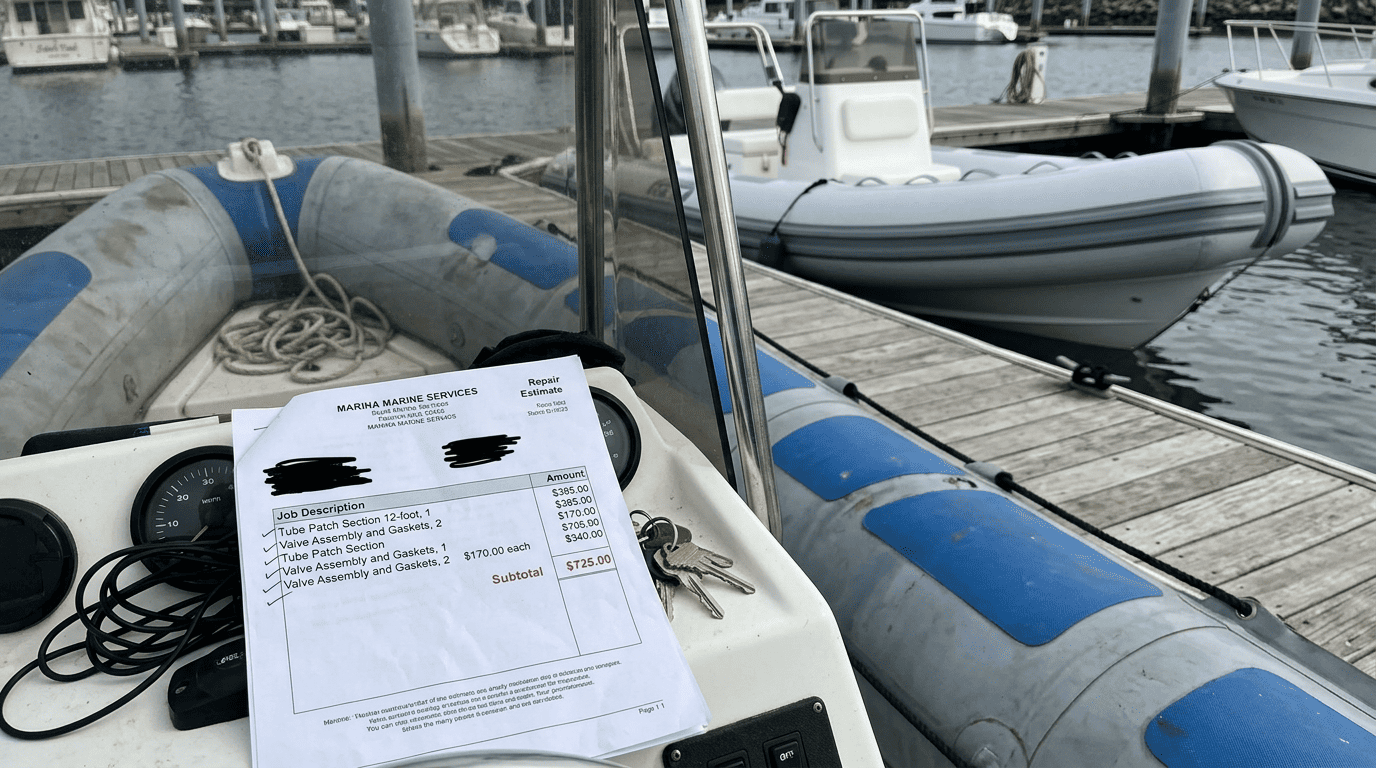
We need to look at the total cost of ownership, not just the sticker price. Yes, buying a custom foam collar kit costs more today than buying a replacement PVC or Hypalon tube. But think about the next five or ten years. With air tubes, you are looking at potential patch kits, professional repairs for larger tears, and eventually a full replacement when the material degrades from UV exposure. Foam collars last longer. They do not suffer from the same UV degradation4 issues. When you factor in the years of service without repair bills, the foam collar often pays for itself. It is an investment in the future value of your vessel.
Ride Quality: Shock Absorption vs. Air
Boaters often worry that switching to a solid collar will make the ride harsher or less comfortable.
Foam collars provide excellent shock absorption5, often dampening wave impact better than highly pressurized air tubes because the foam core dissipates energy rather than bouncing it back.
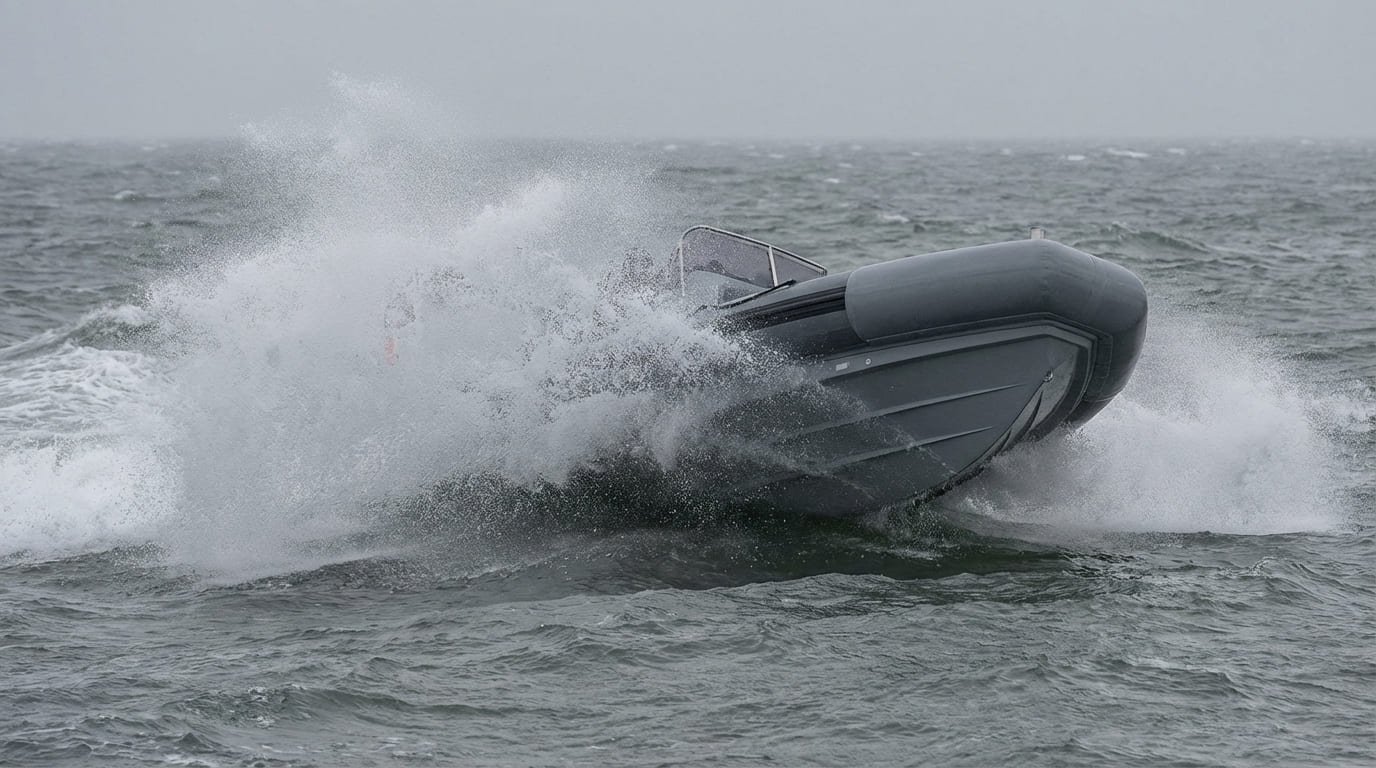
There is a misconception that "solid" means "hard." That is not the case with the foam we use. High-pressure air tubes can actually be quite stiff, acting like a tight drum skin that transmits vibration. The foam core in our collars is designed to absorb energy. When you hit a wave or come alongside another vessel, the foam compresses and dampens that impact. It creates a dull thud rather than a sharp bounce. This characteristic makes the ride smoother for passengers and reduces stress on the boat's hull. It acts as a continuous shock absorber running the entire length of your boat.
Retrofitting: Switching from Inflatable to Foam
Many boat owners assume they are stuck with whatever collar type came with their boat.
Retrofitting a RIB from inflatable tubes to foam collars is a straightforward process that breathes new life into older hulls and upgrades their capability instantly.
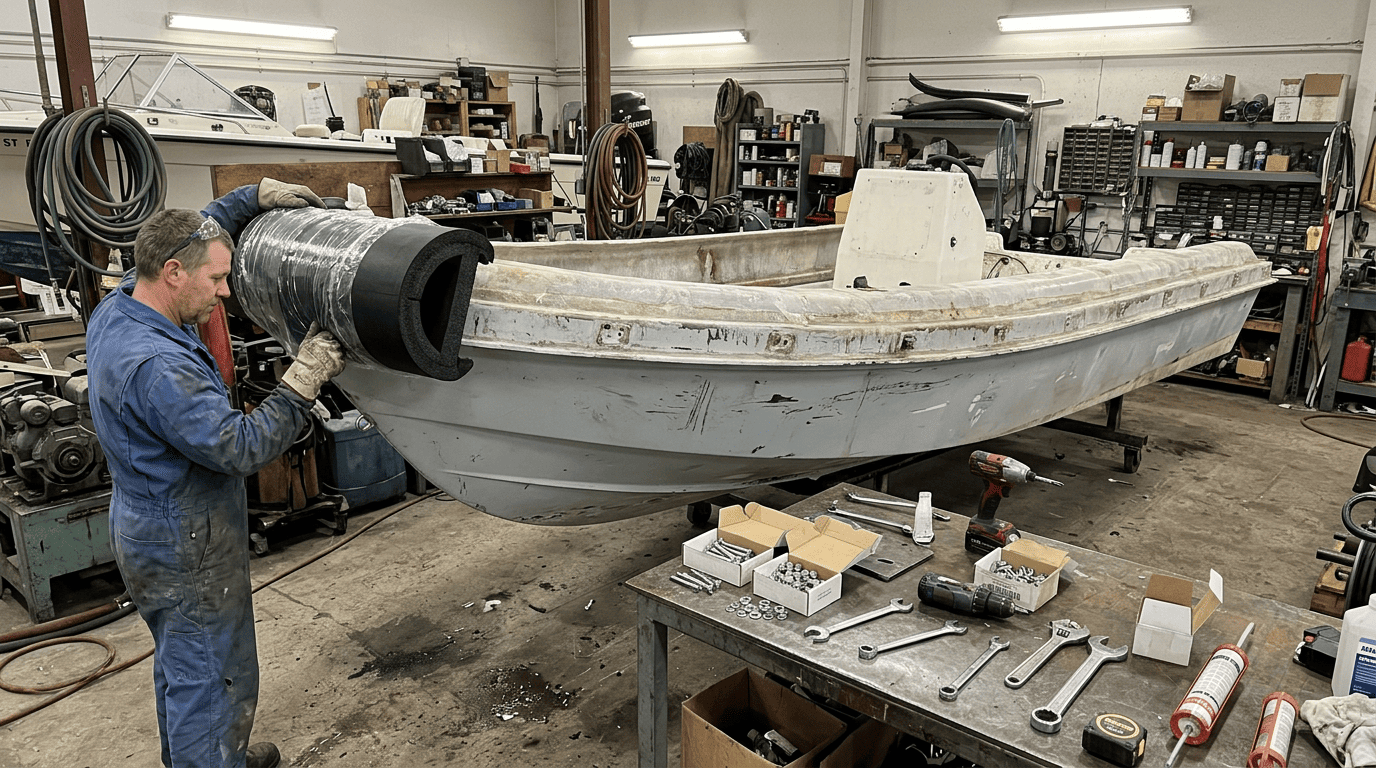
You do not need to buy a new boat to get the benefits of foam. We see a lot of customers who love their hull but hate their old, leaking tubes. Retrofitting is a great option. The process usually involves removing the old glued-on or slide-on tubes and installing a new attachment system for the foam collars. It is a modification that adds significant value to the boat. It transforms an aging leisure boat into a rugged, commercial-grade machine. If you are tired of patching your old tubes, do not just replace them with the same thing. Upgrade to foam and change your boating experience entirely.
Conclusion
Switching to foam collars offers superior durability, lower maintenance, and long-term value compared to inflatable tubes. At Jettyguard, we specialize in lightweight, high-performance foam solutions that keep you on the water longer. If you are ready to upgrade your RIB, contact us to discuss the perfect collar for your vessel.
Explore the advantages of solid foam collars, including durability and maintenance, to enhance your boating experience. ↩
Learn about the pros and cons of inflatable tubes versus foam collars to make an informed decision for your boat. ↩
Understand the buoyancy characteristics of foam collars and how they enhance boat performance. ↩
Learn about the effects of UV degradation on inflatable tubes and how foam collars offer a longer lifespan. ↩
Learn how foam collars improve ride quality through superior shock absorption for a smoother boating experience. ↩