Dread the crunch of fiberglass against a dock? One bad slip can ruin your season. I rely on foam collars to eliminate that stress entirely1 .
Foam collars protect your boat's hull by acting as a continuous, energy-absorbing barrier. Wrapped entirely around the sides, they shield contact points from dock edges and pilings while cushioning the blow of hard landings to prevent costly fiberglass damage2.
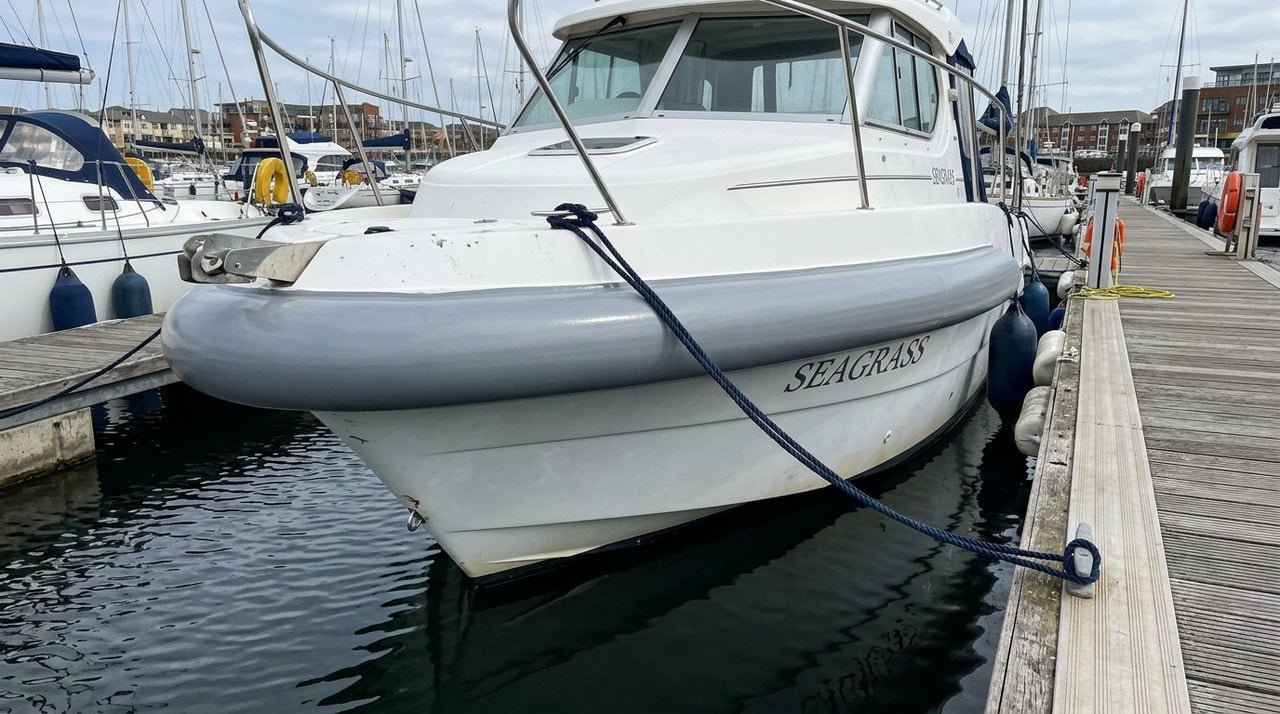
Navigating tight marinas doesn't have to end in expensive gelcoat repairs3. Let me show you exactly how these rugged collars transform your vessel into a docking fortress.
The collar as a permanent, full-length rub rail
Fenders slip out of place, leaving your hull exposed. It’s frustrating. I use full-wrap foam collars1 because they provide permanent, 360-degree protection that never shifts.
A foam collar functions as a permanent, full-length rub rail that wraps around the entire side of the vessel. This continuous coverage ensures every potential contact point is shielded, eliminating the risk of exposed fiberglass hitting the dock.
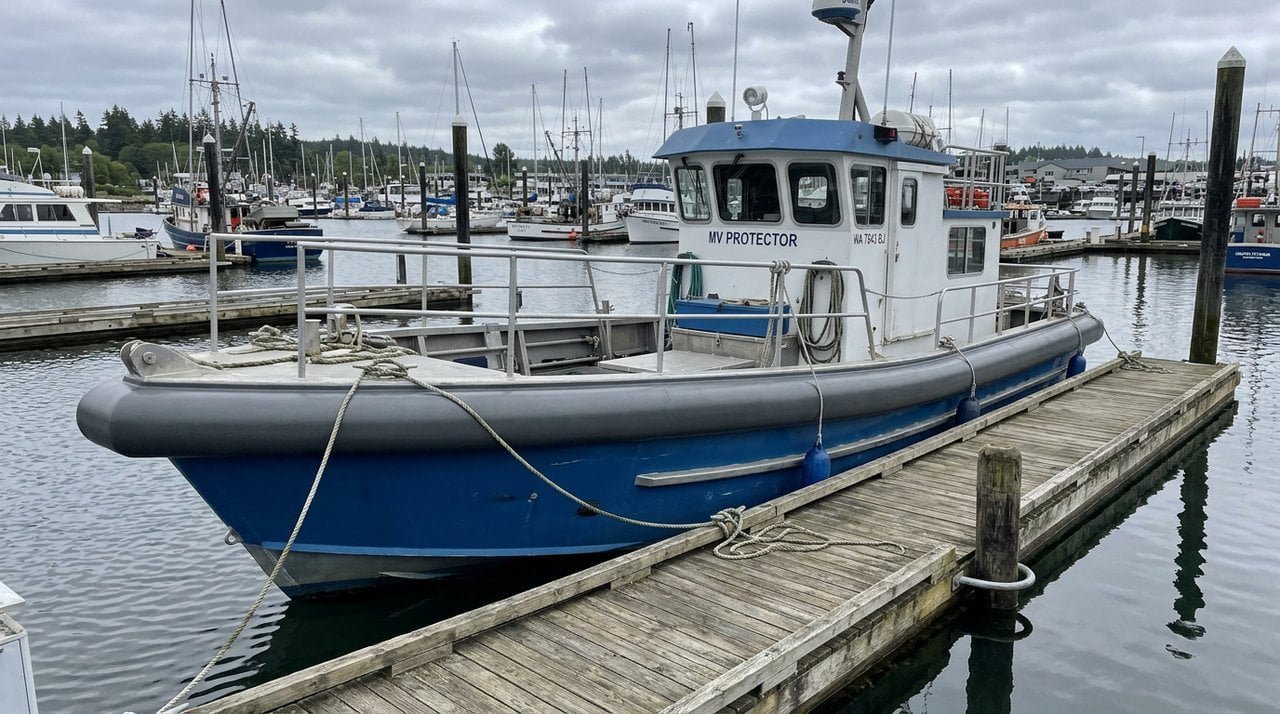
Traditional fenders require constant adjustment depending on the slip, tide, or dock height. If you misjudge the placement, your hull pays the price. By installing a foam collar, I completely removed this guesswork from my boating routine.
These collars typically feature a full wrap or full side wrap design. Because they span the entire length of the boat, they act as a massive, continuous rub rail. Whether I am sliding into a floating dock or tying up against a fixed concrete wall, the collar is always perfectly positioned.
This permanent installation means I never have to scramble with lines and buoys as I approach the marina. The continuous barrier guarantees that no matter what angle my boat approaches from, the soft, resilient foam will make contact first, keeping my pristine hull completely untouched.
Absorbing impact energy during hard landings
Strong winds and fast currents cause terrifying hard landings. The resulting cracks are devastating. Foam collars solve this by instantly absorbing that massive impact energy.
During a hard landing, foam collars compress to absorb massive amounts of impact energy. Instead of transferring that destructive force into your boat's rigid fiberglass hull, the high-density foam4 cushions the blow, preventing structural damage.
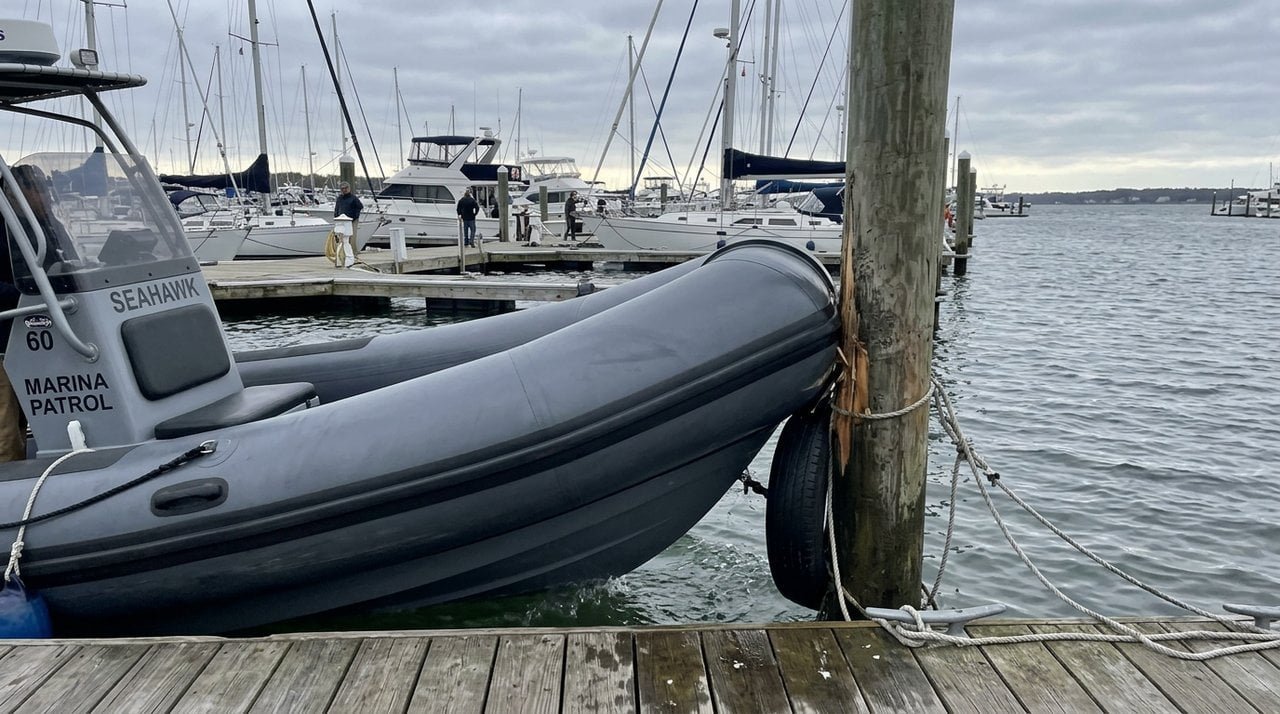
We have all experienced that heart-stopping moment when a sudden gust of wind pushes the boat too fast toward the slip. A hard landing is sometimes unavoidable, and traditional rubber rub rails simply cannot displace enough force to protect the fiberglass underneath.
When my boat hits the dock harder than intended, the foam collar acts as a heavy-duty shock absorber5. The closed-cell foam compresses upon impact, taking the brunt of the kinetic energy. By absorbing this force, the collar prevents the shockwave from traveling into the hull, which is exactly what causes spider cracks and structural fractures.
After the impact, the memory foam instantly rebounds to its original shape. It gives me incredible peace of mind knowing that even if I come in a little too hot, the collar will take the beating so my boat does not have to.
Protecting against piling, cleat, and dock edge damage
Protruding cleats and jagged dock edges easily gouge unprotected fiberglass. It’s a constant hazard. Foam collars physically block these sharp obstacles from ever touching your hull.
Because foam collars cover all docking contact points6, they actively prevent dock edge and piling damage. The thick foam acts as a robust physical barrier against abrasive wooden posts, exposed bolts, and protruding metal cleats.
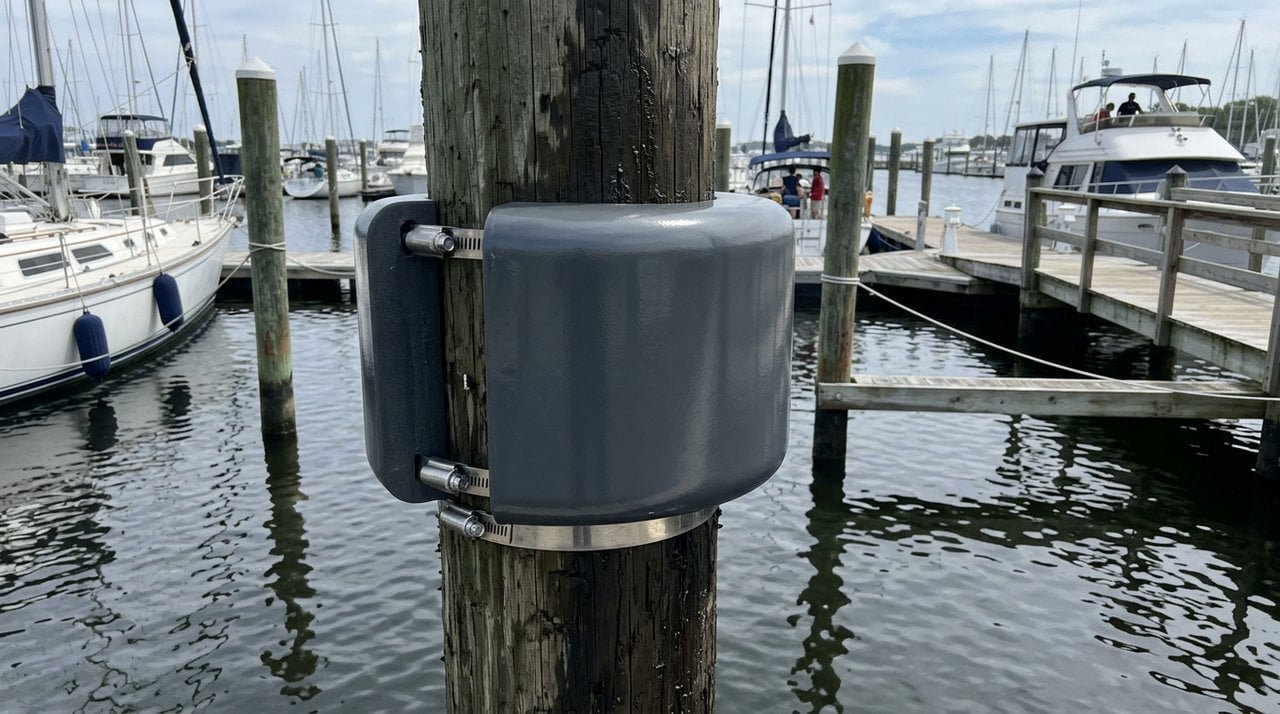
Marinas are full of hidden hazards. Rusted nails, splintered wooden pilings, and sharp metal cleats are notorious for leaving deep scratches and gouges in gelcoat. Whenever the tide drops, a boat can easily get caught under a dock edge, leading to catastrophic upper hull damage.
I rely on the thick profile of my foam collar to keep my vessel safely distanced from these threats. Because the collar extends outward, it ensures that the boat's delicate fiberglass remains several inches away from any abrasive surfaces.
Whether I am pinned against a rough piling by the wind or navigating a slip with uneven dock edges, the collar takes the scraping. It covers every vulnerable contact point along the sheer line, rendering those sharp marina hazards completely harmless to my actual boat.
Benefits for solo boaters: Docking without fear
Docking alone is incredibly stressful when you can't be at the helm and handling fenders simultaneously. Foam collars provide the ultimate solution for fearless solo docking.
For solo boaters, a foam collar eliminates the need to juggle lines, fenders, and the throttle. With built-in, full-length protection already in place, you can confidently maneuver into any slip by yourself without fearing accidental collisions.
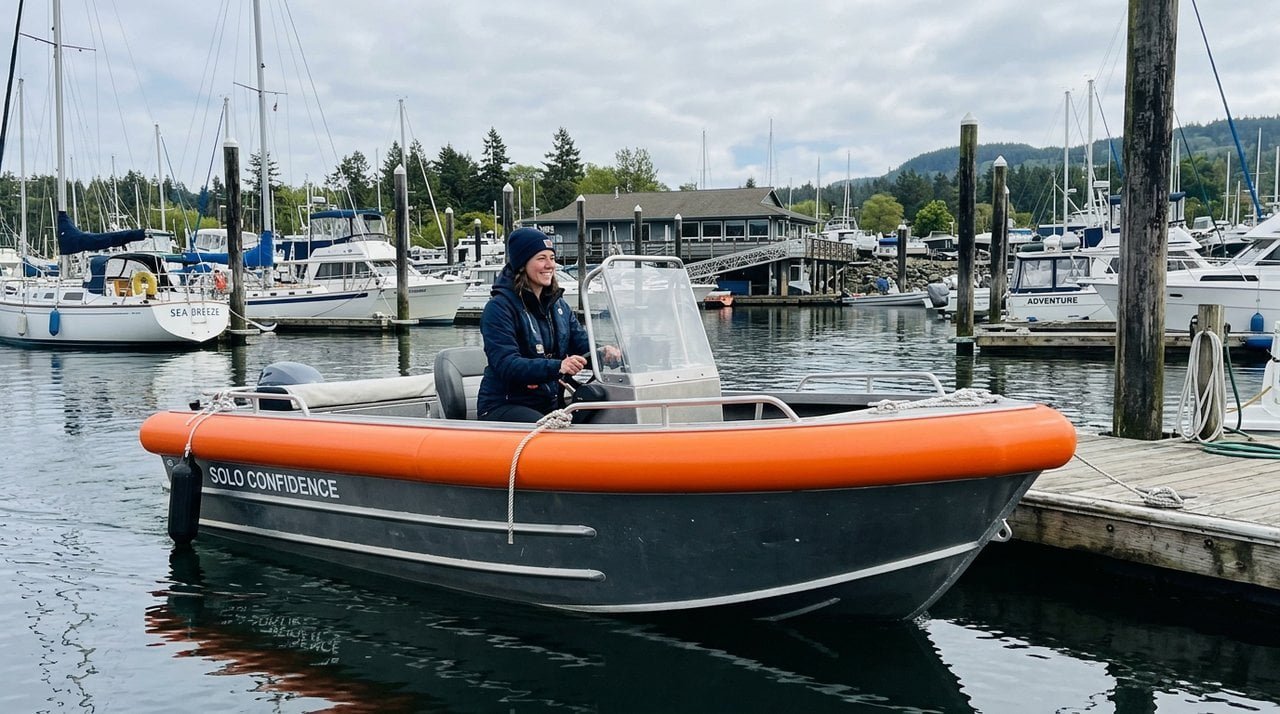
If you frequently boat alone like I do, you know that the final approach to the dock is the most anxiety-inducing part of the trip. You cannot hold off the boat from the bow while simultaneously shifting gears at the console.
Having a foam collar completely changes the solo docking7 experience. I no longer have to sprint around the deck deploying fenders while the wind blows me off course. I can simply focus on driving the boat. If the vessel bumps the piling while I am stepping off to secure a spring line, it simply bounces off softly.
This "docking without fear" mentality makes solo trips infinitely more enjoyable. I can confidently slide along a piling to pivot the boat into a tight space, using the collar as a functional tool rather than just an emergency bumper.
Case studies: Reduced hull repair costs over time
Gelcoat repairs drain your wallet year after year. It feels like an endless expense. Investing in a foam collar stops these recurring maintenance bills dead in their tracks.
Real-world case studies show that vessels equipped with foam collars experience significantly reduced hull repair costs over time. By preventing scratches, gouges, and stress cracks, the initial investment in a collar pays for itself by eliminating annual fiberglass shop bills.
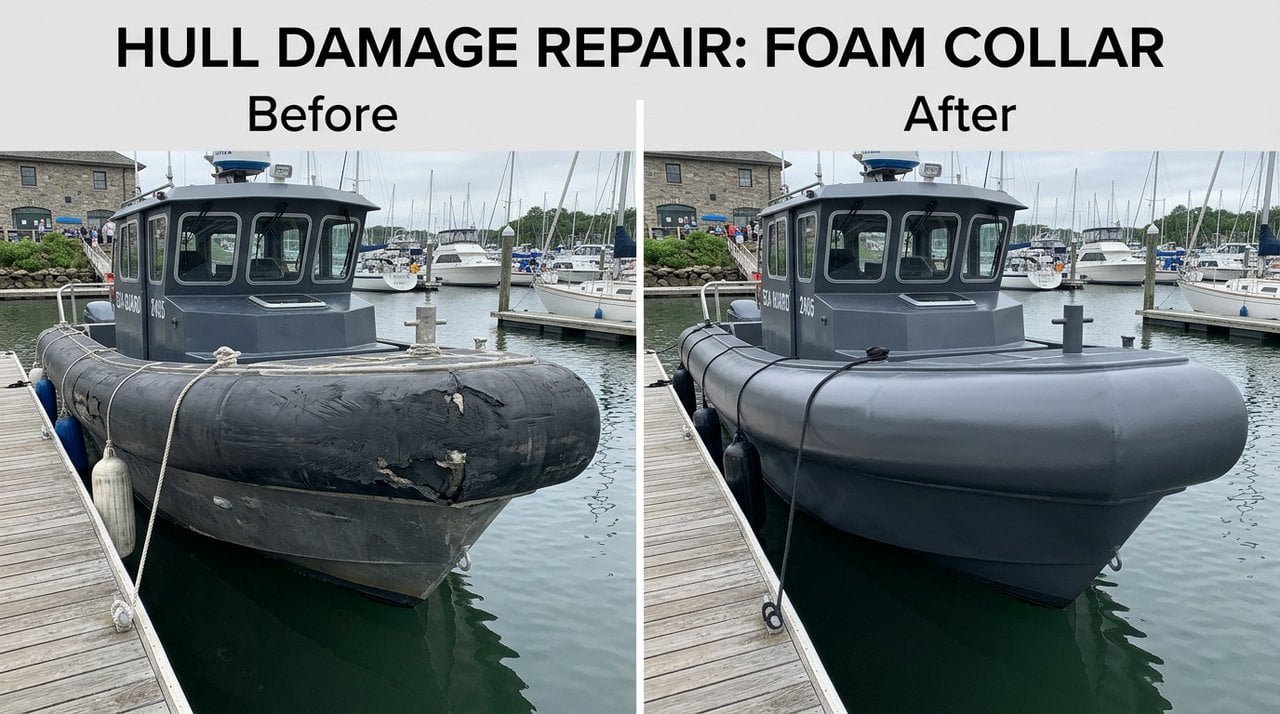
Before I upgraded my vessel, I was spending hundreds—sometimes thousands—of dollars every off-season fixing minor dock rash and spider cracks. It is a common story among boat owners. One bad storm while tied up can result in a massive fiberglass repair bill.
After installing a full-wrap foam collar, my maintenance costs plummeted. I have spoken with commercial operators and fellow recreational boaters who report the exact same financial relief. In one instance, a local water taxi service eliminated their annual hull cosmetic budget entirely after switching to collared vessels, saving them thousands per year.
The math is simple. The cost of professional gelcoat matching and structural fiberglass repair adds up quickly. By absorbing impacts and blocking dock edge damage, the collar preserves the hull's integrity, ensuring my money stays in my pocket rather than going to the boatyard.
Conclusion
Foam collars offer unbeatable, full-wrap protection against hard landings and dock hazards, making solo docking stress-free. To safeguard your hull and eliminate costly repairs, upgrade your vessel with Jettyguard. Our premium foam collars ensure your boat stays pristine, no matter how rough the marina gets.
Explore how foam collars can protect your boat from damage and enhance your docking experience. ↩
Get insights into preventing fiberglass damage and maintaining your boat's integrity. ↩
Discover ways to reduce gelcoat repair costs and maintain your boat's appearance. ↩
Find out how high-density foam is used in boat protection and its benefits. ↩
Explore the role of shock absorbers in enhancing boat safety during docking. ↩
Identify the key contact points that can harm your boat and how to protect them. ↩
Explore essential tips for solo boaters to make docking easier and safer. ↩