If you are tired of patching leaks in your RIB's inflatable tubes, you are not alone.
Boat foam collars1 are rigid, closed-cell foam systems that replace traditional air-filled pontoons, offering virtually unsinkable protection for your vessel. They are the ultimate upgrade for boat owners seeking durability without the fear of punctures.
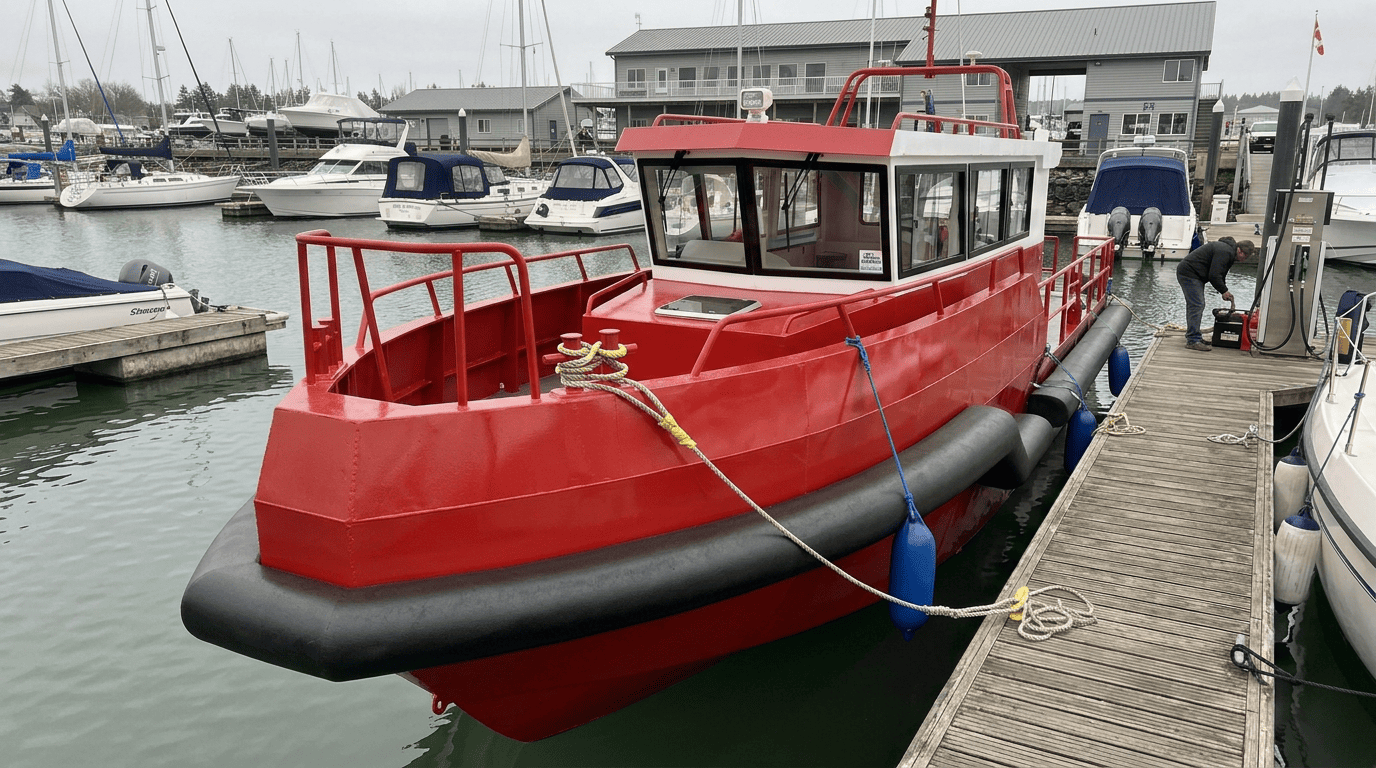
Many of my clients come to me after spending a fortune on repairs, looking for a permanent solution that just works.
What exactly is a rigid boat foam collar?
A rigid boat foam collar is essentially a solid fender system designed to wrap around your boat's hull, providing buoyancy and protection that air-filled tubes simply cannot match.
Unlike inflatable tubes that rely on air pressure to hold their shape, a foam collar is solid all the way through. This means that even if you accidentally hit a sharp object or a jagged dock, the collar maintains its shape and function. It is the difference between driving on a run-flat tire versus a standard tire that could blow out at any moment.
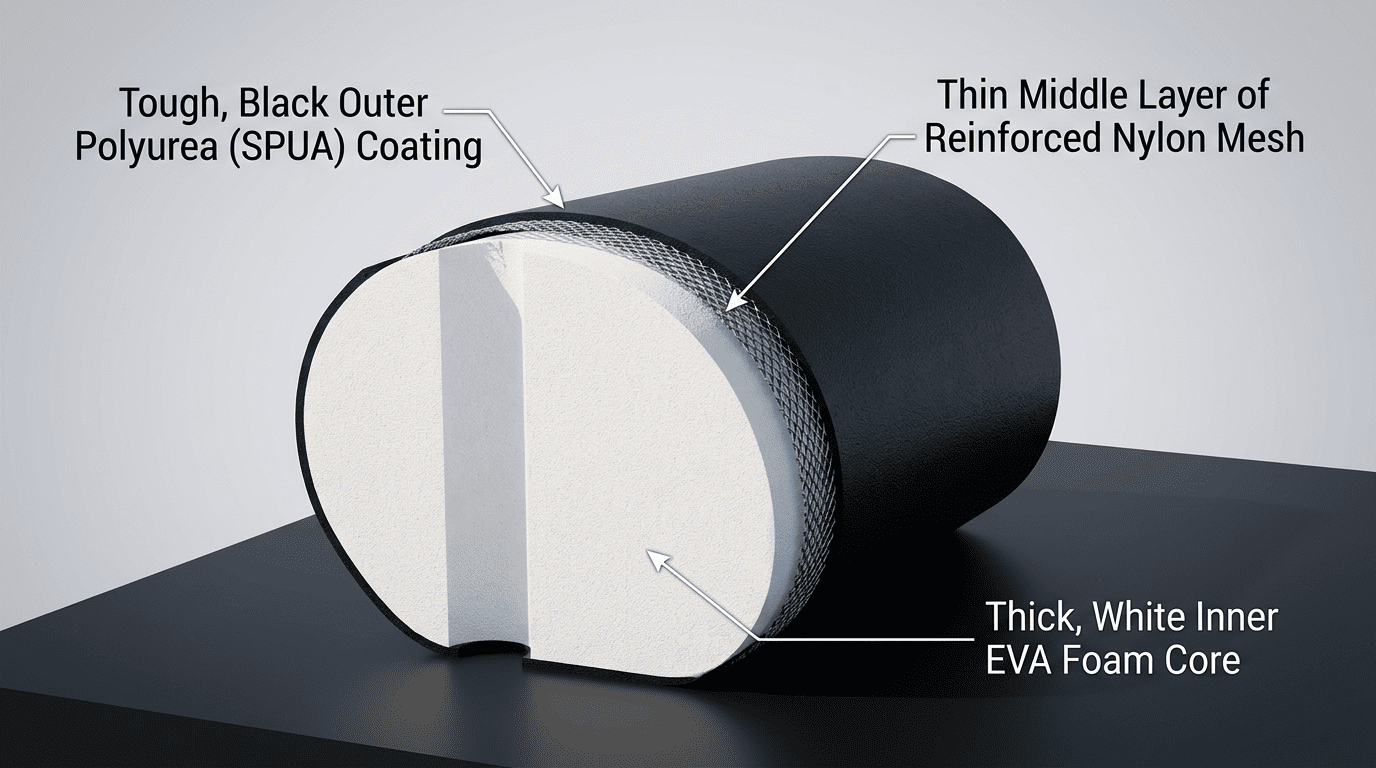
I often explain the construction of these collars to my clients because the quality really lies in the layers. A high-quality boat foam collar consists of three main parts. First, there is the internal EVA foam core2. This is a closed-cell foam, which means it does not absorb water even if the outer skin is breached. Second, we add a middle layer of nylon mesh reinforcement3. This isn't always standard in the industry, but we configure it based on specific requirements to add immense tear resistance. Finally, the entire collar is encapsulated in an outer layer of Polyurea (SPUA) coating4. This spray-on skin is incredibly tough, UV resistant, and provides that smooth, professional finish you see on high-end patrol boats and commercial vessels.
Key differences between foam collars and traditional inflatable tubes?
The biggest difference you will notice immediately is reliability; foam collars eliminate the "puncture anxiety5" that plagues every RIB owner.
Inflatable tubes, usually made of Hypalon or PVC, are great for saving weight, but they are vulnerable. A stray fishing hook, a sharp rock, or even excessive sun exposure over time can lead to leaks. Foam collars, on the other hand, are strictly for those who prioritize ruggedness over being able to deflate and pack away their boat.
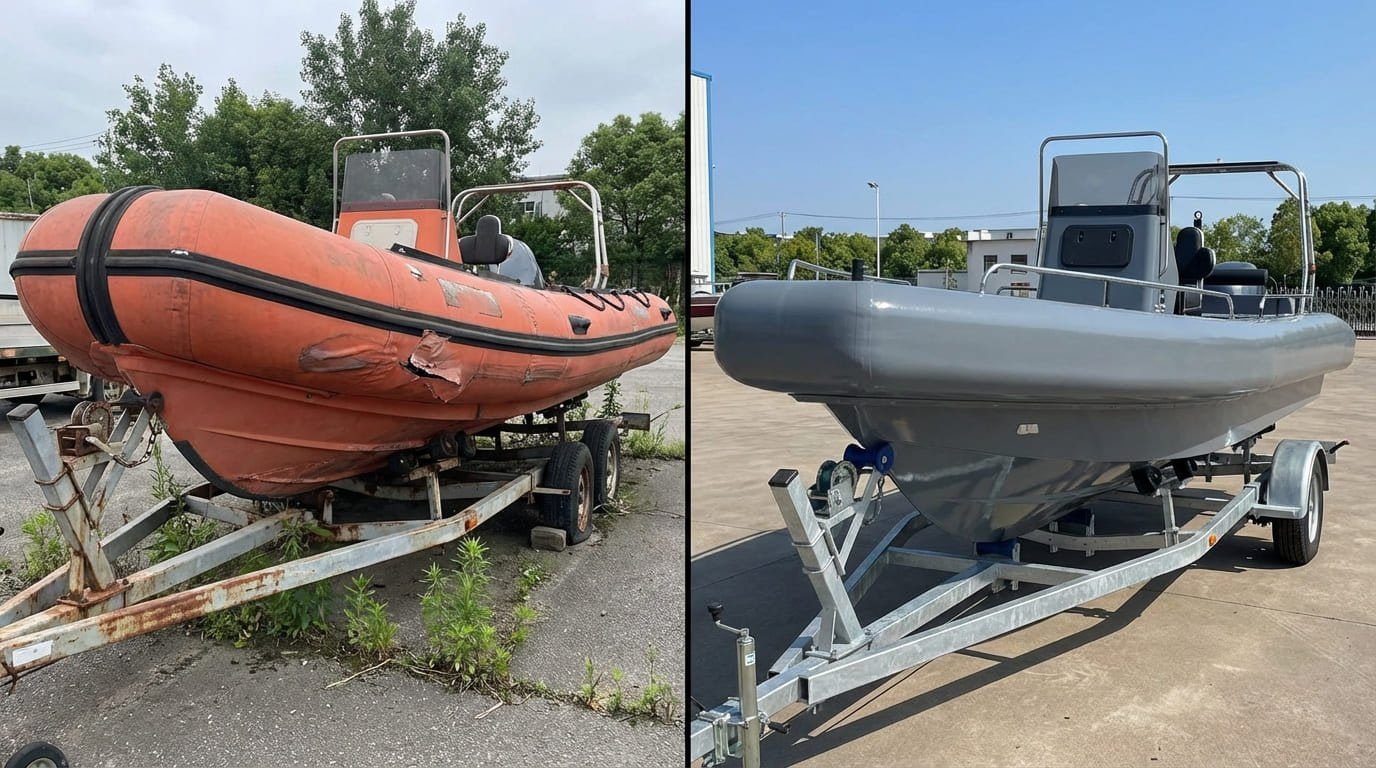
When I talk to boat builders, I emphasize that while inflatable tubes offer a bit more "bounce" due to the air compression, foam collars provide a different kind of dampening. Because of the solid EVA core, the energy absorption is more consistent. You don't get that bouncy castle effect; instead, you get a solid, reassuring push-back against the waves or the dock. Another key difference is maintenance. Inflatables need constant pressure checks and UV protection sprays. Foam collars are largely "install and forget." You might need to clean them for aesthetics, but you will never wake up to find your boat listing to one side because of a slow leak. For commercial operators who cannot afford downtime, this difference is usually the deciding factor.
How much do boat foam collar kits cost?
The cost of a foam collar kit can vary significantly, but generally, it is an investment that costs more upfront than a re-tube job but pays off in longevity.
Pricing depends heavily on the size of your vessel, the density of the foam, and the thickness of the polyurea skin. Custom shapes and colors also play a role in the final quote.
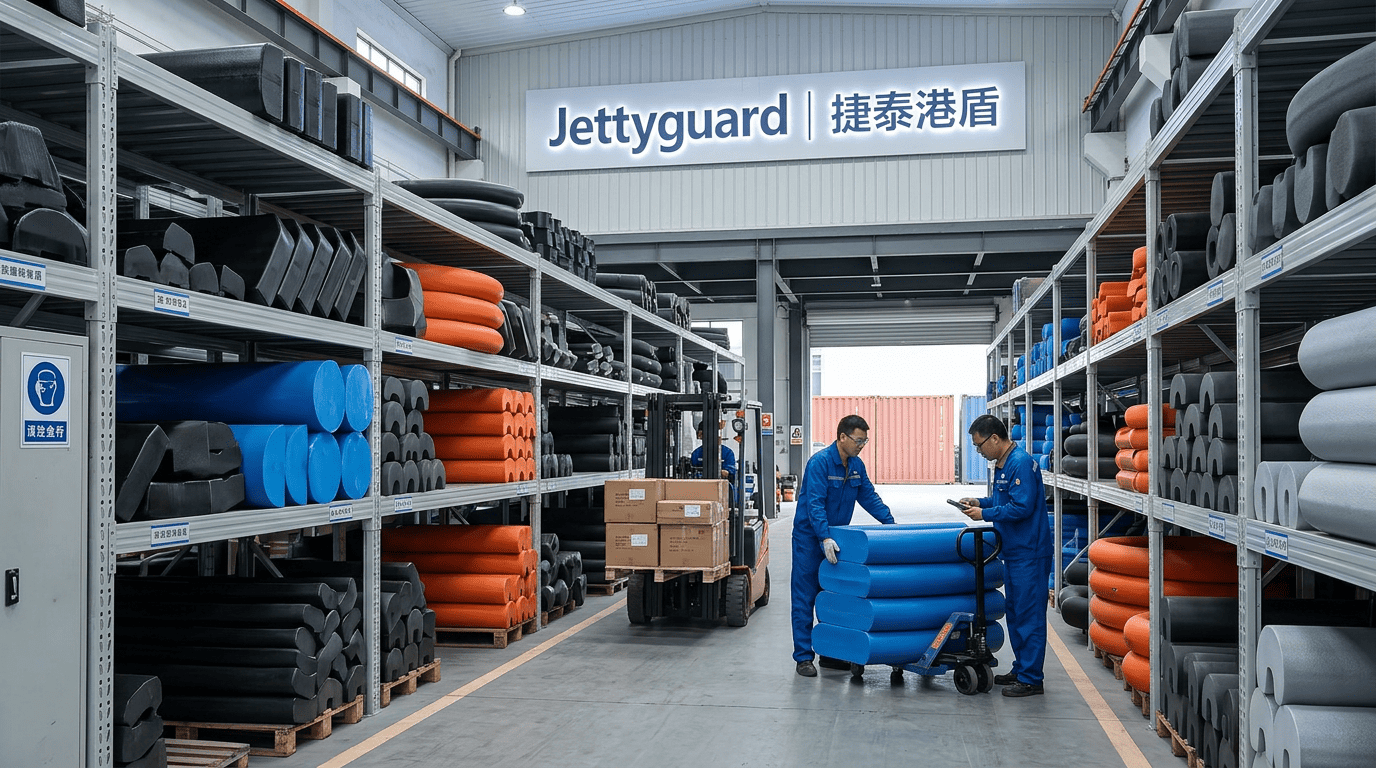
To give you a realistic idea, you are paying for premium materials. The EVA foam itself is a specialized petrochemical product, and the polyurea coating requires high-pressure, high-temperature equipment to apply correctly. It is not something you can easily DIY in your garage with a bucket of paint. When you compare this to the cost of replacing Hypalon tubes every few years, the math starts to make sense. I always advise my clients to look at the "total cost of ownership" rather than just the sticker price. If you are running a commercial boat that works every day, the cost of downtime while patching a tube far exceeds the premium you pay for a foam collar. Plus, these kits often add resale value to the boat, as the next owner knows they won't have to deal with tube issues.
Can foam collars be installed on any boat hull?
Yes, foam collars are incredibly versatile and can be retrofitted onto almost any hull that was designed for a collar, and even some that weren't.
The installation process is surprisingly straightforward, provided you have the right materials and a bit of patience. You don't need heavy machinery to get this done.
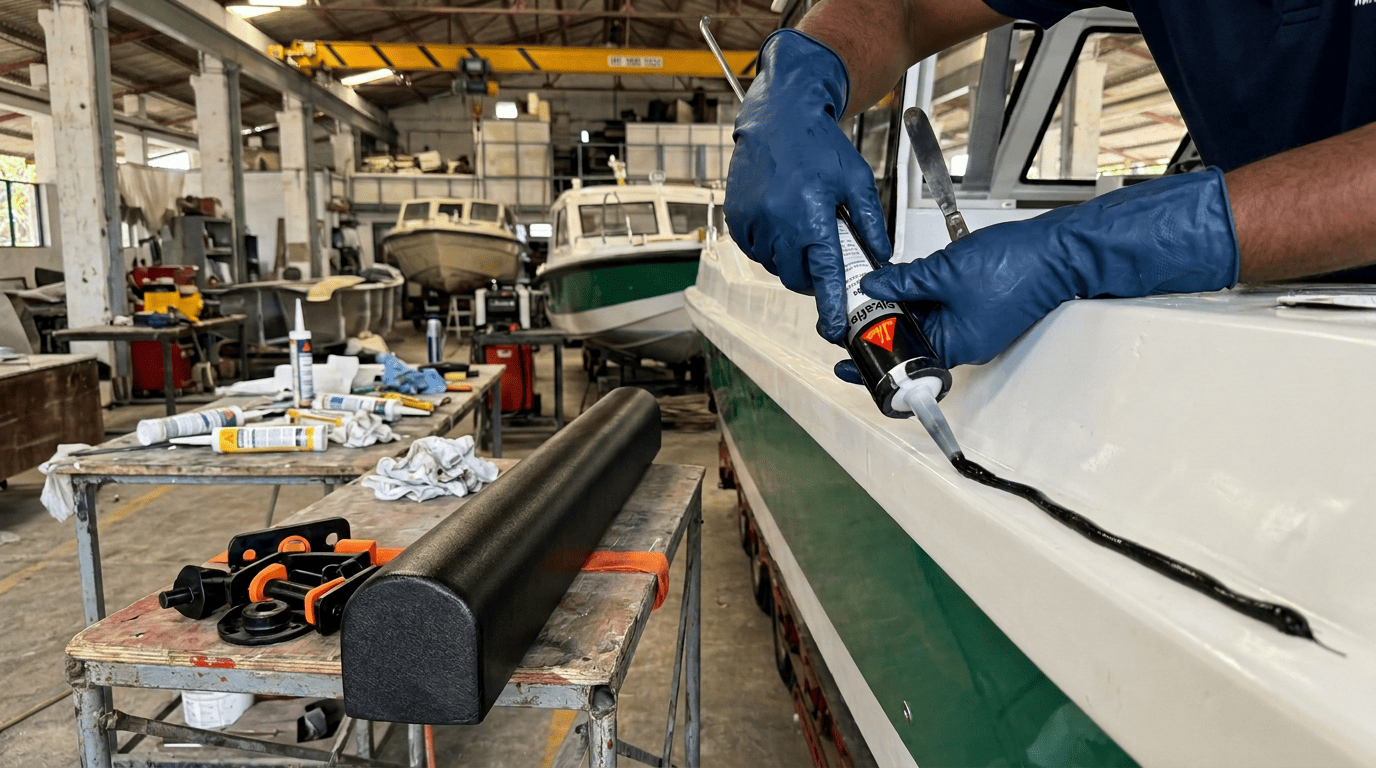
In my experience, the key to a successful installation is the preparation of the hull. Boat foam collar installation is simple and typically done using marine-grade glue6. Since we manufacture the foam collars by customizing them to the specific shape of your boat's hull, we ensure there is a sufficient flat surface area to bond securely with the hull. This "D-shape" or custom profile is critical. For the adhesive, we usually recommend Sikaflex Adhesive7, specifically the marine field versions which are designed to withstand the harsh saltwater environment. You apply the adhesive, strap the collar in place to cure, and you are good to go. It is not a mechanical fastening system that requires drilling hundreds of holes into your boat, which is a huge relief for many boat owners. The chemical bond, when done correctly with the right surface prep, is stronger than the foam itself.
The lifespan and durability of closed-cell foam collars?
If you treat them right, a high-quality foam collar can easily outlast the engine on your boat, and possibly even the hull itself.
Durability is the single biggest selling point of this technology, and it is why military and patrol boats almost exclusively use foam collars nowadays.
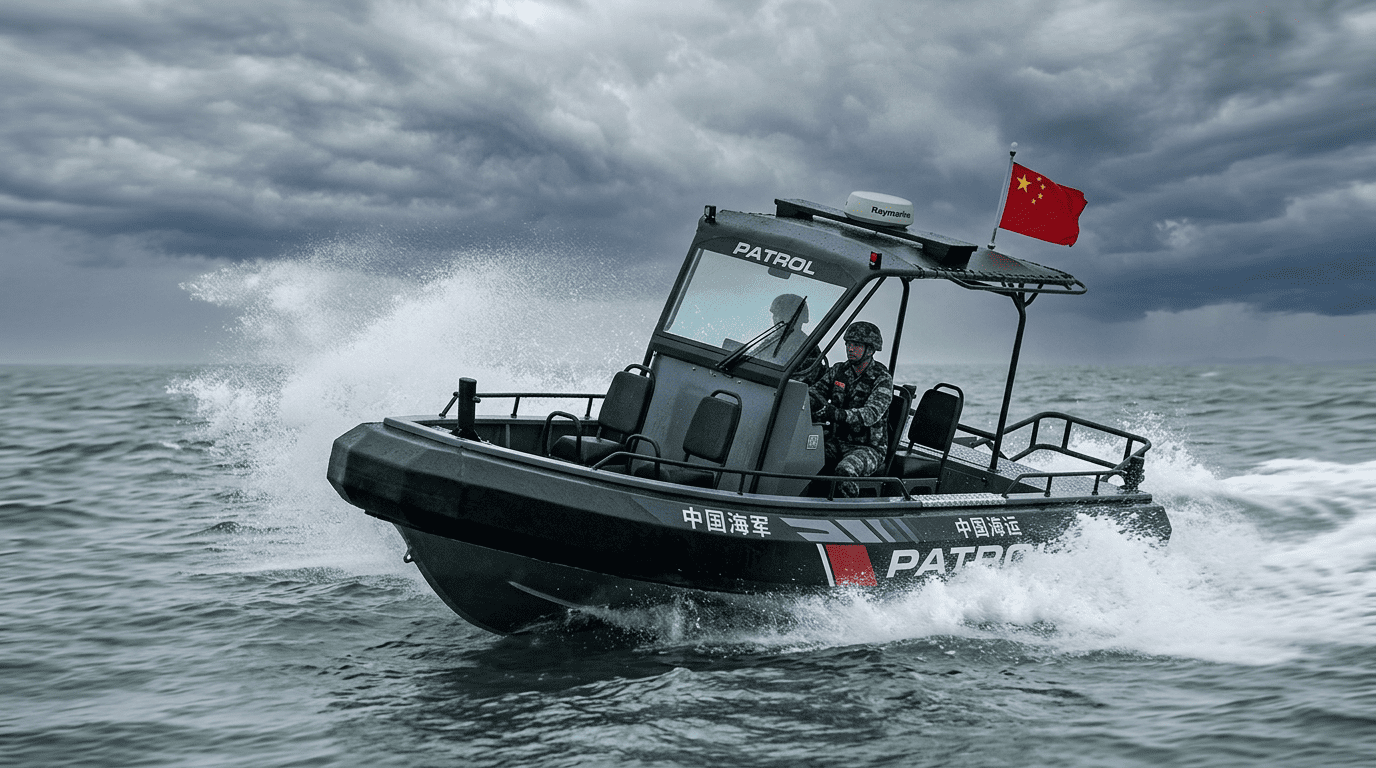
The closed-cell nature8 of the EVA foam means that water ingress is physically impossible. Even if you were to take a chainsaw to the collar (please don't), it would still float and it would still protect your boat. The outer polyurea layer is the shield. It is resistant to chemicals, fuels, and intense UV radiation. In the rare event that the outer skin gets gouged by a sharp steel edge, it is easily repairable. You can patch it up with a simple repair kit9, and because the foam inside doesn't soak up water, you don't have to worry about rot or mold spreading from the inside out. I have seen collars that have been in service for over 10 years still looking functional, albeit with a few battle scars. They don't get sticky or brittle like old rubber tubes do.
Pros and cons of adding foam collars to your vessel?
Making the switch to foam collars is a big decision, and while I am a huge advocate for them, I believe in being honest about the trade-offs.
It is important to weigh the massive durability benefits10 against the initial cost and weight considerations11.

Pros:
- Unsinkable: The safety factor is unmatched. You have 100% buoyancy redundancy12.
- Low Maintenance: No more air pumps, pressure gauges, or patch kits.
- Deck Space: Because they don't need to be round like a tube, we can shape them to be flatter on the inside, giving you more usable deck width.
- Customization: We can cut them to any profile to match the lines of your boat perfectly.
Cons:
- Weight: Foam is heavier than air. While EVA is lightweight, a full collar system will be heavier than a Hypalon tube, which might affect your top speed slightly or require a prop adjustment.
- Storage: You cannot deflate them. If you need to transport your boat in a shipping container or store it in a small garage, the fixed width is something you must consider.
- Ride Comfort: They are stiffer. In heavy seas, you might feel the impact of waves against the collar more than you would with a soft, air-filled tube.
Conclusion
Switching to boat foam collars is one of the best upgrades you can make for peace of mind on the water. Whether you are a commercial operator or a recreational boater, the durability and "unsinkable" nature of these collars provide a level of security that inflatable tubes just can't match.
Explore the advantages of boat foam collars for enhanced durability and safety on the water. ↩
Discover why EVA foam core is essential for durability and buoyancy in boat collars. ↩
Find out how nylon mesh reinforcement adds strength and tear resistance to foam collars. ↩
Learn about the protective benefits of Polyurea coating for boat foam collars. ↩
Explore the concept of puncture anxiety and how foam collars eliminate this concern. ↩
Discover the significance of marine-grade glue in ensuring strong and durable boat repairs. ↩
Learn about Sikaflex Adhesive and why it's recommended for boat foam collar installations. ↩
Explore the advantages of closed-cell foam in preventing water ingress and enhancing durability. ↩
Find out what essential items are needed in a foam collar repair kit for effective maintenance. ↩
Learn about the long-lasting durability benefits of foam collars compared to traditional options. ↩
Explore the impact of weight on boat performance when selecting foam collars. ↩
Understand the concept of buoyancy redundancy and its critical role in boat safety. ↩