Are you tired of constantly worrying about punctures or deflation during critical operations?
Upgrading to a rigid foam collar1 offers unmatched durability, stability, and safety. These collars provide permanent fendering2, zero maintenance, and increased deck space, ensuring your vessel is always ready for action.
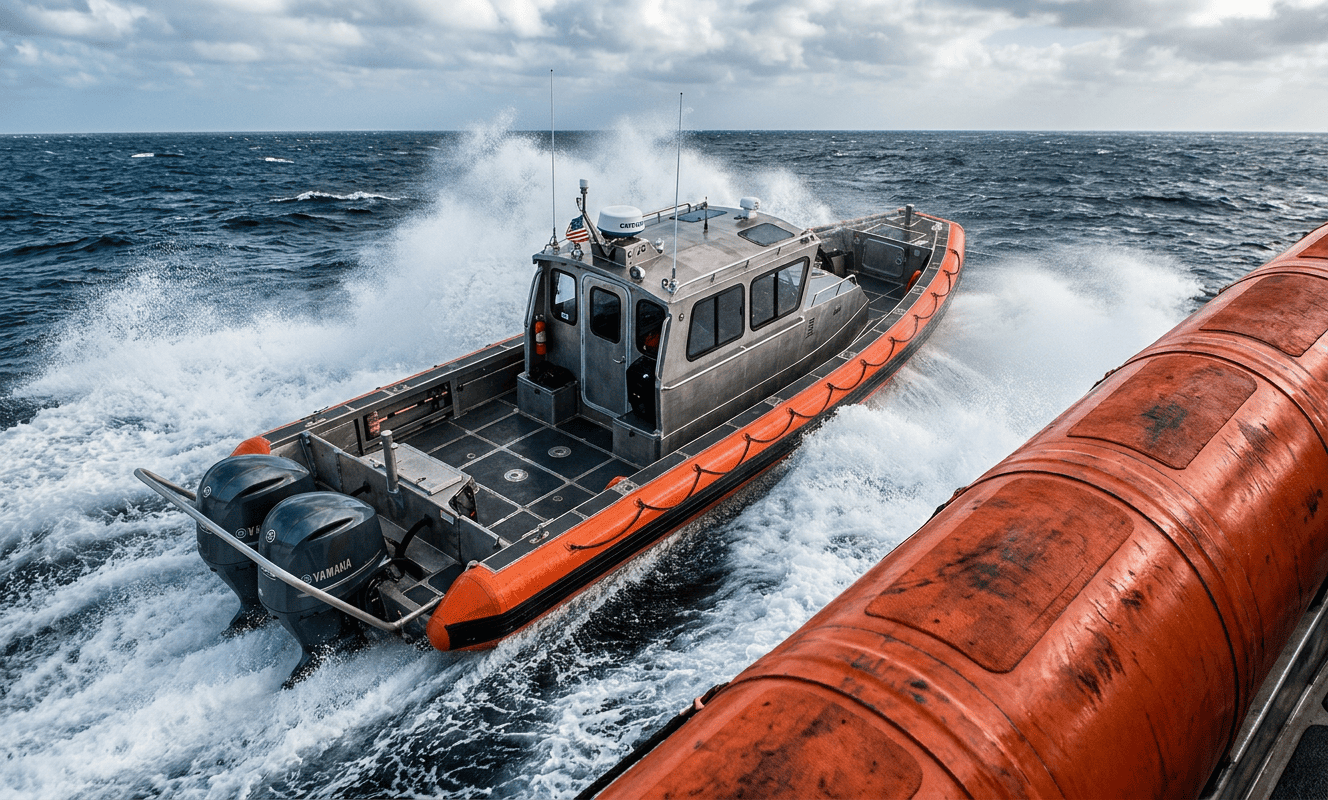
Let's dive into the details of why making this switch is the best investment for your fleet.
Increased stability at rest and underway?
Does your boat rock excessively when stationary or feel unstable in rough waters?
Rigid foam collars add significant buoyancy and dampen roll, providing a stable platform both at rest and while moving.
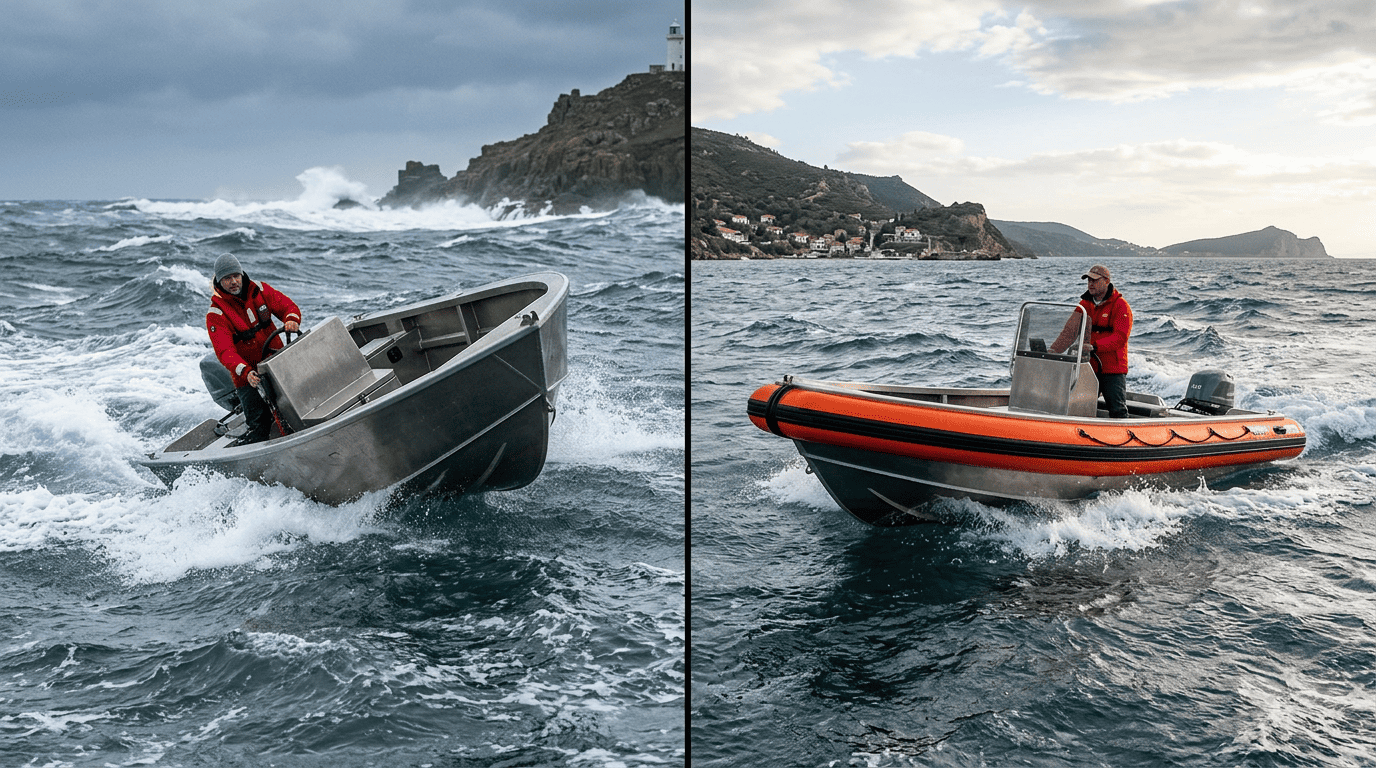
The Science of Stability
When I first started working with marine fenders3, I quickly realized that stability is not just about comfort; it is about safety. A stable boat allows your crew to work more efficiently and reduces fatigue. Foam collars contribute to this in two main ways:
- Static Stability: The foam collar acts like a massive sponson. When the boat is at rest, the collar sits in the water, providing immediate resistance to rolling.
- Dynamic Stability: Underway, the collar provides lift and dampens the impact of waves.
Here is a quick comparison of how foam collars improve stability compared to traditional tubes:
| Feature | Inflatable Tube | Rigid Foam Collar |
|---|---|---|
| Buoyancy Source | Air Pressure | Closed-cell Foam Core |
| Roll Dampening | Moderate | High |
| Weight Distribution | Light (can be too lively) | Solid (adds beneficial weight) |
By upgrading, you are essentially widening the beam of your boat without changing the hull, giving you a much more planted feel on the water.
Permanent fendering: Never deploy boat fenders again?
Hate the hassle of constantly deploying and stowing fenders every time you dock?
Foam collars act as a permanent bumper system, eliminating the need for additional fenders and saving valuable crew time.
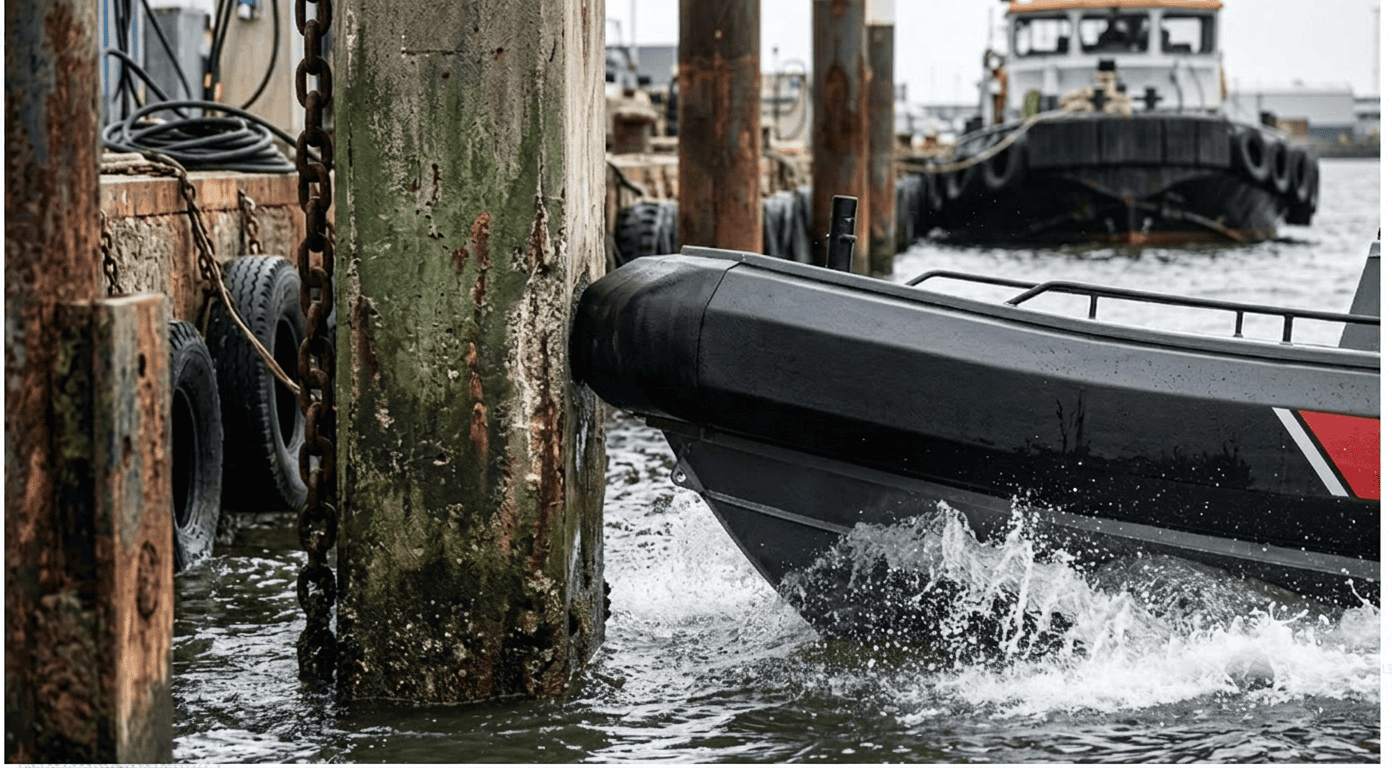
Efficiency in Operations
In my trading business, time is money. The same applies to marine operations. Every minute your crew spends tying knots and adjusting fenders is a minute they are not focused on the mission.
With a rigid foam collar1, the entire side of your boat is the fender. This is a game-changer for:
- Pilot Boats: Coming alongside large vessels requires constant protection.
- Patrol Boats: Boarding operations can happen quickly and unpredictably.
- Workboats: Pushing and maneuvering in tight spaces becomes stress-free.
You can pull up to a pier, another boat, or a piling without hesitation. The collar is always there, always ready. It simplifies your deck operations and declutters your storage lockers, as you no longer need to carry a boatload of portable fenders.
Spray deflection for a drier ride?
Do you and your passengers get soaked every time you hit a wave?
The unique profile of foam collars deflects spray away from the cockpit, ensuring a drier and more comfortable journey.
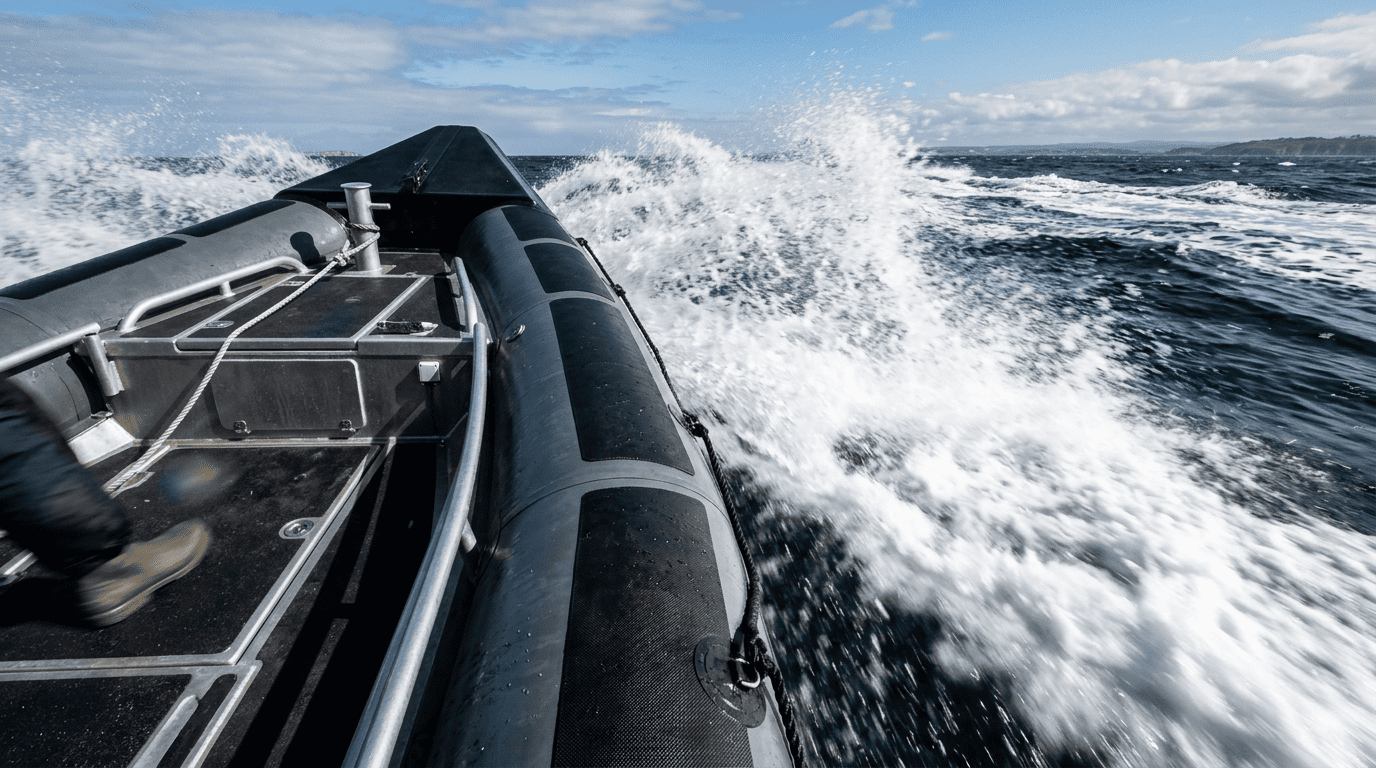
Design That Keeps You Dry
Nobody likes getting wet, especially in cold weather. Standard round inflatable tubes often let spray curl up and blow back into the boat. Foam collars, however, can be custom-shaped with a "reverse chine" profile.
How It Works
- Deflection Angle: The bottom edge of the collar is designed to catch the spray generated by the hull.
- Outward Throw: Instead of letting the water come up, the collar forces it down and out, away from the vessel.
This simple design feature makes a massive difference in crew comfort. A dry crew is a happy crew, and a happy crew is more alert and effective. When I advise clients on retrofits, this is often the "hidden benefit" they appreciate the most after the first sea trial.
Enhanced hull protection4 during docking?
Worried about scratching your hull against rough piers or other vessels?
The impact-absorbing core and tough polyurea skin protect your hull from damage during even the hardest landings.
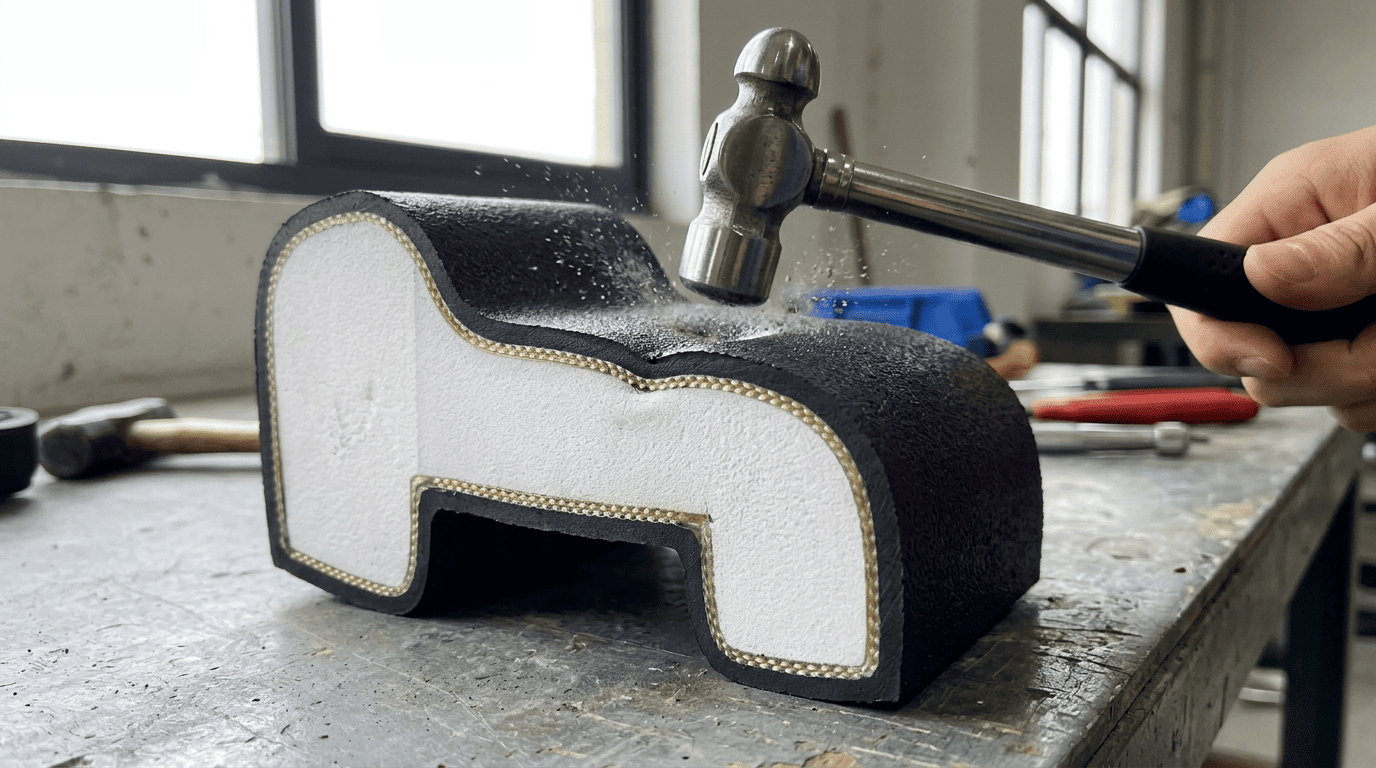
The Ultimate Shield
Docking can be tricky, especially in strong currents or wind. Mistakes happen. But with a foam collar, a mistake doesn't mean a trip to the repair shop.
The construction of these collars is key:
- Energy Absorption: The closed-cell PE foam core compresses to absorb the energy of the impact, spreading the load over a large area of the hull.
- Abrasion Resistance: The outer skin is typically made of reinforced polyurea. This stuff is incredibly tough. I often call it "bulletproof coating" because you really have to try hard to damage it.
This protection extends the life of your hull and reduces your maintenance costs. You are not just buying a collar; you are buying insurance for your boat's structure.
Zero risk of deflation or punctures?
Does the thought of a tube failure in the middle of a mission keep you up at night?
Unlike inflatable tubes, closed-cell foam cannot deflate, guaranteeing buoyancy even if the outer skin is compromised.
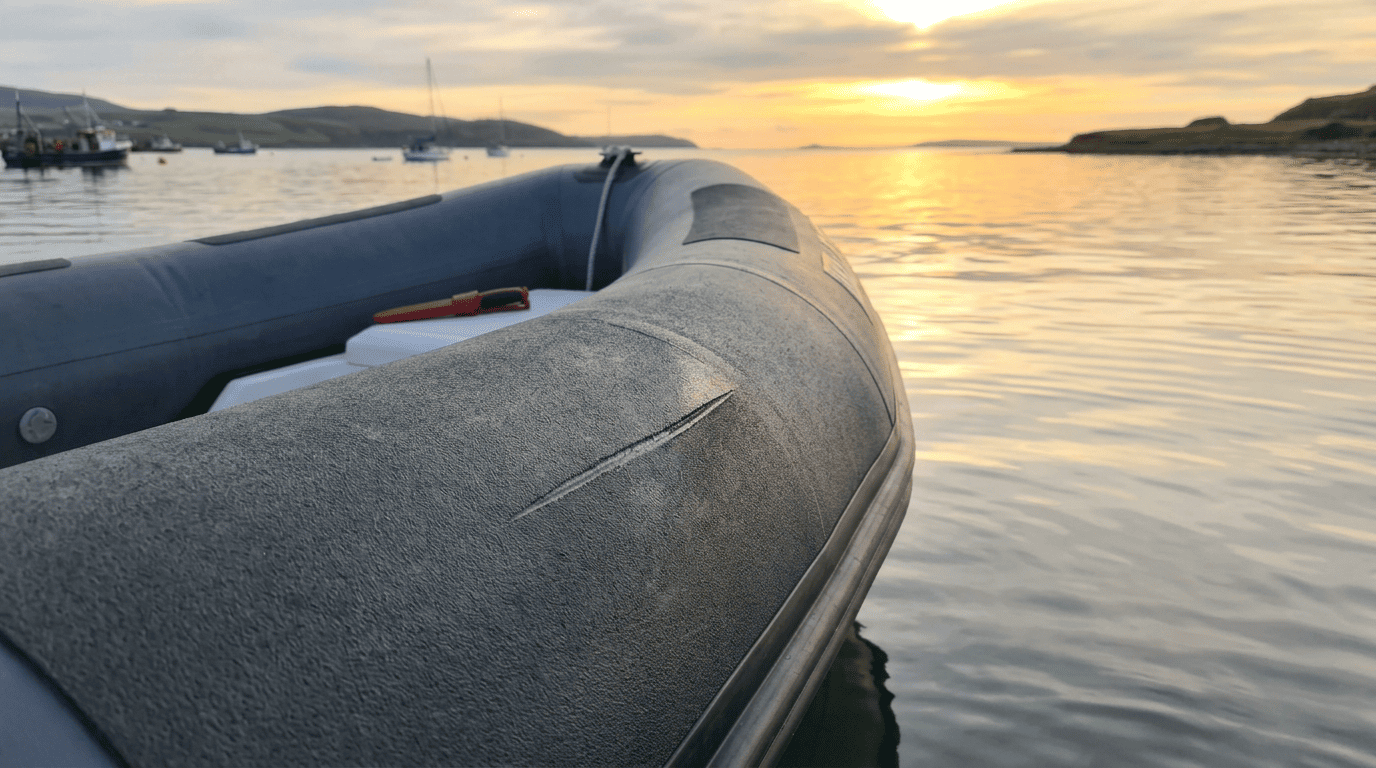
Peace of Mind
This is my biggest insight for you. Installing a foam collar gives you peace of mind. You do not have to worry about minor collisions or sharp objects on the dock.
With an inflatable tube, a sharp nail or a hard hit can end your day. You lose buoyancy, stability, and safety instantly. But with a foam collar? Even if you somehow manage to tear the outer skin—which is very difficult—the foam inside will not absorb water and will not lose its shape.
Why It Matters
- Mission Critical: For rescue or patrol boats, you cannot afford downtime.
- Safety First: Even with major damage, the boat remains afloat and operational.
You can finish your job and deal with the repair later. That reliability is priceless.
Improved resale value of your vessel?
Want to ensure your investment holds its value over the long term?
Vessels equipped with durable foam collars are highly sought after, maintaining their value better than those with degradable rubber tubes.

A Smart Investment
Boats are depreciating assets, but some upgrades can slow that slide. Inflatable tubes have a finite lifespan. UV rays, heat, and salt degrade the rubber or PVC over time. After 5-10 years, they often need replacement, which is a huge expense for a buyer.
Foam collars, on the other hand, last much longer. They are not prone to the same degradation.
- Buyer Perception: A boat with a foam collar is seen as a "commercial grade" vessel.
- Longevity: The collar will likely outlast the engines and electronics.
When you go to sell, you are offering a boat that doesn't need an immediate, expensive tube replacement. That allows you to command a higher price and sell faster.
Customization options for aesthetics?
Do you want your fleet to stand out with a professional and unique look?
Foam collars can be customized in color, texture, and shape to match your brand or operational requirements perfectly.
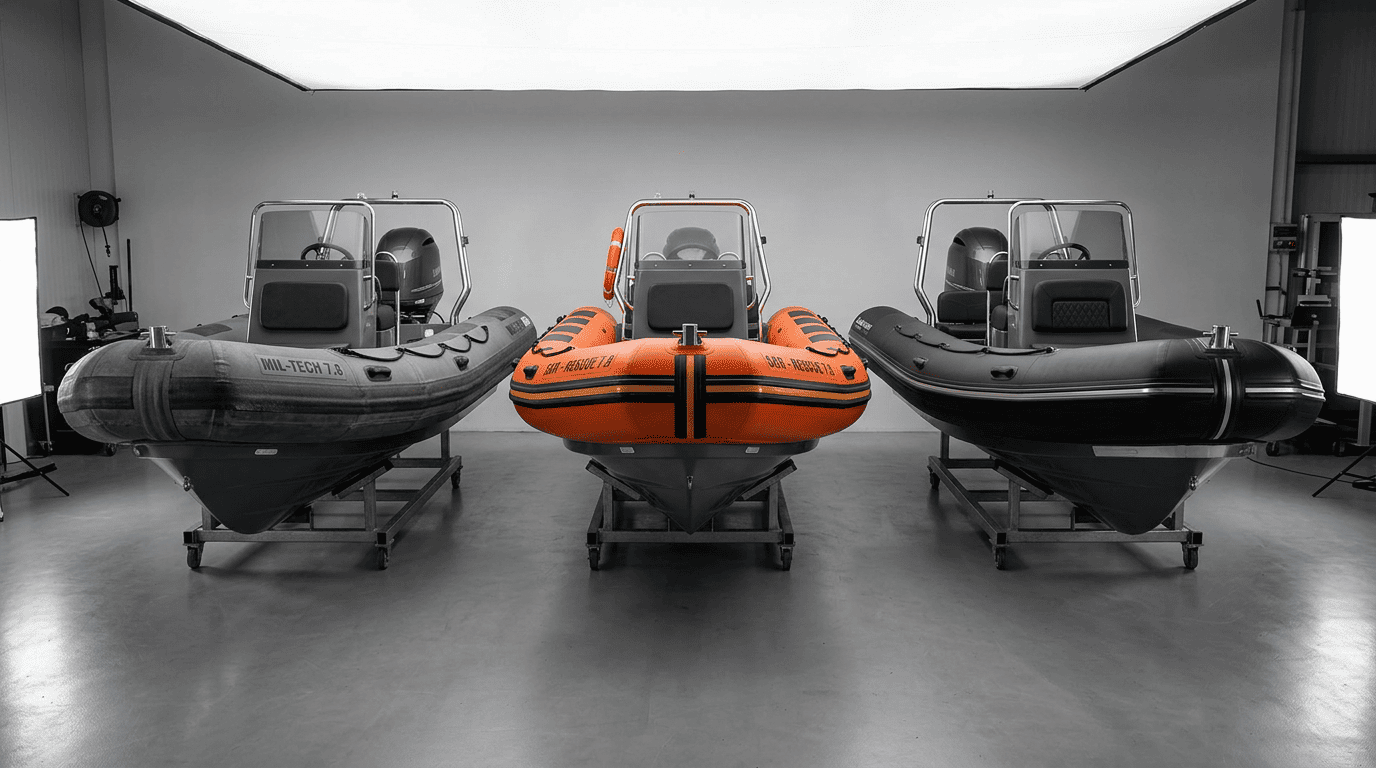
branding Your Fleet
Functionality is king, but looks matter too. Whether you are running a tour boat company or a police fleet, you want your vessels to look professional.
Because foam collars are manufactured using a spraying process for the skin, we have a lot of freedom:
| Option | Possibilities |
|---|---|
| Color | Any RAL color to match your logo or livery. |
| Texture | Smooth for a sleek look or rough for non-slip stepping surfaces. |
| Shape | D-shape, round, or custom profiles to fit specific hull lines. |
I have helped clients design collars that look aggressive for military use and others that look sleek and modern for luxury tenders. You are not stuck with "standard grey." You can make it yours.
Low Maintenance Requirements?
Tired of checking air pressure and patching leaks every week?
Foam collars require virtually no maintenance, freeing up your team to focus on operations rather than upkeep.
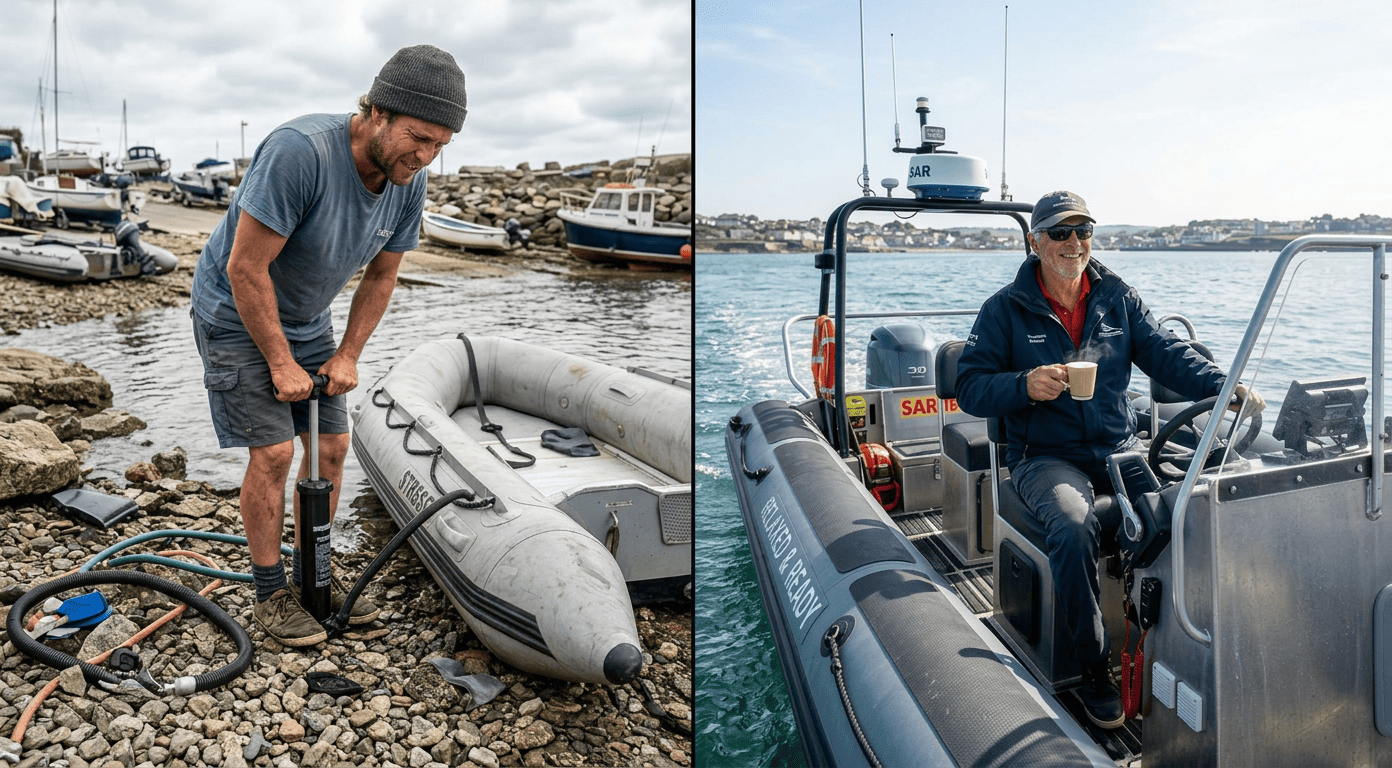
Set It and Forget It
If you have owned a RIB (Rigid Inflatable Boat), you know the drill. Temperature drops? Pump up the tubes. Sun comes out? Let some air out. It is a constant chore.
Foam collars eliminate this entirely.
- No Valves: There are no valves to leak or break.
- No Pumps: You can leave the air pump at home.
- No Pressure Checks: The "pressure" is always perfect.
This might seem like a small thing, but over the life of the boat, it saves hundreds of man-hours. Your crew can just jump in and go. For a business owner like you, Tommy, this means lower operating costs and less hassle for your team.
Increased Internal Deck Space?
Do you need more room on deck for equipment or personnel?
The D-shape profile of foam collars sits outside the hull, maximizing usable internal deck width compared to round inflatable tubes.
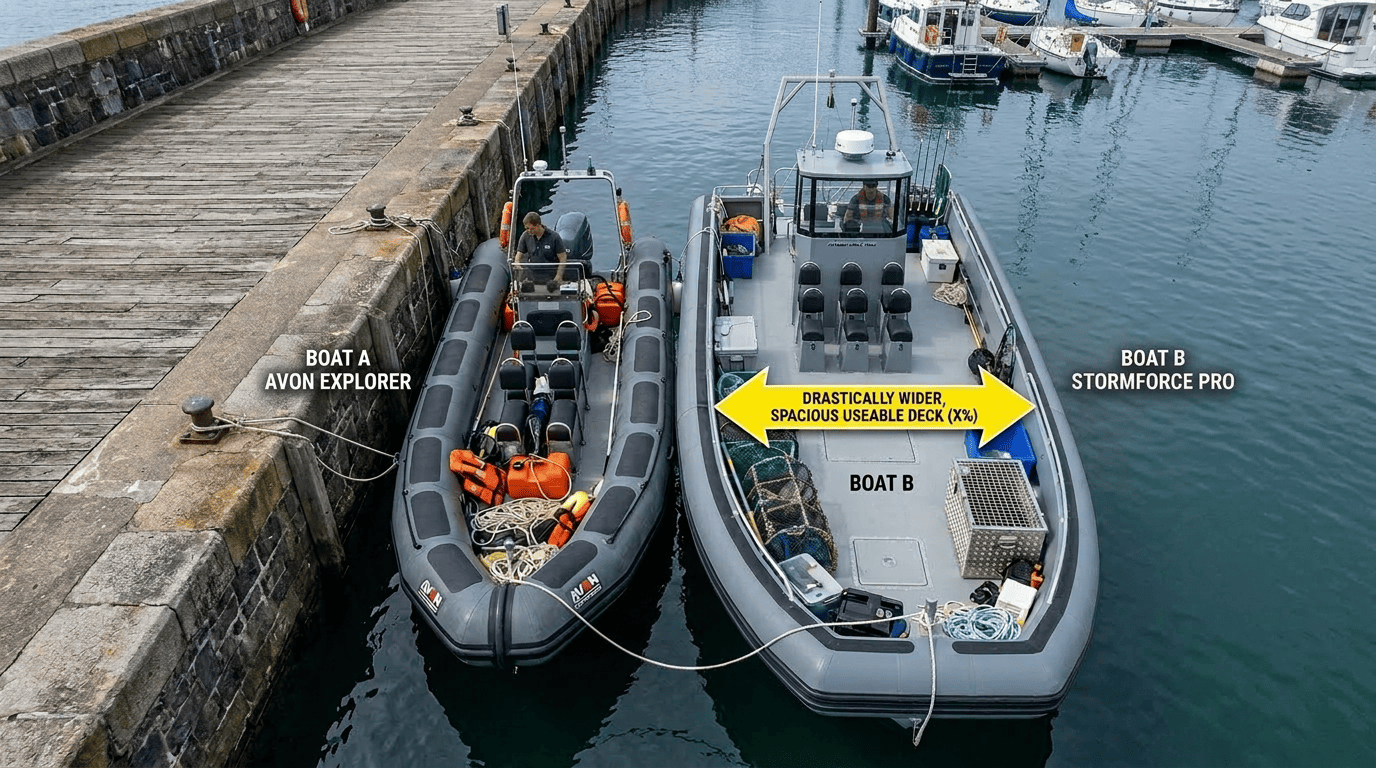
Gaining Precious Inches
Space on a boat is always at a premium. Traditional round tubes encroach significantly on the interior deck space. A 3-meter wide boat might only have 1.8 meters of usable internal width because of the tubes.
The D-Shape Advantage
Foam collars are typically "D" shaped. The flat side rests against the hull, and the curved side faces out.
- External Mounting: We can mount the collar primarily on the outside of the gunwale.
- Vertical Profile: The inside face can be vertical, giving you wall-to-wall deck space.
On a medium-sized workboat, gaining 20-30cm of internal width is huge. It allows for wider consoles, more seating, or just easier movement around the deck for your crew.
Noise and Vibration Dampening?
Is the noise and vibration on your boat causing fatigue for your crew?
The dense foam core absorbs engine vibration and wave impact noise, creating a quieter and smoother ride.
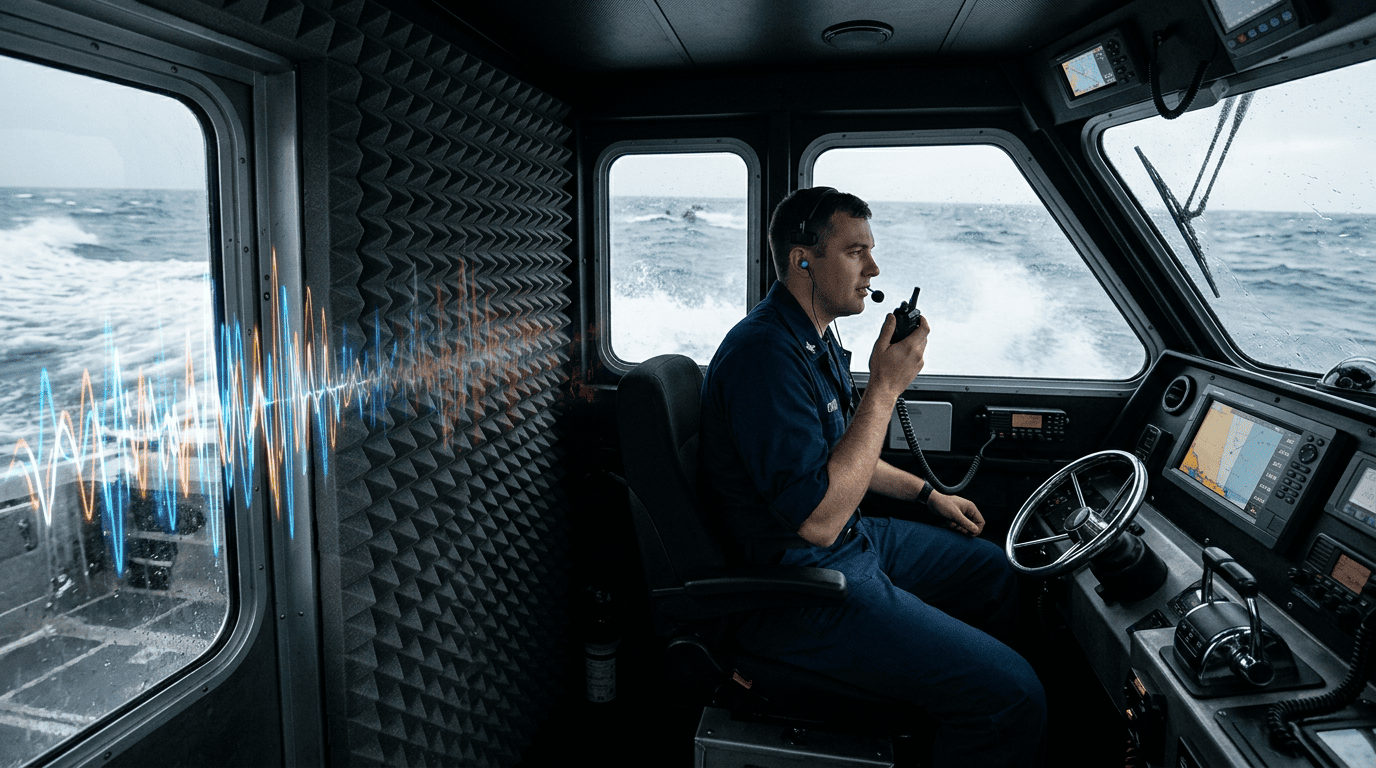
A Silent Partner
We often focus on the physical protection, but the acoustic benefits are real. A hollow inflatable tube can sometimes act like a drum, amplifying the sound of water slapping against the hull.
A solid foam core does the opposite. It is a damper.
- Hull Vibration: It absorbs the high-frequency vibrations from the hull.
- Wave Impact: It dulls the "thud" of hitting waves.
The result is a boat that feels more solid and sounds quieter. For long shifts on the water, this reduction in sensory load makes a big difference in comfort. It is a subtle upgrade that you feel every time you throttle up.
Conclusion
Upgrading to a foam collar is a smart move for safety, efficiency, and long-term value.
Explore the advantages of rigid foam collars for enhanced durability and safety in marine operations. ↩
Find out how permanent fendering systems can simplify docking and enhance safety. ↩
Explore the different types of marine fenders and their applications in boating. ↩
Learn about effective hull protection strategies to prevent damage during docking. ↩