Are you relying on traditional air-filled tubes that could burst when you need them most?
Boat foam collars1 are revolutionizing marine safety by replacing vulnerable air tubes with solid, closed-cell foam2 cores that cannot deflate. This innovation provides unsinkable buoyancy, superior impact absorption, and extreme durability for patrol boats, rescue vessels, and recreational craft.
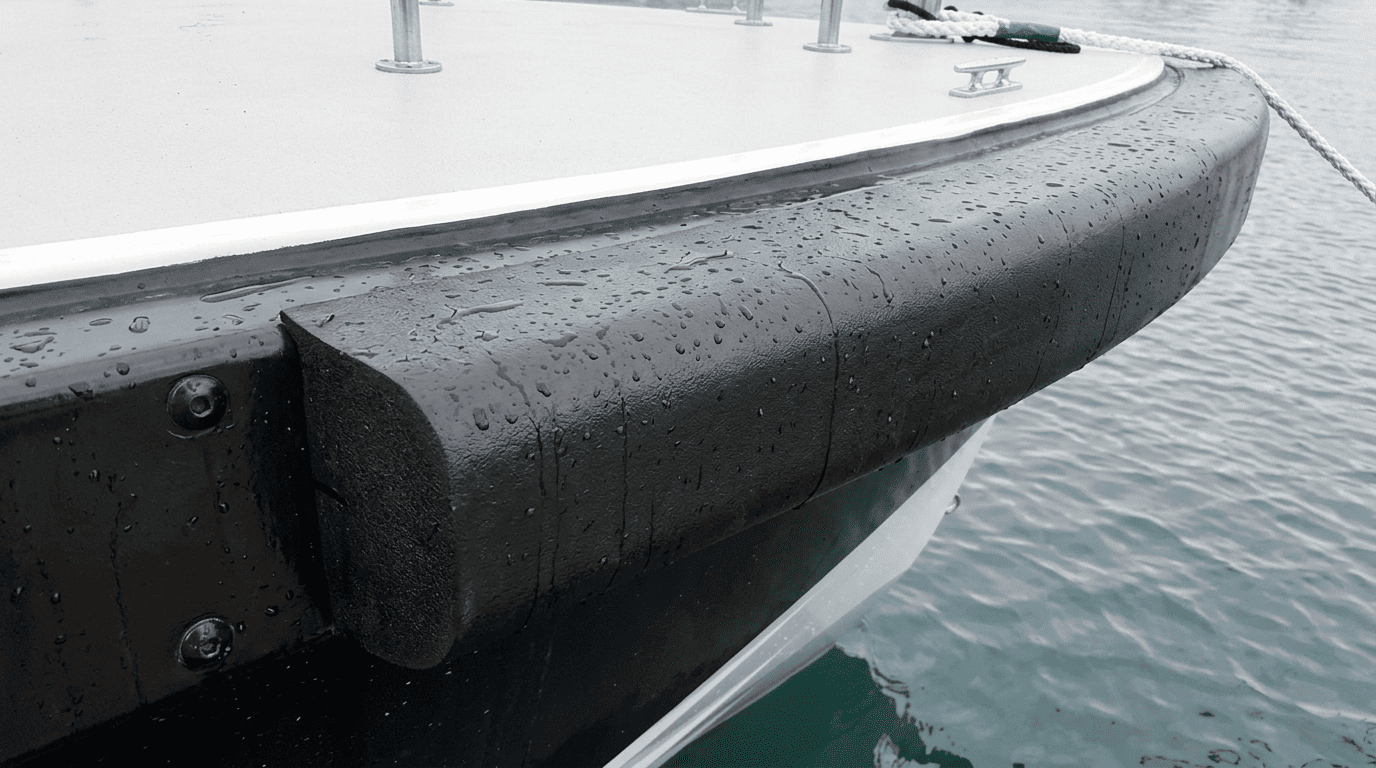
From the freezing waters of the North Sea to the humid coasts of Southeast Asia, vessel operators are constantly seeking ways to make their boats safer and more reliable. Let's explore why this shift to foam is happening.
How foam collars make boats virtually unsinkable?
Have you ever worried about a puncture leaving your vessel stranded or sinking?
Boat foam collars eliminate the risk of deflation because they are constructed from solid foam, not pressurized air.
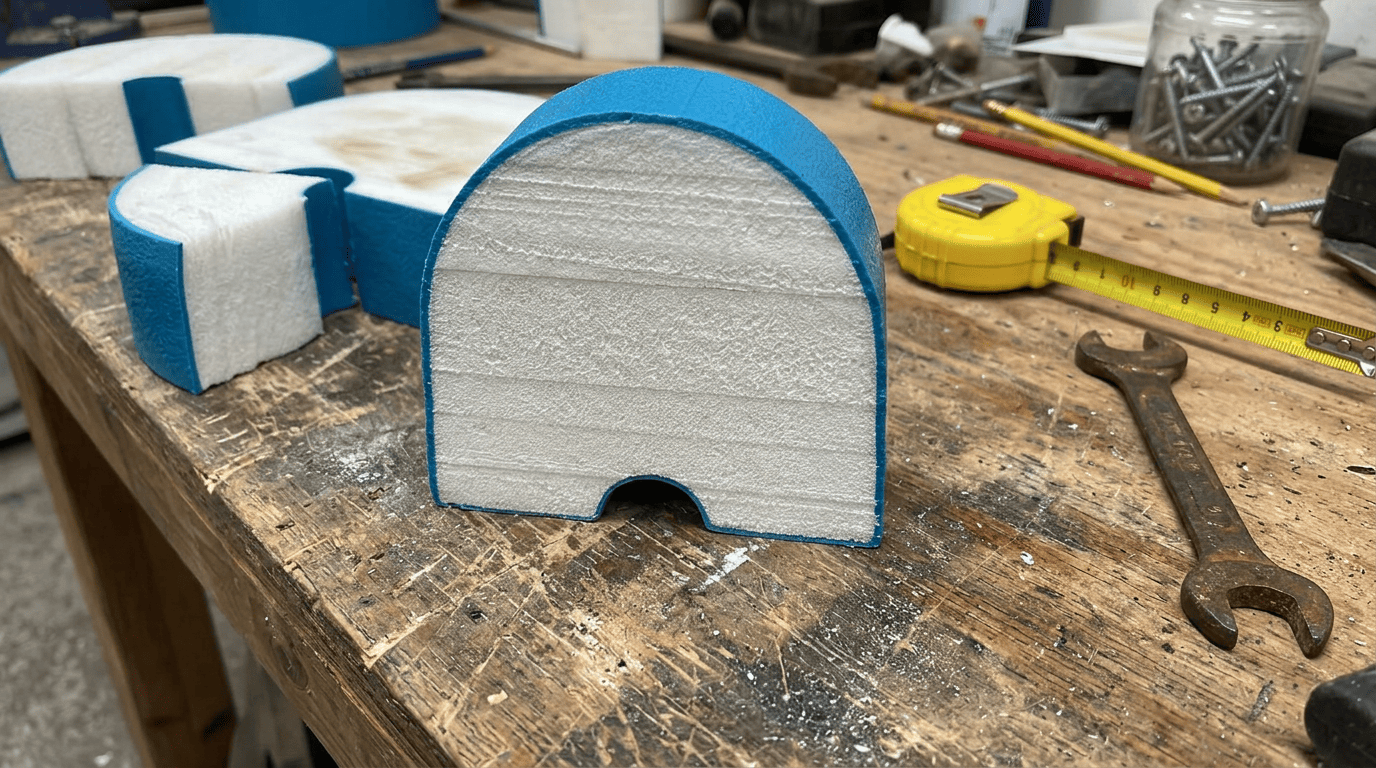
The primary advantage of foam collars is their inherent inability to lose buoyancy3. Unlike inflatable tubes that rely on air pressure, a foam collar is a solid mass of lightweight material.
In my years in the fender industry, I've seen countless inflatable fenders and tubes fail simply because of a sharp object or a heavy impact. With a foam collar, that risk effectively drops to zero. Even if the outer skin is breached—whether by a jagged rock, a collision with another vessel, or even a bullet in military applications—the collar remains buoyant. This "unsinkable" nature changes the game for mission-critical vessels. You can literally cut a chunk out of it, and it will still float. For boat builders and operators, this means a level of reliability that air-filled systems simply cannot match. It transforms the safety profile of the vessel, ensuring that even in the worst-case scenario, the boat retains its positive buoyancy.
The role of closed-cell foam in emergency buoyancy?
What happens when the outer skin of your boat's collar gets ripped open?
Closed-cell foam ensures that even with severe damage, the collar refuses to absorb water or sink.

The secret lies in the microscopic structure of the foam itself. We use closed-cell foam, specifically materials like EVA (Ethylene-Vinyl Acetate) foam, because each tiny cell is sealed off from its neighbors.
I always explain it this way to my clients: imagine millions of tiny, waterproof bubbles packed tightly together. Even if you slice through the collar, water can only touch the surface of the cut; it cannot penetrate the material. This is a critical distinction from open-cell foams (like a kitchen sponge) which would soak up water and drag the boat down. In an emergency, this characteristic is a lifesaver. I recall discussing this with a boat builder who was skeptical until he saw a test where a damaged collar sat in water for weeks without gaining significant weight. This material property guarantees that the collar continues to provide emergency buoyancy exactly when you need it most, keeping the vessel afloat and stable even after sustaining major structural damage.
Impact absorption: Protecting passengers during collisions?
How much force is transferred to your crew when docking hard or hitting a wave?
Foam collars absorb and dissipate impact energy significantly better than air tubes, reducing shock to the hull and passengers.
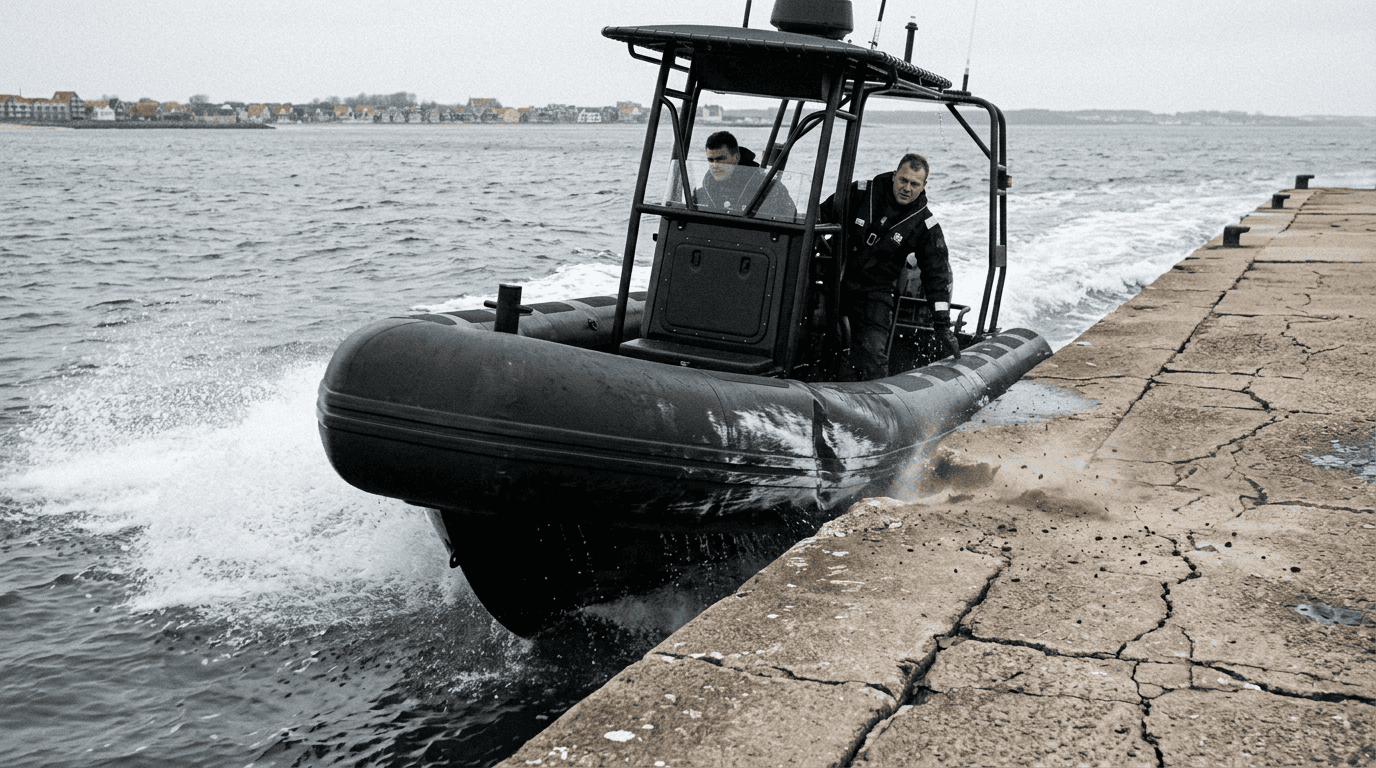
When a boat hits a dock or another vessel, that energy has to go somewhere. Air tubes tend to be bouncy—they compress and then spring back, potentially throwing passengers off balance. Foam behaves differently.
It dampens the energy. The EVA foam core acts like a shock absorber, compressing to take the hit and then recovering, but without that violent rebound. This is crucial for protecting not just the boat's hull, but the people inside. I've found that this energy absorption is particularly valuable for workboats and patrol vessels that engage in boarding operations or hard docking. The foam cushions the blow, reducing fatigue and injury risk for the crew. It’s a passive safety system that works every time you come alongside, making the entire operation smoother and safer. By managing these impact forces, foam collars extend the lifespan of the hull and protect the valuable human cargo on board.
Why the USCG and commercial fleets prefer foam over air?
Why are professional mariners switching away from the inflatable tubes they used for decades?
The US Coast Guard and commercial fleets prefer foam fender for its "bulletproof" durability and low maintenance requirements.
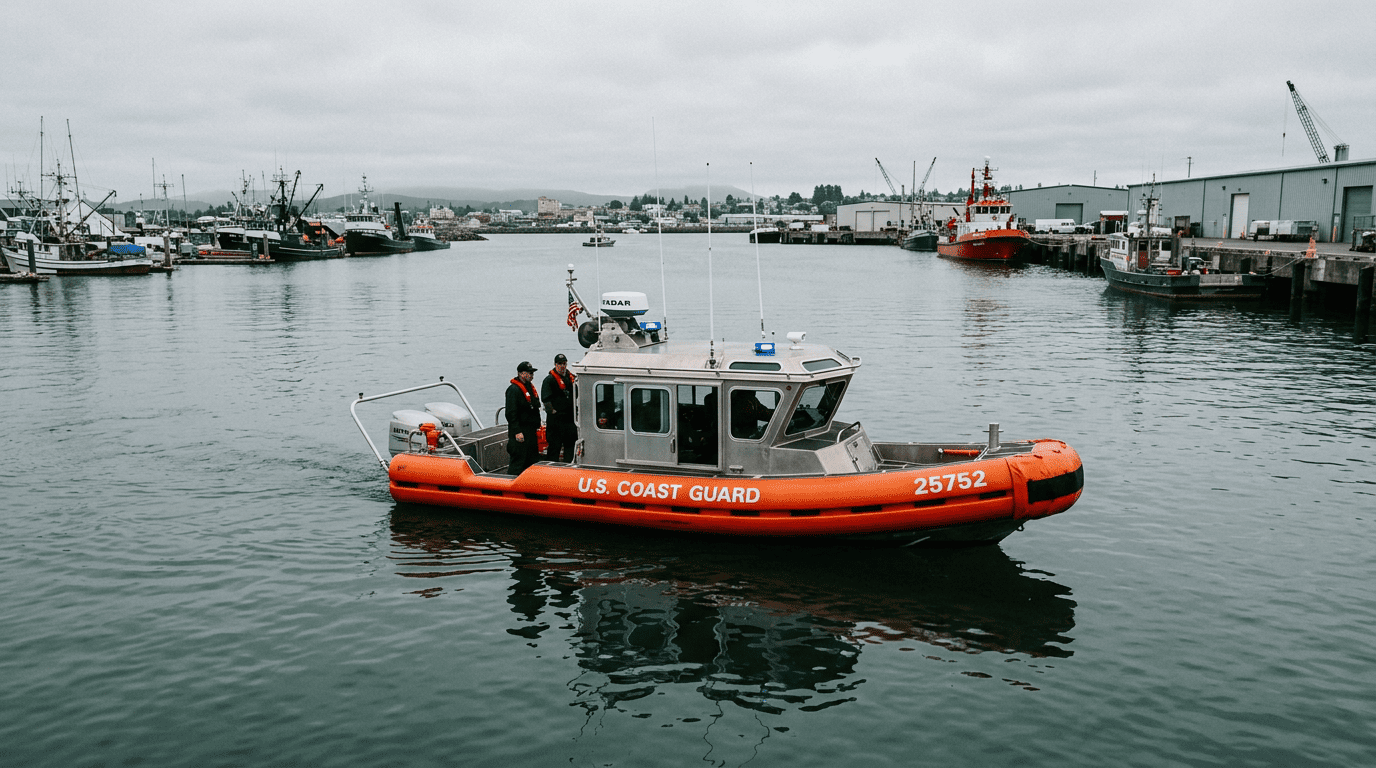
The preference for foam in professional fleets comes down to one word: readiness. Inflatables require constant pressure checks, patch kits, and worry. Foam requires almost none of that.
This durability is largely due to the coating technology we use. We apply a SPUA (Spray Polyurea) coating4, which is often referred to as "bulletproof coating" in the automotive industry. Even if this layer is only a few millimeters thick, when combined with a nylon mesh reinforcement layer, the polyurea provides incredibly high strength. It creates a tough, abrasion-resistant skin over the lightweight EVA foam core. I've seen workboats grind against concrete pilings day after day; an inflatable tube would be shredded, but the SPUA-coated foam collar just takes the abuse. For fleets like the USCG, this means their boats are always ready to launch. They don't have to worry about a "soft" tube compromising a rescue mission. The combination of the light, buoyant foam and the tough, durable skin makes it the logical choice for anyone who treats their boat as a tool rather than a toy.
Stability benefits in capsize situations?
Can a fender system actually help prevent a boat from rolling over completely?
Foam collars provide massive reserve buoyancy high on the gunwales, resisting capsize and helping vessels self-right.
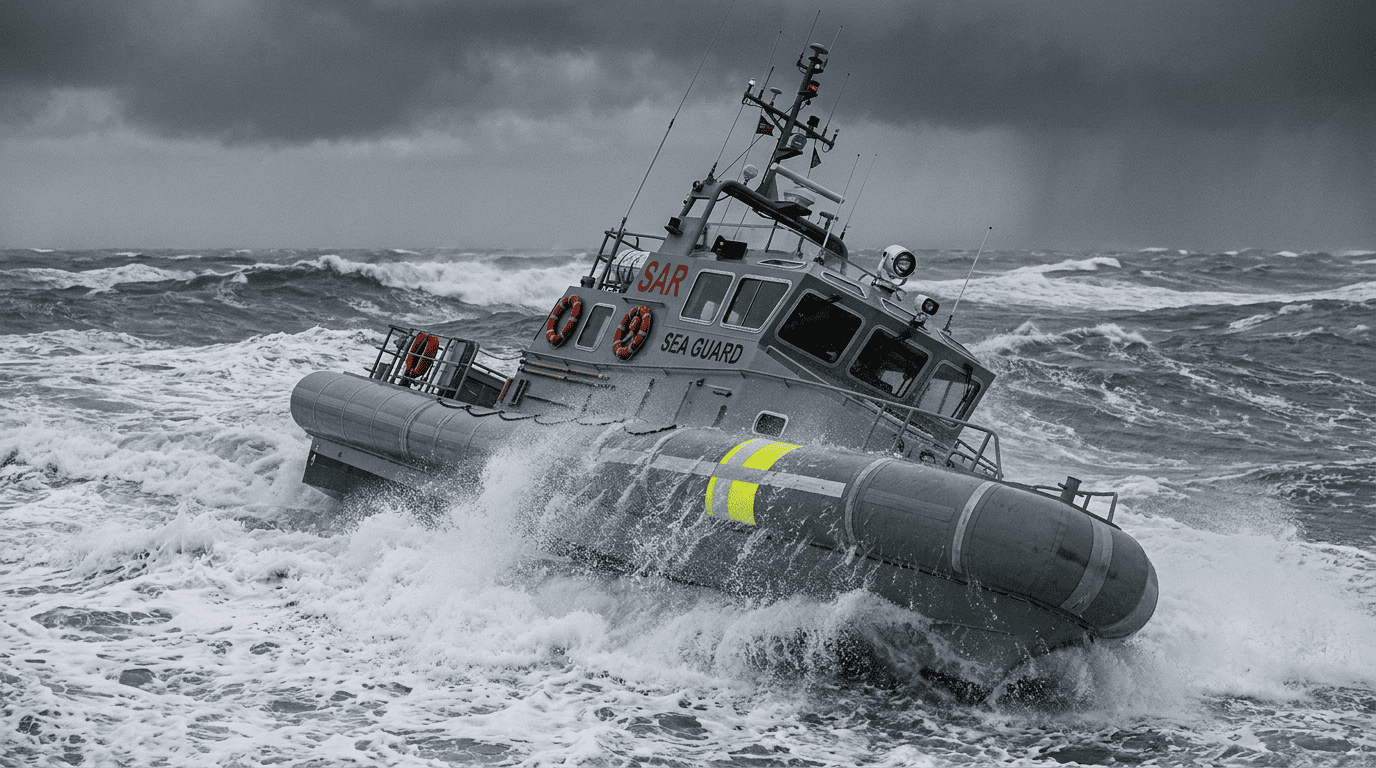
Stability isn't just about the hull shape; it's about where your buoyancy is located. Foam collars add a significant volume of buoyant material right at the rail of the boat.
In a capsize situation, or when a boat takes a heavy roll, that collar hits the water and immediately fights back. It pushes up, resisting the roll. Because the foam is solid and won't deform or displace like a bladder might, that righting moment is consistent and powerful. I've analyzed stability curves for retrofitted boats, and the difference a foam collar makes is stark. It acts like training wheels for the boat, providing a wide, stable platform. In extreme sea states, this can be the difference between a scary roll and a catastrophic capsize. It gives the operator confidence that the vessel will forgive errors and handle rough conditions, keeping the crew safe even when the ocean is doing its best to turn them over.
Conclusion
Switching to foam collars is an investment in peace of mind, offering unmatched durability, safety, and performance for any serious vessel. If you are looking to upgrade your vessel's protection or have questions about how foam technology can fit your specific hull, feel free to reach out to us at Jettyguard.
Discover how boat foam collars enhance marine safety and reliability, making them a game-changer for vessel operators. ↩
Understand the benefits of closed-cell foam and its role in ensuring vessel buoyancy and safety. ↩
Learn about buoyancy and its critical importance in ensuring the safety and stability of boats. ↩
Explore this resource to understand the benefits of SPUA coating in enhancing durability and performance in marine safety equipment. ↩