Traditional fenders are a hassle to manage and often fail when you need them most. Don't risk hull damage. Upgrade to a permanent, reliable foam collar solution today.
Foam collars offer superior protection compared to hanging fenders or inflatable tubes1. They are easier to install yourself with simple instructions, whereas inflatables often require professional help. If your current fenders are worn or you're starting a new build, Jettyguard foam collars2 provide the ultimate durability.
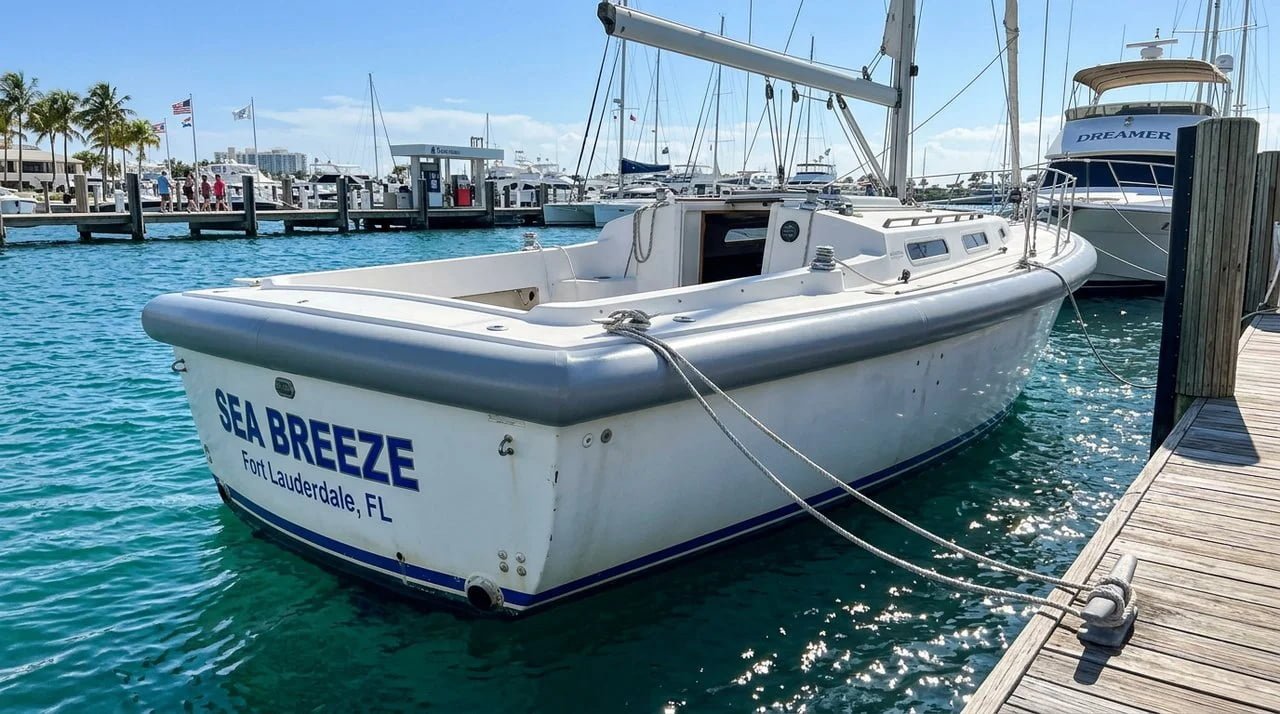
I’ve seen countless boaters struggle with outdated docking gear. Here are five clear signs that your vessel is ready for a professional-grade foam collar upgrade.
Tired of constantly deploying and stowing hanging fenders3?
Fiddling with lines every time you dock is exhausting and time-consuming. It ruins the relaxation of boating. Eliminate the chore with a fixed foam collar system.
Hanging fenders are a manual burden. A foam collar is permanently attached to your hull, providing 24/7 protection without the need for constant deployment, adjustment, or storage when you're underway.
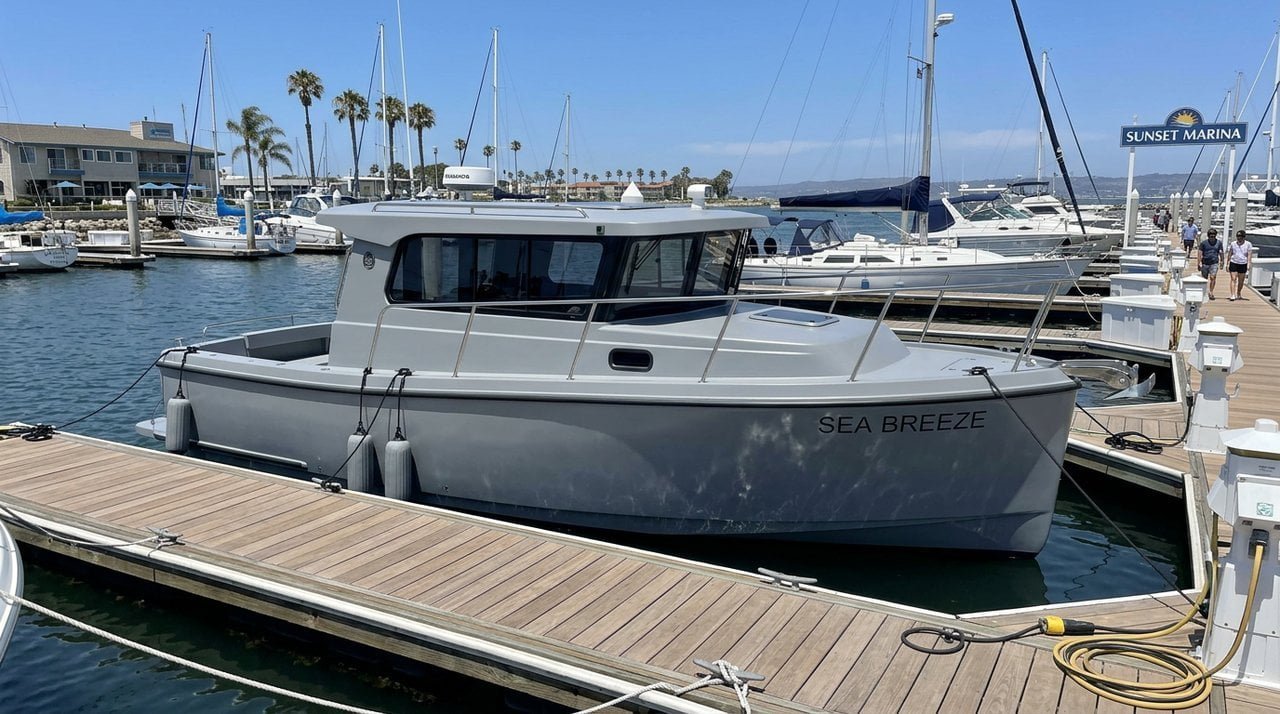
I often talk to owners who are fed up with the "fender dance" every time they approach a pier. It’s not just about the effort; it’s about safety. When you’re focused on tying off fenders, you aren’t focused on the helm.
Foam collars change the game by being part of the boat's structure. You get a clean look and immediate peace of mind. Whether you are docking in high winds or a crowded marina, the protection is already there, waiting to absorb the impact.
Frequent docking damage or "fender rash" on your hull
Traditional fenders often shift, leaving your gelcoat exposed to abrasive docks. This "fender rash4" destroys your boat's value. Stop the damage with a stable, high-coverage foam collar.
Unlike swinging fenders that move and trap grit against your hull, foam collars are fixed. They provide a continuous cushion that doesn't slide, preventing the scratches and scuffs common with old-school equipment.
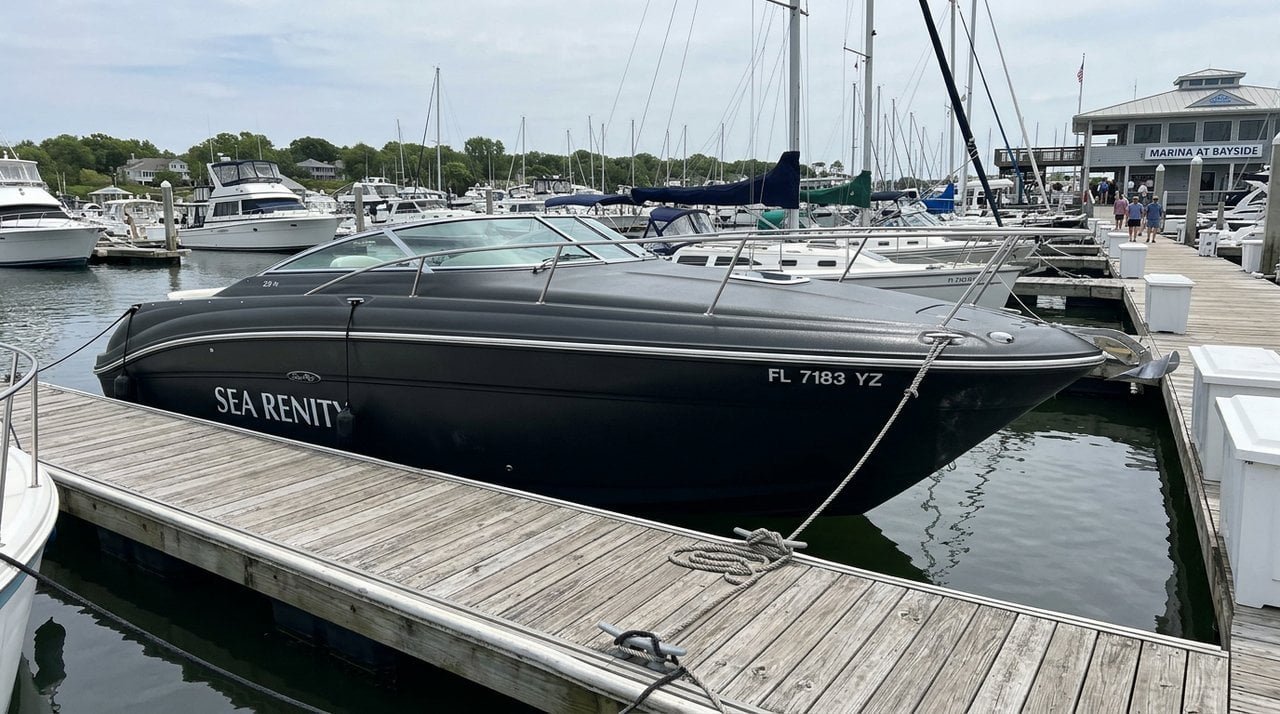
I've repaired enough hulls to know that traditional fenders are often the culprit behind unsightly scuffs. They act like sandpaper when salt and grit get trapped between the fender and the fiberglass.
Jettyguard foam collars use high-density materials5 that stay put. They distribute the load across a much larger surface area than a single point-of-contact fender. This means even if you come in a bit hot, the collar absorbs the energy without marring the finish.
Existing inflatable tubes are leaking or require professional repair
Leaking inflatable tubes are a safety hazard and a maintenance nightmare. Professional repairs are expensive and slow. Switch to foam collars for a DIY-friendly, puncture-proof alternative.
Inflatable tubes are prone to punctures and require specialized technicians for installation and repair. Foam collars are far simpler; you can install them yourself following our manual, saving time and money.
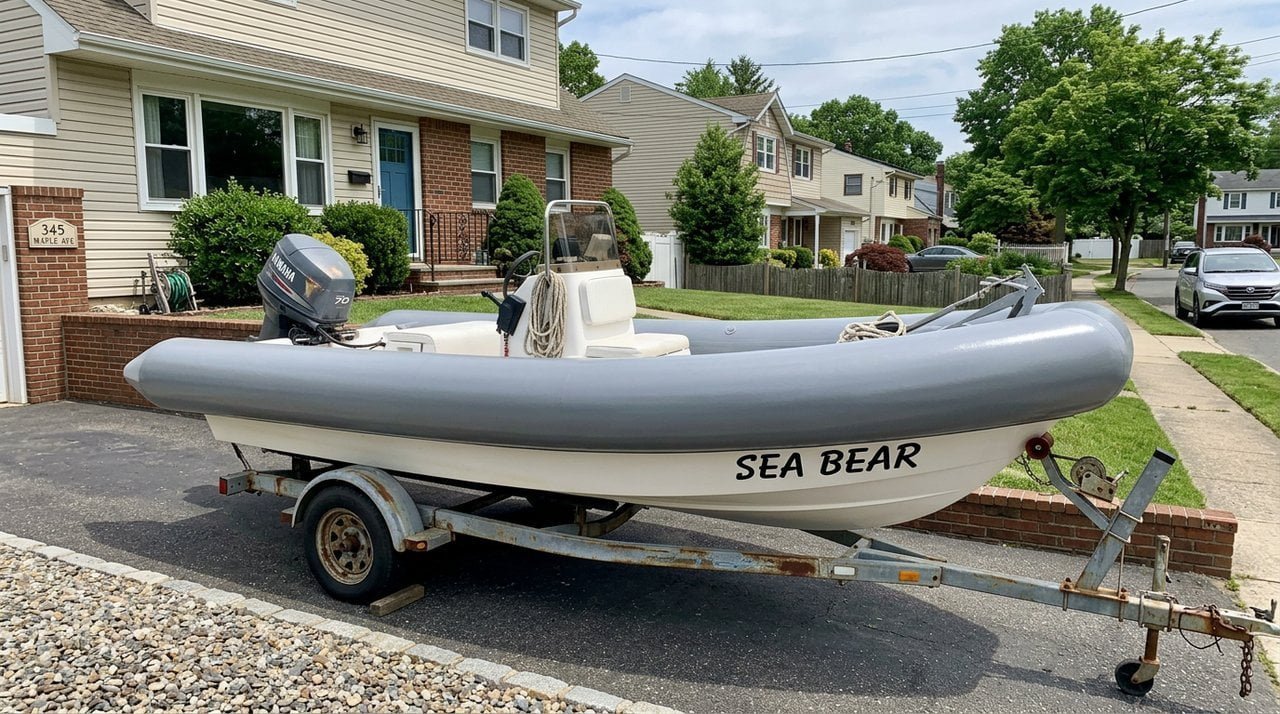
One of the biggest complaints I hear about RIBs is the fragility of the tubes. If you get a puncture, your day is over. Worse, if you need to replace them, you’re looking at high labor costs for professional heat-welding.
Our foam collars are a "set it and forget it" solution. Because they aren't air-dependent, they can't go flat. The installation process is designed for the boat owner. We provide the instructions, and you can complete the upgrade in your own slip without hiring a pro.
Starting a new boat project and need reliable fendering
Designing a new vessel with subpar fendering leads to early wear and buyer's remorse. Don't compromise on your investment. Choose foam collars during the design phase for integrated protection.
For new builds, foam collars are the superior choice. They integrate seamlessly into the design, offering better aesthetics and protection than hanging gear, while being much easier to fit than complex inflatables.
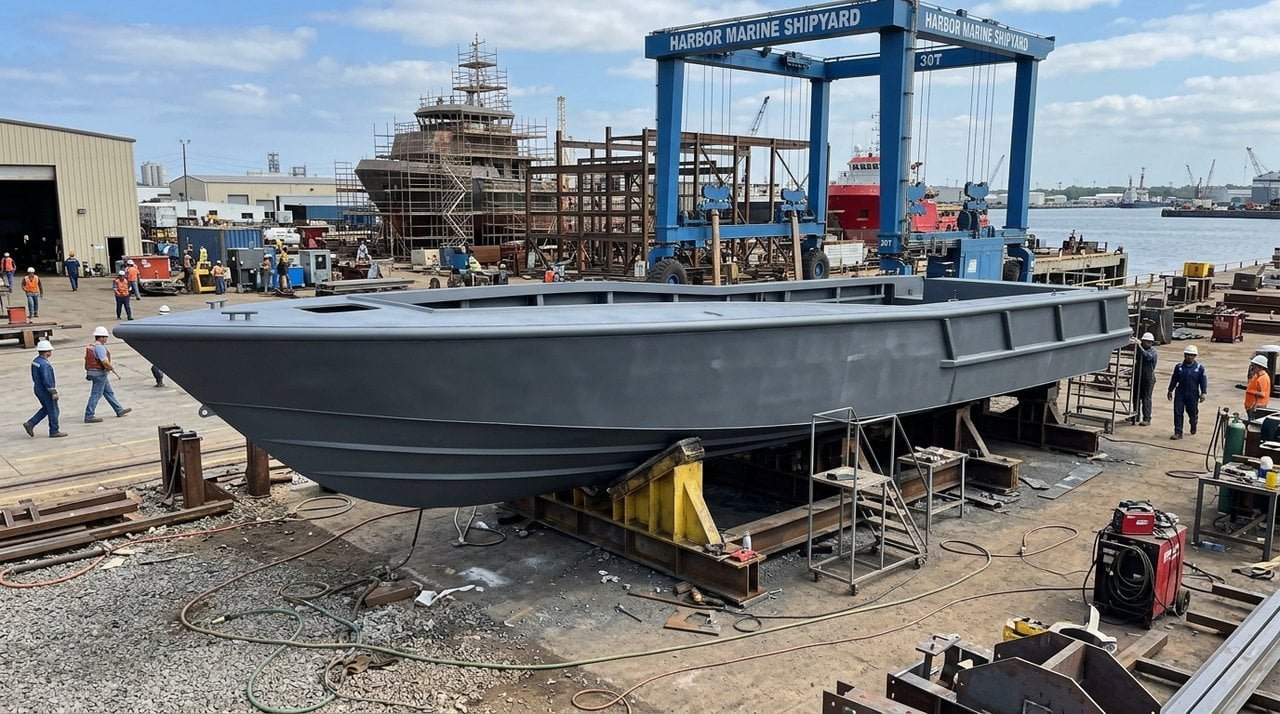
If you are in the middle of a new project, now is the perfect time to think about long-term protection. I always recommend foam collars for custom builds because they can be tailored to the specific lines of your hull.
Integrating Jettyguard at the start ensures that your boat looks professional from day one. You don't have to worry about where to store bulky fenders or how to mount cleats. It’s a cleaner, more modern approach to marine safety.
Current fenders are cracked, faded, or losing buoyancy
Old, brittle fenders look terrible and fail under pressure, risking your boat's safety. They are an eyesore and a liability. Replace them with durable, UV-resistant6 foam collars today.
When your gear starts to show its age, it's a sign of impending failure. Foam collars offer a long-lasting replacement that resists UV damage and maintains its shape and buoyancy for years.
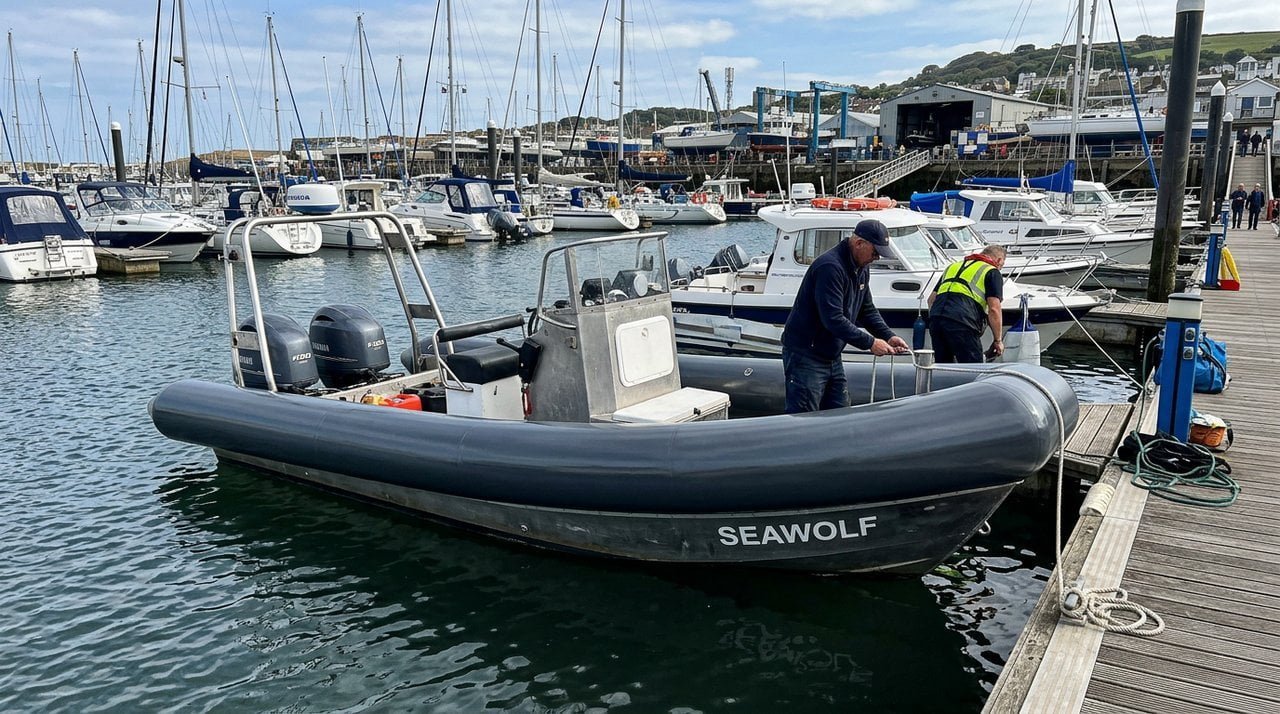
I’ve seen it happen too often: an old fender pops or compresses flat during a storm, leaving the boat to bang against the dock. Once the plastic begins to degrade from sun exposure, it's only a matter of time before it fails.
Transitioning to foam is the last fendering upgrade you’ll likely ever need. Our materials are specifically engineered for harsh marine environments. They don't get brittle in the sun or lose their shape over time. It’s a smart, one-time investment.
Conclusion
Stop struggling with outdated fenders. Whether you’re replacing worn gear or starting a new project, Jettyguard foam collars offer easy installation and permanent protection7. Upgrade your vessel today with our DIY-friendly, high-performance fendering solutions for ultimate peace of mind on the water.
Find out why inflatable tubes can be a maintenance hassle compared to foam collars. ↩
Explore the advantages of foam collars for superior boat protection and ease of use. ↩
Learn why foam collars outperform traditional hanging fenders in durability and convenience. ↩
Understand the causes of fender rash and how foam collars can help eliminate this issue. ↩
Learn about the benefits of high-density materials in providing superior boat protection. ↩
Discover the importance of UV resistance in prolonging the life of your boat fenders. ↩
Understand the long-term benefits of choosing permanent protection like foam collars. ↩