🏆 PIANC | ISO | ASTM | EN | IMO Certified

Foam-filled fender

Browse all articles in this category

What is a Commercial Foam Filled Marine Fender?

What is a Commercial Foam Filled Marine Fender?

Published: 2026-03-24 Author: Yifeng Qin

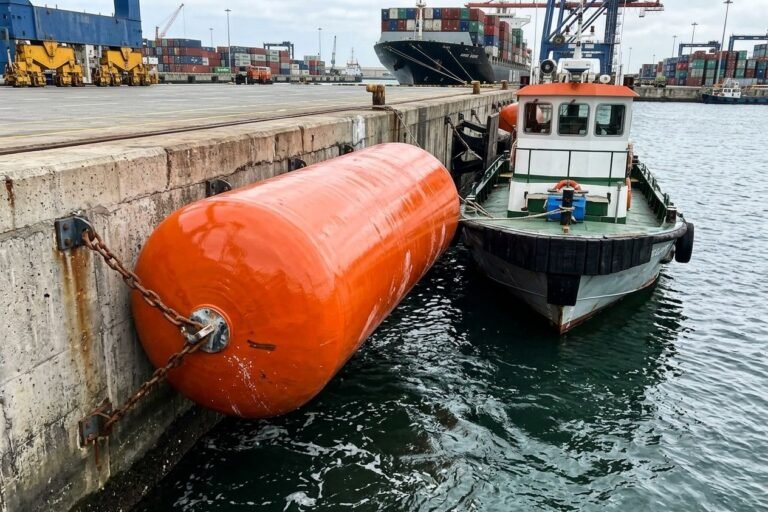
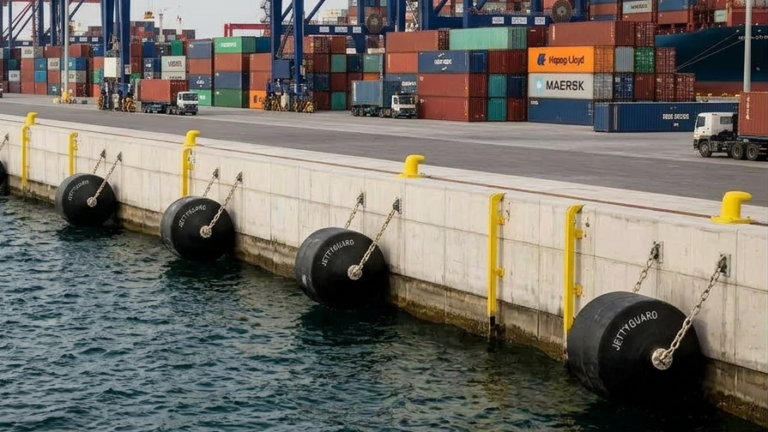
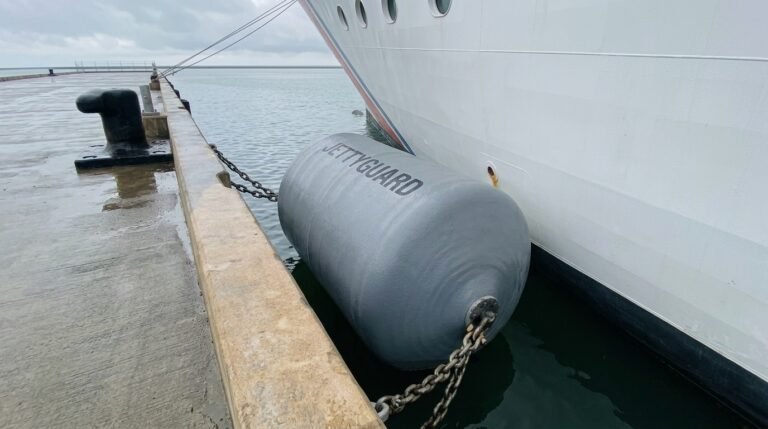
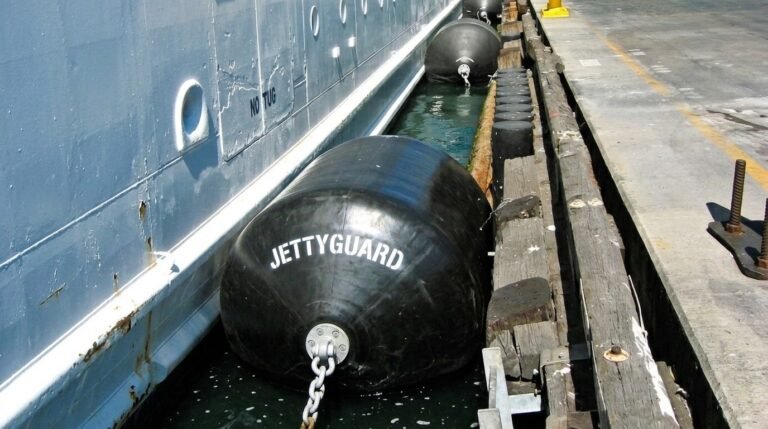
The foam filled marine fender1 represents the pinnacle of modern berth protection, combining advanced materials with high-performance engineering. These fenders utilize a closed-cell polyethylene foam core2 and a tough polyurethane skin3 to provide superior energy absorption without the risk of deflation or bursting common in traditional pneumatic systems. Modern maritime operations demand more than just […]

Read More
How Can We Best Protect Offshore Oil and Gas Platforms?

How Can We Best Protect Offshore Oil and Gas Platforms?

Published: 2026-03-22 Author: Yifeng Qin

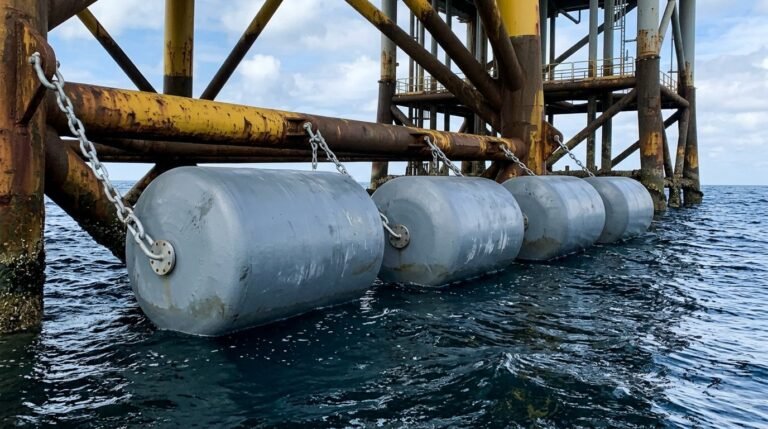
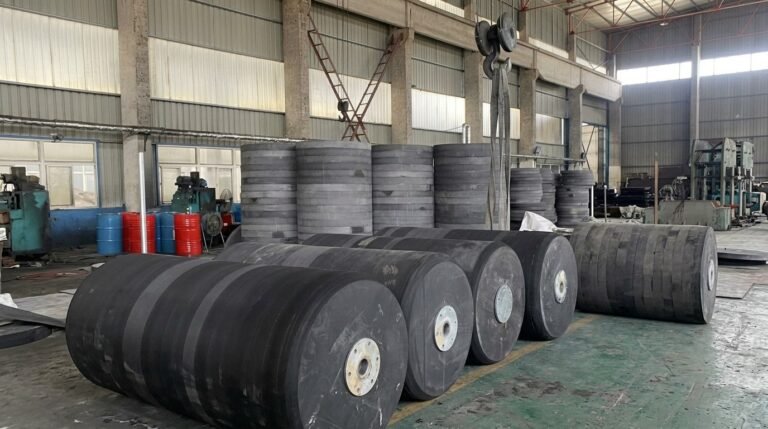
Offshore platforms face relentless battering from harsh seas and massive supply vessels1. Without proper protection, catastrophic structural damage is inevitable, costing millions in downtime. Foam fenders2 provide the ultimate defense for offshore oil and gas platforms. Their closed-cell EVA core3 and thick polyurea skin4 deliver unmatched energy absorption, keeping both the platform and supply vessels […]

Read More
Closed-Cell Foam Cores Explained: Why Do They Never Sink?

Closed-Cell Foam Cores Explained: Why Do They Never Sink?

Published: 2026-03-21 Author: Yifeng Qin

Marine operations face constant risks. Sinking buoys or waterlogged fenders destroy project budgets and safety margins. The secret to unsinkable reliability lies inside the core material. Closed-cell foam cores never sink because they consist of millions of isolated, sealed microscopic air bubbles. Even if the outer skin is violently punctured, water cannot migrate between the […]

Read More
SPUA Skin vs Rubber in Marine Fenders: Which is Better?

SPUA Skin vs Rubber in Marine Fenders: Which is Better?

Published: 2026-03-20 Author: Yifeng Qin

Are your traditional marine fenders degrading too fast? Constant replacements drain your budget and risk vessel safety. You need a better protective skin for your marine operations. SPUA (Spray Polyurea Elastomer)1 outperforms traditional rubber in marine fenders2. While rubber offers basic elasticity, SPUA provides superior resistance to wear, seawater, corrosion, and UV rays. By coating […]

Read More
Netless (Sling-Type) vs. Chain & Tire Net Foam Fenders: Which is Better?

Netless (Sling-Type) vs. Chain & Tire Net Foam Fenders: Which is Better?

Published: 2026-03-19 Author: Yifeng Qin

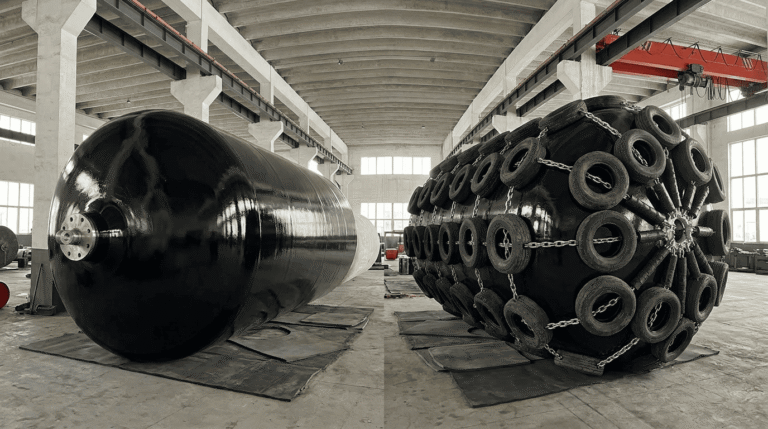
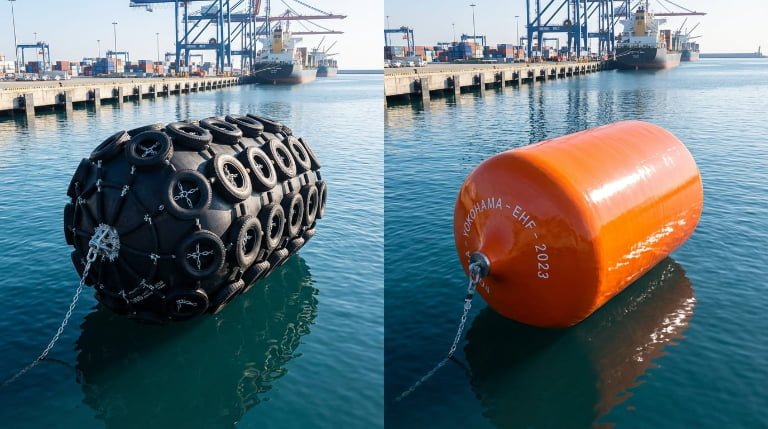
Choosing the wrong foam fender ruins your marine operations. You lose money on fast wear or waste budget on over-engineering. Which style truly fits your project? The choice depends entirely on your vessel type and berthing frequency. Sling-type fenders suit flat-sided ships like luxury cruisers. Chain and tire net fenders are built for brutal, high-frequency, […]

Read More
How Does Nylon Filament Reinforcement Protect Foam Fenders?

How Does Nylon Filament Reinforcement Protect Foam Fenders?

Published: 2026-03-18 Author: Yifeng Qin

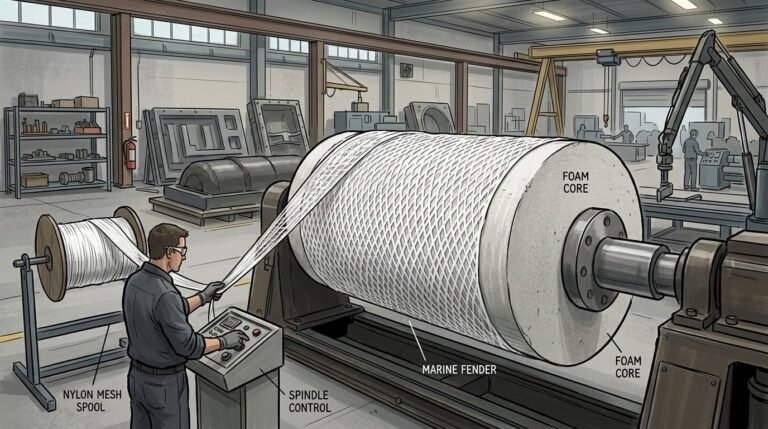
Berthing heavy ships involves massive amounts of energy and friction. Without a reinforced skin, your foam fenders1 can tear, leading to costly replacements and potential hull damage. I want to show you how nylon filament turns a standard fender into a high-performance safety asset. Nylon filament reinforcement acts as the structural skeleton of the fender. […]

Read More
Foam Filled Marine Fenders: A Basic Overview

Foam Filled Marine Fenders: A Basic Overview

Published: 2026-03-17 Author: Yifeng Qin

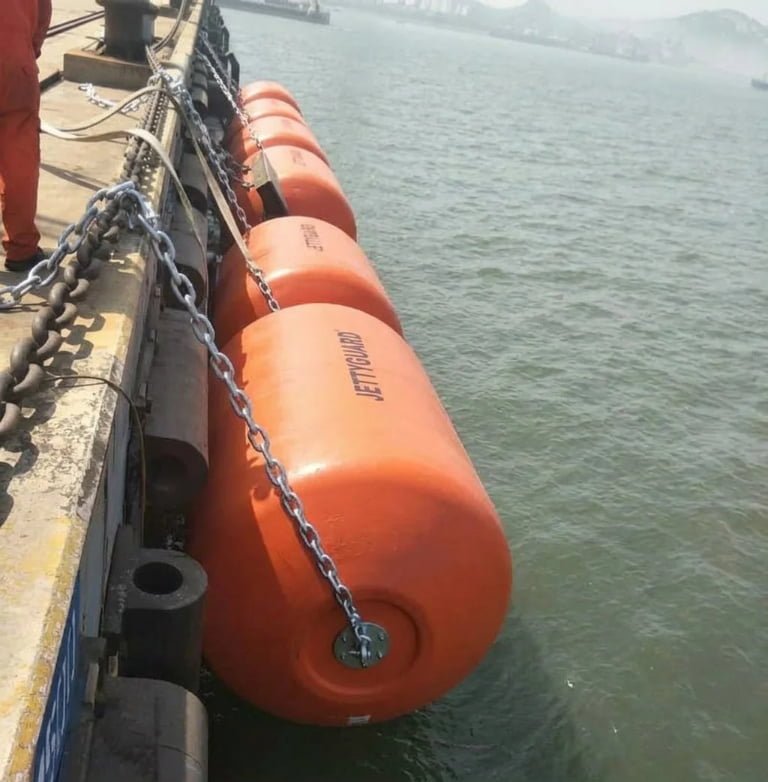
Docking a vessel without the right fender system risks costly hull damage and operational delays. Foam filled marine fenders are high-performance docking protection systems with closed-cell foam cores that absorb berthing energy while remaining maintenance-free and non-marking on vessel hulls. I have seen many port operators struggle with fender selection over my 15 years in […]

Read More
Foam Filled Dock Fenders for Commercial Ports

Foam Filled Dock Fenders for Commercial Ports

Published: 2026-03-16 Author: Yifeng Qin

Large vessels hitting commercial docks cause massive damage without proper protection. I've seen ports spend millions on repairs that could have been prevented with the right fender system. Foam filled dock fenders1 absorb up to 60% more energy than solid rubber fenders2 while using fewer components. They float with tide changes and need almost no […]

Read More
How Long Do Foam Filled Fenders Really Last?

How Long Do Foam Filled Fenders Really Last?

Published: 2026-03-13 Author: Yifeng Qin

Your foam filled fender is your dock's silent guardian—until it isn't. When failure strikes, vessels collide, repairs cost thousands, and safety crumbles. Foam filled fenders1 typically last 10 to 20 years with proper maintenance and coating protection. Their lifespan depends on foam core quality, UV exposure2 levels, and maintenance frequency. I have seen too many […]

Read More
Yokohama Fenders vs. Foam Filled Fenders: Which is Better?

Yokohama Fenders vs. Foam Filled Fenders: Which is Better?

Published: 2026-02-28 Author: Yifeng Qin

Choosing between Yokohama type and Foam-filled fenders isn't just about price—it's about understanding failure risks that most manufacturers won't tell you. Yokohama (pneumatic) fenders excel in deep-sea ship-to-ship operations due to their superior elasticity1 and lower transport costs, while foam-filled fenders offer unmatched durability for harsh dockside environments since they cannot deflate. The better choice […]

Read More