Marine operations face constant risks. Sinking buoys or waterlogged fenders destroy project budgets and safety margins. The secret to unsinkable reliability lies inside the core material.
Closed-cell foam cores never sink because they consist of millions of isolated, sealed microscopic air bubbles. Even if the outer skin is violently punctured, water cannot migrate between the cells, ensuring permanent buoyancy and structural integrity in harsh marine environments.
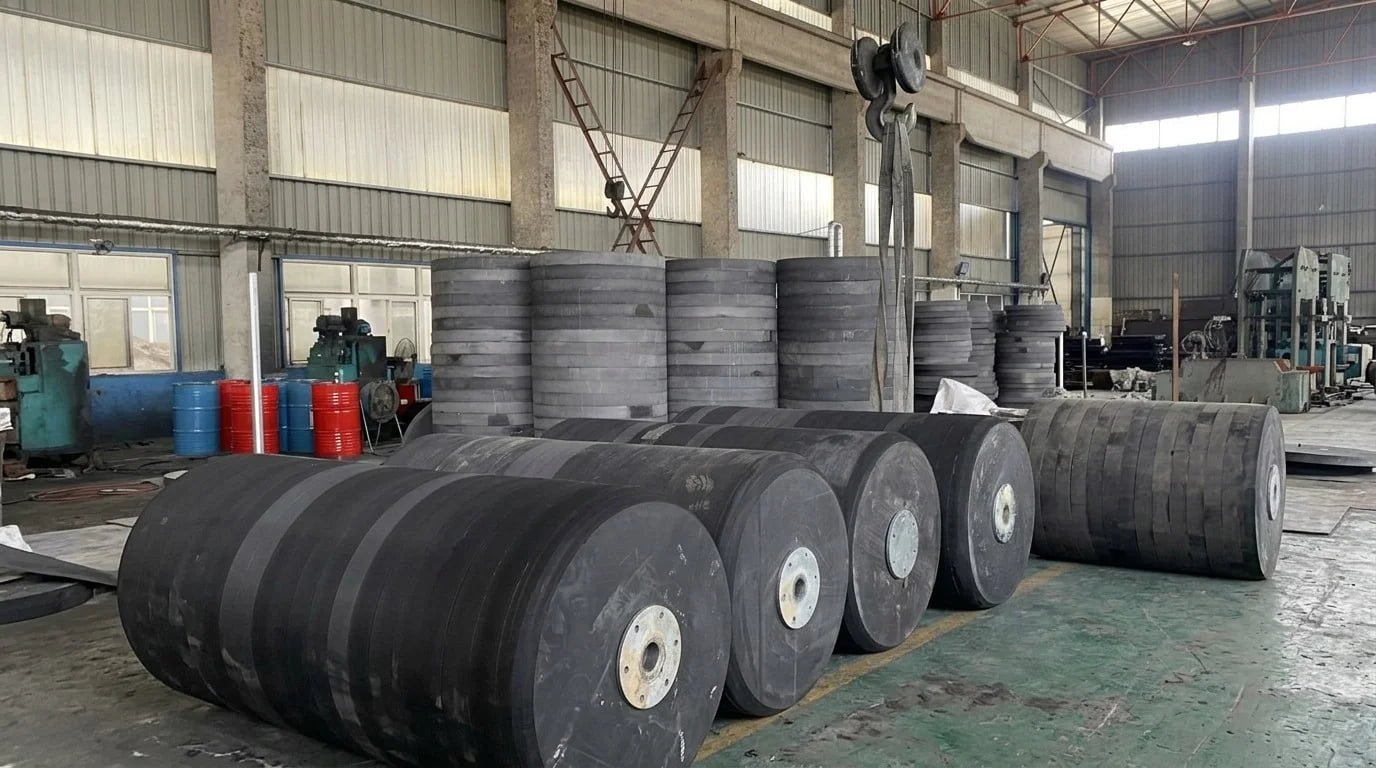
Let me show you exactly how this incredible material protects your marine investments and keeps operations running smoothly.
Open Cell Versus Closed Cell EVA and PE Foam
Choosing the right foam is critical for marine safety. Using the wrong cellular structure leads to massive equipment failure and severe safety hazards on the water.
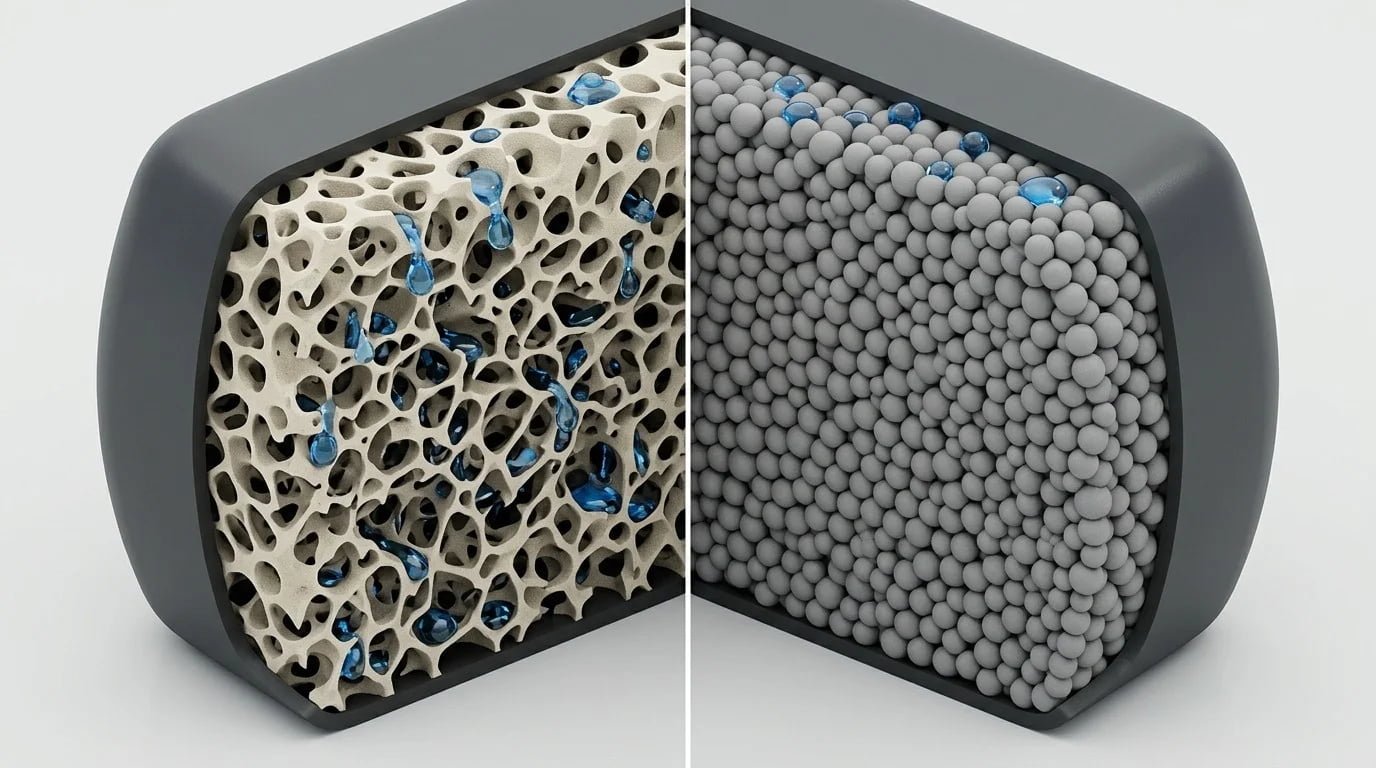
Open-cell foam features interconnected pockets that absorb water like a sponge. Closed-cell EVA and PE foam1 contain independent, sealed bubbles. This sealed structure completely blocks moisture penetration, making it the only acceptable choice for durable marine floats and fenders.
I started my career at a rubber fender factory. I quickly learned that material selection dictates performance. EVA and PE closed-cell foams changed everything for marine manufacturing.
These foams are fundamentally different from open-cell varieties. Think of open-cell foam as a classic kitchen sponge. It is great for acoustic insulation on land.
However, put an open-cell sponge in the ocean, and it fills with water instantly. It becomes incredibly heavy and sinks rapidly to the bottom.
The Closed-Cell Advantage
Closed-cell EVA (Ethylene-Vinyl Acetate) and PE (Polyethylene) foams are built differently. Every single air pocket is sealed tight during the manufacturing process.
These microscopic barriers refuse to let water pass through. The air remains trapped inside permanently. This trapped air is what creates reliable, lasting buoyancy.
Marine Application Summary
| Feature | Open-Cell Foam | Closed-Cell EVA/PE Foam |
|---|---|---|
| Structure | Interconnected | Isolated and sealed |
| Water Absorption | Very High | Near Zero |
| Marine Suitability | Poor | Excellent |
For boat builders like Neil Fernando, this distinction is mandatory. High quality standards demand materials that survive decades of harsh ocean exposure without degrading.
Water Absorption Physics In Marine Environments
The ocean exerts immense hydrostatic pressure. This relentless physical force tries to push water into every microscopic crevice of your offshore marine equipment.
Water absorption physics rely on pressure differentials and surface tension. Closed-cell foam resists this hydrostatic pressure because the internal gas pressure of the sealed cells pushes back. This perfect equilibrium prevents water ingress even during prolonged deep submersion.
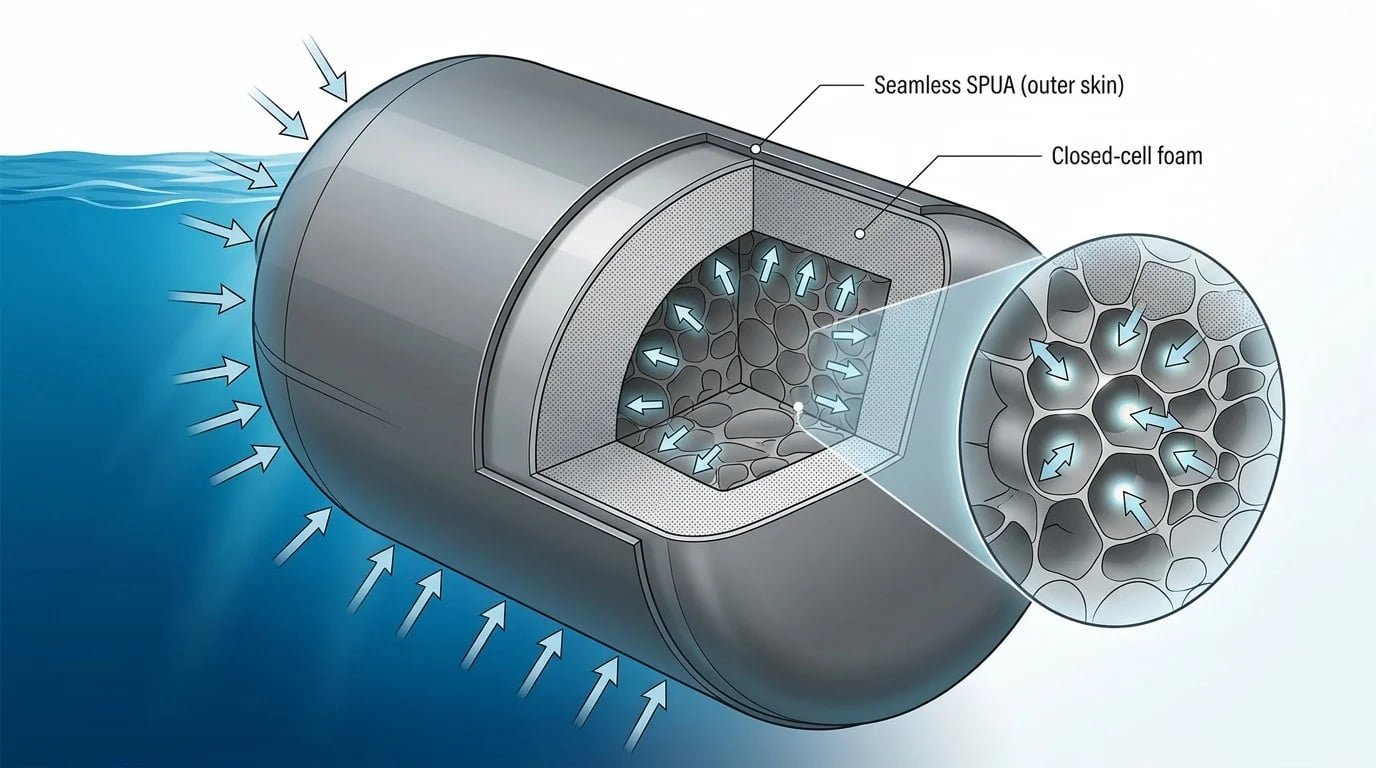
When a buoy sits in the water, gravity and water pressure work together. They constantly test the structural limits of the floatation device.
Hydrostatic pressure2 increases with depth. The deeper an object goes, the harder the ocean water pushes against its exterior skin.
Defeating Capillary Action
Standard materials suffer from capillary action. Water sneaks through tiny gaps and slowly saturates the core. This is how traditional wooden or badly sealed floats eventually fail.
Closed-cell foam completely defeats capillary action. There are simply no open pathways for the water to travel through. The physical barrier is absolute.
I often explain this to procurement leaders at massive mining companies. They need reliable floats for heavy dredging pipes. A waterlogged float sinks the whole dredging operation.
Long-Term Reliability
Because the physics are heavily in our favor, these foam cores do not degrade from water exposure. The polymer matrix repels moisture molecules naturally.
This means your equipment weight stays constant from day one to year ten. Predictable weight ensures predictable performance for any critical offshore engineering project.
Maintaining Buoyancy After Skin Punctures
Vessel impacts and sharp debris often tear equipment exteriors. A punctured skin3 usually means immediate sinking for traditional air-filled marine products.
When closed-cell foam products suffer severe skin punctures, they maintain full buoyancy. The damage is strictly localized to the point of impact. Because the surrounding microscopic cells remain intact and sealed, the overall water displacement remains completely unchanged.
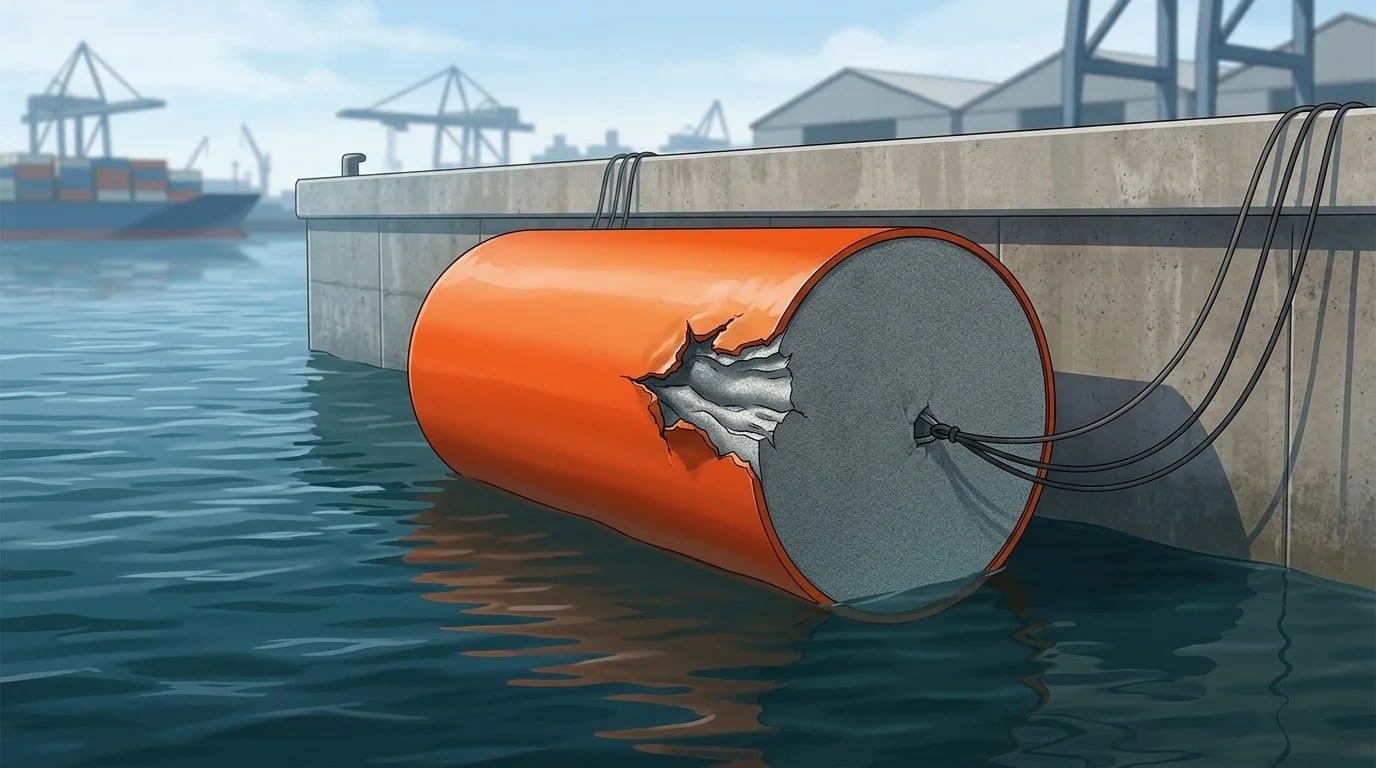
Accidents happen in busy commercial ports. Tugboats crash into fenders. Sharp metal edges from heavy barges slice into mooring buoys.
If you use a pneumatic air-filled buoy, a single puncture causes a massive blowout. All the pressurized air escapes, and the product sinks immediately.
The Localized Damage Principle
Closed-cell foam behaves entirely differently. If a sharp object penetrates the tough outer skin, it only destroys the specific foam cells it directly touches.
Millions of neighboring cells remain perfectly intact. They do not share their trapped air. Therefore, they do not lose their vital buoyancy.
A Lifesaver for Project Managers
Project managers at EPC companies like Nuway Oaklane love this feature. Unsinkable equipment means no sudden emergency replacement costs. It keeps project budgets strictly in line.
Even with a massive gash, a foam-filled fender will continue to protect the dock. You can easily schedule repairs during normal maintenance windows instead of rushing.
We customize our foam floats to withstand incredible daily abuse. The unsinkable nature of the closed-cell core gives our clients total peace of mind.
How Foam Density Determines Energy Absorption
Protecting massive vessels requires precise engineering. The core material must absorb massive kinetic energy without transferring that destructive force to the dock.
Foam density4 directly controls energy absorption capacity. Higher density foams offer stiffer resistance for massive cargo ships. Lower density foams compress easier, providing gentle, high-deflection protection for smaller, sensitive vessels. Adjusting density creates perfectly customized marine protection.
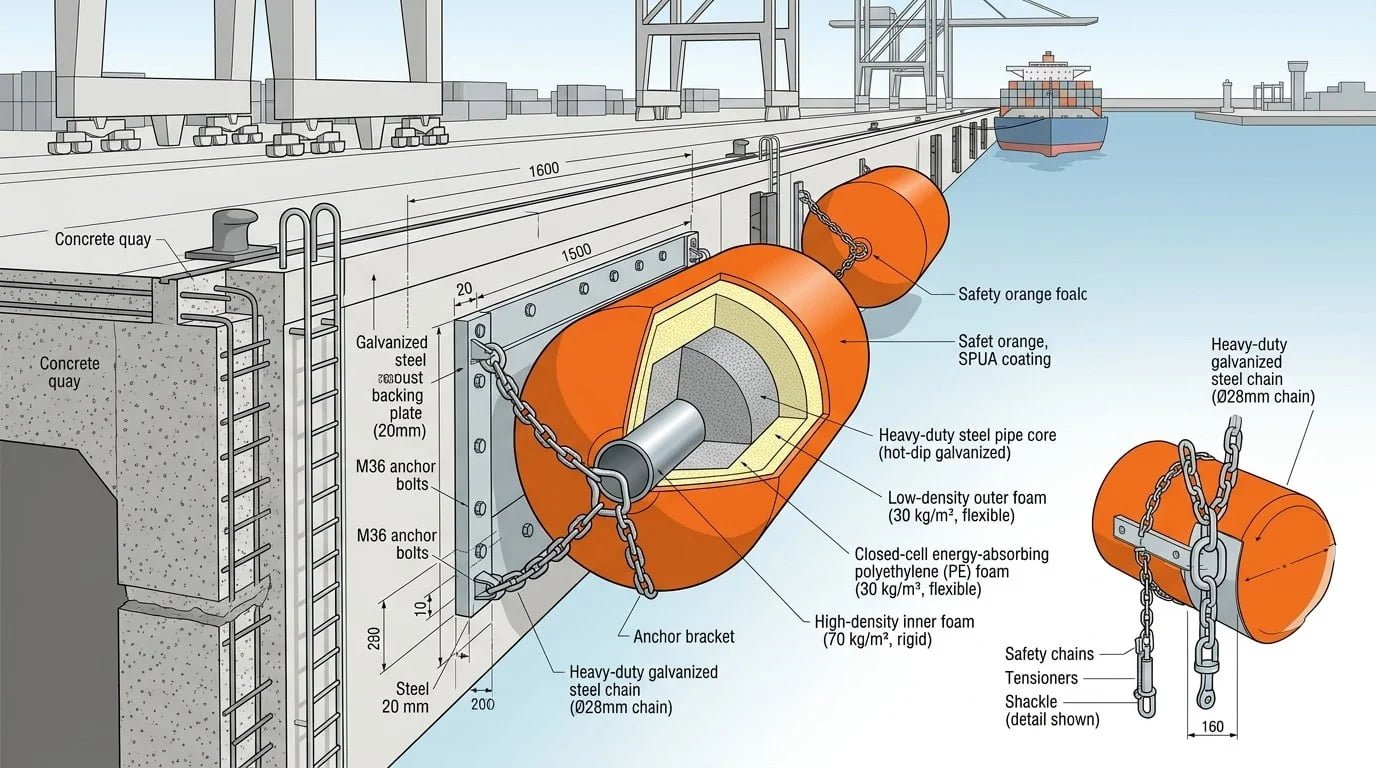
At Jettyguard, we believe in lightweighting. This means getting maximum performance out of the most efficient material possible. Foam density is our primary engineering tool.
Density refers to how tightly packed the polymer material is. We measure this in kilograms per cubic meter. It strictly dictates how the fender reacts to pressure.
Tuning the Compression
When a ship hits a closed-cell foam fender, the foam compresses. The trapped air bubbles act like millions of tiny, powerful shock absorbers.
If the foam is very dense, it requires immense force to compress. This high energy absorption is perfect for heavy barges and massive naval vessels.
Customizing for the Client
If the foam is less dense, it yields easily. This low reaction force is incredibly vital for fiberglass luxury yachts or small patrol boats.
| Vessel Type | Required Density | Energy Absorption |
|---|---|---|
| Small Boats | Low Density | Gradual / Soft |
| Heavy Barges | High Density | High Capacity |
Overseas distributors like Tommy highly appreciate this manufacturing flexibility. We can precisely customize the foam core density for any specific port requirement. It makes selling our targeted solutions incredibly easy.
Conclusion
Closed-cell foam cores deliver unsinkable reliability and fully customizable energy absorption. At Jettyguard, we leverage these advanced materials to create highly customized fenders, buoys, and floats. We make light work of protection, ensuring your marine operations remain safe, cost-effective, and fully afloat.
Discover the unique properties of EVA and PE foams that make them ideal for marine applications. ↩
Understand the impact of hydrostatic pressure on marine operations and how closed-cell foams resist it effectively. ↩
Explore the science behind how closed-cell foam retains buoyancy even when punctured. ↩
Understand the role of foam density in customizing energy absorption for different marine vehicles. ↩