Docking a vessel without the right fender system risks costly hull damage and operational delays.
Foam filled marine fenders are high-performance docking protection systems with closed-cell foam cores that absorb berthing energy while remaining maintenance-free and non-marking on vessel hulls.
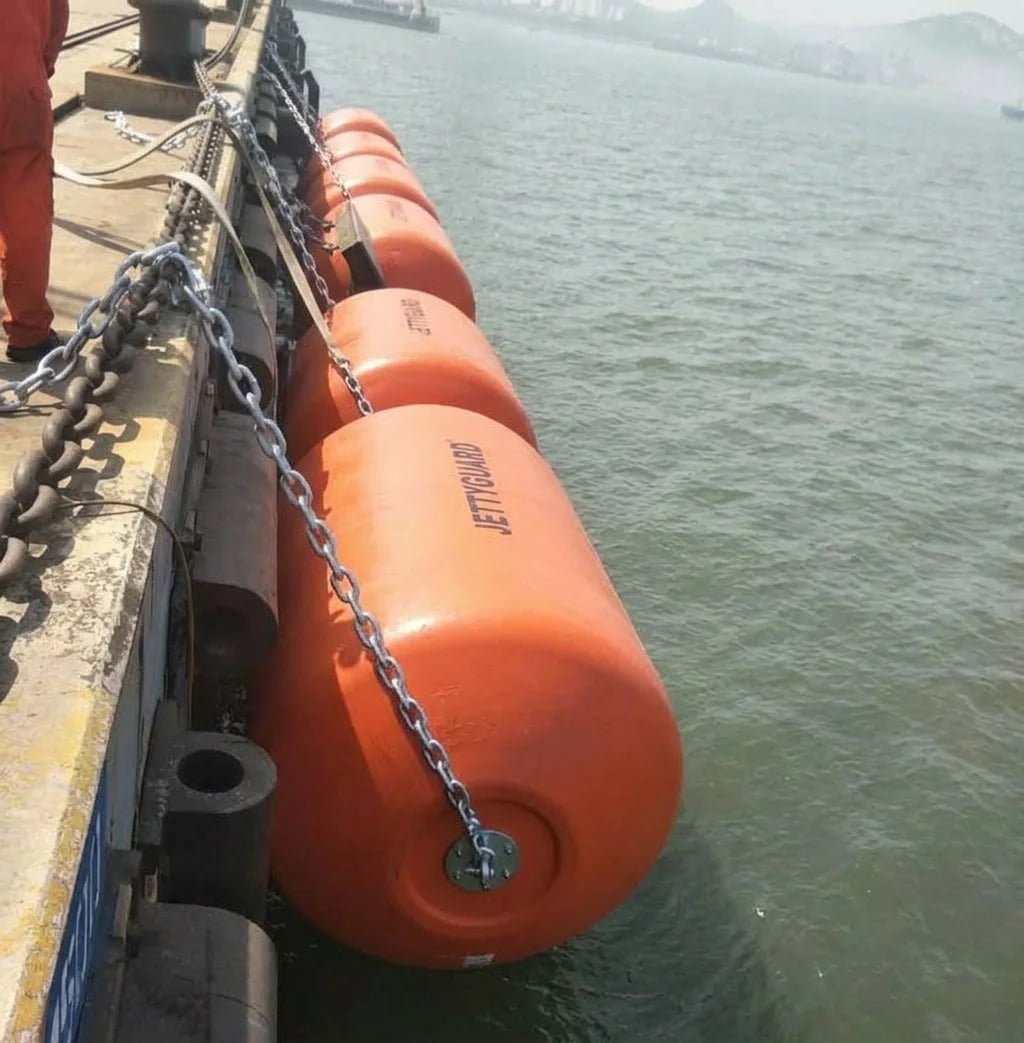
I have seen many port operators struggle with fender selection over my 15 years in this industry. This guide walks you through the basics about foam filled fenders from my direct experience working as the manufacturer of foam filled fenders.
What is a foam filled fender?
Port managers often discover hull damage too late and realize their fender choice was wrong.
A foam filled fender is a marine docking fender constructed with closed-cell polyethylene or polyurethane foam encased in a protective outer skin, designed to absorb vessel berthing energy through foam compression without requiring air pressure or internal maintenance.
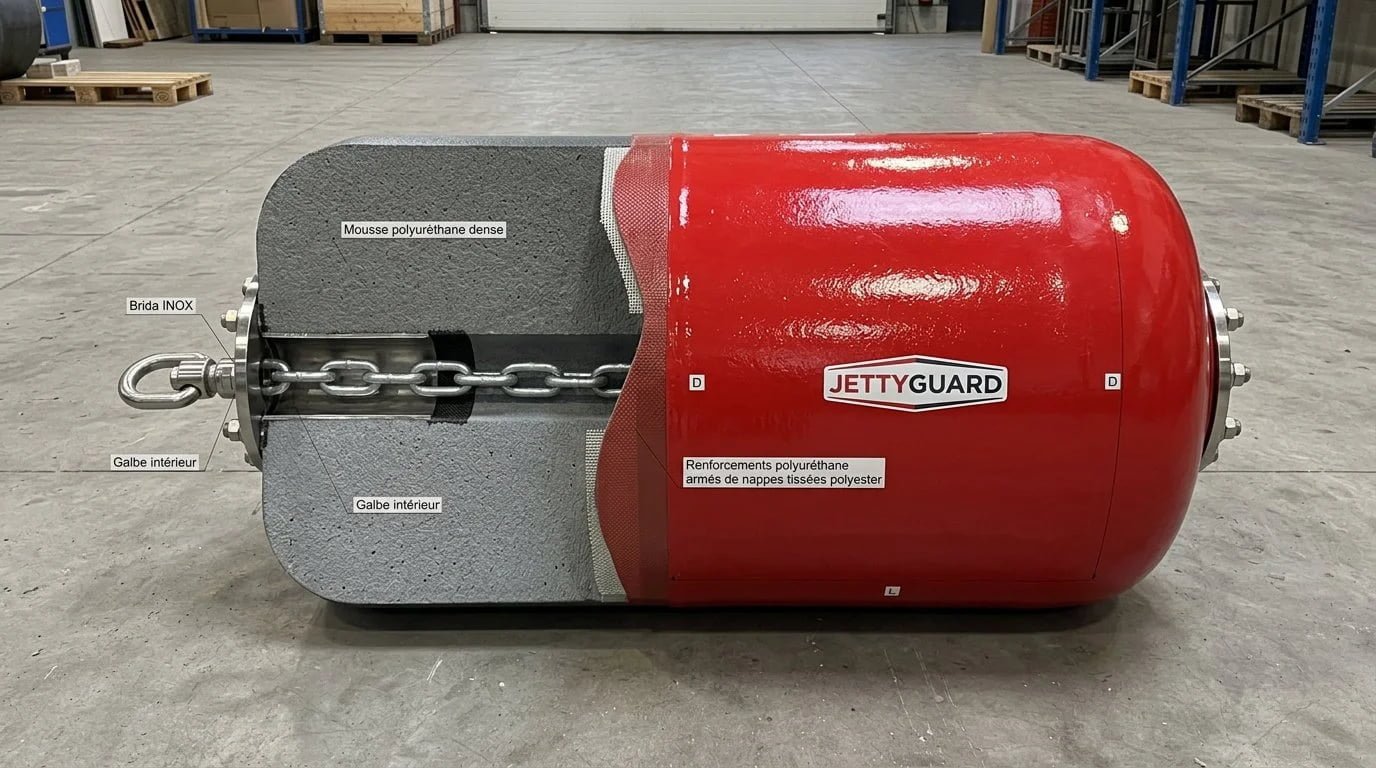
The foam core is compression-molded into specific densities based on the energy absorption requirements. The outer skin protects against UV, seawater, and physical abrasion. Unlike pneumatic fenders1, there is no air chamber to monitor or maintain. This makes them ideal for applications where reliability matters more than initial cost savings.
The manufacturing process involves pouring liquid foam components into molds where they expand and cure. Different foam densities serve different purposes. Higher density foams handle greater energy loads but cost more. Lower density options work well for smaller vessels with lower berthing velocities. Each factory controls the curing time and temperature carefully to ensure consistent foam cell structure throughout the core material.
Each manufacturer has their own formulation and quality controls. You cannot judge quality by looking at the finished product alone. I learned this after reviewing test reports from multiple factories and seeing significant variations in compression resistance and energy absorption ratings. Some factories test every batch while others only do spot checks. This inconsistency affects long-term performance in real-world docking conditions.
How do foam filled fenders work?
Vessels approach docks with kinetic energy that must be absorbed safely without damage.
Foam filled fenders work by compressing their closed-cell foam core when a vessel makes contact, converting the vessel's kinetic energy into deformation energy within the foam structure, then returning to their original shape once the load is removed.
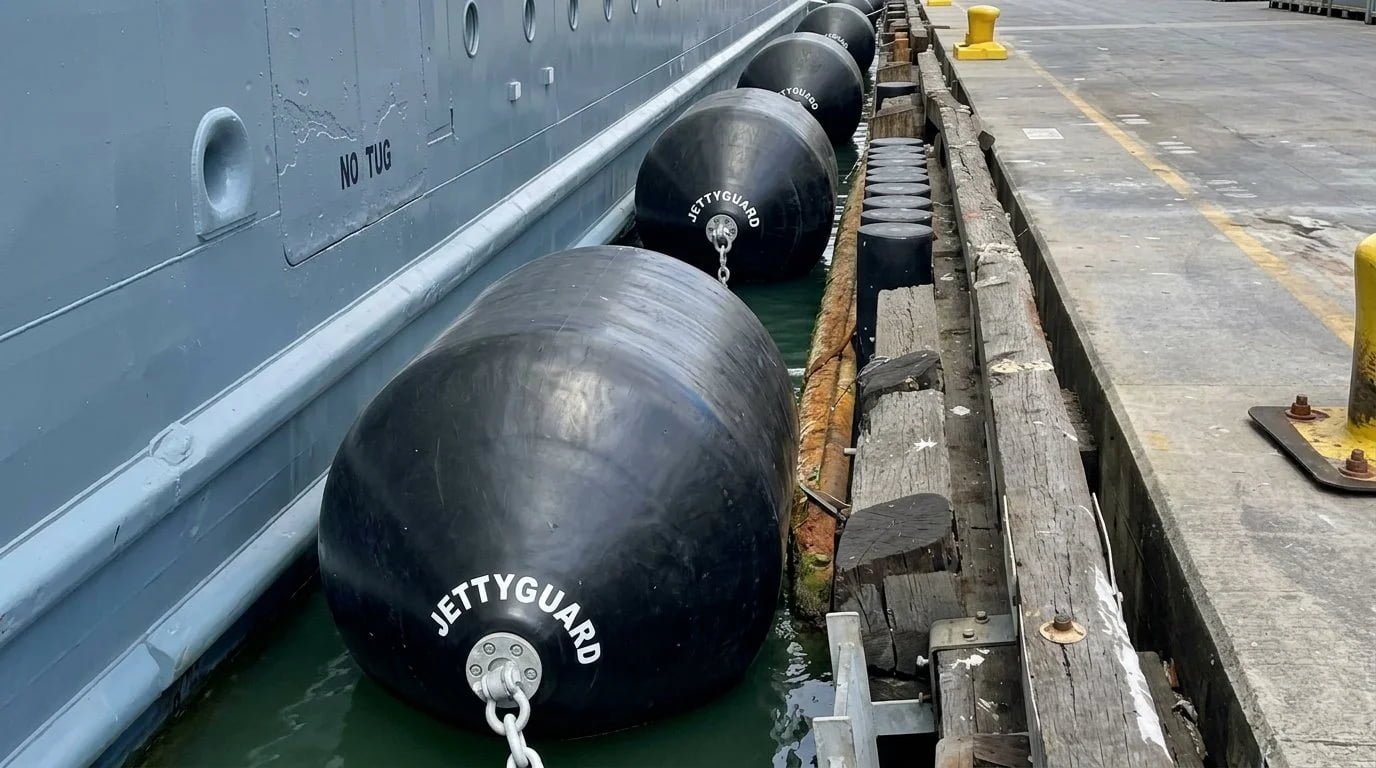
The physics behind this is straightforward but important to understand. When a vessel contacts the fender, the foam cells compress elastically. Closed-cell foam means each cell is sealed and independent. This prevents water absorption even if the outer skin gets damaged.
The compression creates resistance that slows the vessel gradually. Energy absorption happens through the foam's material properties, not through air pressure like pneumatic fenders. I have reviewed reaction force curves from multiple manufacturers and the performance is consistent and predictable across the compression range.
What makes foam filled fenders different from solid rubber fenders is the energy-to-weight ratio. Foam absorbs more energy per unit weight because the cellular structure allows greater deformation. Solid rubber relies on bulk material compression which requires more mass for equivalent energy absorption. In my experience supplying fenders to cruise terminals, this weight advantage matters for floating dock installations where buoyancy is a constraint. The reduced weight also simplifies handling during installation and reduces structural load on mounting points.
The foam also provides inherent buoyancy if the fender becomes detached. I have seen this prevent complete fender loss during extreme weather events when mooring lines failed. Floating fenders can be recovered easily instead of sinking and requiring expensive diving operations. This buoyancy feature has saved port operators thousands of dollars in replacement costs and recovery operations during storm damage incidents.
Components of a foam filled fender (Skin, Core, Flanges, Steel tube)
Buying a foam fender without understanding its components leads to poor procurement decisions.
A foam filled fender consists of four main components: an outer skin (typically polyurethane or rubber) for environmental protection, a closed-cell foam core for energy absorption, mounting flanges for installation, and often an internal steel tube for structural reinforcement and load distribution.
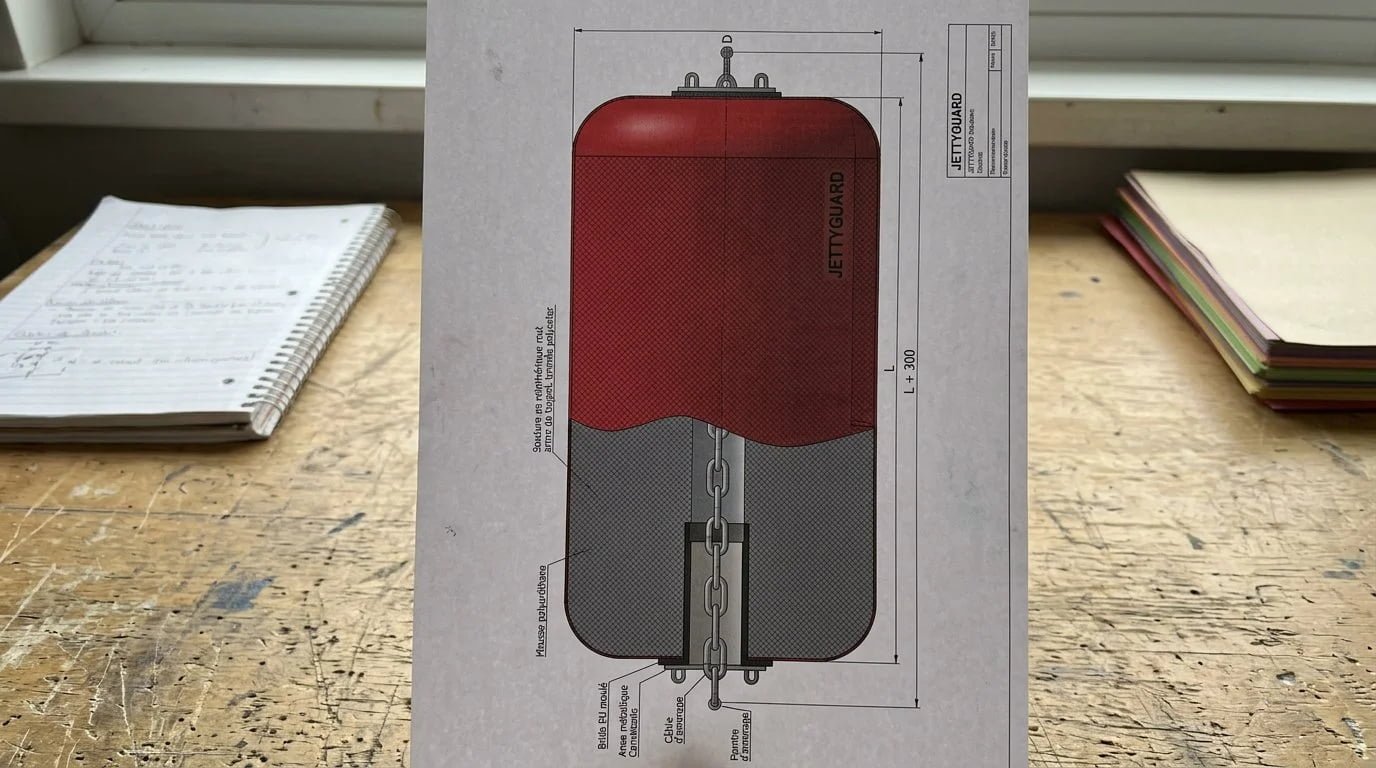
The outer skin is your first line of defense. I have seen skins made from polyurethane, neoprene, and other rubber compounds. Polyurethane skins offer superior abrasion resistance which matters for high-traffic berths. The skin thickness varies by manufacturer and application.
Thicker skins last longer but add cost. The skin must bond properly to the foam core during manufacturing. Poor bonding leads to delamination under repeated compression cycles. I reviewed one failure case where the skin separated after six months because the manufacturer skipped the surface treatment step.
The foam core determines energy absorption capacity. Manufacturers use different foam densities measured in kilograms per cubic meter. Higher density means more energy absorption but also higher reaction forces on the vessel hull. The steel tube runs through the center and provides mounting structure. Flanges weld to the tube ends and bolt to the dock structure. Proper tube thickness ensures the fender maintains its shape under maximum compression without buckling or deforming permanently.
I have specified fenders with hot-dip galvanized flanges2 for saltwater environments. The galvanizing prevents corrosion that would compromise the mounting system. Some manufacturers offer stainless steel options for harsh chemical environments. Understanding each component helps you ask the right questions during procurement and avoid underspecified products. Request detailed specifications for each component and compare them across suppliers before making your final purchasing decision.
Key benefits of using foam filled fenders over other types
Choosing the wrong fender type creates ongoing maintenance costs and operational risks.
Foam filled fenders offer maintenance-free operation, non-marking contact surfaces3 ideal for cruise and naval vessels, inherent buoyancy, consistent performance across temperature ranges, and no risk of sudden failure from punctures or air loss compared to pneumatic alternatives.
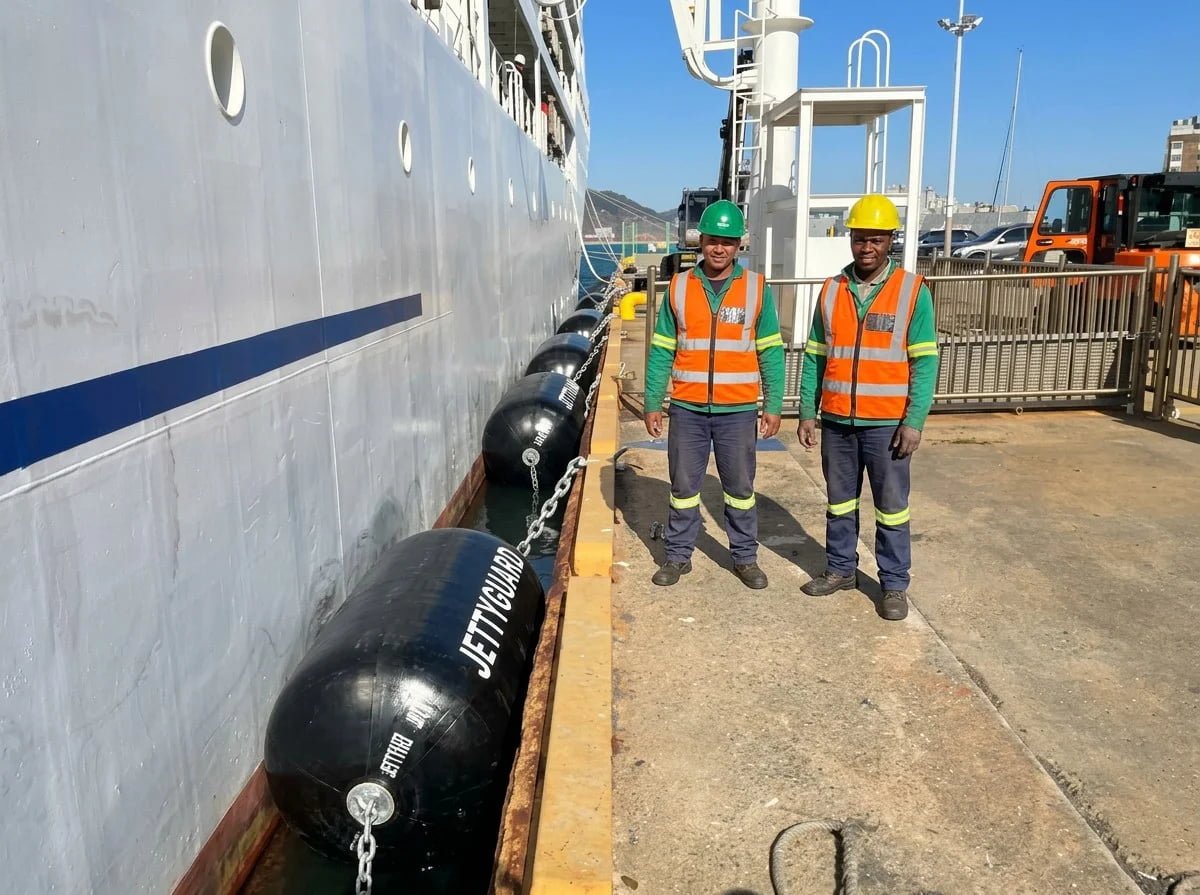
The non-marking characteristic stands out as a major advantage in my experience. Traditional rubber fenders and pneumatic fenders use black rubber compounds that transfer marks onto light-colored vessel hulls. Cruise ships and naval vessels often have white or light gray hulls that show these marks clearly.
Foam fenders use lighter-colored skins that do not leave visible marks. I have received direct feedback from cruise terminal operators who switched to foam specifically for this reason. Their docking crews no longer need to clean hull marks after each berthing. This saves labor costs and keeps vessels looking professional.
There is currently no clear industry standard for foam filled fenders which affects how you evaluate suppliers. Quality depends on manufacturer standards and production processes. I have tested samples from different factories and found variations in foam density consistency and skin adhesion strength. Some manufacturers cut corners on surface preparation before bonding the skin to the foam. This leads to premature delamination and reduced service life in demanding port environments.
Others use lower-grade foam that compresses permanently after repeated use. My advice is to request test reports and visit the factory if possible. Look for manufacturers with established quality control systems. Price alone does not indicate quality in this product category. I have seen expensive fenders fail quickly and budget options perform well when the manufacturer follows proper processes. Always verify the manufacturer's track record with similar projects before committing to a large procurement order.
Conclusion
Foam filled fenders deliver reliable, maintenance-free protection for demanding marine applications.
Jettyguard specializes in foam filled fender systems engineered for commercial ports, cruise terminals, and naval bases. Contact us for technical specifications and project support on your next fender procurement.