Rough seas threaten your safety. Unpredictable waves make navigating a nightmare. I have found that installing boat foam collars1 provides the ultimate solution for unmatched vessel stability.
Boat foam collars significantly improve vessel stability2 by increasing beam width and absorbing wave impact3. Unlike inflatable tubes that cause dangerous rocking underway, solid foam provides incredible static stability. Plus, they are incredibly easy to install just by following the manufacturer's manual.
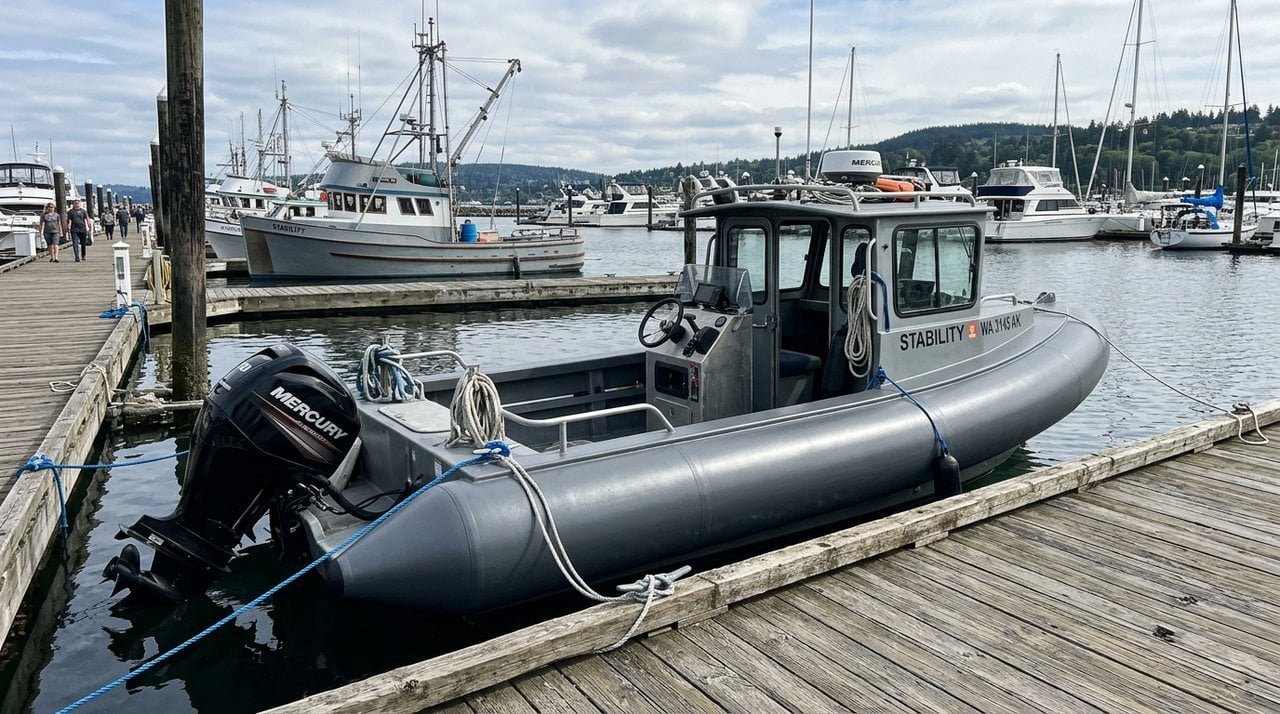
Navigating treacherous waters requires equipment you can trust implicitly. Let's break down exactly how these innovative collars transform your ride from a nerve-wracking ordeal into a smooth, secure journey.
The physics of the 'reverse chine' effect
Constant spray and lateral slipping ruin the ride. It makes handling dangerously unpredictable. Foam collars act as a reverse chine, redirecting water downward to instantly stabilize your hull.
The reverse chine effect4 occurs when the bottom edge of a foam collar deflects water spray downward. This downward force generates upward hydrodynamic lift, pushing the hull out of the water to reduce drag while firmly planting the vessel against lateral rolling forces.
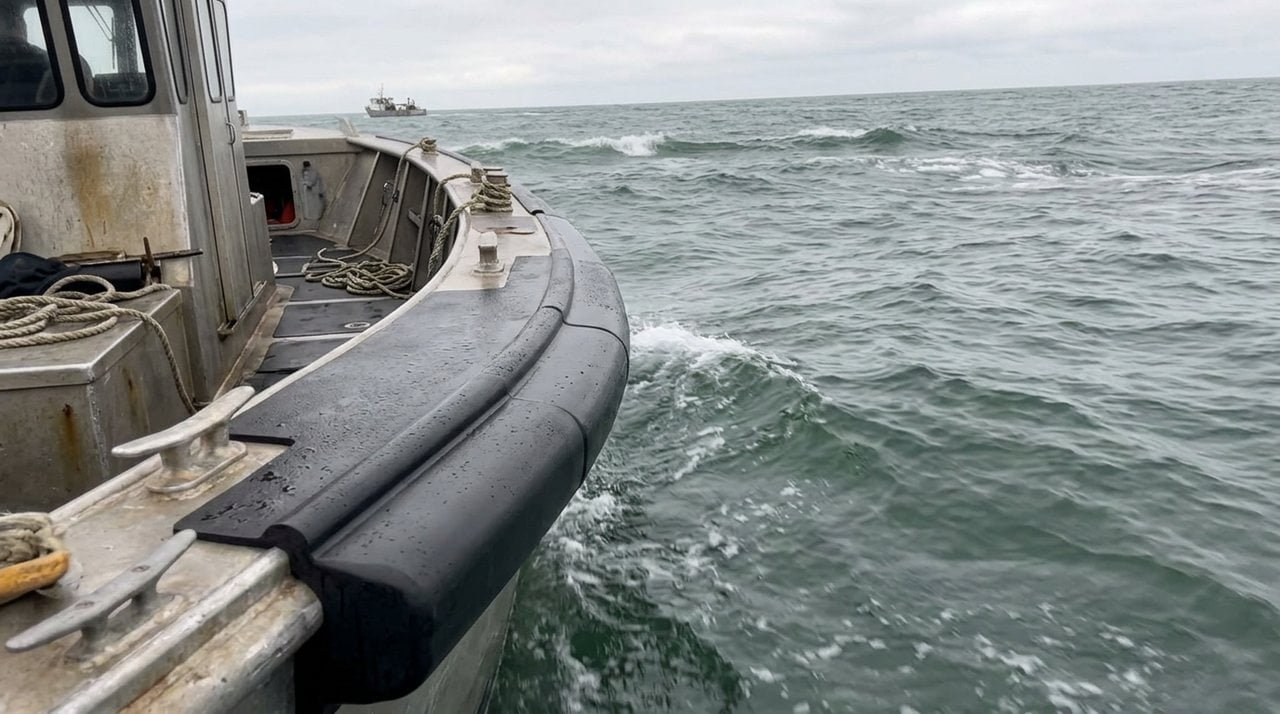
When I first studied how water interacts with hull modifications, the reverse chine effect stood out as a game-changer. Traditional hulls often allow water to ride up the sides, causing unnecessary friction and contributing to a wet, unstable ride.
By adding a foam collar, you create a distinct, hard edge where the collar meets the hull. As water rushes up during acceleration or wave impact, it hits this edge and is forced violently downward. Physics dictates that every action has an equal and opposite reaction, so this downward thrust physically lifts the boat.
This dynamic lift not only improves fuel efficiency but drastically enhances directional stability. You will notice that the boat tracks much straighter, resisting the urge to slide out during hard turns. It fundamentally alters the hydrodynamic profile5 of your vessel for the better.
Increasing the beam width for better static stability6
A narrow boat tips easily at rest. This instability makes fishing or boarding terrifying. Adding a foam collar instantly widens your beam, providing a rock-solid platform.
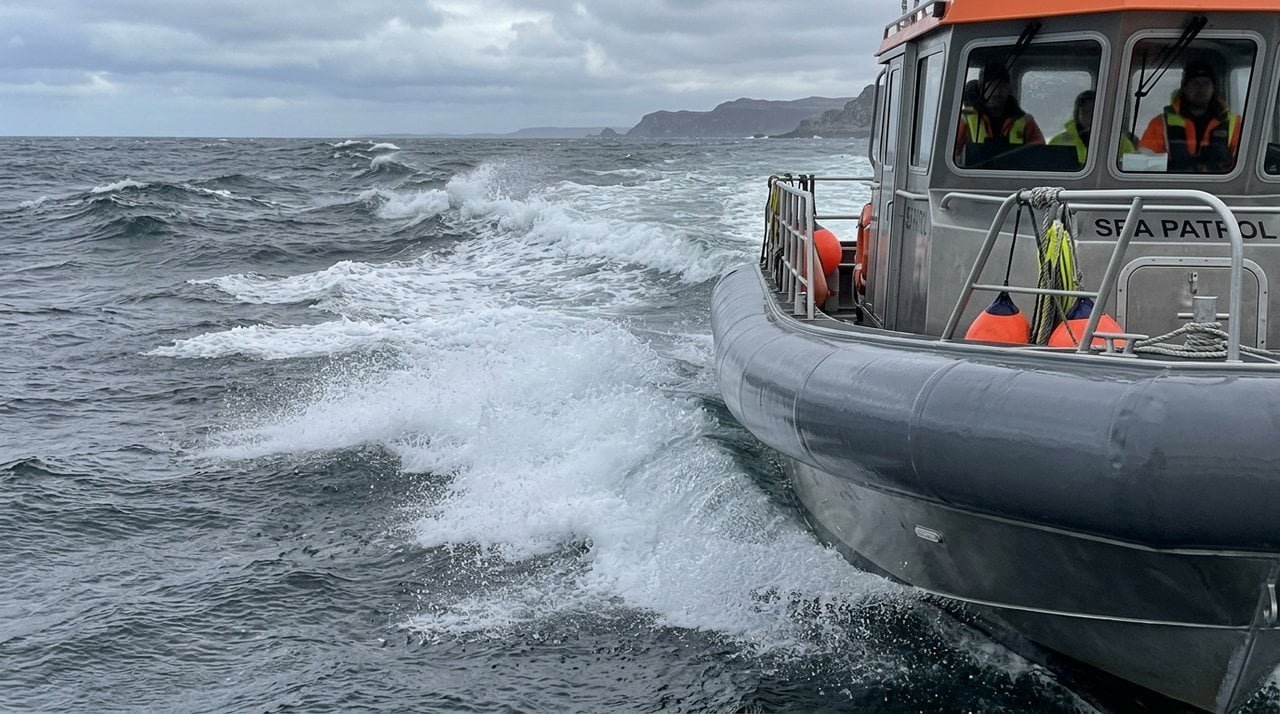
Increasing the beam width with a foam collar dramatically improves static stability. Unlike inflatable collars that can cause dangerous rocking while driving, rigid foam extends the vessel's footprint outward, creating a solid, unyielding resting platform that resists tipping from uneven weight distribution.
The Danger of Inflatables
I always warn fellow boaters about the hidden dangers of inflatable tubes. While they offer buoyancy, they flex and compress. In my experience, driving with inflatables can induce a slight, rhythmic rocking motion underway. In rough conditions, this unpredictable shifting is highly dangerous and compromises your control.
The Rigid Foam Advantage
Foam collars solve this entirely. Because the material is dense and unyielding, it permanently extends the effective beam of your boat without any flex. When you step to one side to pull in a catch or dock the vessel, the foam immediately displaces water, fighting back against the lean.
Best of all, achieving this massive upgrade is surprisingly straightforward. The installation process7 is simple enough that I was able to do it myself just by carefully following the manufacturer's instruction manual.
Dampening roll in choppy waters
Violent side-to-side rolling causes intense seasickness. It turns a quick transit into an exhausting battle. Foam collars act as massive shock absorbers to instantly dampen this vicious roll.
Roll dampening is achieved because foam collars rest right at the waterline. When a wave strikes the side, the collar's dense buoyancy aggressively resists being submerged, slowing down the rolling motion and quickly returning the vessel to an upright, level position.
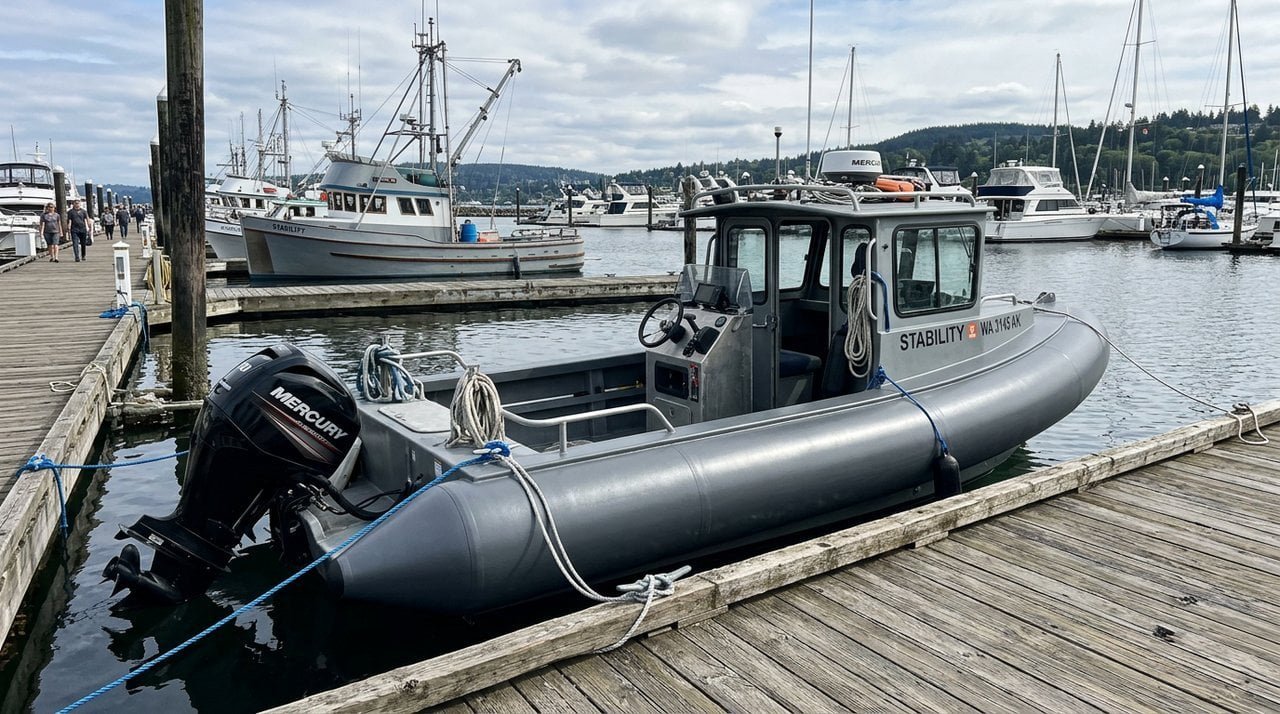
Choppy waters are notorious for creating a pendulum effect on standard deep-V hulls. The boat snaps back and forth, tossing passengers around and making it impossible to maintain your footing. I have been on many boats where this snap-roll made the journey absolutely miserable.
When a foam collar is equipped, it effectively serves as an exterior dampening system. As the boat begins to lean into a wave trough, the collar makes contact with the water. Because closed-cell foam is incredibly buoyant, it requires a massive amount of force to push it under.
This resistance acts like a brake on the rolling motion. Instead of snapping back violently, the boat's movement is softened and controlled. The collar absorbs the kinetic energy of the waves, resulting in a remarkably smooth, predictable ride even when the wind kicks up.
How collars prevent broaching in following seas
Surfing down a massive wave risks a deadly broach. Losing steering control leaves you vulnerable to capsizing. Foam collars provide the crucial bow buoyancy needed to prevent this disaster.
Broaching occurs when a boat's bow buries into a wave trough, causing the stern to swing sideways. Foam collars add immense forward buoyancy, preventing the bow from digging in and keeping the vessel tracking straight when navigating dangerous following seas.
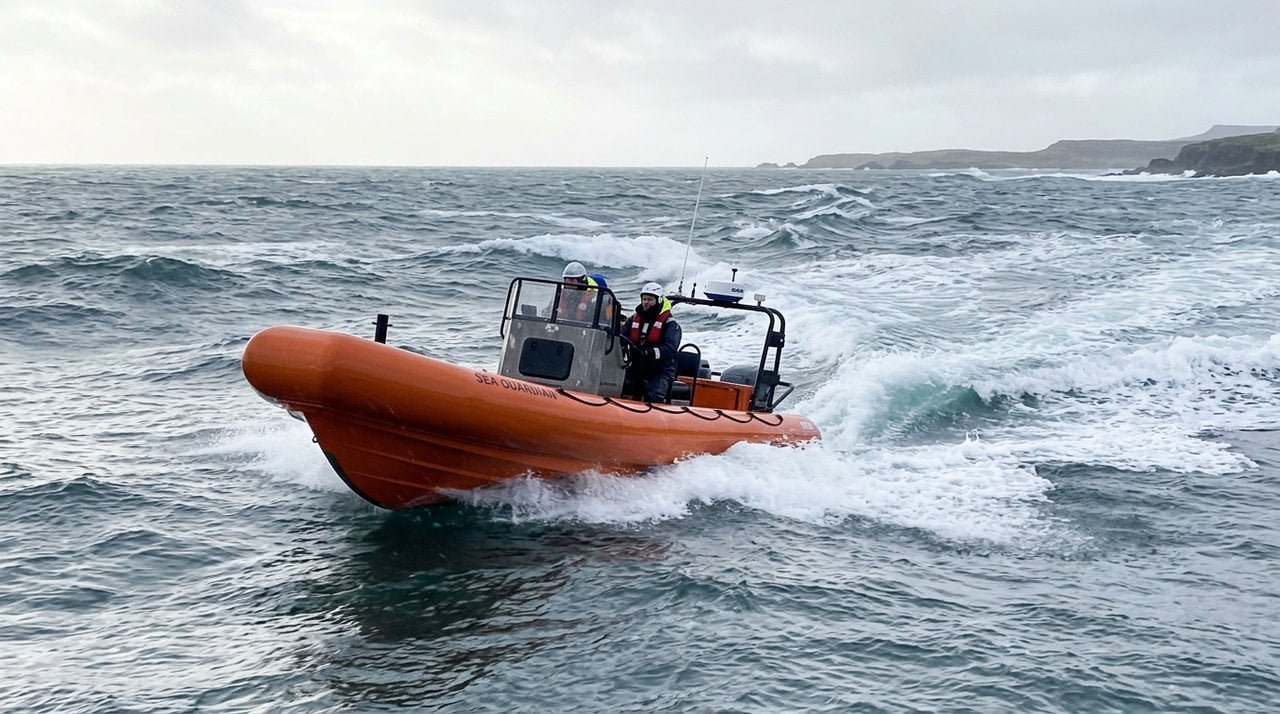
There are few things more terrifying at sea than the feeling of your bow stuffing into the back of a wave. When traveling in the same direction as the swells—a following sea—the risk of the wave catching your stern and throwing the boat sideways is incredibly high.
I rely on foam collars because they dramatically alter the bow's lifting characteristics. As the nose of the boat begins to dip into the trough, the collar's volume engages the water. This immediate surge in buoyancy forces the bow upward, refusing to let it submerge.
By keeping the bow elevated and free, the rudder and propeller remain fully engaged in the water. This ensures you maintain absolute steering control, allowing you to ride the back of the wave safely rather than spinning out into a catastrophic broach.
Testimonials: Real-world stability improvements
Theoretical physics means nothing if it fails on the water. Skepticism about aftermarket modifications is completely natural. Real-world feedback proves these collars deliver exactly what they promise.
Captains worldwide report massive improvements in vessel handling after installing foam collars. Users consistently highlight the elimination of dangerous underway rocking, vastly superior static stability for commercial work, and the surprising ease of the DIY installation process using standard instructions.
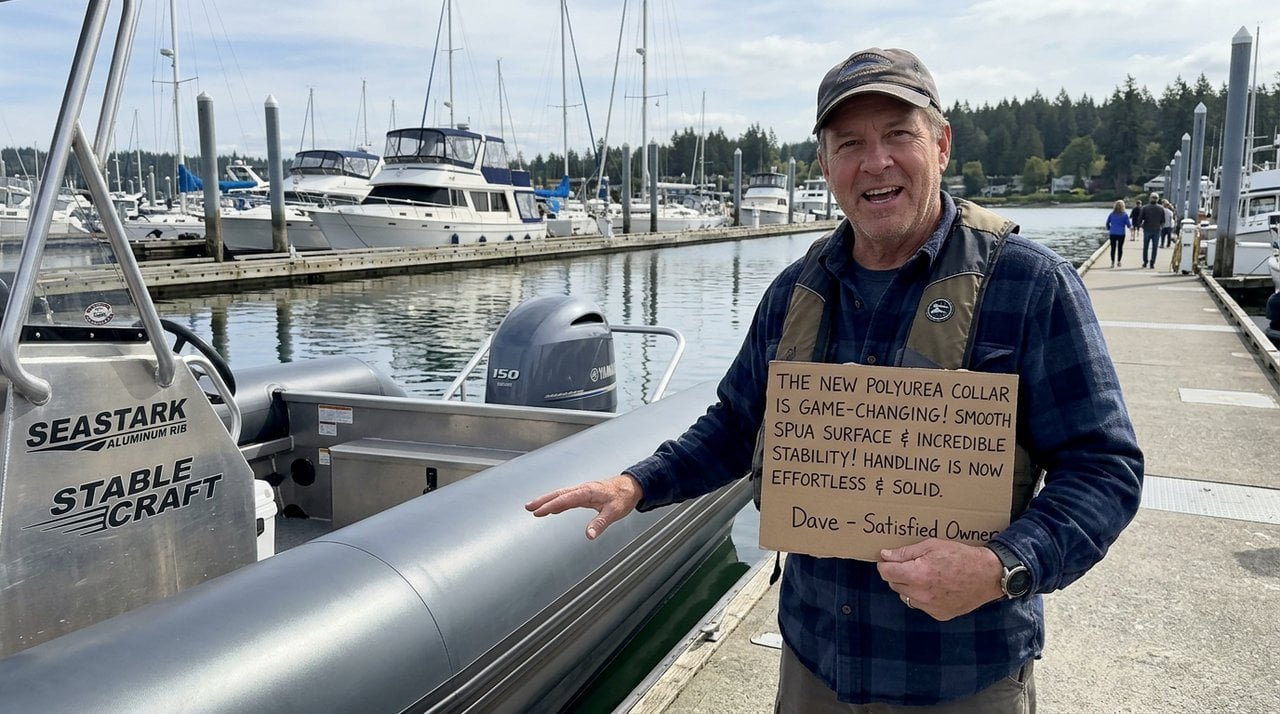
I have spoken with countless boat owners who were initially hesitant about modifying their hulls. One commercial fisherman told me that his narrow-beam skiff was practically unusable for hauling traps until he made the upgrade. He noted that the static stability transformed his vessel into a reliable work platform.
Another recreational boater shared her relief regarding the installation. She was worried it would require expensive shipyard labor. Instead, she found the foam collar installation remarkably simple, completing the job over a weekend just by following the provided instruction manual.
The consensus is clear across the board. Unlike those who opted for inflatables and regretted the dangerous driving dynamics, those who chose rigid foam enjoy peace of mind. They experience no shifting underway, just a solid, predictable, and incredibly stable ride.
Conclusion
Foam collars transform unpredictable vessels into incredibly stable, safe platforms. They eliminate dangerous rocking and are incredibly easy to install. For the ultimate upgrade in rough sea performance and unmatched static stability, trust Jettyguard foam collars8 to protect your boat and crew on every journey.
Explore how boat foam collars enhance stability and safety on the water, making your boating experience smoother. ↩
Learn about the importance of vessel stability in ensuring a safe and enjoyable boating experience. ↩
Explore methods to minimize wave impact and enhance your boating experience. ↩
Discover the reverse chine effect and how it can improve your boat's performance in rough waters. ↩
Explore the significance of hydrodynamic profiles in improving boat handling and performance. ↩
Understand static stability and its critical role in maintaining balance and safety on your vessel. ↩
Get insights into the simple installation process for foam collars and how you can do it yourself. ↩
Find out how foam collars can enhance your boat's performance and stability in challenging conditions. ↩