Offshore platforms face relentless battering from harsh seas and massive supply vessels1. Without proper protection, catastrophic structural damage is inevitable, costing millions in downtime.
Foam fenders2 provide the ultimate defense for offshore oil and gas platforms. Their closed-cell EVA core3 and thick polyurea skin4 deliver unmatched energy absorption, keeping both the platform and supply vessels safe during high-impact berthing operations.
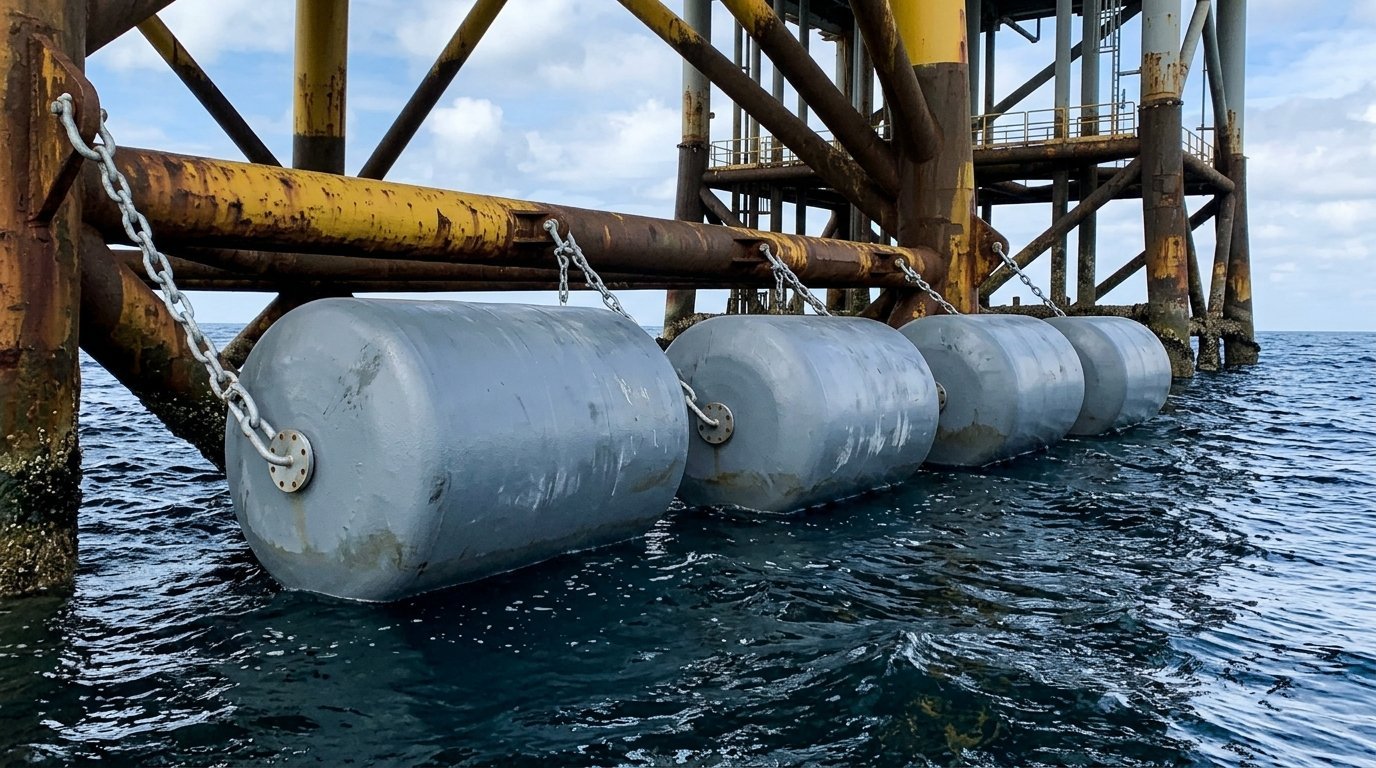
Let me walk you through why upgrading to specialized marine protection5 is non-negotiable for open-ocean operations.
Surviving Harsh Offshore Environments
Saltwater, intense UV rays, and chemical spills constantly attack offshore equipment. Standard marine fenders degrade quickly under these brutal conditions, leaving your platform vulnerable.
Our reinforced foam fenders are built to withstand extreme offshore conditions. We upgrade the polyurea layer thickness and utilize specialized coatings that completely resist salt corrosion, UV degradation, and chemical exposure6.
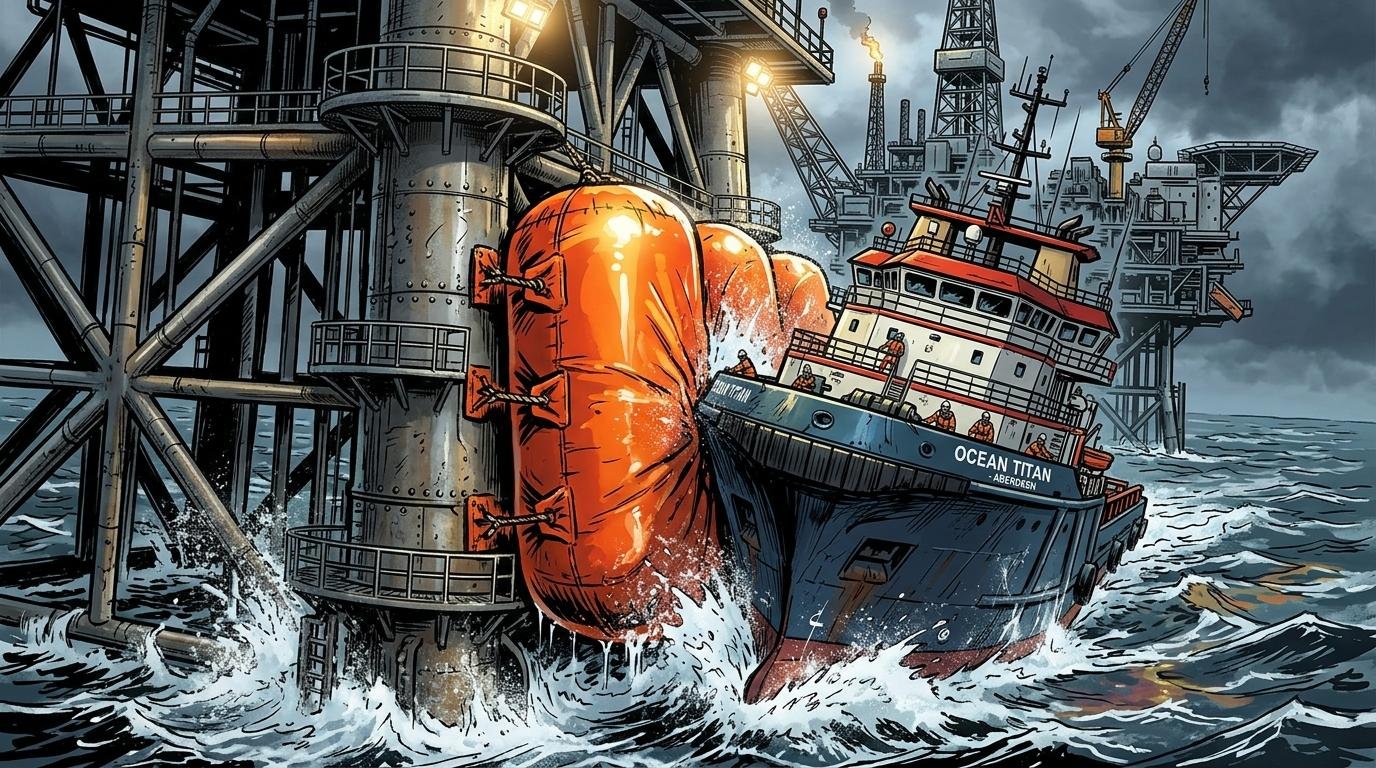
I started my career in a rubber fender factory. I know exactly how fast marine environments can destroy poor-quality materials. Offshore platforms need something tougher.
At Jettyguard, we approach offshore projects differently. We do not use standard off-the-shelf specifications. Instead, we engineer a custom defense system7.
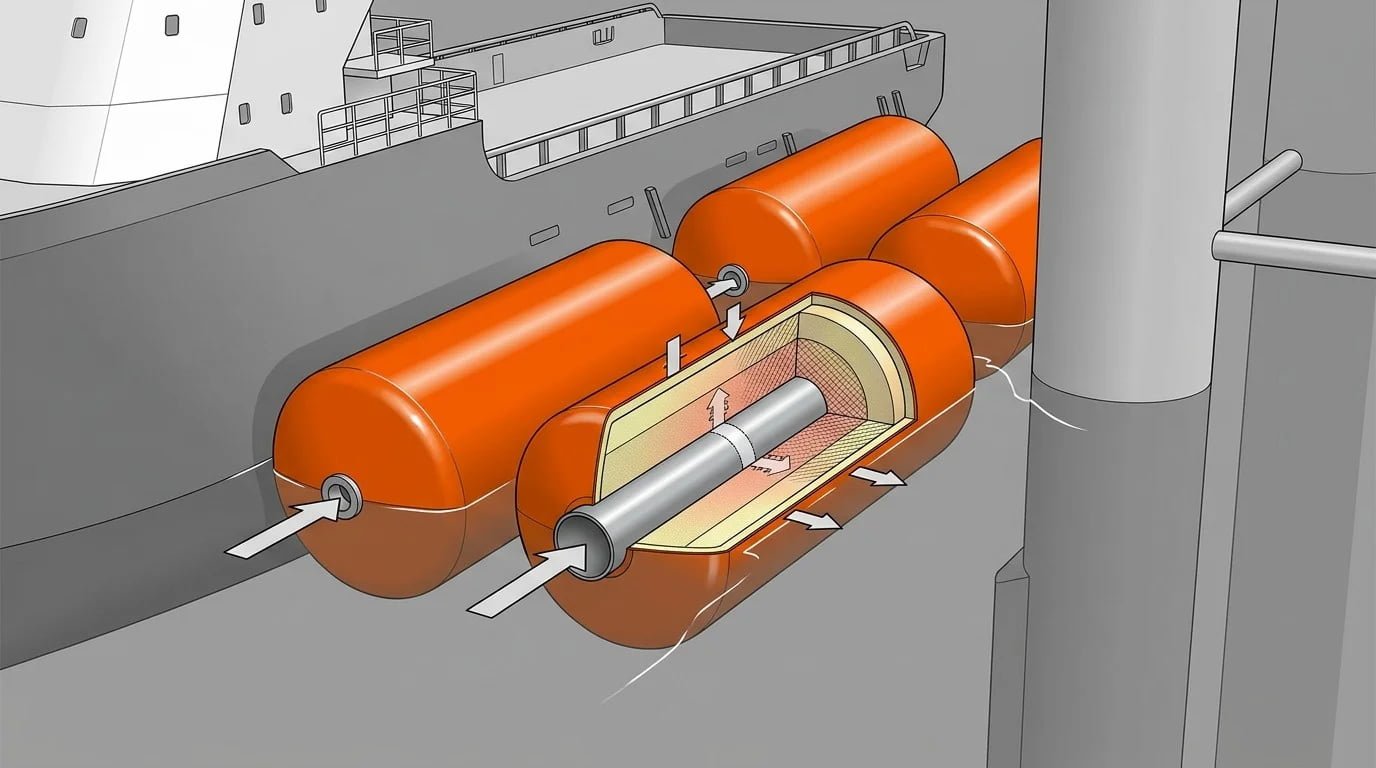
We strengthen every single component. From the central steel pipe to the heavy-duty mounting flanges8, everything is oversized for maximum durability.
The EVA foam core is completely closed-cell. This means it will never absorb water, even if the outer skin gets punctured.
Advanced Skin Protection
For extreme chemical and salt resistance, the outer skin is critical. We spray a much thicker layer of polyurea than standard models.
Sometimes, we supply rubber-wrapped foam fenders for these offshore projects. The thick rubber layer adds massive abrasion resistance.
This rubber casing provides incredible strength and longevity. It also significantly lowers the total cost of ownership over the platform's lifespan.
Your maintenance teams will spend less time replacing damaged fenders and more time focusing on core operations.
Managing Supply Vessel Berthing Impacts
Massive supply ships must berth against your platform in rough seas. One miscalculated approach can cause severe structural damage to both the vessel and the rig.
Upgraded foam fenders absorb massive kinetic energy during aggressive supply vessel berthing. By customizing foam density and internal structures, we ensure smooth, safe docking operations even in turbulent offshore waters.
Supply vessels do not have the luxury of calm port waters. They dock in rolling waves and high winds. This makes berthing highly unpredictable.
I have seen the damage caused by weak fender systems. Steel hulls crash against steel platform legs. The repair costs are staggering.
To solve this, we enhance the EVA foam density9 specifically for offshore use. This creates a cushion that yields under pressure without collapsing.
Specialized Reinforcements
We redesign the internal steel structure of the fender. The central pipe is reinforced to handle severe shear forces during vessel movement.
The heavy-duty flanges are upgraded to keep the fender securely attached to the platform, no matter how hard the ship hits.
For EPC project managers looking for cost-effective reliability, our rubber-layered foam fenders are perfect. The thick rubber skin handles friction beautifully.
This hybrid approach blends the energy absorption of foam with the sheer toughness of solid rubber. It is a proven solution for offshore logistics.
Vessel captains feel much more confident approaching a rig protected by these massive, high-performance fenders.
Maximizing Energy Absorption for Platforms
Offshore platforms are rigid and unforgiving. When heavy impacts occur, the platform structure takes the full force, risking catastrophic structural fatigue over time.
Our foam fenders deliver exceptionally high energy absorption with low reaction force. This protects the delicate structural integrity10 of the offshore platform while safely decelerating massive vessels.
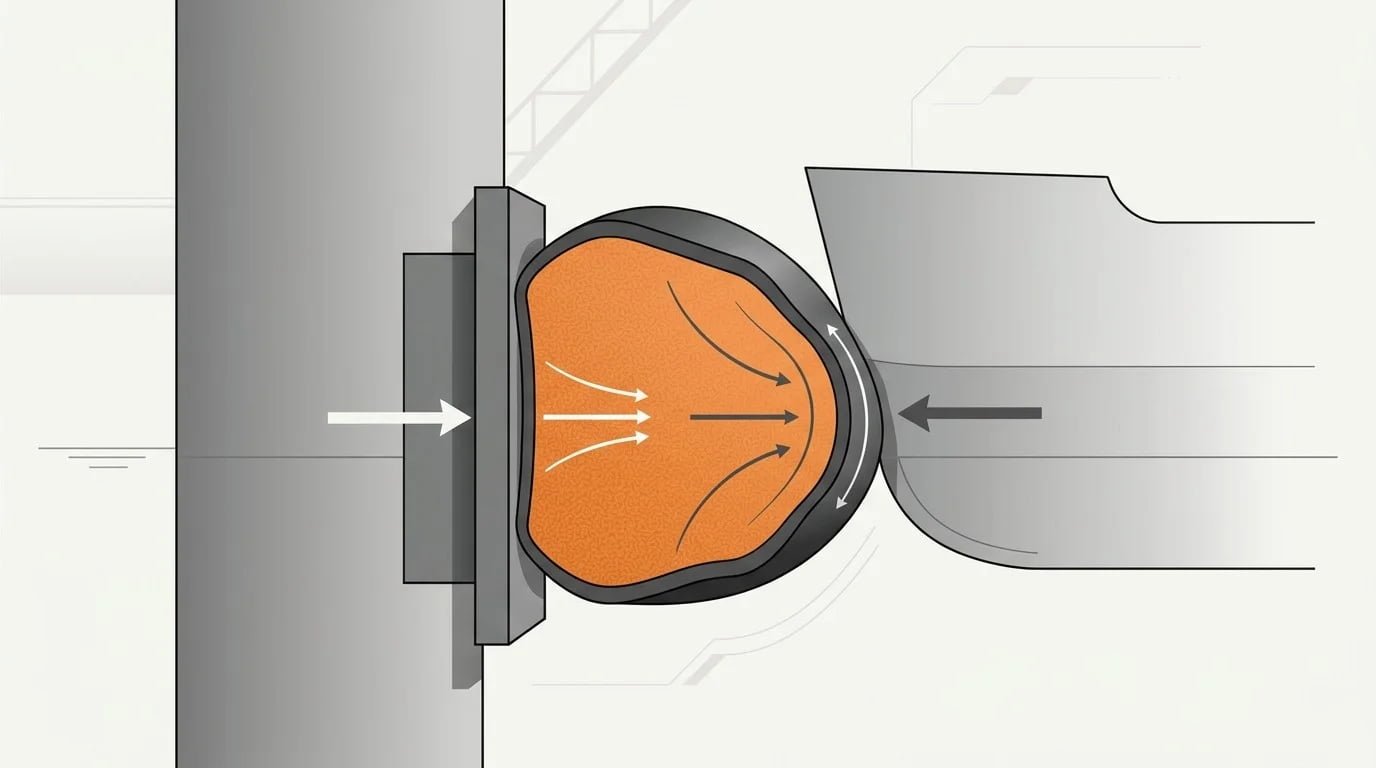
Energy absorption is the most critical metric for any marine fender. For offshore oil and gas rigs, it is absolutely vital.
Rigid platform legs cannot bend. If a fender transfers too much reaction force into the rig, the steel welds can crack.
At Jettyguard, our mission is to redefine performance through lightweighting. We achieve this by optimizing the foam matrix inside our fenders.
Performance Metrics
| Feature | Standard Fender | Jettyguard Offshore Fender |
|---|---|---|
| Foam Core | Standard EVA | High-Density Reinforced EVA |
| Reaction Force | High | Very Low |
| Outer Skin | Thin Polyurea | Thick Polyurea or Rubber |
By using a higher grade of EVA foam, we absorb more kinetic energy per cubic meter.
This means we can often use a slightly smaller, lighter fender to achieve the same protection level. It makes light work of protection.
The rubber-wrapped foam fenders we supply also excel here. The thick outer rubber acts as a first line of defense, absorbing initial shockwaves.
Procurement leaders demand safety and reliability above all else. Our high-energy absorption designs guarantee that your platform structure remains totally secure.
Overcoming Open Water Installation Challenges
Installing heavy equipment on a platform in open water is dangerous and expensive. Traditional solid rubber fenders are incredibly heavy, making offshore rigging a nightmare.
Foam fenders are significantly lighter than solid rubber alternatives, simplifying open-water installation. Their buoyant nature and customized mounting hardware reduce crane time and lower installation risks.
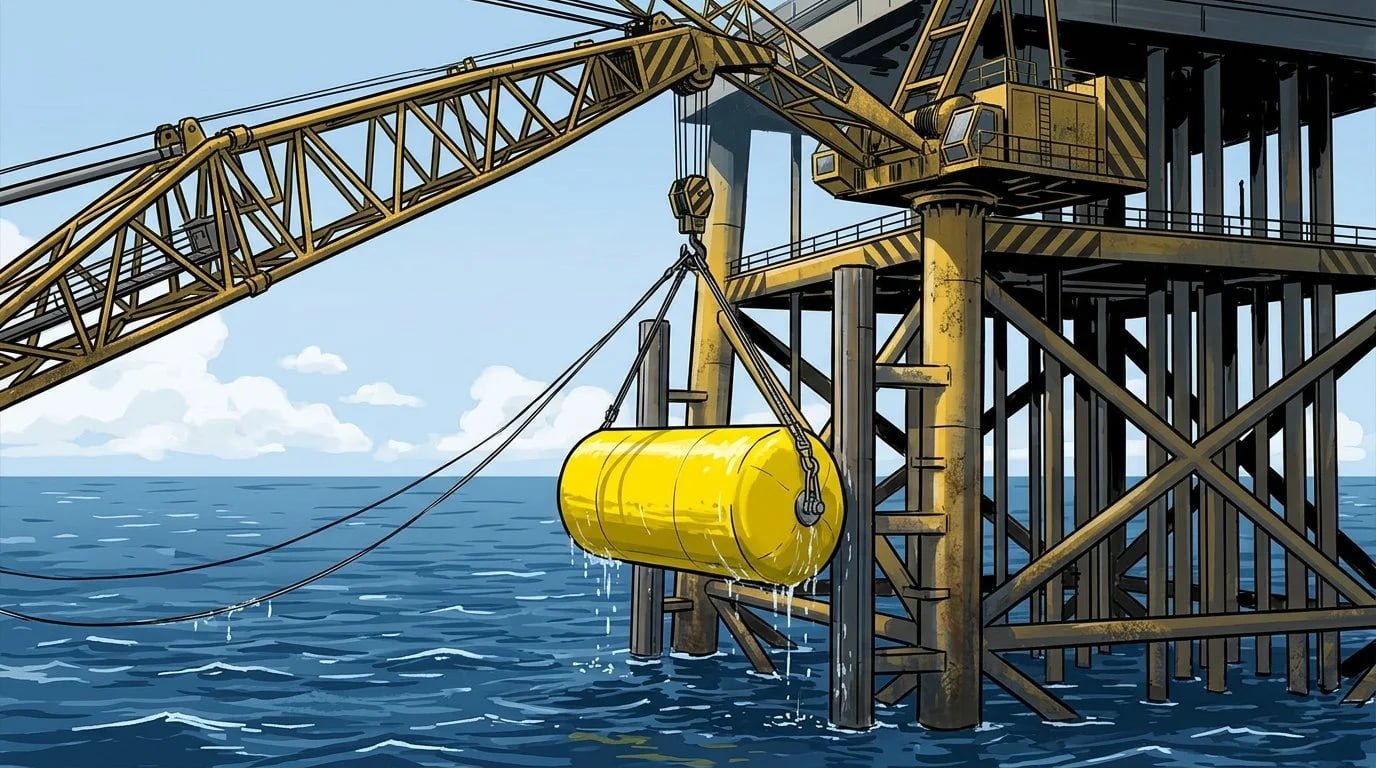
Working in the middle of the ocean introduces massive logistical hurdles. Crane time on an offshore rig costs a fortune.
Every minute spent installing a marine fender increases the risk to the crew. Heavy weather can halt installation entirely.
Because our foam fenders are mostly filled with air-trapping EVA foam, they weigh much less than solid rubber blocks.
This weight reduction is a game-changer for installation teams. Smaller cranes can handle the lift, and the rigging process is much faster.
Smart Mounting Solutions
We design the mounting hardware to be as simple as possible. Upgraded flanges and heavy-duty chains allow for quick, secure attachment.
Even our rubber-wrapped foam fenders, while slightly heavier due to the thick rubber skin, remain highly buoyant and manageable in the water.
They float perfectly at the water line. This natural buoyancy means the fender is always exactly where the supply vessel needs it.
Overseas distributors and installation contractors love this ease of use. It saves time, cuts labor costs, and significantly boosts operational safety.
Conclusion
Protecting offshore platforms requires specialized, high-strength solutions. Jettyguard’s custom foam fenders, featuring reinforced cores and ultra-durable skins, deliver unmatched safety. We make light work of protection. Contact us today to upgrade your offshore marine fender systems with confidence.
Learn about challenges supply vessels encounter and solutions to improve docking safety. ↩
Understanding foam fenders helps appreciate their critical role in marine safety and shielding. ↩
Discover how closed-cell EVA cores enhance durability and water resistance in marine applications. ↩
Learn about polyurea's properties and why it's vital for protecting offshore structures. ↩
Explore specialized solutions tailored for marine environments and their benefits. ↩
Understand the impact of chemical exposure on offshore equipment and how to mitigate it. ↩
Discover how custom solutions improve safety and reliability in marine operations. ↩
Understand the role of mounting flanges in ensuring secure and reliable fender systems. ↩
Understand how EVA foam density improves the effectiveness of maritime protective equipment. ↩
Learn how effective fenders protect the structural integrity of platforms against impacts. ↩