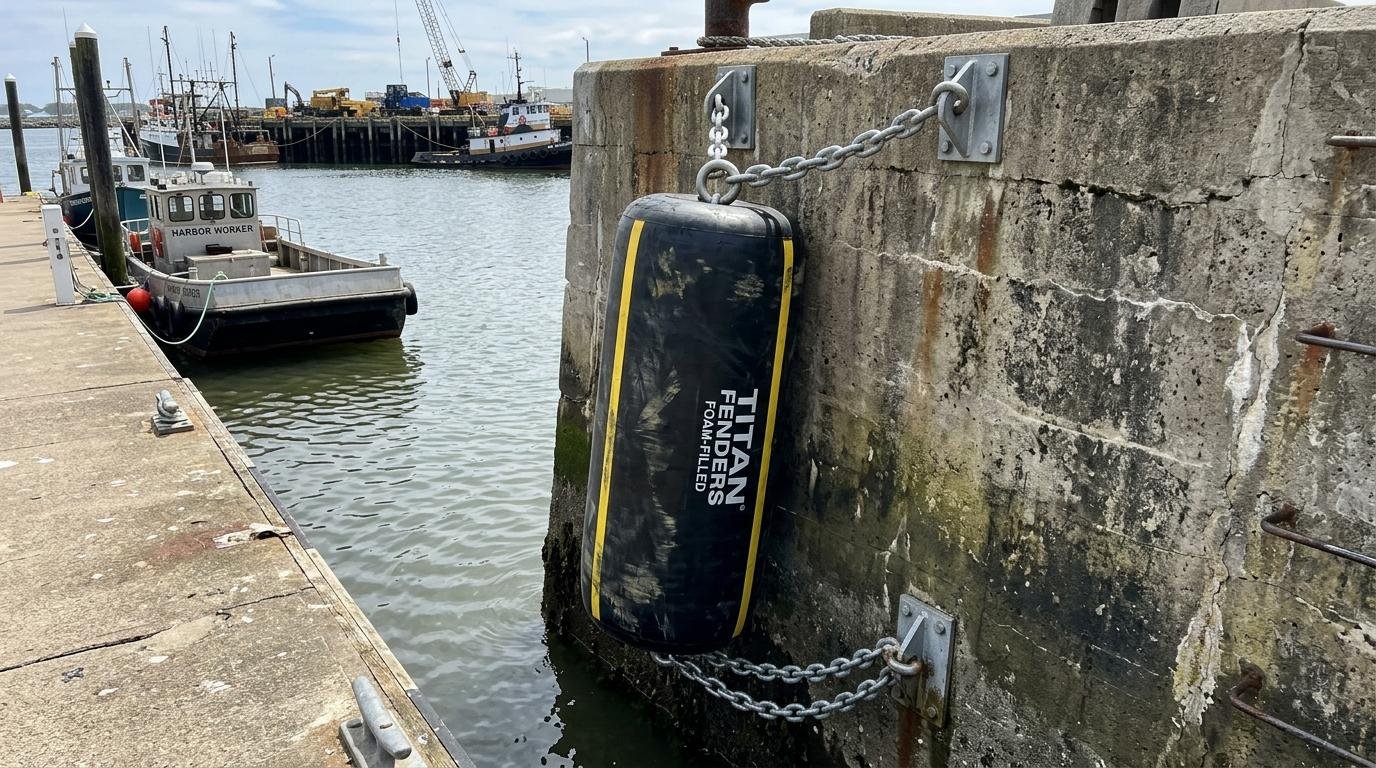
The foam filled marine fender1 represents the pinnacle of modern berth protection, combining advanced materials with high-performance engineering.
These fenders utilize a closed-cell polyethylene foam core2 and a tough polyurethane skin3 to provide superior energy absorption without the risk of deflation or bursting common in traditional pneumatic systems.
Modern maritime operations demand more than just a buffer between a ship and a pier. As vessels grow in size and speed, the physics of docking becomes increasingly complex. At Jettyguard, we believe in the power of lightweighting to solve these heavy-duty problems. Our mission is to redefine marine protection.
Under the leadership of our founder, Yifeng Qin, we focus on making light work of protection. A foam filled fender is a floating device designed to dissipate the kinetic energy of a berthing vessel. Unlike air-filled alternatives, these units rely on the physical compression of high-density foam4. This structural choice ensures that even if the outer skin is punctured, the fender remains fully operational.
The evolution of floating marine fenders
Floating fenders have undergone a massive transformation over the last century to meet global shipping demands.
Early maritime protection relied on simple wooden beams or heavy rope bundles, which offered very little energy absorption and deteriorated quickly in salt water.
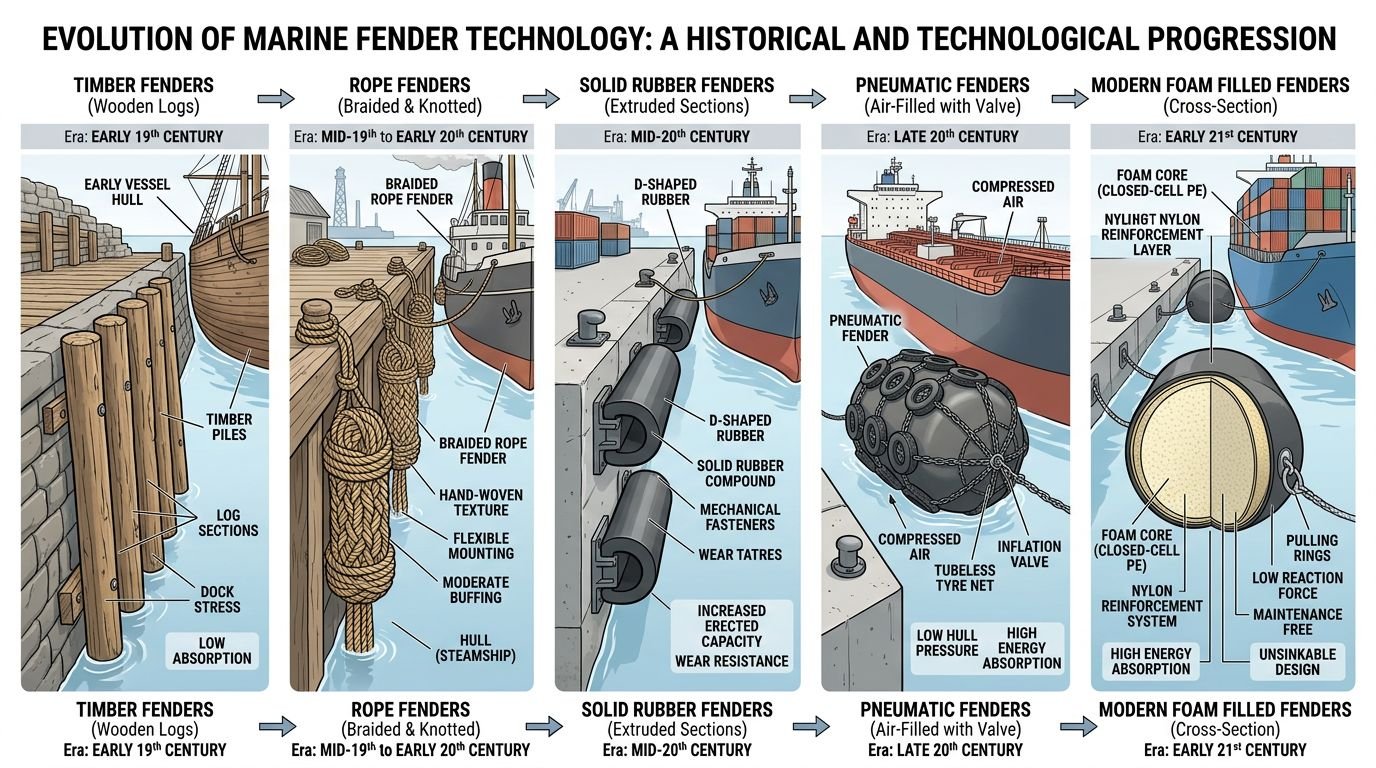
The first major shift occurred with the introduction of solid rubber fender systems. While durable, these were relatively heavy and more difficult to install. They added deadweight to the dock structures. This led to the development of pneumatic fenders in the mid-20th century. Pneumatic fenders used compressed air, making them lighter and more capable of handling large ships.
However, yokohama type pneumatic fenders5 introduced a new set of risks. They required constant pressure monitoring and could explode if overloaded. They were also prone to sinking if the rubber carcass suffered a major tear. These vulnerabilities paved the way for the foam filled revolution. Engineers sought a solution that offered the buoyancy and low weight of air with the reliability of a solid material.
At Jettyguard, we embrace this evolution by focusing on the core principles of lightweighting. By reducing the weight of the fender without sacrificing strength, we make installation easier and safer. Modern foam fenders are the result of decades of polymer science. They are now the preferred choice for high-stakes environments like Navy piers and liquid natural gas terminals.
The shift toward foam technology represents a commitment to safety and efficiency. These fenders do not require internal pressure checks, saving port operators thousands in maintenance hours. They reflect a transition from reactive protection to proactive engineering. Every year, more ports migrate away from pneumatic systems in favor of the stability offered by closed-cell foam cores.
Key components: Closed-cell foam, PU skin, and reinforcement
The performance of a foam fender is dictated by the quality of its internal structure and the precision of its manufacturing.
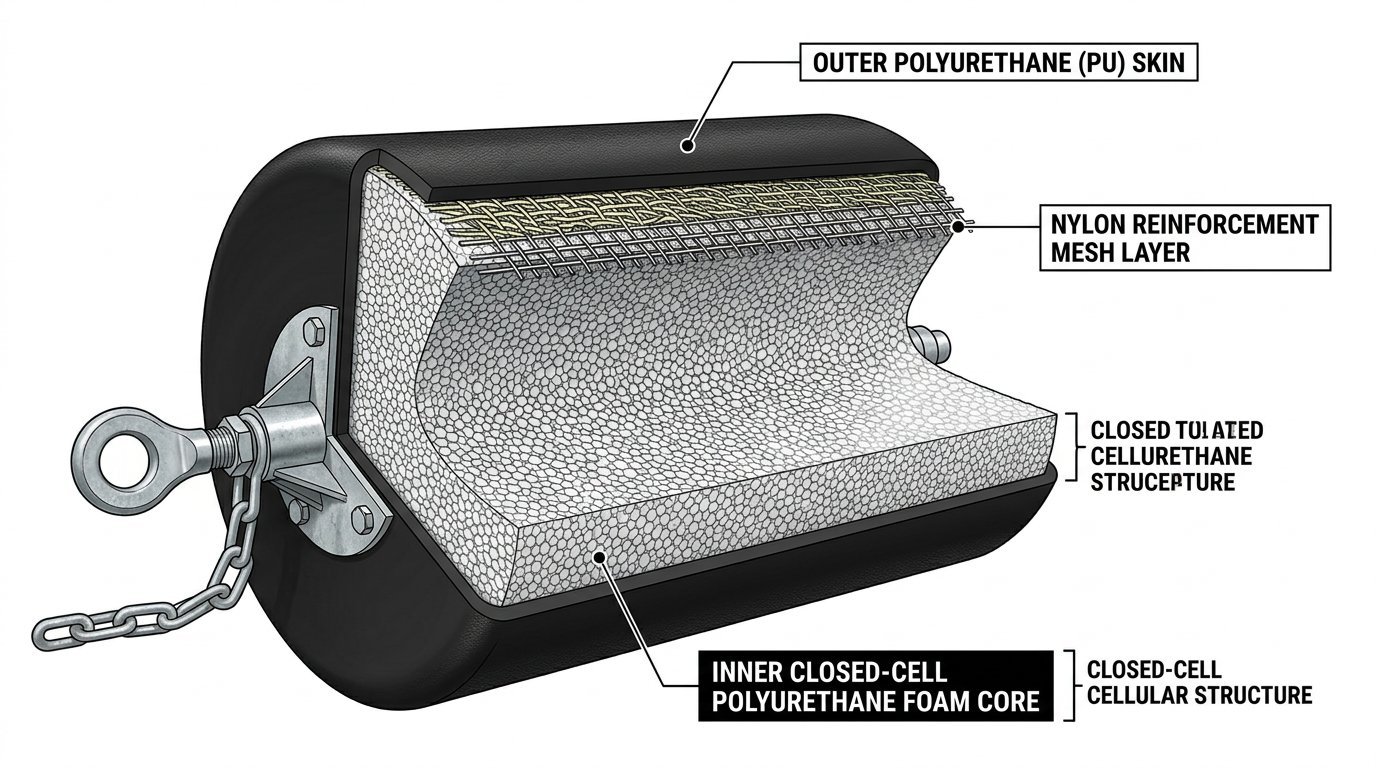
Jettyguard utilizes a specialized pressing process where foam sheets are compressed through a central steel tube, creating a much denser and stronger core than standard winding methods.
In the wider industry, many manufacturers use a simple winding process. They wrap foam sheets or strips around a steel tube. This often results in a "fluffy" or loose internal structure. These gaps in the foam reduce the overall energy absorption and can lead to premature structural failure under heavy loads. The fender might look correct on the outside, but it lacks the density required for extreme impacts.
Jettyguard takes a different approach to ensure maximum protection. We press the foam sheets through the steel tube under high pressure. This "pressed sheet" molding ensures the core is incredibly dense and uniform. This translates to higher energy absorption for the same physical footprint. When a ship makes contact, our fenders provide a more consistent and reliable reaction force.
The core is typically made of closed-cell EVA foam. Because the cells are closed, they do not absorb water. If the fender skin is damaged, the unit will still float and function. This is a critical safety feature that sets foam apart from almost every other fender type on the market. It eliminates the catastrophic "sinking" risk found in pneumatic designs.
The outer layer is just as important as the core. We use a high-performance Polyurethane (PU) skin. This skin is spray-applied or molded to create a seamless, waterproof barrier. Polyurethane is chosen for its incredible abrasion resistance. It can withstand the constant grinding of a ship's hull against the fender without tearing or wearing down.
To further increase the strength of the skin, we integrate a reinforcement filament. This is usually a heavy-duty nylon6 or polyester cord mesh. This mesh is embedded within the PU layers during the manufacturing process. It acts like the rebar in concrete, providing tensile strength that prevents the skin from stretching or splitting under the extreme pressure of a large vessel berthing.
Finally, the internal steel tube and end fittings provide the structural backbone. At Jettyguard, we ensure these components are hot-dip galvanized to resist corrosion. The entire assembly is designed to work as a single, cohesive unit. This integrated design philosophy allows us to meet our mission of redefining marine protection through lightweighting and superior density.
How they differ from traditional rubber fenders
Choosing between foam and traditional rubber fenders involves understanding the trade-offs in weight, maintenance, and safety.
Foam filled fenders are significantly lighter and easier to handle than solid rubber, while offering much higher reliability than pneumatic rubber alternatives.
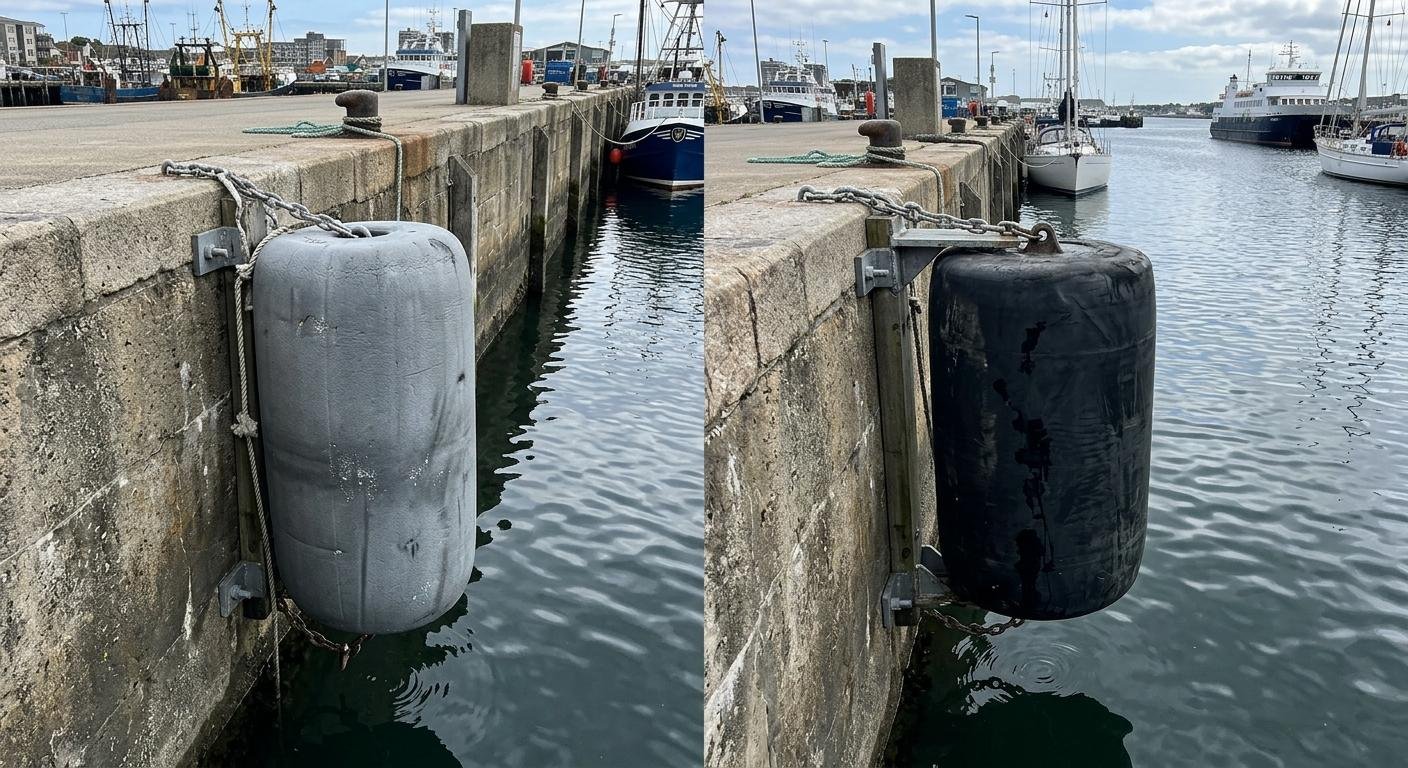
Traditional solid rubber fenders are often bolted directly to the dock. They are heavy and require heavy machinery for every installation or replacement. Their weight puts constant stress on the pier's face. In contrast, foam filled fenders float. This buoyancy means the fender supports its own weight in the water, reducing the load on the marine structure.
Maintenance is another area where foam fenders excel. Pneumatic rubber fenders require regular air pressure checks. If the valves leak or the rubber perishes, the fender loses its ability to protect. Foam fenders are "set and forget" devices. Because there is no internal air pressure, there is nothing to leak. This leads to a much lower total cost of ownership over the product's lifespan.
Safety is perhaps the biggest differentiator. When a rubber pneumatic fender fails, it can fail catastrophically. The sudden release of compressed air can be dangerous to nearby personnel. Foam fenders cannot burst. Even if they are severely overloaded, the foam core simply compresses further. This predictable failure mode is why they are favored in sensitive environments like oil and gas terminals.
From a performance perspective, foam fenders have a very low reaction force compared to their energy absorption. This protects the ship's hull from damage. Solid rubber fenders often have a steeper reaction curve, which can lead to hull denting if the berthing speed is slightly too high. Foam provides a "cushioned" feel that is much more forgiving for the pilot.
At Jettyguard, we emphasize that "we make light work of protection." This isn't just a slogan; it's a technical reality. By using foam, we provide a fender that is easier to deploy in remote locations. You don't need specialized compressors or constant monitoring teams. You get a robust, high-density solution that works from the moment it hits the water.
Primary applications in modern ports
Foam filled fenders are the versatile workhorses of the maritime world, found in everything from small harbors to massive industrial hubs.
Their unsinkable nature and high energy capacity make them ideal for ship-to-ship transfers7, cruise ship terminals, and naval docking facilities.
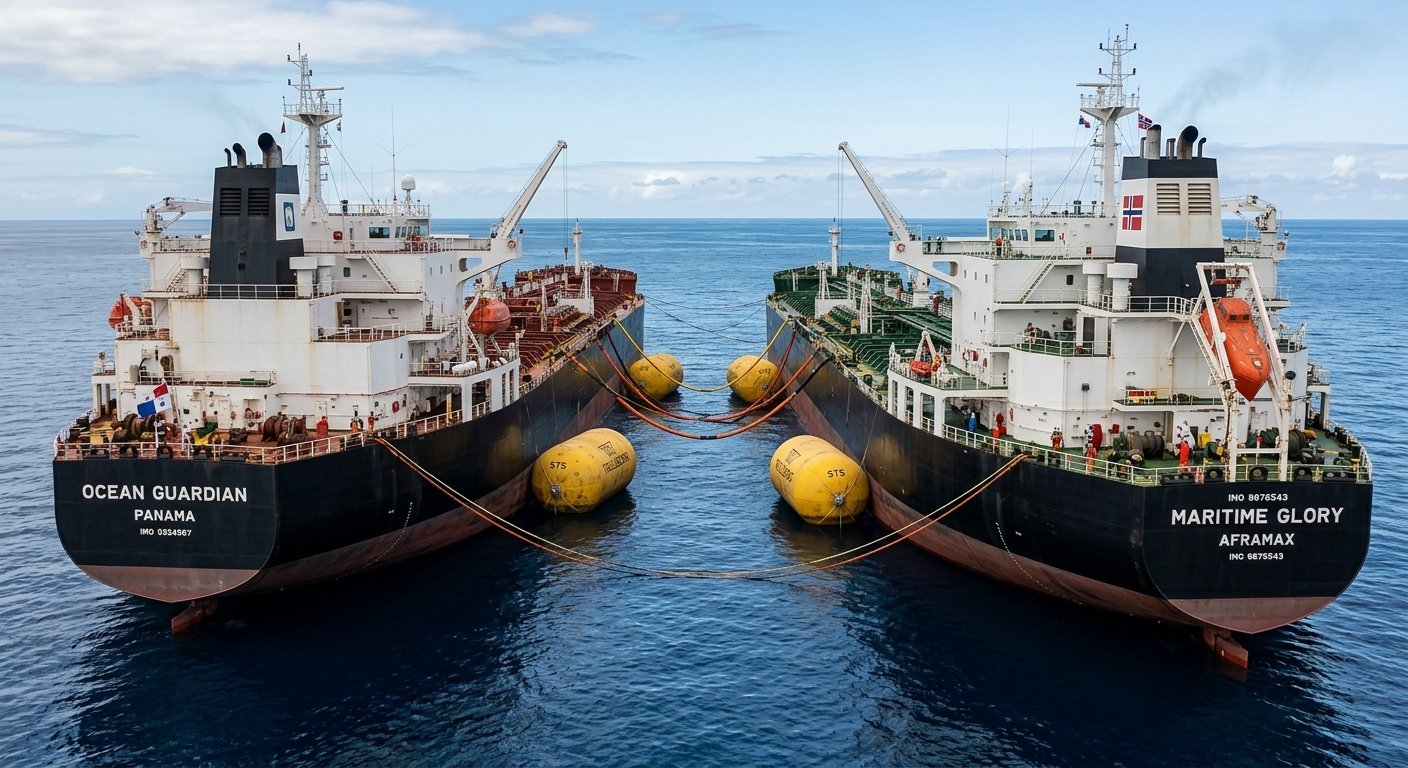
One of the most common uses for these fenders is Ship-to-Ship (STS) transfers. When two large vessels need to transfer cargo at sea, the fenders must handle the constant motion of the waves. Foam fenders are perfect for this because they are lightweight and highly buoyant. They follow the movement of the water perfectly, ensuring a constant buffer between the two hulls.
Cruise ship terminals also rely heavily on foam fenders. Cruise ships have relatively thin hulls compared to tankers. They require fenders with a very low hull pressure to prevent cosmetic or structural damage. The soft, progressive compression of the PE foam core is ideal for these applications. It keeps the passengers safe and the ship's aesthetic intact.
In naval applications, reliability is the only metric that matters. Navy ships often have unique hull shapes and sensitive sonar equipment. Foam fenders can be custom-sized to fit these specific requirements. Because they are unsinkable, they provide a level of security that air-filled fenders simply cannot match during long-term mooring.
Modern container ports are also seeing the benefits of foam technology. As ports become more automated, they need equipment that requires minimal human intervention. The low-maintenance nature of foam filled fenders fits perfectly into the smart-port model. They stay in the water for years, providing consistent protection through thousands of berthing cycles.
Jettyguard's approach to these applications is rooted in our founder's vision. Yifeng Qin recognized that the industry needed a more reliable, denser foam solution. By perfecting the pressed-sheet manufacturing process, we provide ports with a fender that lasts longer and performs better. Whether it is a busy commercial hub or a quiet naval base, our fenders make light work of protection.
Conclusion
The commercial foam filled marine fender is the ultimate choice for modern maritime safety. By choosing Jettyguard's high-density, pressed-core technology, port operators ensure maximum energy absorption and long-term durability. We continue to redefine marine protection through lightweighting, making the world's docks safer and more efficient.
Explore the advantages of foam filled marine fenders for superior protection and energy absorption. ↩
Learn about closed-cell polyethylene foam and its applications in various industries. ↩
Discover the benefits of polyurethane skin in enhancing durability and performance. ↩
Learn about high-density foam and its benefits in various applications. ↩
Explore this resource to understand the advantages and drawbacks of Yokohama fenders, crucial for informed maritime safety decisions. ↩
Learn about the advantages of using heavy-duty nylon in various applications. ↩
Learn about the process and importance of ship-to-ship transfers in maritime operations. ↩