Berthing heavy ships involves massive amounts of energy and friction. Without a reinforced skin, your foam fenders1 can tear, leading to costly replacements and potential hull damage. I want to show you how nylon filament turns a standard fender into a high-performance safety asset.
Nylon filament reinforcement acts as the structural skeleton of the fender. It is a high-strength layer embedded within the SPUA2 skin. This reinforcement distributes impact energy across the surface, preventing punctures and keeping the internal foam core protected from water ingress and UV degradation.
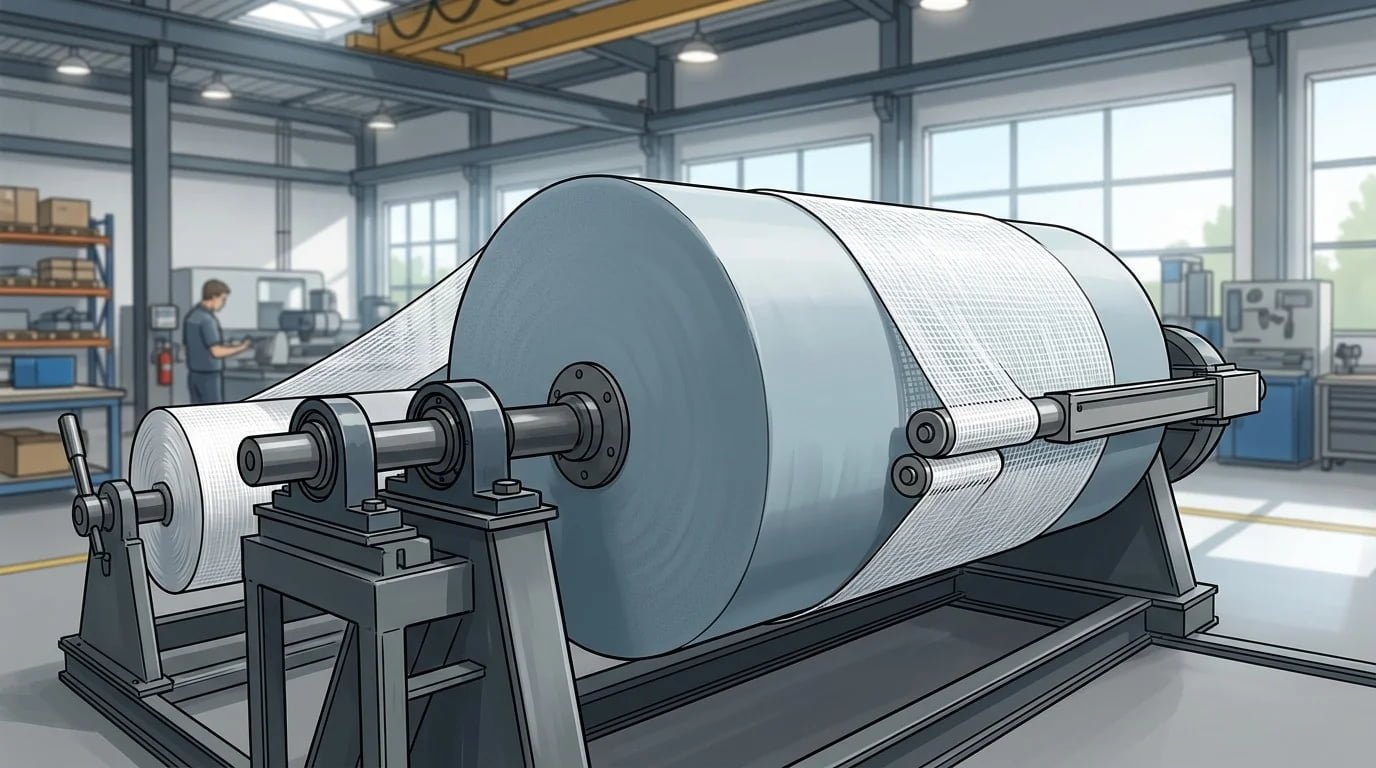
Understanding the internal structure of your fender is the first step toward better marine protection. Let's look at why the "skeleton" of the fender is just as important as the foam core inside.
How continuous filament winding strengthens the skin
A fender skin must be more than just a waterproof coating. It needs to be a structural component that can withstand stretching. I have seen many non-reinforced fenders crack under pressure because the skin was too brittle.
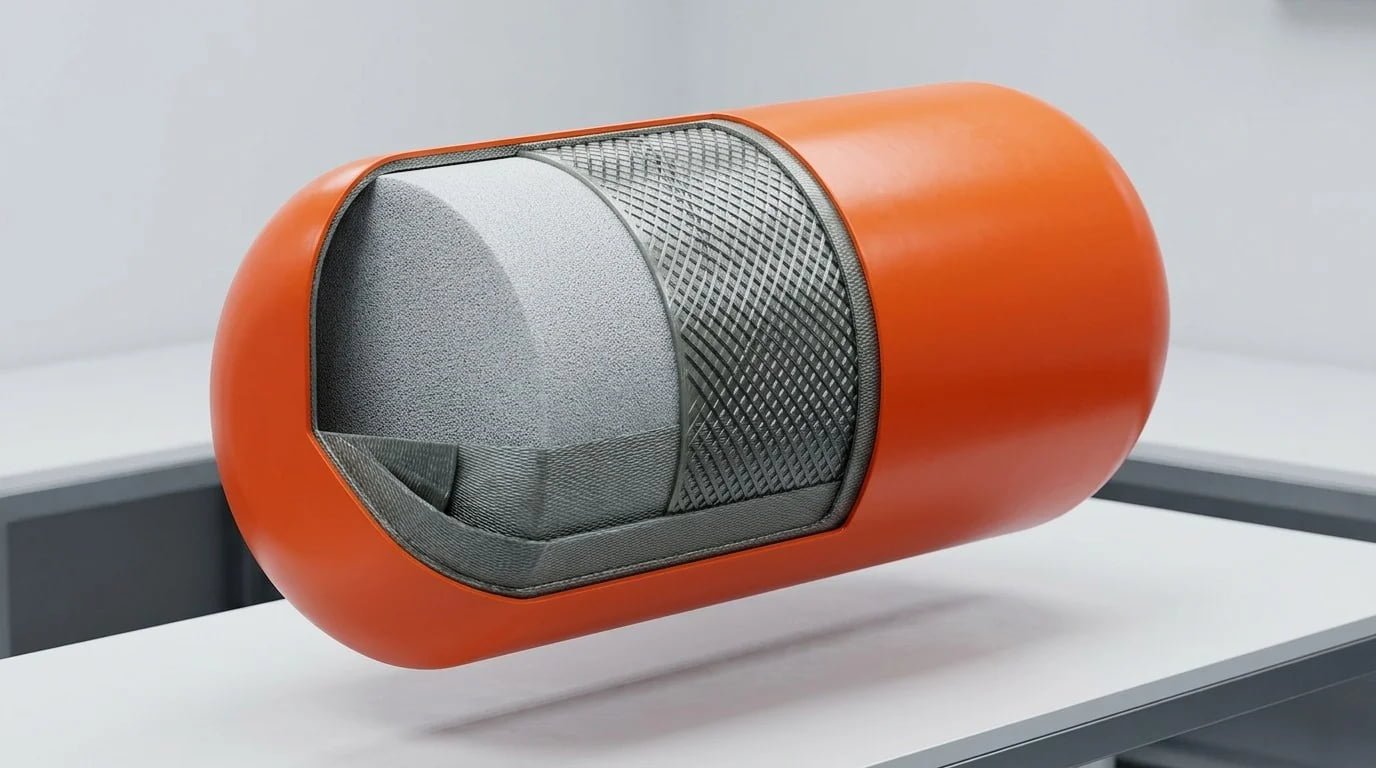
Continuous filament winding creates a structural matrix3 that binds the outer coating together. This prevents localized stress from causing a full skin rupture. It ensures the fender maintains its shape and protective properties even after years of heavy use in harsh berthing environments.
The Power of the Matrix
When I talk to distributors like Tommy, they always ask about durability. I explain that the nylon filament works like rebar in concrete. The SPUA (Spray Polyurea) provides the flexibility and sealing, while the nylon provides the tensile strength.
Without the nylon, the SPUA would stretch too far during a heavy impact. Eventually, it would reach its breaking point. The nylon filaments act as a limit. They catch the force and spread it out.
Maintaining Fender Shape
Continuous winding also helps the fender keep its cylindrical or spherical shape. Under high compression, the foam core wants to expand outward. The filament layer acts like a corset.
This is vital for project managers like those at Nuway Oaklane. They need fenders that stay consistent in size and performance. If a fender loses its shape, it can’t provide the calculated energy absorption required for the pier.
Reducing Surface Friction
The reinforced skin is also smoother and more resilient. When a vessel slides against the fender, the filament layer prevents the skin from "bunching up." This reduces the friction between the ship's hull and the fender surface.
By reducing this friction, we extend the life of the SPUA coating. It means fewer maintenance checks for the procurement leaders at LHG Mining. They value reliability above all else.
Tensile strength and tear resistance metrics
We can’t just say a fender is "strong." We need to prove it with data. In the marine industry, we look at tensile strength and tear resistance as the gold standards for performance.
Nylon reinforcement significantly increases tensile strength, often exceeding 20 MPa. It also boosts tear resistance to over 100 kN/m. These metrics prove that a reinforced skin can handle the shearing forces generated when a massive vessel scrapes against a concrete pier or jetty.
Measuring Real-World Stress
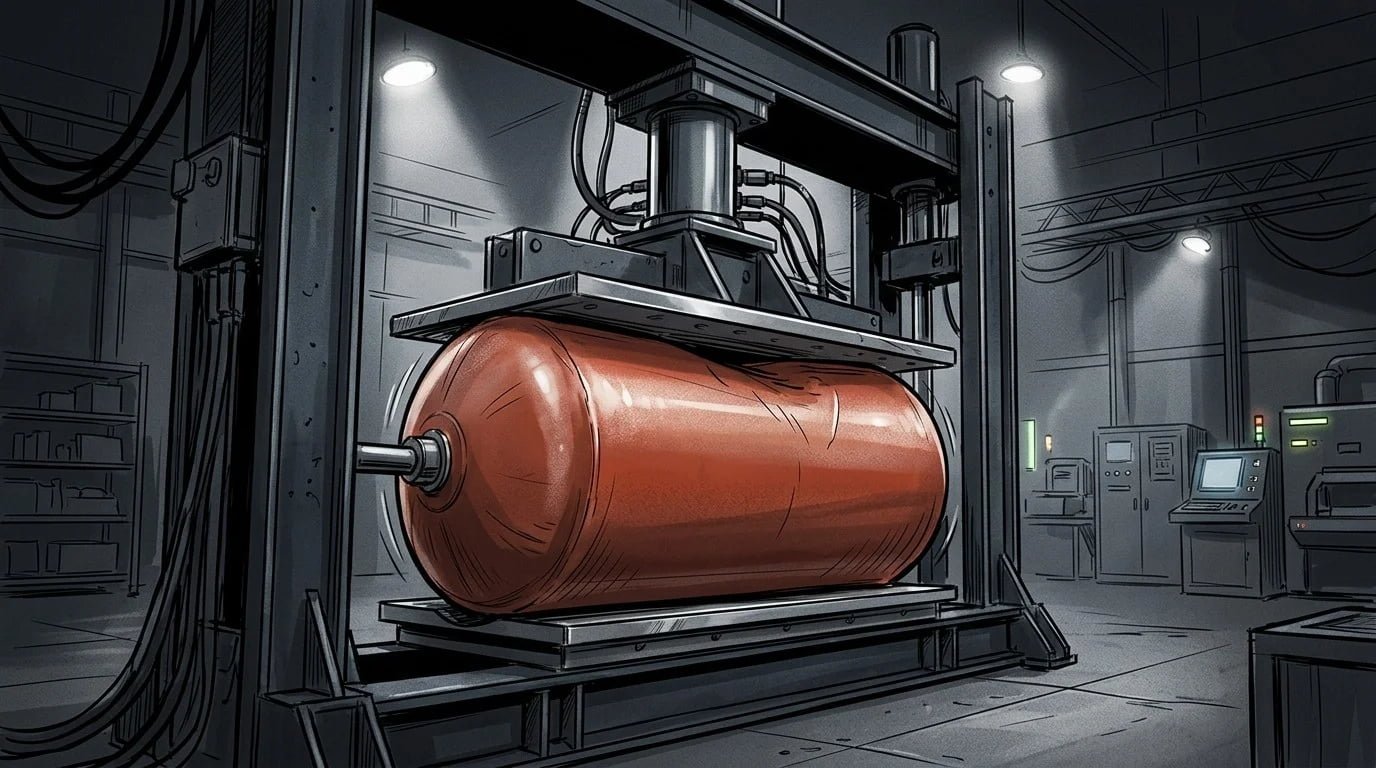
I often tell boat builders like Neil Fernando that quality standards are non-negotiable. When a boat hits a fender, it creates a "point load." This is a concentrated area of high pressure.
Tensile strength measures how much pulling force the material can take before it snaps. A reinforced SPUA skin is roughly five times stronger than a non-reinforced one. This is the difference between a minor scuff and a total skin failure.
The Importance of Tear Resistance
Tear resistance is even more critical for long-term use. If a sharp object on a hull nicks the fender, how far will that nick travel? Without nylon reinforcement, a small cut can turn into a giant rip under pressure.
The nylon mesh stops the tear in its tracks. Each filament acts as a physical barrier. It prevents the "unzipping" effect that ruins cheaper fenders. This is why our fenders last longer in the field.
Performance Under Temperature
Marine environments are brutal. We deal with freezing water and scorching sun. Nylon filaments are chosen because they maintain their mechanical properties across a wide temperature range.
They don't become brittle in the cold, and they don't turn soft in the heat. This stability ensures that the 20 MPa tensile strength4 you pay for is the same strength you get in the middle of a winter storm or a tropical summer.
Preventing catastrophic skin failure under load
Catastrophic failure is every port captain's nightmare. If a fender skin fails, the foam core can be exposed to the sea. Once the foam absorbs water, the fender loses its buoyancy and its ability to absorb energy.
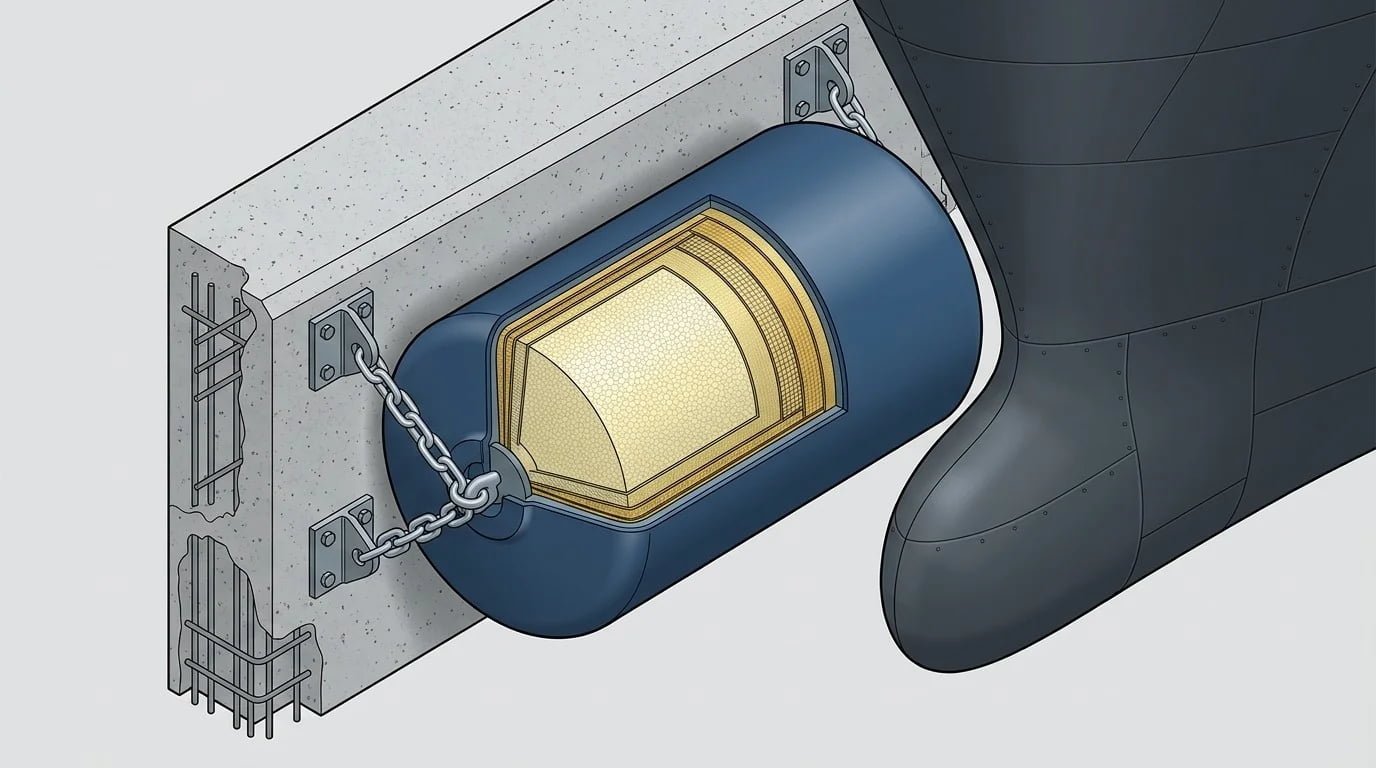
Reinforced skins prevent catastrophic failure by containing the foam core under extreme compression. Even if the outer SPUA2 layer is gouged, the nylon mesh holds the structure together. This prevents the "unzipping" effect where a small tear leads to a total fender blowout.
Protecting the Foam Core
The EVA foam core5 is the heart of our Jettyguard fenders. It is lightweight and high-performing. However, it needs the skin to protect it from the elements.
If the skin fails, the foam is vulnerable. The nylon reinforcement acts as a secondary containment system. I have seen fenders with deep gouges that still functioned perfectly because the mesh was still intact.
Safety for the Pier and Hull
When a fender fails suddenly, the energy absorption drops to zero. This sends a shockwave through the pier and the ship's hull. For LHG Mining, a failed fender could mean damage to expensive mining transport vessels.
By using reinforced skins, we provide a "graceful failure" mode. Even if the fender is damaged, it won't explode or fall apart. This gives the crew time to replace the unit without an immediate emergency.
Peace of Mind for Distributors
Tommy and other distributors need to know they are selling a product that won't result in warranty claims. A reinforced skin is the best insurance policy. It reduces the risk of returns due to "accidental" damage during normal docking.
I believe in building things that last. When we add nylon filament, we are building a product that honors our mission of redefining marine performance. It makes the fender lighter but much tougher.
Manufacturing techniques for filament layers
How we build the fender is just as important as the materials we use. There are different ways to add reinforcement, and not all of them are equal. I want to be honest about our process.
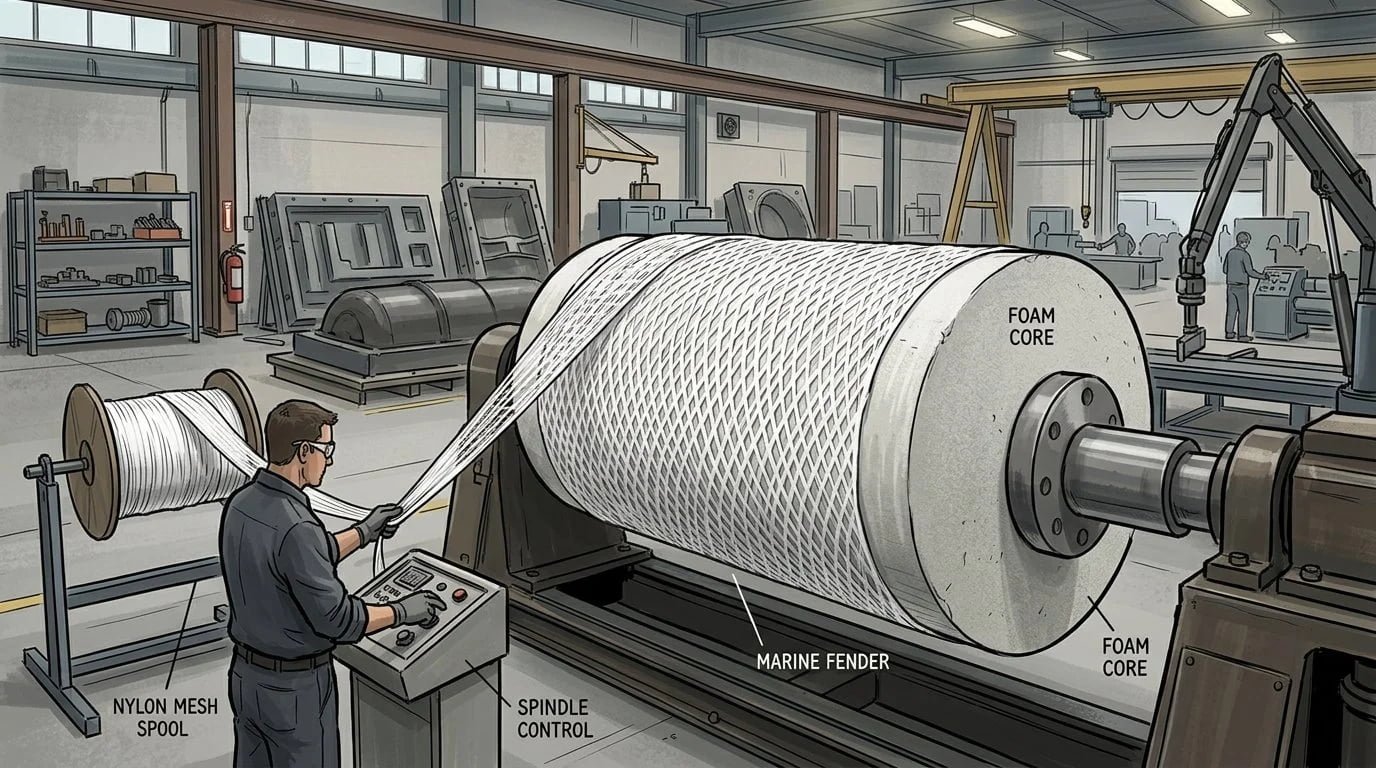
We use a superior method of wrapping pre-made nylon mesh around the foam core before applying SPUA. Unlike simultaneous winding processes, our technique ensures a true mesh connection. This creates a stronger bond between the foam, the nylon, and the protective spray coating.
The Problem with Simultaneous Winding
Some major brands use a process where they spray SPUA and wind filament at the same time. While this is fast, I don't endorse it. In that method, the filaments are just floating in the liquid.
They don't always form a true, interconnected mesh. If the filaments don't cross and lock together, they can't distribute the load as effectively. It’s like having loose strings instead of a strong net.
The Jettyguard Mesh Method
At Jettyguard, we do things differently. We source high-quality nylon mesh fabric from specialized manufacturers. We wrap this mesh tightly around the EVA foam core5 first.
This ensures that the "skeleton" is perfectly positioned and tensioned. Then, we apply the SPUA coating over the mesh. The liquid SPUA penetrates the holes in the mesh, locking everything together.
Better Bonding and Longevity
This method creates a much stronger bond between all three layers: the foam, the nylon, and the skin. It eliminates the risk of "delamination," where the skin peels away from the core.
For project managers like those at Nuway Oaklane, this means a better return on investment. The fender stays in one piece longer, even in high-shear environments. We make light work of protection by using smarter engineering, not just more material.
Final Inspection Quality
Because we apply the mesh first, we can inspect the reinforcement before the final coating goes on. We ensure there are no gaps or weak spots.
This level of detail is what Yifeng Qin built this company on. From his early days in a rubber fender factory to building Jettyguard, the focus has always been on quality. We don't take shortcuts because we know the stakes are high.
Conclusion
Nylon filament reinforcement is the secret to high-performance foam fenders6. It provides the tensile strength and tear resistance needed for modern marine operations. By choosing Jettyguard’s mesh-first approach, you ensure your vessels and piers remain safe. Explore our reinforced foam fenders for your next project today.
Discover how foam fenders enhance protection and ensure safety in busy berthing situations. ↩
Understand the features of SPUA and its importance in fender design and function. ↩
Learn how a structural matrix can enhance the integrity and reliability of fender systems. ↩
Get insights into tensile strength metrics and their relevance to marine safety equipment. ↩
Find out why EVA foam is chosen for its superior properties in marine applications. ↩
Discover how high-performance foam fenders enhance safety and durability in marine environments. ↩