Neglecting your boat's foam collar leads to costly damage. Don't let wear and tear ruin your investment. I'll show you simple steps to keep it looking and performing perfectly.
Maintaining a boat foam collar1 is generally simple. Regular cleaning and routine inspections of adhesion points2 and fasteners are usually all it takes. If damage occurs, you can often replace just the affected sections to save money and extend the lifespan of your marine fender.
Keeping your foam collar in top shape doesn't require a degree in marine engineering. By following a few straightforward routines, I ensure my boat stays protected year-round. Let's dive into the essential care practices you need to know.
Cleaning routines for EVA and PE foam
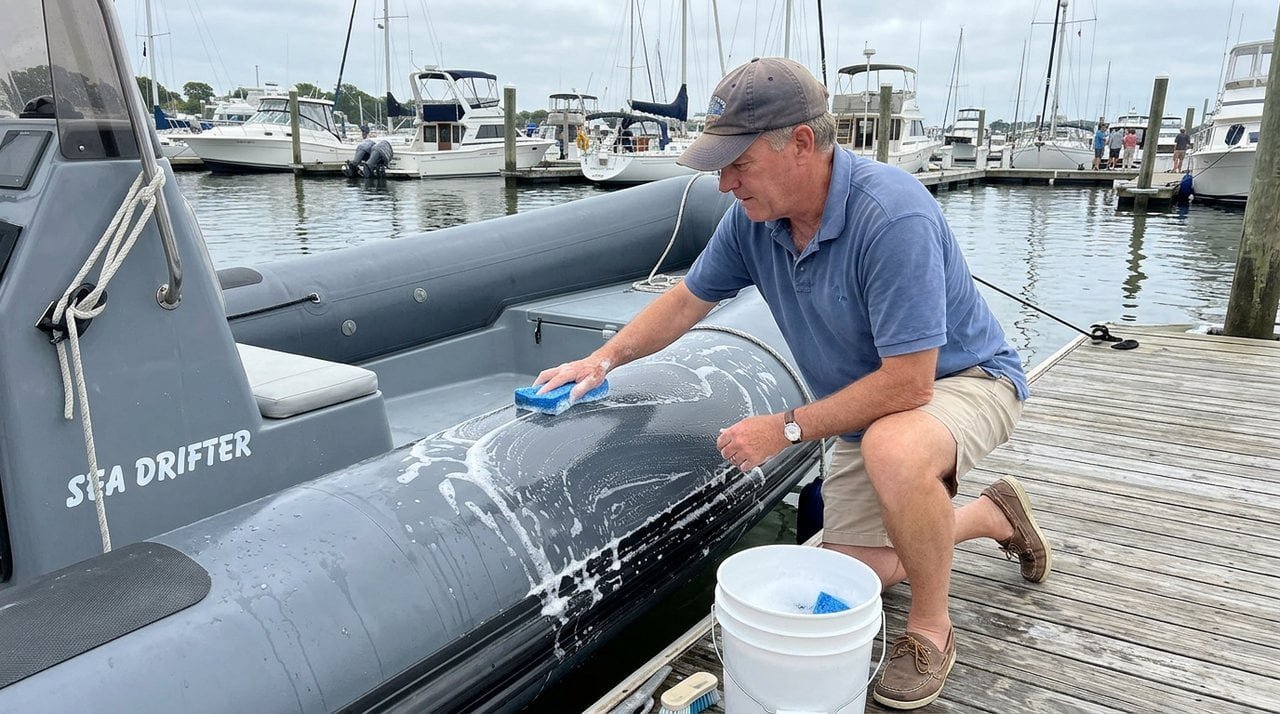
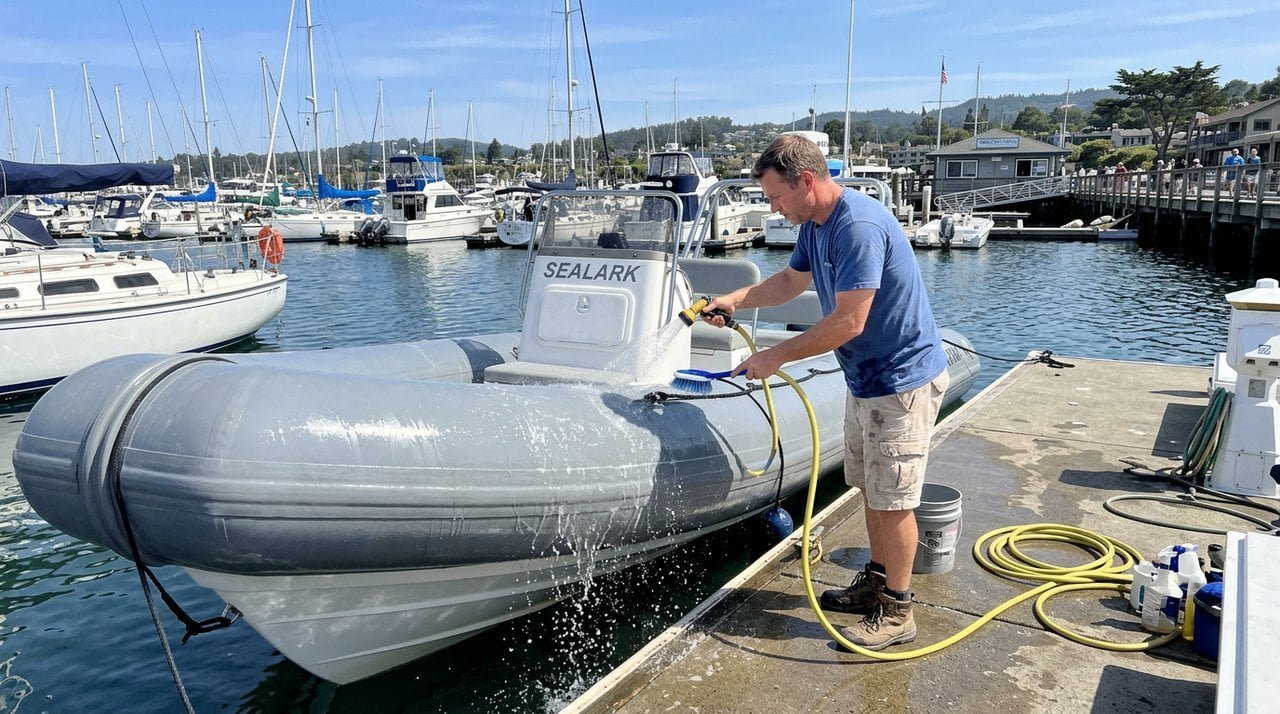
Dirt buildup makes foam collars look terrible. Left unwashed, grime degrades the material faster. I rely on a regular, gentle cleaning routine to keep my EVA and PE foam3 pristine.
To clean EVA and PE foam collars, use a soft-bristle brush, mild marine soap, and fresh water. Scrub gently in circular motions to lift dirt without scratching the surface, then rinse thoroughly. Avoid harsh chemicals that can break down the foam structure over time.
Choosing the Right Cleaner
When washing my foam collar, I always skip bleach or heavy-duty degreasers. These harsh chemicals strip the protective properties of EVA and PE foam. Instead, I mix a simple solution of warm water and a pH-neutral boat soap. This breaks down salt and dirt without compromising the material's integrity.
The Scrubbing Technique
I use a medium-to-soft bristle deck brush. Scrubbing too hard can create micro-abrasions where dirt loves to hide. I work in small sections, applying gentle, circular pressure. For stubborn stains like fish blood or bird droppings, I let the soapy water sit for a few minutes to loosen the mess before brushing.
Rinsing and Drying
Finally, a thorough freshwater rinse is crucial. Leaving soapy residue behind can cause a slippery surface and attract more dust. I always let the foam air dry completely before applying any protective sprays.
UV protection: Preventing fading and degradation
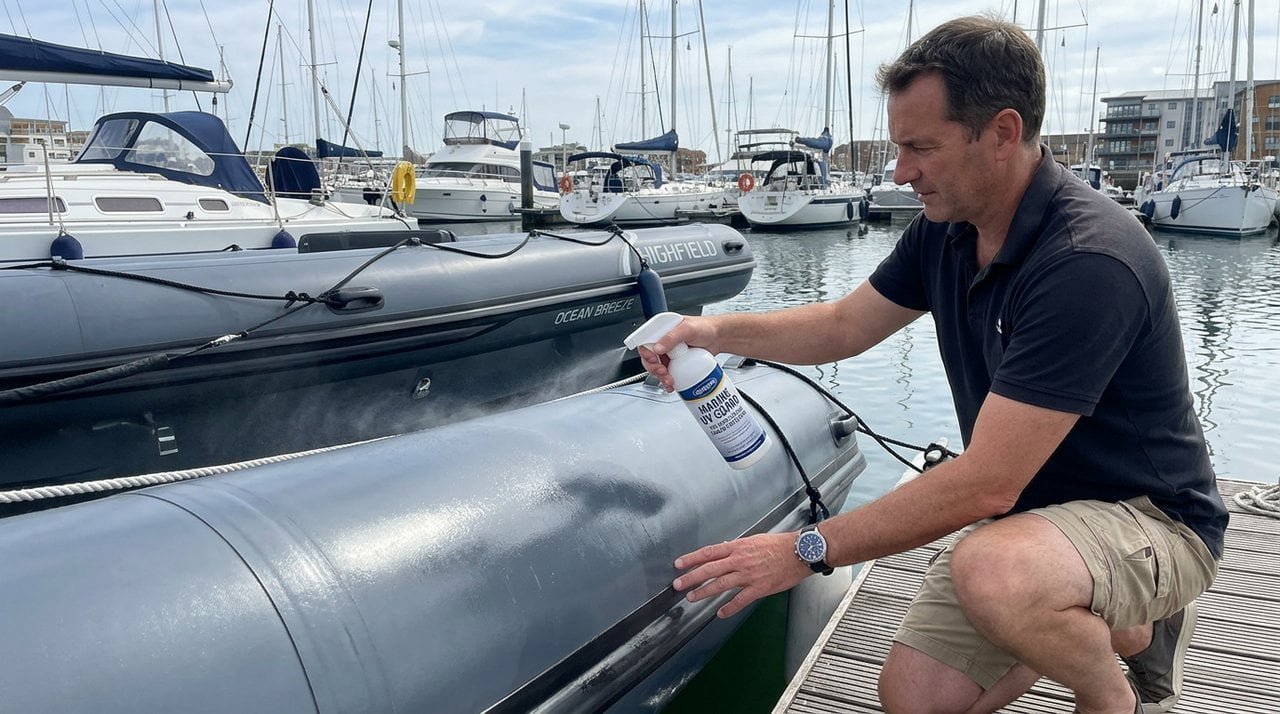
Relentless sun exposure bakes your foam collar. UV rays cause cracking, fading, and brittle surfaces. I apply dedicated UV protectants to shield the foam from harsh solar damage.
Prevent UV degradation by applying a marine-grade UV protectant4 spray specifically designed for EVA or PE foam every few months. Additionally, storing your boat under a cover or in a shaded area when not in use significantly extends the collar's vibrant color and flexibility.
The sun is arguably the biggest enemy of any marine foam product. Even the highest-quality EVA and PE foams will eventually succumb to UV radiation if left completely unprotected. I make it a habit to apply a specialized marine UV protectant at the start of every boating season, and I reapply it every two to three months.
Applying the protectant is a breeze. After a thorough cleaning and drying, I spray the protectant evenly across the collar and wipe off the excess with a clean microfiber cloth. This creates a microscopic barrier that reflects harmful rays and keeps the foam supple.
Beyond sprays, physical barriers are my ultimate defense. Whenever my boat is on the trailer or sitting at the dock for extended periods, I use a custom canvas cover. Blocking direct sunlight is the most foolproof way I've found to prevent premature fading and chalking.
How to repair gouges, cuts, or abrasion damage
Dock strikes cause ugly gouges in your foam. Ignoring cuts allows water intrusion and further tearing. I repair minor abrasions quickly to stop small issues from becoming major replacements.
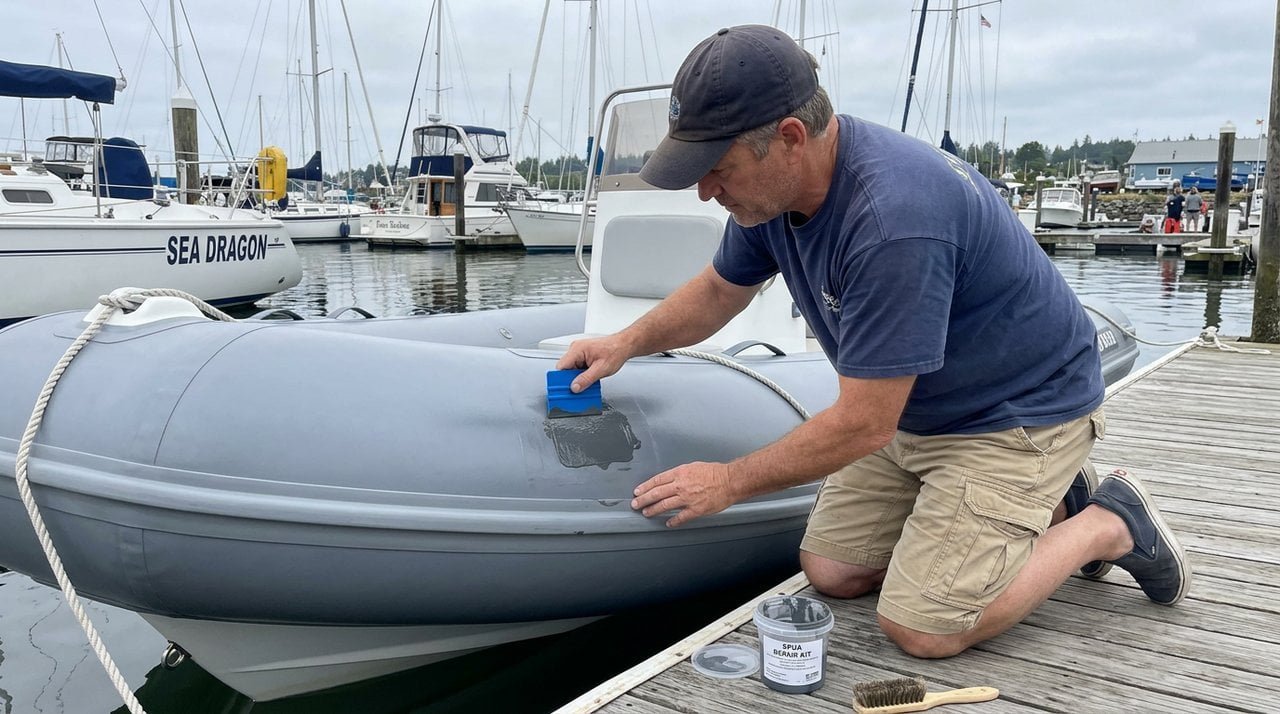
For minor cuts, use marine-grade contact cement or specialized foam adhesive to seal the tear. If the damage is extensive, remember that foam fenders can be replaced in sections. Replacing just the damaged segment is a highly cost-effective way to restore your boat's protection.
Accidents happen, and occasionally I misjudge a piling or rub against a rough dock. When I notice a small cut or gouge in my foam collar, I don't panic. For minor slices, I carefully clean the area with rubbing alcohol, let it dry, and apply a thin layer of waterproof marine adhesive. Pressing the edges together for a few minutes usually seals the wound perfectly.
However, significant abrasions or deep missing chunks require a different approach. One of the best features of modern foam collars is their modularity. When a section is beyond a simple glue repair, I don't have to buy an entirely new system.
Instead, I simply unfasten the ruined segment and swap it out for a new one. Replacing the collar in sections is incredibly budget-friendly. It gives me peace of mind knowing a major dock strike won't financially sink my maintenance budget.
Checking adhesion points and mechanical fasteners
Loose collars rattle and offer zero protection. Failed fasteners lead to complete system detachment. I routinely inspect every adhesion point to ensure my collar stays firmly attached.
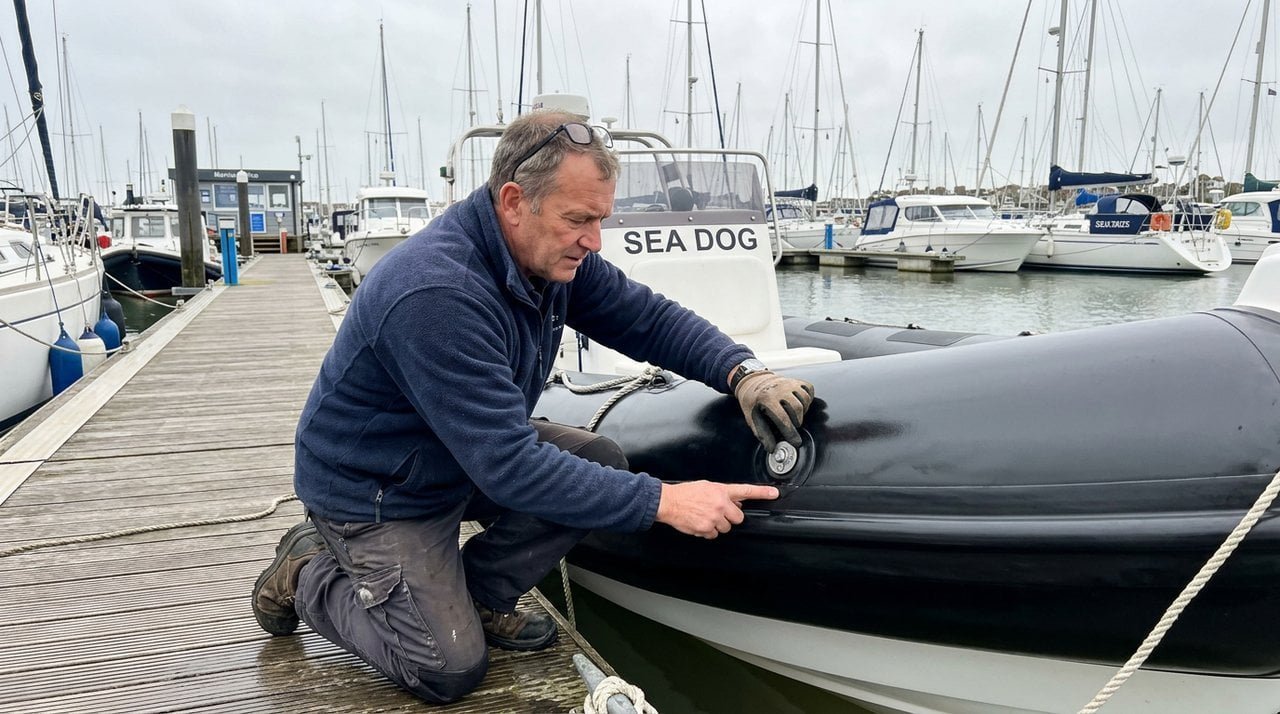
Most foam collar failures happen because adhesive points or fasteners have vibrated loose. Routinely inspect your mounting tracks, bolts, and glued seams. If you spot a loose section, immediately tighten the mechanical fasteners or reapply marine adhesive to properly reinstall the failing area.
Through my experience, I've learned that the foam material itself rarely fails on its own. When a collar starts coming off, the culprit is almost always compromised adhesion points or loosened mechanical fasteners. The constant pounding of waves and hull vibrations naturally back bolts out over time.
Once a month, I walk around my boat with a wrench and a keen eye. I physically tug on the foam collar to check for any play or separation from the hull. I ensure every bolt, washer, and track system is tightened to the manufacturer's specifications.
If I find a section where the adhesive has given way, I completely remove the loose part. I clean off the old residue, prep the surface, and reinstall it with fresh marine-grade adhesive. Catching these weak points early prevents the collar from ripping off entirely while underway.
Dealing with marine growth and fouling
Algae and barnacles cling to foam surfaces. This fouling5 causes drag and stains the collar permanently. I tackle marine growth promptly to maintain a sleek, efficient hull profile.
Remove marine growth by spraying the affected foam with a mixture of white vinegar and water, letting it sit to dissolve calcium deposits. Gently scrape away barnacles using a plastic putty knife to avoid gouging the foam, then scrub with a soft brush and rinse thoroughly.
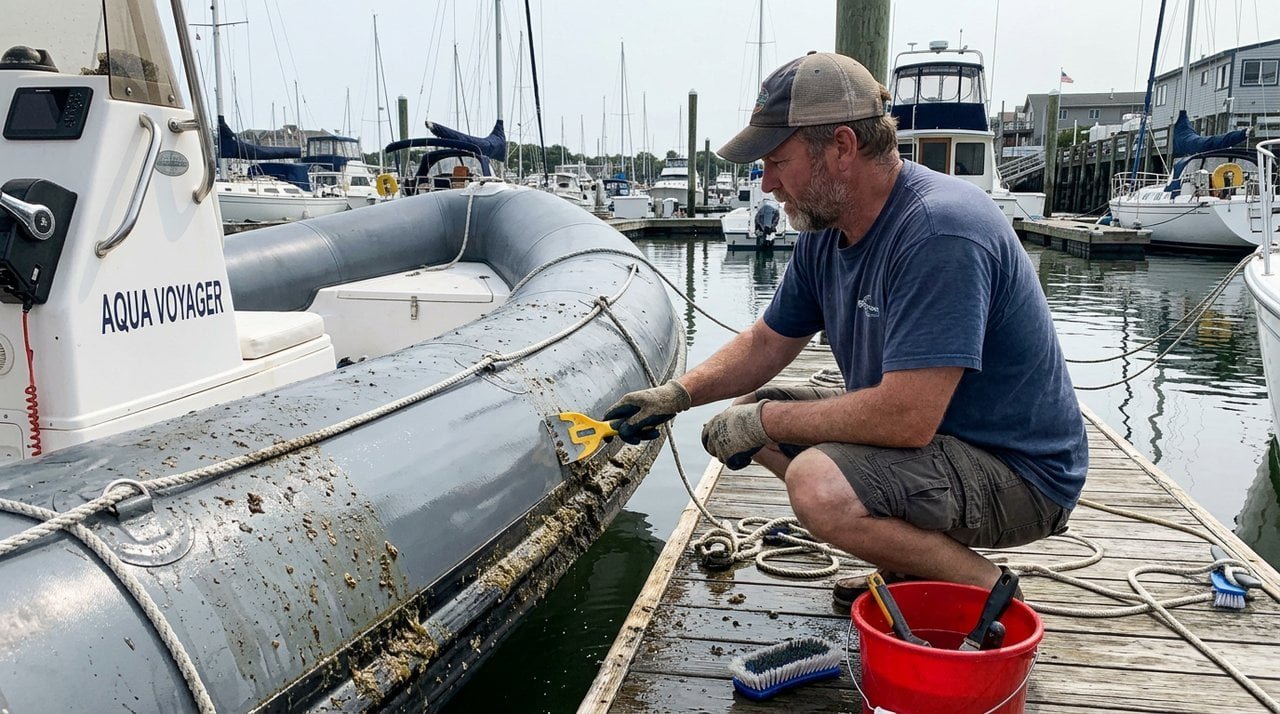
If you leave your boat in the water for extended periods, marine growth6 is inevitable. Algae, slime, and even small barnacles love to attach themselves to the lower edges of a foam collar. I try to address this fouling as soon as I pull the boat out of the water, while the growth is still wet and relatively soft.
For light slime and algae, my standard soap and water routine usually does the trick. But for stubborn calcium-based growth like barnacles, I use a 50/50 mix of white vinegar and water. The mild acid naturally breaks down the hard shells without melting the EVA or PE foam.
I never use metal scrapers. Instead, I carefully slide a plastic putty knife under the base of the barnacle to pop it off. It takes a little patience, but this method ensures I don't accidentally slice into the collar.
Conclusion
Maintaining your foam collar is simple with regular cleaning and fastener checks. Replacing damaged sections saves money while keeping your vessel safe. For the ultimate in durable, easy-to-maintain marine protection, I highly recommend upgrading your boat with a premium Jettyguard foam fender system today.
Explore expert tips on maintaining your boat foam collar to prevent costly damage and ensure longevity. ↩
Learn what to inspect at adhesion points to ensure your foam collar remains securely attached. ↩
Learn about the unique properties of EVA and PE foam to choose the best material for your boat. ↩
Understand the benefits of marine-grade UV protectants and how to apply them effectively. ↩
Understand the impact of fouling on your boat's performance and how to combat it. ↩
Learn effective strategies to prevent and remove marine growth from your foam collar. ↩