Are your traditional marine fenders degrading too fast? Constant replacements drain your budget and risk vessel safety. You need a better protective skin for your marine operations.
SPUA (Spray Polyurea Elastomer)1 outperforms traditional rubber in marine fenders2. While rubber offers basic elasticity, SPUA provides superior resistance to wear, seawater, corrosion, and UV rays. By coating an EVA foam core with SPUA, you get unmatched structural strength and energy absorption.
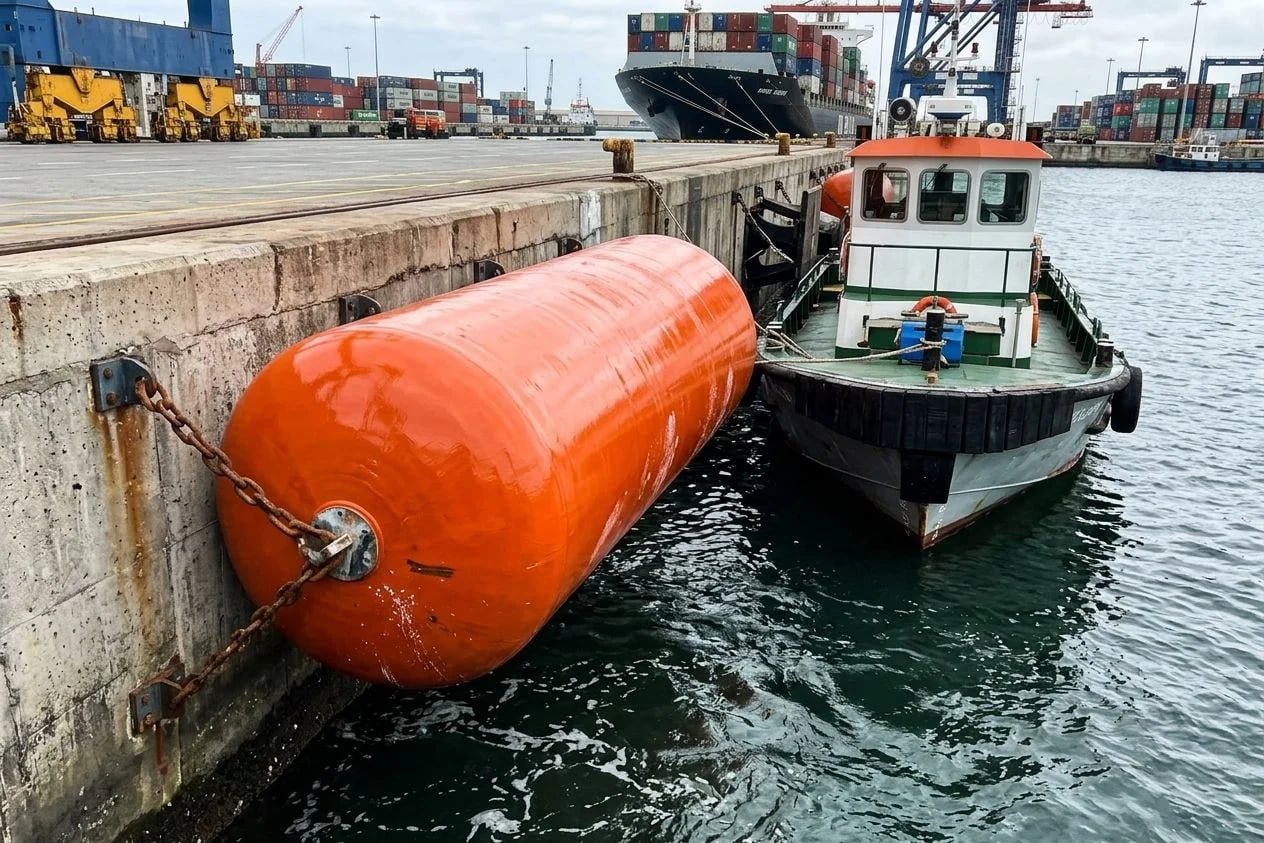
Let us explore why making the switch from rubber to SPUA skin can completely transform your marine protection strategy.
Chemical and UV Resistance of SPUA
Harsh marine environments destroy weak materials. Saltwater and relentless sunlight break down standard protection very quickly.
SPUA offers exceptional chemical and UV resistance compared to rubber. Rubber oxidizes and cracks under constant sun exposure. SPUA forms an impenetrable barrier against saltwater, oil spills, and intense UV rays, extending the lifespan of your fenders significantly.
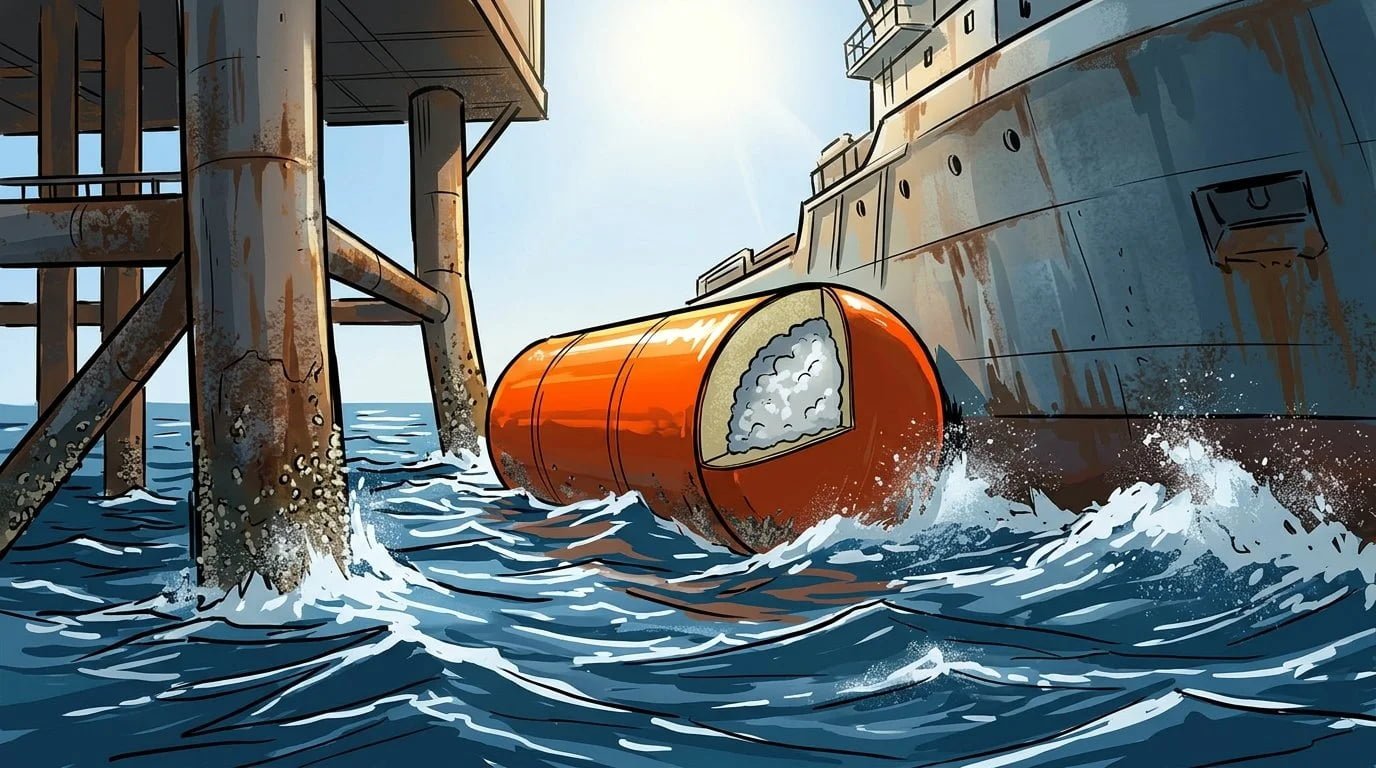
I have seen many rubber fenders fail prematurely. The ocean is an unforgiving place. Saltwater acts as a constant corrosive agent. Over time, standard rubber simply cannot hold up.
When you manage port facilities or offshore rigs, replacing degraded rubber is a nightmare. It halts operations and ruins budgets. SPUA changes this completely.
Unmatched Sun Protection
UV degradation is a silent killer for marine equipment. Rubber absorbs heat and UV rays. It slowly becomes brittle. You will see deep cracks form on the surface.
SPUA does not suffer from this issue. Its chemical structure naturally resists ultraviolet light. The material stays tough and flexible, even after years under the baking sun.
Resisting Harsh Chemicals
Ports are busy areas. Oil spills and fuel leaks happen often. Rubber swells and loses strength when exposed to hydrocarbons.
SPUA stands strong against these chemicals. It maintains its structural integrity. This makes it perfect for mining terminals and busy EPC projects where chemical exposure is a real threat.
Non-Marking Properties for White-Hulled Ships
Luxury yachts and patrol boats need pristine hulls. Scuff marks from black rubber ruin their appearance and demand expensive cleaning.
SPUA is entirely non-marking. Unlike carbon-black filled rubber, SPUA skins will not leave dark streaks on white-hulled ships. You can customize the color of SPUA, ensuring luxury vessels remain spotless during berthing operations.

Boat builders like Neil Fernando know the pain of ruined gel coats. A beautiful new vessel comes into port. It bumps against a standard rubber fender. Instantly, an ugly black mark appears.
Rubber relies on carbon black for strength. This additive is notorious for transferring onto lighter surfaces. Removing these marks wastes valuable time and labor.
The Clean Alternative
SPUA eliminates this problem entirely. It requires no carbon black. The surface is smooth and highly resilient.
When a white-hulled ship rubs against an SPUA fender, nothing transfers. The ship leaves the berth looking just as clean as when it arrived. This protects your reputation as a premium operator.
Custom Colors
Another great benefit is color customization. Rubber is almost always black. SPUA can be sprayed in high-visibility colors like yellow or orange.
This improves safety during night operations. It also helps your port maintain a modern, clean aesthetic. We make light work of protection, and looking good is part of that.
Wear and Abrasion Resistance Comparison
Constant friction between ships and docks destroys protective gear. You need a material that can take a serious beating without tearing.
SPUA dominates rubber in wear and abrasion resistance. Its high tensile strength prevents tearing from sharp hull protrusions. When combined with an EVA foam core, SPUA creates a heavy-duty shield that absorbs massive kinetic energy while resisting physical damage.

I started my career at a rubber fender factory. I know exactly how rubber behaves under extreme friction. It chunks, tears, and eventually falls apart.
SPUA is a completely different beast. It was originally developed for heavy industrial wear applications. It handles the scraping of massive ship hulls with ease.
Superior Tensile Strength
Rubber has decent elasticity, but its tensile strength is limited. If a sharp edge catches it, the tear spreads quickly. This compromises the entire fender.
SPUA stretches and rebounds, but it is incredibly difficult to pierce. Its molecular bonds are exceptionally strong. This structural strength keeps the inner EVA foam perfectly safe.
Cost-Effective Durability
For EPC project managers, longevity means cost savings. Replacing torn rubber fenders destroys project margins.
| Feature | Standard Rubber | SPUA Coating |
|---|---|---|
| Tear Resistance | Moderate | Extremely High |
| Abrasion Loss | High | Very Low |
| Maintenance | Frequent | Minimal |
Investing in SPUA coated foam fenders means fewer replacements. You get reliable performance year after year.
Flexibility in Extreme Temperatures
Weather extremes push marine equipment to the limit. Freezing winters and boiling summers alter the physical properties of many materials.
SPUA maintains its flexibility across a massive temperature range. Rubber hardens and cracks in freezing weather, and turns soft in extreme heat. SPUA performs flawlessly in both arctic chills and tropical heat3, guaranteeing reliable energy absorption anywhere.

Overseas distributors often operate in diverse climates. A fender that works well in tropical waters might fail miserably in freezing conditions.
Rubber is highly sensitive to temperature drops. In sub-zero weather, it becomes rigid. A rigid fender cannot absorb energy. Instead, it transfers the impact shock directly to the ship and the dock.
Arctic Performance
SPUA does not freeze solid like rubber. It retains its elastomeric properties even in extreme cold.
When a ship hits an SPUA-coated fender in the middle of winter, it still compresses. The EVA foam inside does its job, and the SPUA skin bends without cracking.
Tropical Heat Resilience
The same is true for high heat. Scorching climates make rubber too soft. It becomes sticky and loses its structural integrity.
SPUA remains stable in intense heat. It does not melt or become tacky. This thermal stability ensures that your port operations remain safe, no matter what the thermometer says.
Conclusion
Switching from rubber to SPUA changes everything. You get superior wear resistance, UV protection, and clean berthing for white-hulled ships. At Jettyguard, our SPUA coated EVA foam fenders4 deliver unmatched structural strength. Contact us today. We make light work of protection for your marine operations.
Discover how SPUA outperforms traditional materials in marine fenders for enhanced safety and durability. ↩
Explore this resource to understand the pitfalls of traditional rubber and why transitioning to advanced materials can save costs and improve safety. ↩
Discover the environmental adaptability of SPUA that ensures consistent performance across diverse climates. ↩
Explore this link for in-depth insights on SPUA fenders, their durability, and cost-saving benefits for marine operations. ↩