Is your boat’s protection weighing you down? Discover how foam filled fenders offer unsinkable security without the heavy lifting of traditional rubber.
A foam filled boat fender is a lightweight, high-performance marine bumper made from a solid closed-cell EVA foam core and coated with a durable polyurea skin1. Unlike hollow inflatable fenders, they cannot burst or sink, making them the preferred choice for workboats, patrol vessels, and modern yachts requiring reliability.
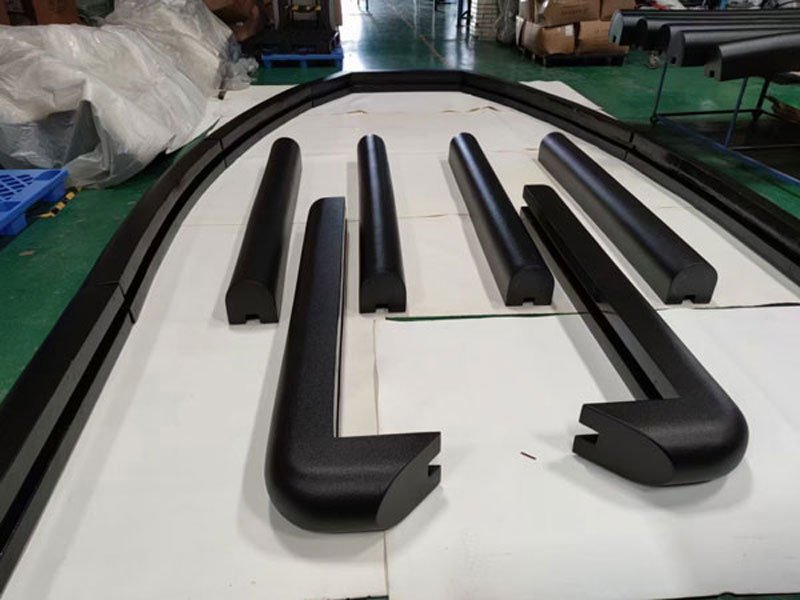
Many boat owners stick to what they know, unaware that a puncture could leave their hull vulnerable. But for those ready to upgrade, the switch to foam changes everything.
What exactly is a solid foam boat fender?
Think of it as the evolution of marine protection. While traditional fenders rely on trapped air, a solid foam fender relies on its core material.
The magic lies in the Closed-Cell EVA Foam2. "Closed-cell" means each tiny bubble of air inside the foam is sealed off from its neighbors. This is why, even if you cut the fender in half, it won't absorb water. It remains buoyant and functional.
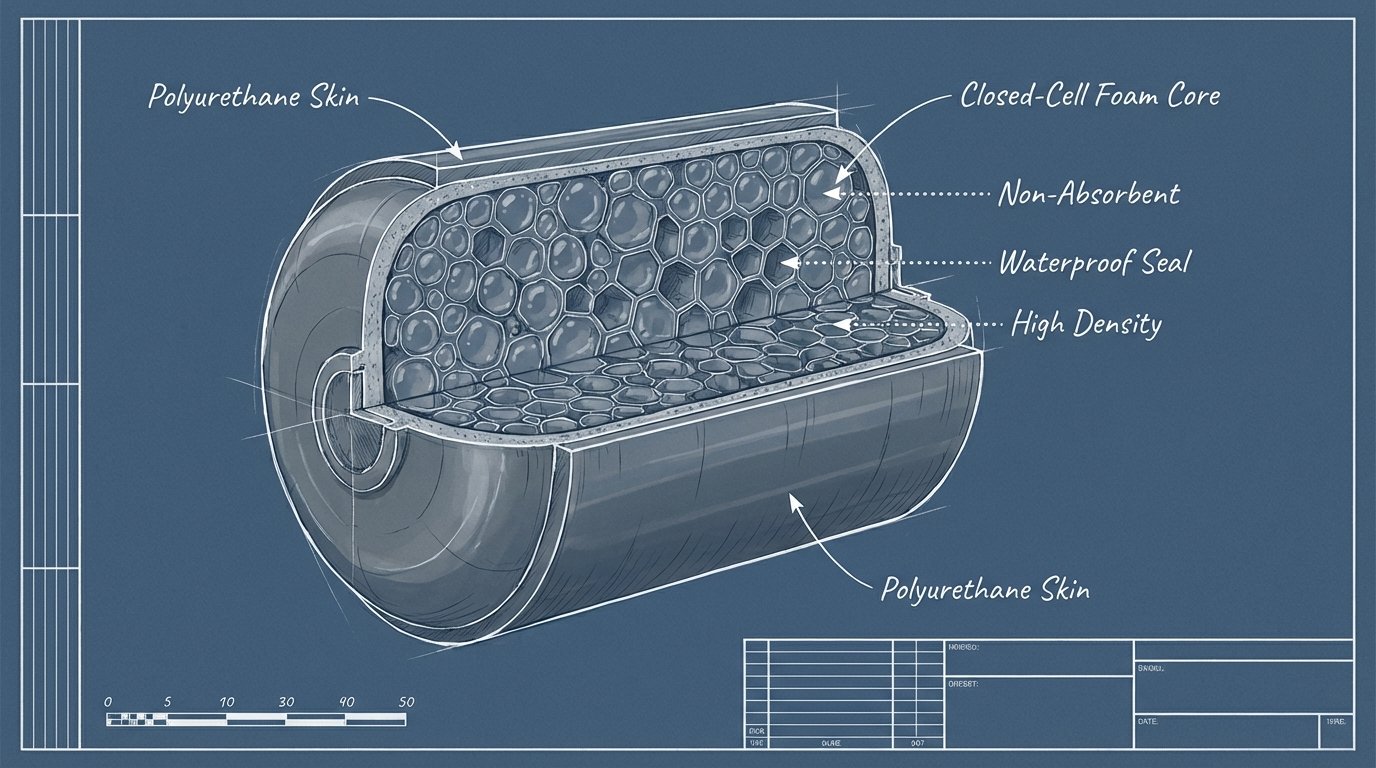
At JettyGuard, we use EVA foam with densities ranging from 33kg/m³ to 150kg/m³. This wide range allows us to tune the fender's performance—softer foam for delicate yacht finishes, or denser foam for heavy-duty workboat impacts. Wrapped in a tough polyurea skin, these fenders offer high energy absorption] with lower reaction force compared to solid rubber.
Unlike pneumatic fenders that require constant pressure checks, solid foam fenders are maintenance-free. I remember a client who managed a fleet of patrol boats; they were constantly replacing popped PVC fenders due to sharp dock edges. Once they switched to solid foam, their replacement costs dropped to zero for over three years. The core simply absorbs the impact energy through deformation, and because it's solid, it never loses its shape permanently. The polyurea skin acts as a shield, resisting abrasion, UV rays, and even chemical spills, ensuring the fender lasts for years in the harshest marine environments.
How does Closed-Cell technology actually work?
It's all about energy management. When your boat pushes against the dock, the fender compresses.
In a pneumatic (air-filled) fender, you are compressing air. If the pressure gets too high, it can burst. In a solid rubber fender, the material is stiff and transfers a lot of that "push back" (reaction force) to your hull.
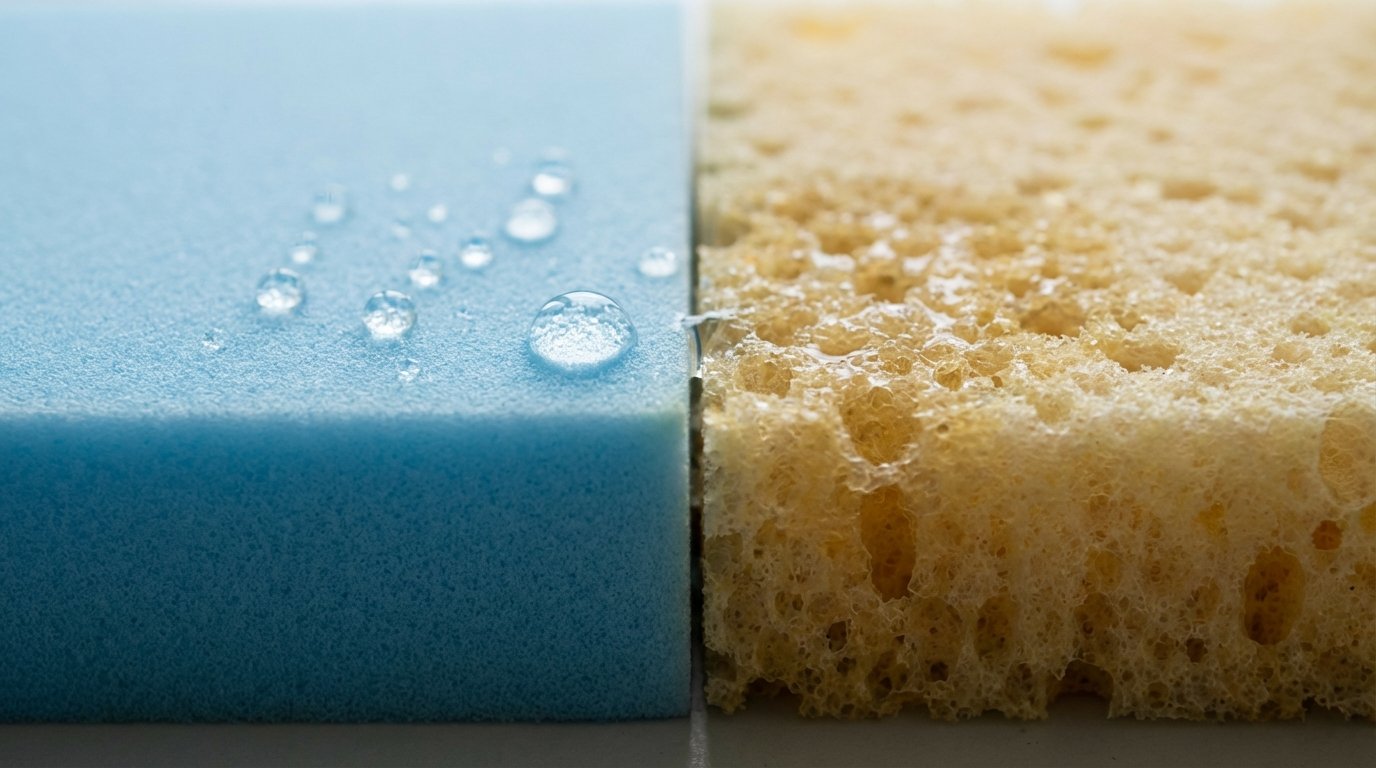
Foam is different. As the foam compresses, the millions of tiny closed cells act like individual springs. They absorb the energy progressively. This means:
- No Bursting Risk: There is no air chamber to pop.
- Low Reaction Force: Your boat's hull suffers less stress during docking.
- Unsinkable: Even if the skin is punctured, the foam core keeps floating.
The physics behind this is quite fascinating. When a vessel impacts the fender, the kinetic energy is converted into heat energy within the foam structure. Because each cell is sealed, the air inside doesn't escape; it compresses and then rebounds. This provides a very linear and predictable reaction force curve. For lightweight vessels like aluminum patrol boats or fiberglass yachts, this is crucial. A hard impact on a stiff rubber fender can cause hull delamination or denting. The "soft" start of a foam fender's compression cycle ensures that the load is spread evenly, protecting the vessel's structural integrity. I've seen tests where we compressed a foam fender to 60% of its diameter, and it returned to its original shape within minutes, ready for the next impact.
The 3 Main Types for Boats
Not all foam fenders look the same. Depending on your vessel, you might need a different profile.
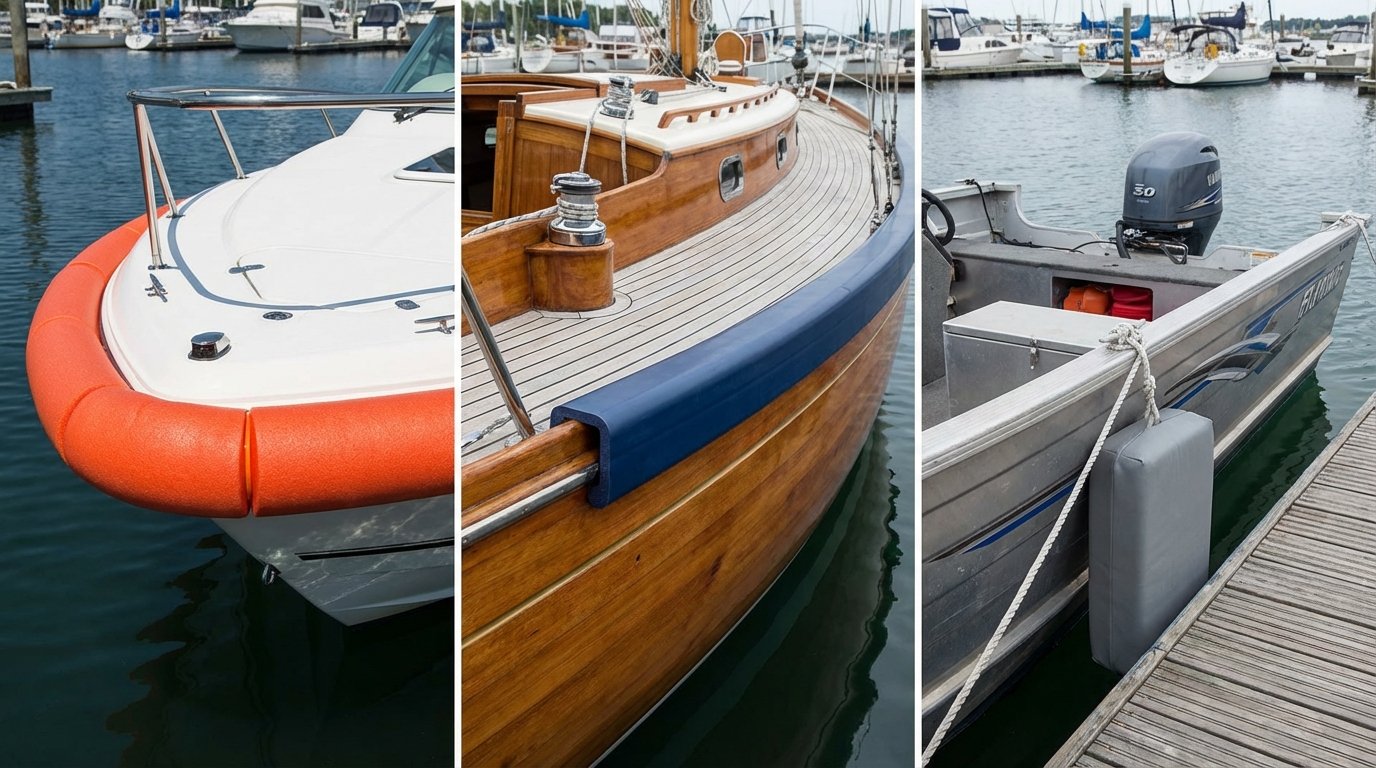
Foam Collars (Sponsons)3
Commonly seen on RIBs (Rigid Inflatable Boats) and patrol boats. These replace the air-filled tubes with a solid foam system. They provide immense buoyancy and act as a continuously fendering system around the entire gunwale. The advantage here is mission readiness. I recall working with a boat builder who was frustrated with punctures during rescue operations. By retrofitting their RIBs with solid foam collars, they could operate fearlessly alongside jagged wrecks or rocky shores. The collar also adds significant reserve buoyancy, keeping the boat stable even if the hull is flooded.
D-Shape Gunwale Guards
In recent years, I've seen a massive shift here. More and more clients are trying D-type foam fenders to replace the old D-type rubber fenders. Why? Weight and Friction. A foam D-fender is significantly lighter than solid rubber, making it easier to install and reducing the weight load on the boat. Plus, the polyurea skin1 has lower friction, protecting the hull paint better than black rubber which can leave marks. Traditional rubber D-fenders are heavy and can be difficult for a single crew member to handle during installation. Foam D-guards can be adhered or bolted easily, and they don't sag over time. They are perfect for workboats that need permanent protection along the sheer line but can't afford the weight penalty of solid rubber.
Flat & Modular Fenders
Perfect for rafting up (tying boats together) or for pontoon boats where you need a flat surface cushion rather than a rolling cylinder. These are often used as "cushions" between a tender and a superyacht. The flat profile prevents the rolling motion that cylindrical fenders can cause, which is annoying when trying to transfer guests or cargo. They stack easily for storage, which is a huge plus on boats where locker space is at a premium. I've also supplied these to wind farm support vessels where they need a specific rectangular shape to fit into the landing slots on the turbines.
Foam vs. Inflatable: Why are boaters switching?
I often get asked, "Is it really worth the extra cost?" The answer usually comes down to reliability.
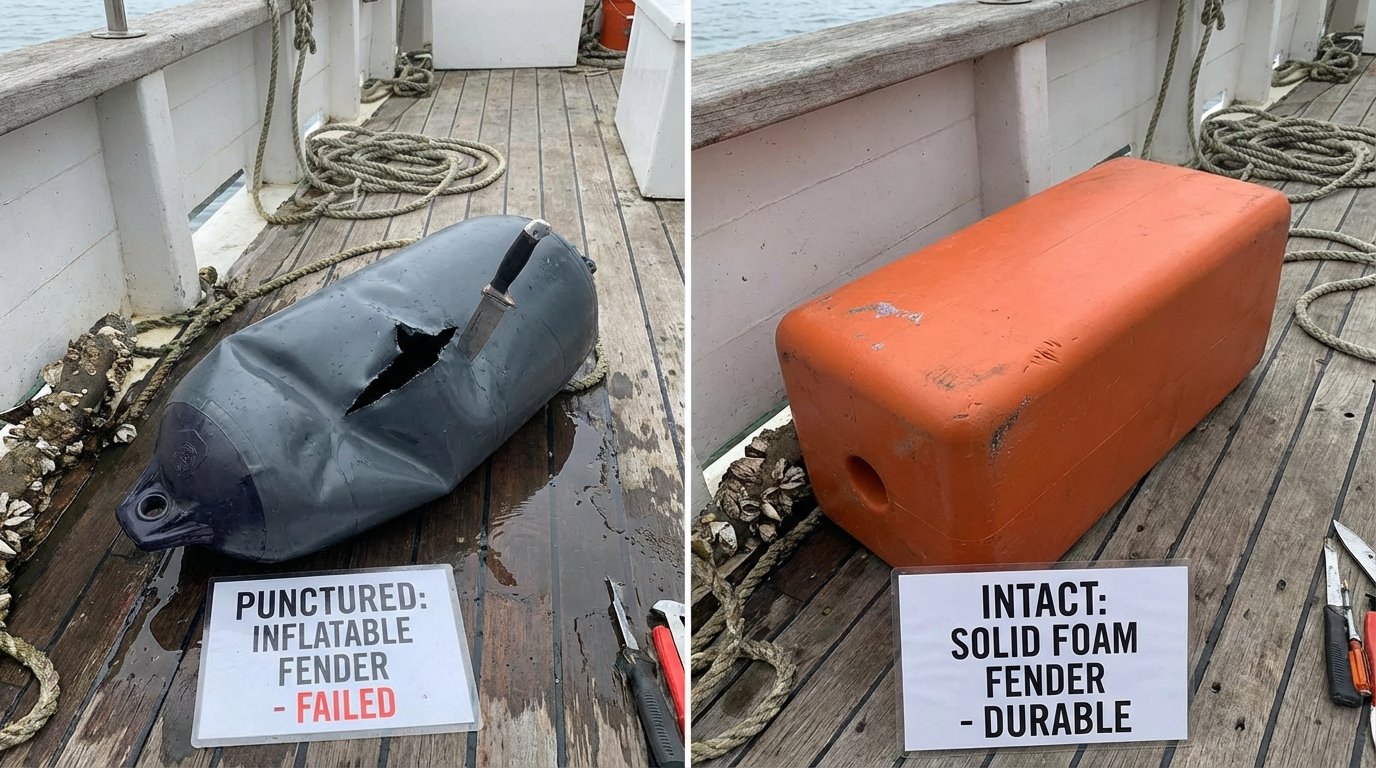
Durability: Inflatables are prone to punctures from sharp dock edges, screws, or even fishing hooks. A foam fender laughs at these hazards. Maintenance: Inflatables need re-pumping. Foam fenders are "fit and forget." Performance: As mentioned, the foam offers a comprehensive upgrade in performance—better energy absorption, lower reaction force, and superior wear resistance4 compared to standard rubber or PVC.
From a long-term cost perspective, the math works out. A high-quality inflatable fender might last a season or two if you're lucky and careful. A solid foam fender, protected by its polyurea skin1, can easily last 10 years or more. I have customers who are still using the same foam fenders I sold them when I first started my trading company. They look a bit scuffed, sure, but they work just as well as day one. There is also the peace of mind factor. Imagine sleeping on your boat during a storm. With inflatables, you're wondering if one popped and your gelcoat is grinding against the concrete. With foam, you sleep soundly knowing your protection is absolute. That peace of mind is priceless for any serious boater.
Is a foam fender right for your specific boat?
If you are a weekend cruiser who carefully docks in a pristine marina, standard inflatables are fine. But if you demand more?
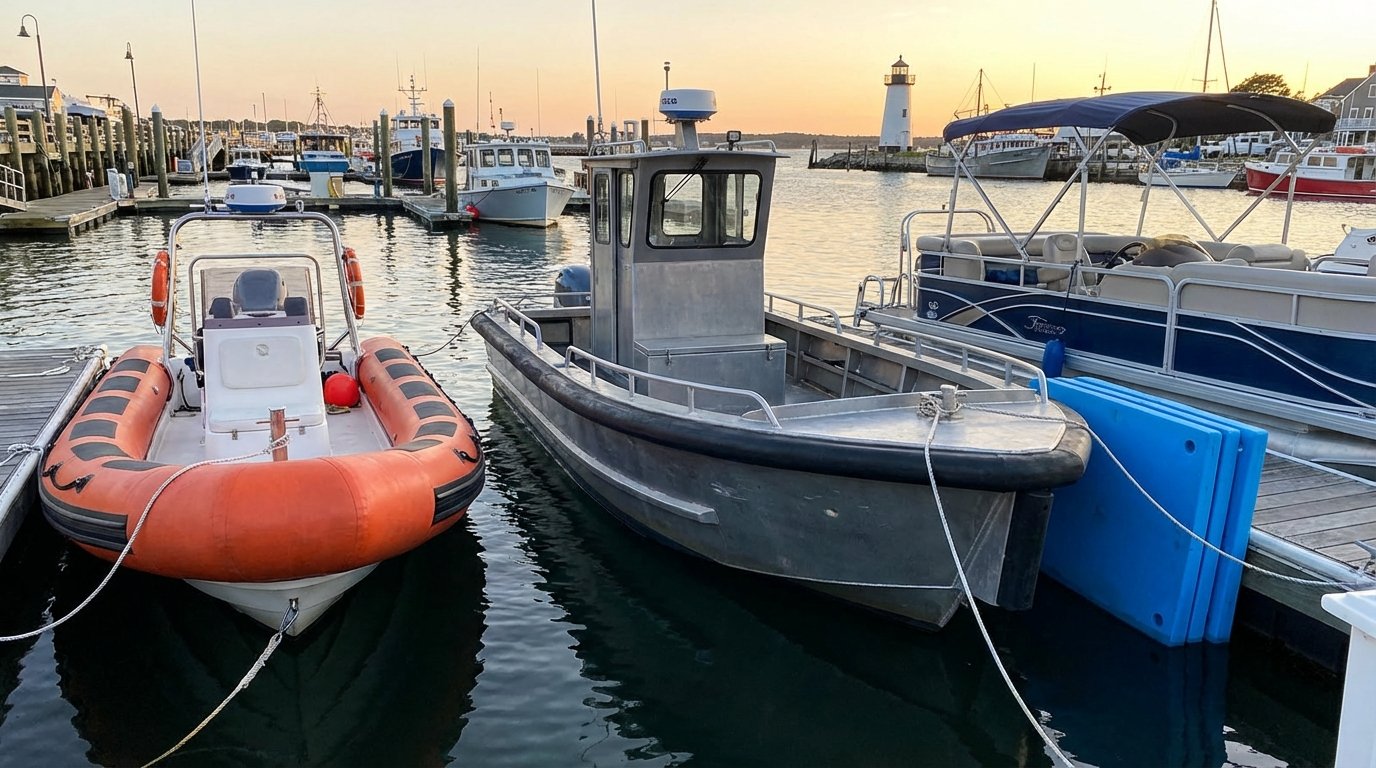
Foam is best for:
- Workboats & Pilot Boats: Where impacts are frequent and heavy.
- Superyachts: Where hull protection is paramount (no scratches!).
- Rental Fleets: Where gear gets abused and low maintenance is key.
If you own a workboat, downtime is money. You can't afford to stop operations to replace a burst fender. For superyacht captains, the non-marking nature5 of the polyurea skin is the selling point. We can even color-match the skin6 to the hull, making the fenders invisible. For the average boater, it's an investment in safety. If you often dock in unfamiliar ports with rough walls, or if you raft up with other boats for parties, the superior protection of foam prevents expensive gelcoat repairs. It's not just a fender; it's an insurance policy for your hull.
Conclusion
Foam filled fenders represent a leap forward in marine safety, offering unsinkable reliability and superior hull protection through advanced materials. Whether you choose a gunwale guard or a portable unit, the switch to foam means less worry and more time enjoying the water.
Discover how polyurea coating enhances durability, UV resistance, and protection against chemical damage for boat fenders. ↩
Learn how this advanced foam structure prevents water absorption and ensures lasting buoyancy for marine applications. ↩
See how foam collars enhance mission readiness and stability for high-performance vessels. ↩
Find out how wear resistance extends fender life in rough docking environments and intense operations. ↩
Discover how choosing non-marking coatings keeps superyacht finishes pristine during docking. ↩
Learn how customized polyurea coatings improve aesthetics while protecting your vessel. ↩