Tired of replacing damaged boat fenders? The wrong foam collar risks your vessel's safety and drains your budget. Here is how to choose the perfect protection for your boat.
Choosing between commercial and recreational foam collars1 comes down to impact frequency and vessel application. Recreational collars prioritize affordability and aesthetics using lighter foams, while commercial collars demand heavy-duty EVA foam2, reinforced layers, and thicker coatings to survive daily, high-impact operations.
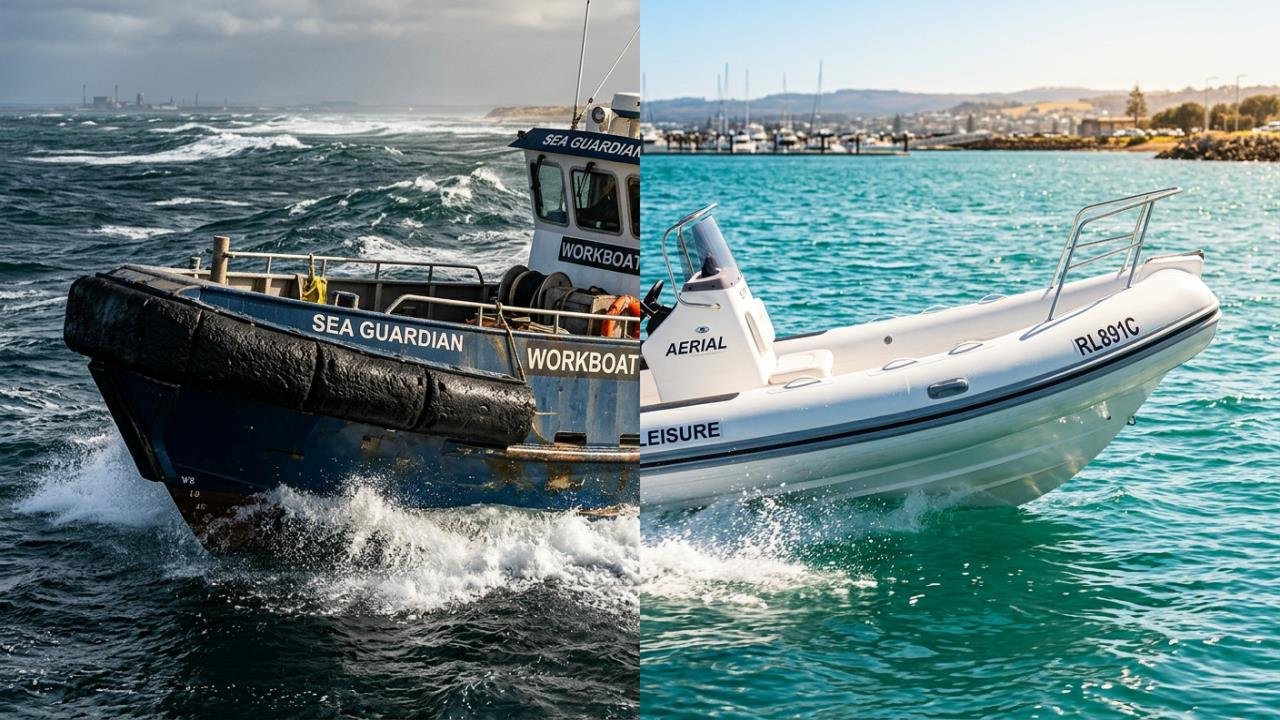
Let's dive into the specific requirements for both recreational and commercial vessels3 so you can make an informed decision and avoid costly marine equipment mistakes.
Heavy-duty specs for patrol, rescue, and work boats
High-speed intercepts and rough docking destroy standard fenders. Without heavy-duty specifications, your patrol or rescue vessel remains vulnerable to catastrophic hull damage during critical missions.
Patrol, rescue, and work boats require heavy-duty foam collars built for maximum energy absorption. These vessels need high-density EVA foam cores, nylon reinforcement layers4, and a polyurea coating5 of at least 5mm to withstand constant, high-impact collisions and severe friction.
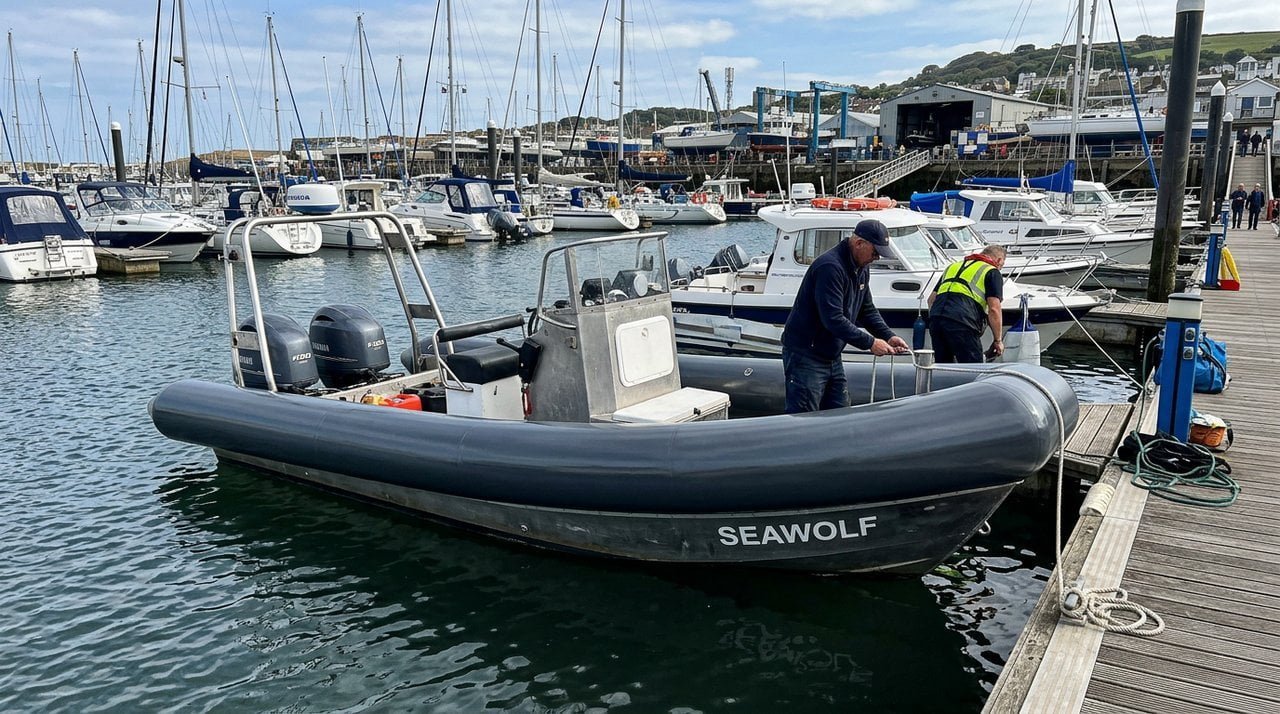
When I outfit commercial or military vessels, I always emphasize that their operational environment is unforgiving. These boats experience frequent collisions, aggressive boarding maneuvers, and constant friction against rough docks. To survive this, the collar architecture must be fundamentally different from standard consumer options. I strictly recommend high-strength EVA foam6 because it offers superior memory and impact resistance, ensuring the collar bounces back even after severe compression.
Core Specifications for Extreme Use
To prevent tearing and structural failure under load, these collars require a dedicated nylon reinforcement layer. Furthermore, the outer polyurea skin must be incredibly thick—5mm or more—to resist punctures from sharp pylons or debris.
| Specification | Commercial/Military Requirement | Purpose |
|---|---|---|
| Foam Core | High-density EVA foam | Maximum energy absorption7 |
| Reinforcement | Nylon mesh layer | Prevents tearing and splitting |
| Polyurea Coating | 5mm or greater | Extreme puncture and abrasion resistance |
Aesthetics and comfort features for recreational RIBs8
Ugly, bulky fenders ruin your yacht's sleek lines. If you sacrifice aesthetics for protection, your luxury recreational RIB loses its visual appeal and passenger comfort.
Recreational RIBs need foam collars that balance reliable protection with custom aesthetics and passenger comfort. Because they face lower impact forces, these collars utilize lightweight PE or low-density EVA foam9, allowing for smoother finishes, custom colors, and comfortable seating without unnecessary bulk.
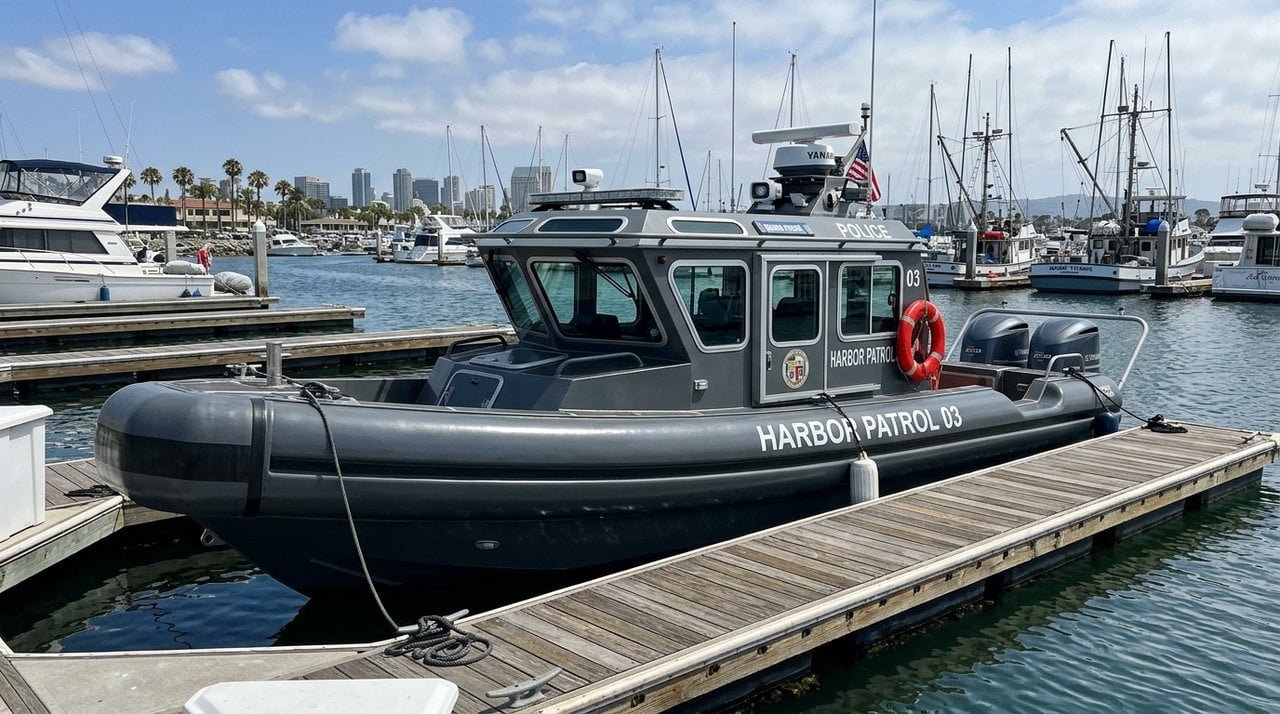
For leisure boaters, the demands on a foam fender are significantly lower regarding strength and energy absorption. When I consult with recreational owners, I explain that they do not need to over-engineer their vessels. Because these boats primarily dock in calm marinas and rarely experience harsh impacts, we can prioritize a sleek look and a comfortable ride. You can safely opt for a lower-cost PE foam core or a low-density EVA foam core.
Balancing Look and Function
Since extreme durability isn't the primary goal, I usually skip the nylon reinforcement layer entirely. A standard polyurea thickness of around 3mm is perfectly adequate to protect against minor bumps while keeping the collar lightweight and visually appealing.
| Feature | Recreational Spec | Benefit |
|---|---|---|
| Foam Core | PE or Low-density EVA | Lightweight, cost-effective |
| Reinforcement | None required | Reduces weight and bulk |
| Coating | ~3mm Polyurea | Smooth finish, adequate protection |
Durability requirements for daily commercial use
Daily commercial operations grind down inferior equipment fast. If your foam collar degrades under constant UV exposure and friction, your vessel will suffer costly operational downtime.
Daily commercial use dictates extreme durability. Collars must resist continuous abrasion, prolonged UV exposure, and heavy impacts. This requires high-grade, closed-cell EVA foam and a reinforced, ultra-thick polyurea elastomer skin that won't degrade, crack, or absorb water during relentless daily operations.
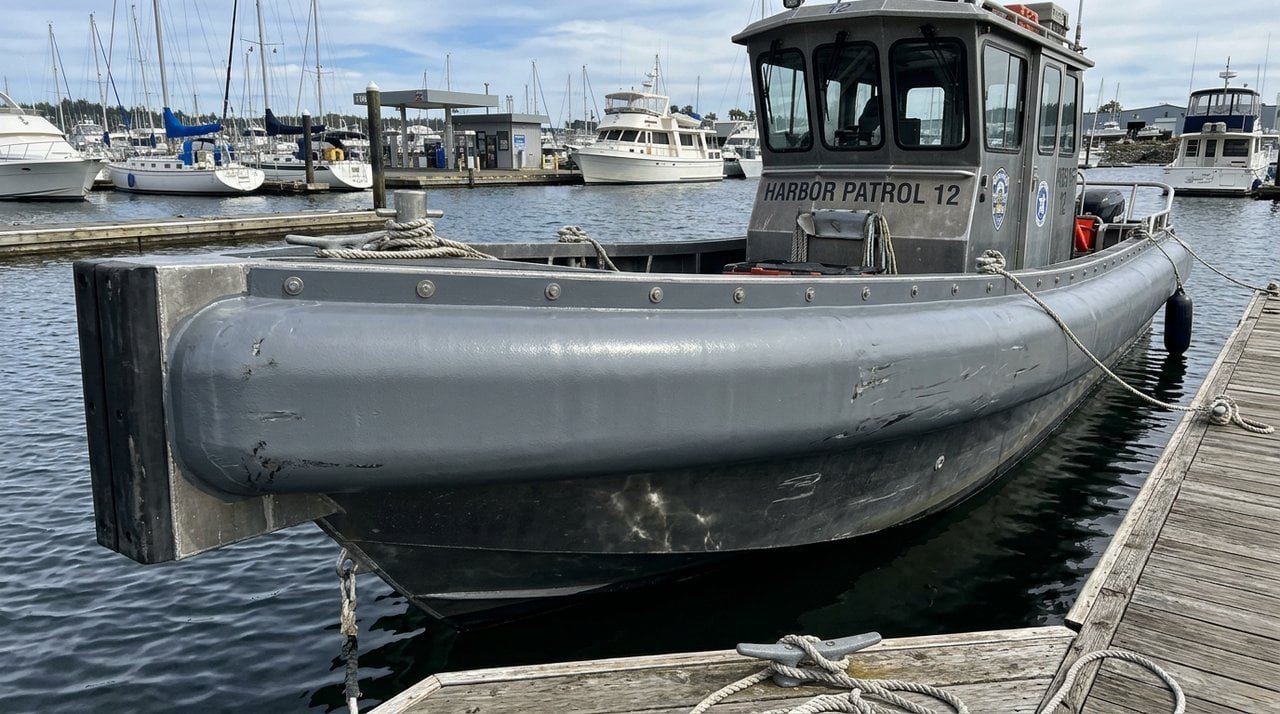
When I evaluate the lifecycle of a foam collar on a commercial ferry or pilot boat, the primary enemy is daily wear and tear. Commercial boats bump into concrete piers, steel barges, and other vessels multiple times a day. Because these collision and friction scenarios are so frequent, a standard recreational collar would be shredded within months. This is exactly why I insist on utilizing high-strength EVA foam for these applications.
Engineered for the Grind
The constant grinding against rough surfaces means the outer shell must be bulletproof. A thin layer won't cut it; the polyurea thickness must exceed 5mm, backed by a robust nylon reinforcement layer to hold the structure together under sheer stress.
| Durability Factor | Commercial Solution | Real-World Impact |
|---|---|---|
| Friction | 5mm+ Polyurea Skin | Survives daily concrete pier rubs |
| Impact Frequency | High-strength EVA | Retains shape after thousands of hits |
| Sheer Stress | Nylon Reinforcement | Prevents catastrophic foam tearing |
Regulatory compliance (USCG/SOLAS) for commercial vessels3
Failing a vessel inspection grounds your fleet immediately. Non-compliant foam collars risk severe fines, voided insurance, and dangerous safety liabilities for your commercial maritime business.
Commercial foam collars must often meet stringent USCG and SOLAS regulations. These certifications ensure the collars provide adequate buoyancy, fire retardancy, and impact resistance. Recreational collars rarely carry these commercial-grade certifications, making them illegal and unsafe for inspected passenger or commercial work vessels.
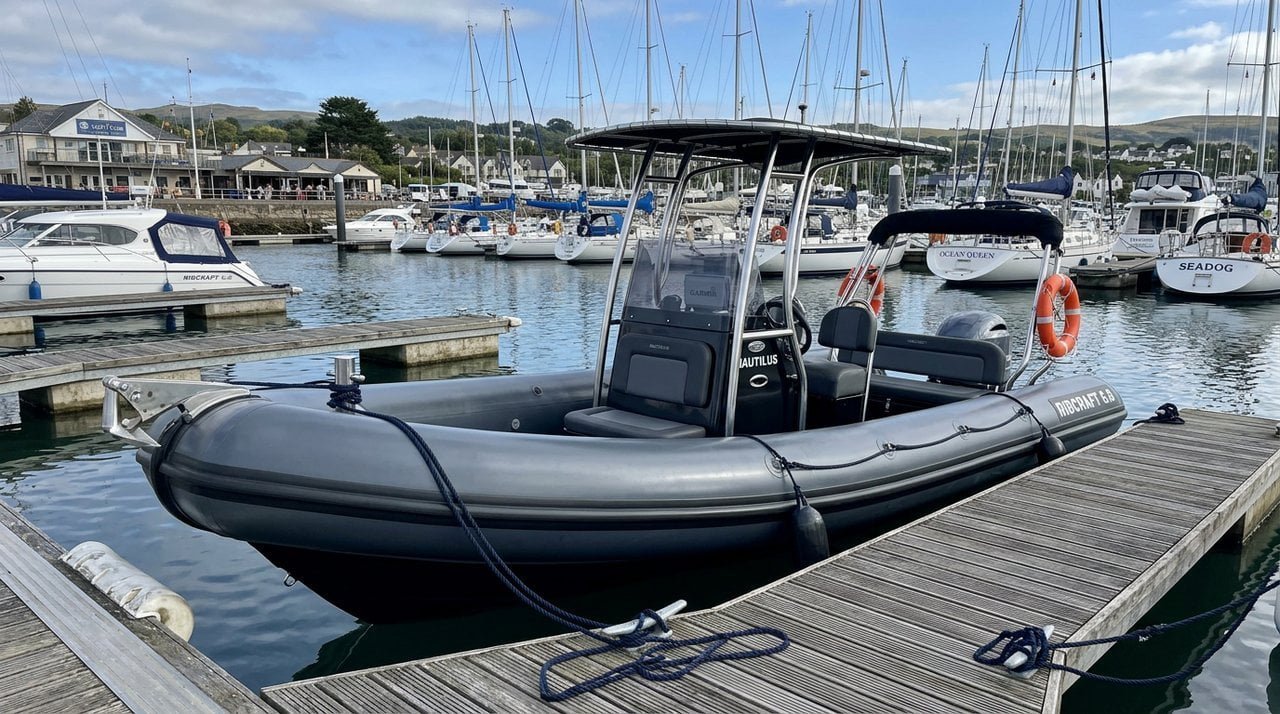
Navigating maritime regulations can be a headache, but it is a non-negotiable part of outfitting a commercial fleet. When I design or recommend collars for inspected vessels, I have to ensure every material meets specific buoyancy and flammability standards. Commercial boats, especially military or passenger vessels, operate under strict oversight where the high-strength EVA foam and thick 5mm polyurea coatings aren't just for durability—they are often part of the vessel's certified safety system.
Meeting the Standards
Recreational materials like basic PE foam or thin 3mm coatings rarely pass these rigorous testing protocols. The nylon reinforcement layer I mentioned earlier also plays a critical role in maintaining the structural integrity required during USCG or SOLAS drop and impact tests.
| Requirement | Commercial Collar Standard |
|---|---|
| Buoyancy | Certified closed-cell EVA retention |
| Fire Safety | Flame-retardant polyurea additives |
| Structural Integrity | Tested nylon-reinforced construction |
Cost differences between commercial and recreational grade collars
Overspending on recreational fenders wastes money, while underspending on commercial gear causes disasters. Misunderstanding the price-to-performance ratio leaves boat owners frustrated and financially drained.
The cost difference is driven by material engineering. Commercial collars are significantly more expensive due to high-density EVA foam, nylon reinforcements, and thicker polyurea coatings. Recreational collars are highly affordable because they utilize cheaper PE foams and thinner coatings perfectly suited for low-impact leisure boating.
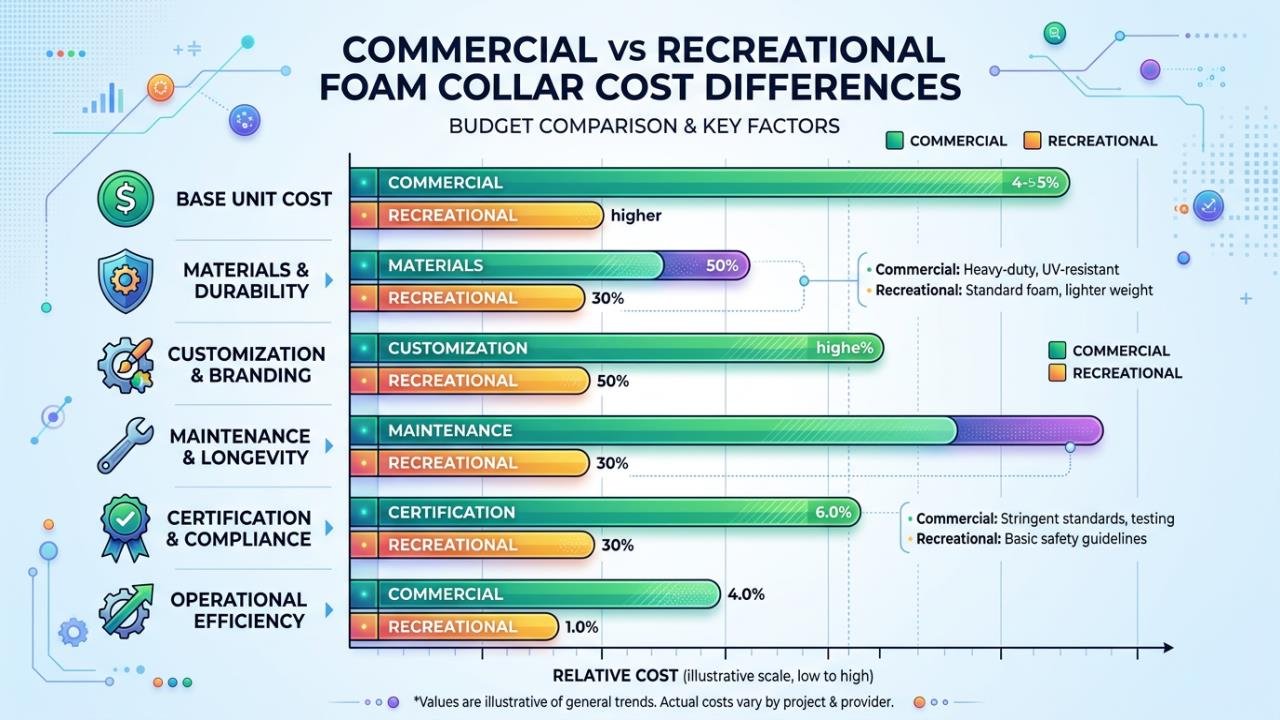
I always tell my clients that you get exactly what you pay for when it comes to marine fendering. Because recreational boats have much lower strength and energy absorption requirements, I can safely guide owners toward lower-cost PE foam cores or low-density EVA foam. By eliminating the nylon reinforcement layer and keeping the polyurea thickness to just 3mm, the manufacturing costs drop significantly, making it very budget-friendly.
Investment vs. Expense
Conversely, outfitting a commercial or military boat is a larger upfront investment. The frequent collision scenarios demand expensive, high-strength EVA foam, labor-intensive nylon reinforcement layers, and 5mm or more of premium polyurea. However, this higher initial cost prevents massive repair bills down the line.
| Vessel Type | Material Cost Drivers | Overall Cost |
|---|---|---|
| Recreational | PE foam, 3mm polyurea, no nylon | Low / Affordable |
| Commercial | High-strength EVA, 5mm+ polyurea, nylon mesh | High / Investment |
Conclusion
Choosing the right foam collar depends entirely on your vessel's daily demands. Whether you need lightweight recreational protection or heavy-duty commercial resilience, Jettyguard offers premium, custom-engineered foam collars1. Upgrade your vessel's safety today by exploring Jettyguard's advanced marine fendering solutions10 tailored to your exact needs.
Explore this link to find the best foam collars that ensure your boat's safety and performance. ↩
Learn about the benefits of heavy-duty EVA foam for marine applications and how it enhances durability. ↩
Understand the specific requirements for foam collars used on commercial vessels. ↩
Find out how nylon reinforcement layers enhance the durability of foam collars for boats. ↩
Explore the advantages of polyurea coating in protecting marine fenders from wear and tear. ↩
Discover the benefits of high-strength EVA foam for marine applications. ↩
Discover how energy absorption in marine fenders protects your vessel from impacts. ↩
Check out this resource for the best foam collars designed specifically for recreational RIBs. ↩
Learn about low-density EVA foam and how it can be beneficial for recreational boating. ↩
Check out the best marine fendering solutions to enhance your vessel's safety. ↩