Large vessels hitting commercial docks cause massive damage without proper protection. I've seen ports spend millions on repairs that could have been prevented with the right fender system.
Foam filled dock fenders1 absorb up to 60% more energy than solid rubber fenders2 while using fewer components. They float with tide changes and need almost no maintenance for over 15 years.
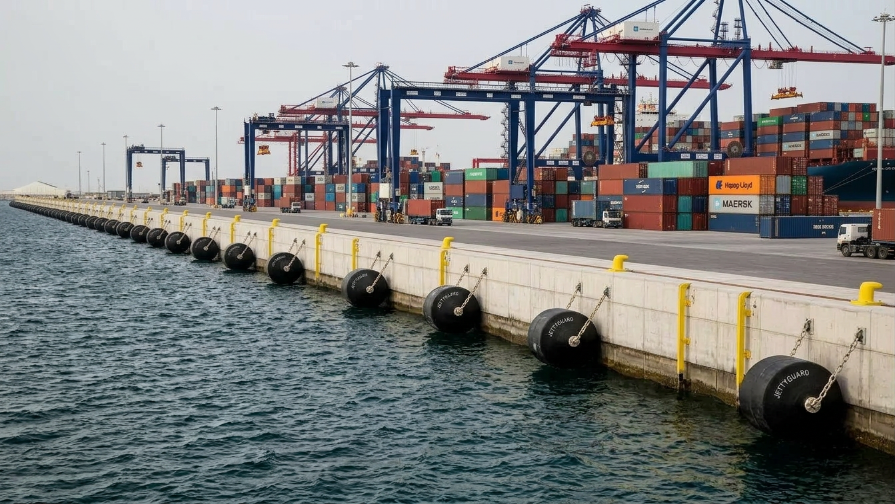
I've worked with ports where traditional fender systems became a headache. Complex installations, constant repairs, and vessels still getting damaged. Then I recommended foam filled fenders, and everything changed for the better.
High-energy absorption for large vessels
When a 200,000-ton vessel approaches your dock, the impact energy is enormous. Without proper absorption, that energy transfers directly to your quay wall and the vessel hull.
Foam filled fenders absorb impact energy through their compressed foam core3, which can deflect up to 60% of its height. This high deflection capability4 means more energy absorption in a single unit than traditional solid rubber fenders.
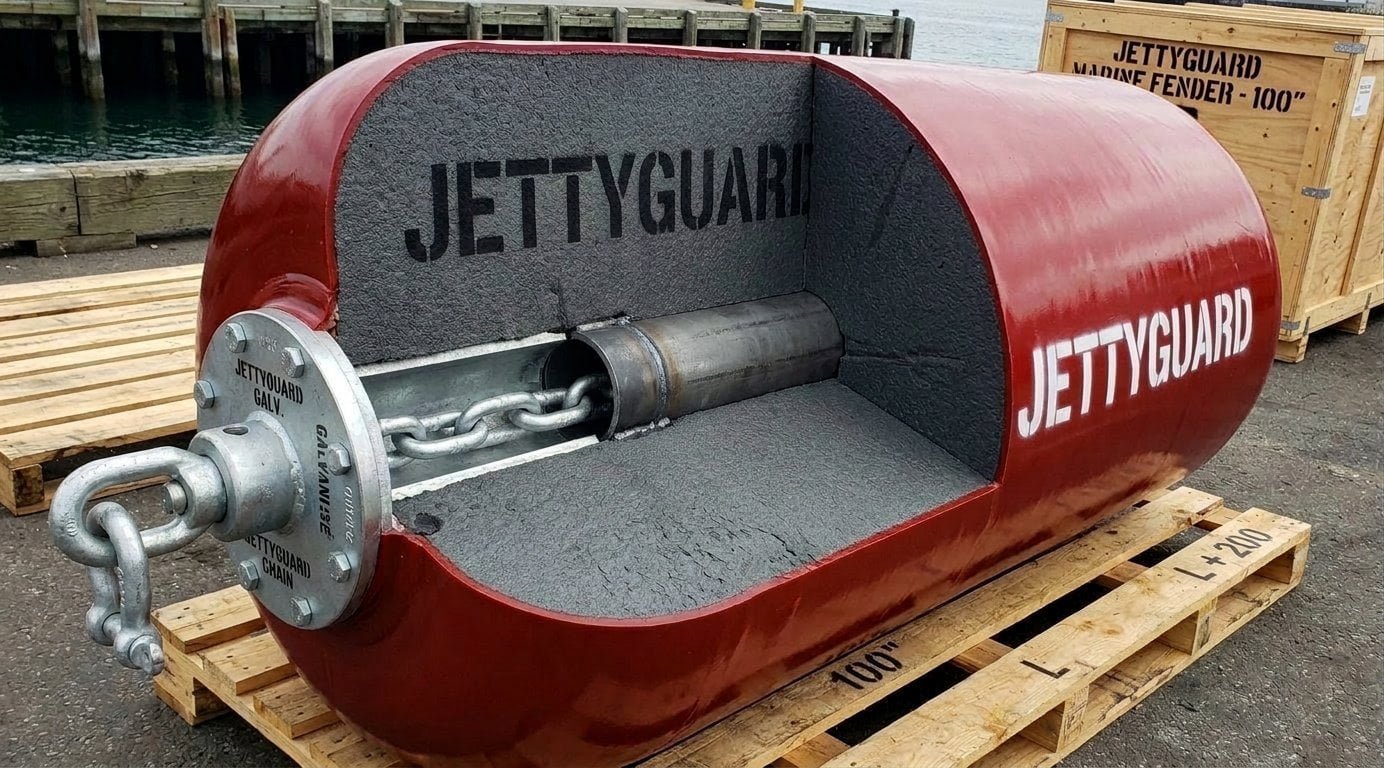
The secret lies in the closed-cell foam structure. Each tiny foam cell acts like a miniature spring. When the fender compresses under vessel impact, millions of these cells compress together, absorbing kinetic energy and converting it to stored potential energy. When the vessel moves away, the foam rebounds, releasing that energy gradually.
I remember a bulk carrier terminal in Southeast Asia that struggled with vessel damage. They used solid rubber fenders, but larger vessels kept denting their hulls during berthing. After switching to foam filled fenders with higher energy absorption ratings, hull damage incidents dropped by 80% in the first year.
The energy absorption capacity matters even more for ports handling diverse vessel sizes. A fender system must handle the largest vessel you expect while still protecting smaller ships. Foam filled fenders offer flexibility here. Their progressive compression characteristics mean they perform well across a range of vessel sizes and berthing energies.
Compared to fixed fender systems I've installed, foam filled fenders serve as excellent alternatives. They offer longer service life and easier maintenance because the entire energy absorption happens within one unit rather than through complex multi-component systems.
Reduced reaction force benefits for quay walls
High reaction forces destroy quay walls over time. Every vessel impact sends shock waves through your dock structure, gradually weakening concrete and steel reinforcements.
Foam filled fenders generate 30-40% lower reaction forces than equivalent solid rubber fenders2 while delivering the same energy absorption. This protects quay wall structural integrity and extends dock lifespan significantly.
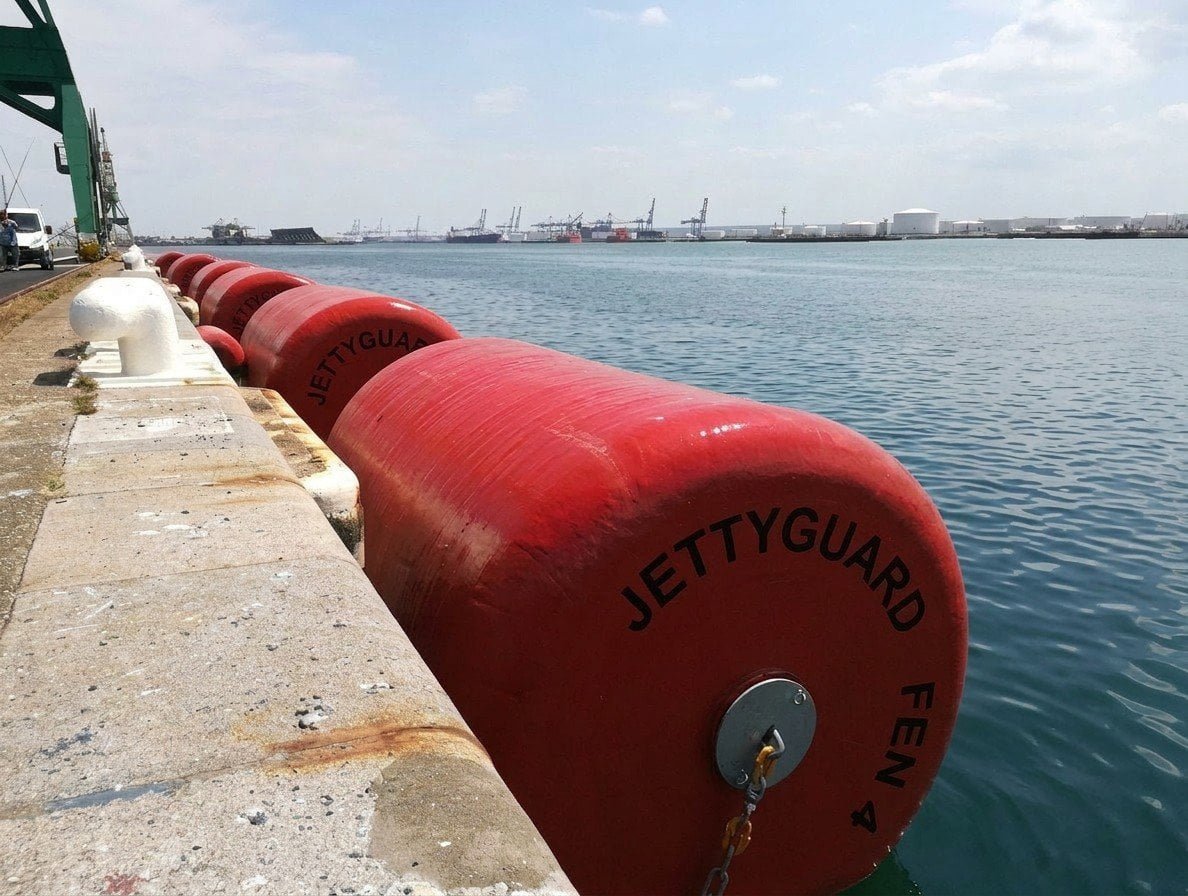
The physics behind this advantage is straightforward. Traditional solid rubber fenders resist compression with increasing force. The harder they get compressed, the more force they push back with. This creates high peak reaction forces that transfer to the quay wall.
Foam filled fenders behave differently. Their foam core compresses with a more linear force-deflection curve. Instead of building up high reaction forces at maximum compression, the foam distributes the load more evenly throughout the compression cycle. This means gentler forces on your dock infrastructure.
For ports with large tidal variations, this becomes even more important. I worked with a mining company that faced challenges with their tidal port. They initially installed double cone fenders arranged vertically with long frontal panels. This required numerous UHMW-PE pads and complex fixings. The system worked but transferred significant forces to the quay wall at certain tidal levels.
When they retrofitted with foam filled fenders, the benefits were immediate. The floating nature of these fenders meant they automatically adjusted position with water level changes. No complex vertical arrangements needed. And the lower reaction forces reduced stress on the quay wall across all tidal conditions.
The polyurethane elastomer skin5 also plays a role. It flexes and moves with the foam core, preventing point loads that could damage quay surfaces. This distributed contact pressure protects both the vessel hull and the dock structure simultaneously.
Maintenance savings for port operators
Maintenance costs eat into port profits faster than most operators realize. I've seen maintenance budgets balloon because of outdated fender systems that constantly need repairs.
Foam filled fenders require minimal maintenance for 15-20 years of service life. No air pressure checks, no rubber replacement cycles, and no complex component tracking. Ports typically save 60-70% on fender maintenance costs compared to pneumatic or solid rubber systems.
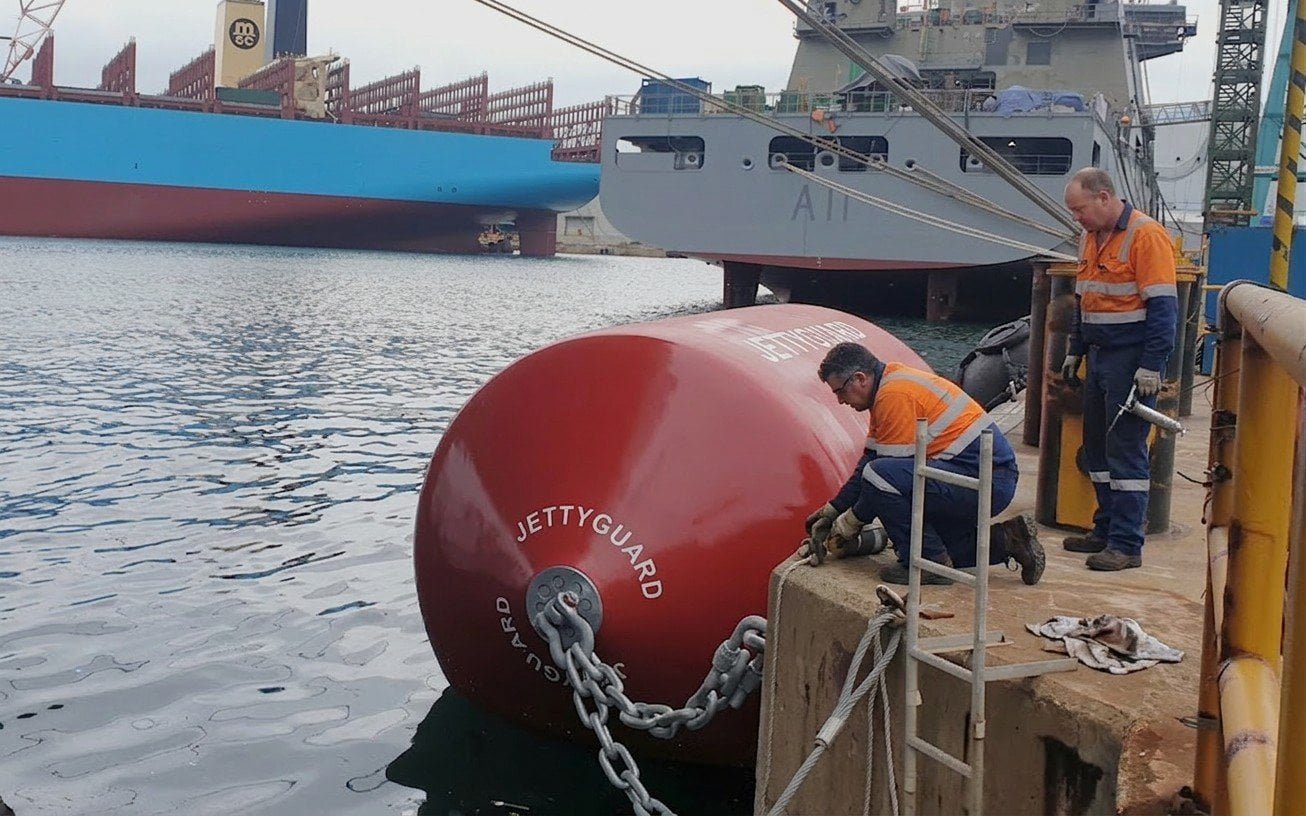
The maintenance advantage starts with the construction. Foam filled fenders have no inflatable components. This eliminates air leaks, pressure monitoring, and inflation equipment that pneumatic fenders require. There's nothing to deflate, so there's nothing to reinflate.
The solid foam core also resists damage better than hollow structures. Minor surface cuts or abrasions to the polyurethane skin don't compromise the fender's performance. The foam underneath remains intact and continues absorbing energy. Small skin damages can often be repaired in-place with polyurethane sealant, without removing the fender from service.
For ports with limited maintenance staff, this is a game-changer. Your team can focus on other critical infrastructure instead of constantly monitoring fender conditions. A visual inspection every few months is usually sufficient. If the fender looks intact, it's working correctly.
I consulted for a port that switched from solid rubber fenders to foam filled units. Their previous maintenance routine involved quarterly inspections and annual rubber component replacements for damaged sections. After the foam filled installation, they reduced inspections to semi-annual and eliminated the annual replacement budget entirely. Over a 10-year period, they calculated savings of over $200,000 in maintenance costs alone.
The longer service life also means fewer replacement cycles. Traditional rubber fenders often need replacement every 8-10 years due to degradation and wear. Foam filled fenders regularly exceed 15-20 years of service, spreading the capital investment over a much longer period.
Chain and tire net options for extra protection
Some operating conditions demand additional protection. High-traffic berths, vessels with sharp hull protrusions, or extreme weather conditions can challenge standard foam filled fender designs.
Chain and tire net systems wrap around foam filled fenders to provide an extra protective layer. The chain absorbs high tensile loads while tires distribute contact pressure and prevent concentrated point loads from damaging the fender skin.
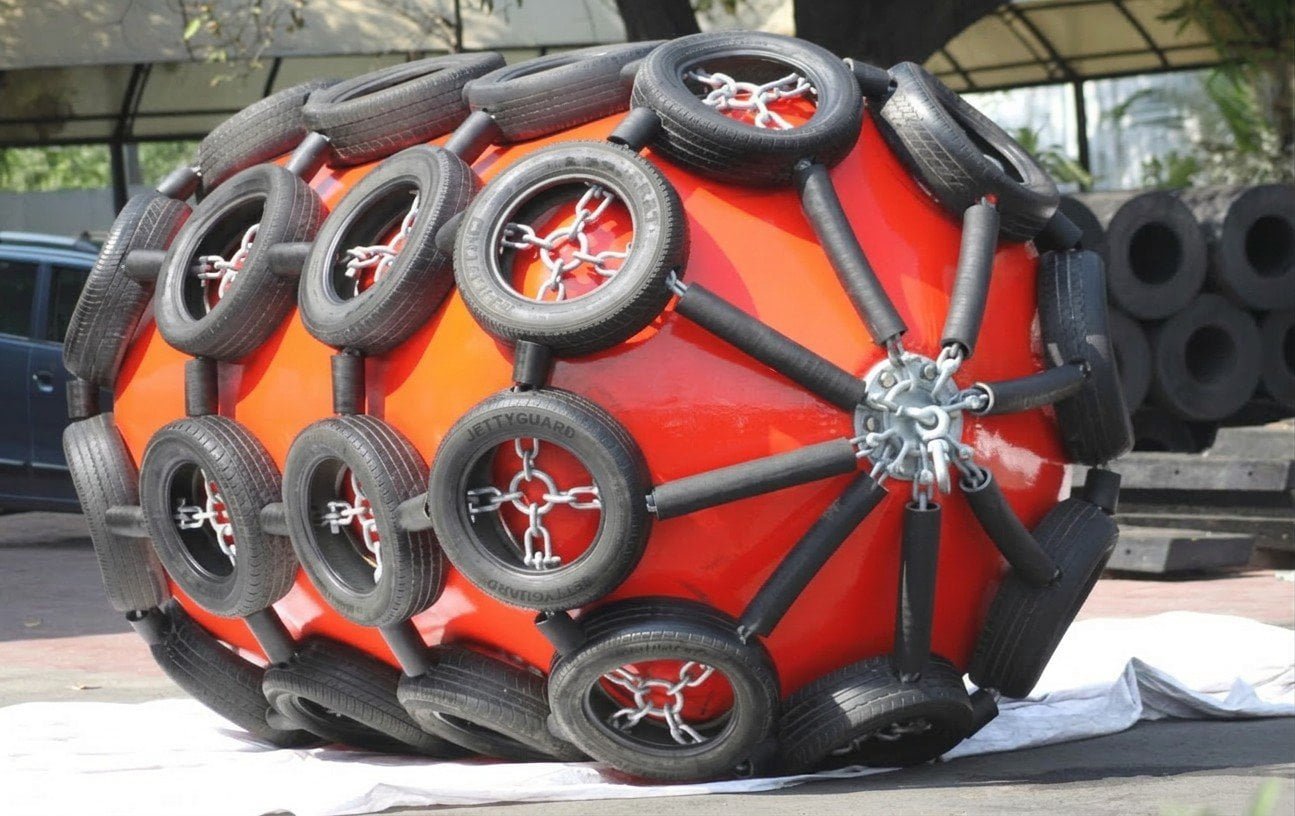
The chain net serves as the primary structural reinforcement. Heavy-duty chains form a mesh pattern around the fender body. When the fender experiences high shear forces from vessel movement, the chains distribute these forces across the entire fender surface rather than concentrating them at one point. This prevents the skin from tearing or the foam core from being damaged by excessive shear.
Tire nets add another layer of protection. Used tires are laced together around the chain net, creating a cushioned barrier6 between the vessel and the fender. The tires absorb initial contact and spread the load over a larger area. This is particularly useful when vessels have sharp hull features, protruding fittings, or rough surfaces that could damage the polyurethane skin.
For ports handling large bulk carriers or container ships, this combination offers excellent durability. The chain takes the structural loads while tires handle the surface wear. When a tire becomes damaged, it can be replaced individually without affecting the entire system.
Conclusion
Jettyguard foam filled fenders7 deliver high energy absorption, low reaction forces, and 15-20 years of maintenance-free service for commercial ports. With chain and tire net options available for demanding conditions, they offer the complete protection solution your dock infrastructure needs.
Explore the advantages of foam filled dock fenders for enhanced protection and energy absorption. ↩
Understand the limitations of solid rubber fenders compared to modern alternatives like foam filled fenders. ↩
Discover how a compressed foam core enhances fender performance and energy absorption. ↩
Find out how high deflection capability contributes to better energy absorption in fender systems. ↩
Discover how polyurethane elastomer skin enhances fender durability and performance. ↩
Learn about the role of cushioned barriers in protecting fender systems from damage. ↩
Explore the unique features of Jettyguard foam filled fenders for superior dock protection. ↩