






Pneumatic Rubber Fenders · ISO 17357
Yokohama Type Pneumatic Fenders for LNG, FSRU and STS Projects
Same mold-process as Trelleborg & Yokohama — at a significantly more competitive price.
ISO 17357 compliant. Founder-direct project quote within 24 hours.
"Your Jumbo fenders are proven good for our FSRU STS operation."
— Tim, VP, Energos Infrastructure
What is a pneumatic rubber fender?
A pneumatic rubber fender is an air-filled marine fender used to absorb berthing energy between vessels, terminals, floating units and ship-to-ship transfer operations. For LNG, FSRU and STS projects, pneumatic fenders are commonly selected because they provide high energy absorption, controlled reaction force and self-floating deployment. JettyGuard supplies ISO 17357 pneumatic rubber fenders in net type and sling type configurations, with project sizing, rigging gear and inspection support available on request.
Project Documentation Support
Documentation Support for Class-Related Project Requirements
Documentation can be prepared for third-party inspection when required, based on the agreed project scope.
How It Works
From Fender Requirement to Project Quote in Three Steps
Step 1
Share Your Application
Tell us whether the fender is for LNG terminal berthing, FSRU / FSU operations, STS transfer or port berthing. Include the required size, pressure, type or quantity when available. A rough vessel and project description is enough to begin the review.
Step 2
Confirm Size, Type and Rigging
We review the application, expected operating conditions and procurement scope. The response can cover fender diameter and length, 50kPa or 80kPa internal pressure, net type or sling type construction, chain-tire net rigging and inspection documentation.
Step 3
Receive Specs and Quotation
You receive a practical recommendation and project quotation based on the required size, quantity, fender type, accessories and documentation scope. EPC teams, terminal operators and vessel operators can use the response for early-stage comparison and final RFQ review.
Applications
Pneumatic Rubber Fender Solutions for LNG, FSRU, STS and Port Berthing
Each marine application creates a different combination of berthing energy, vessel movement, hull pressure limits, rigging arrangement and documentation requirements. The sections below show how pneumatic rubber fenders are typically specified across JettyGuard's main project scenarios.
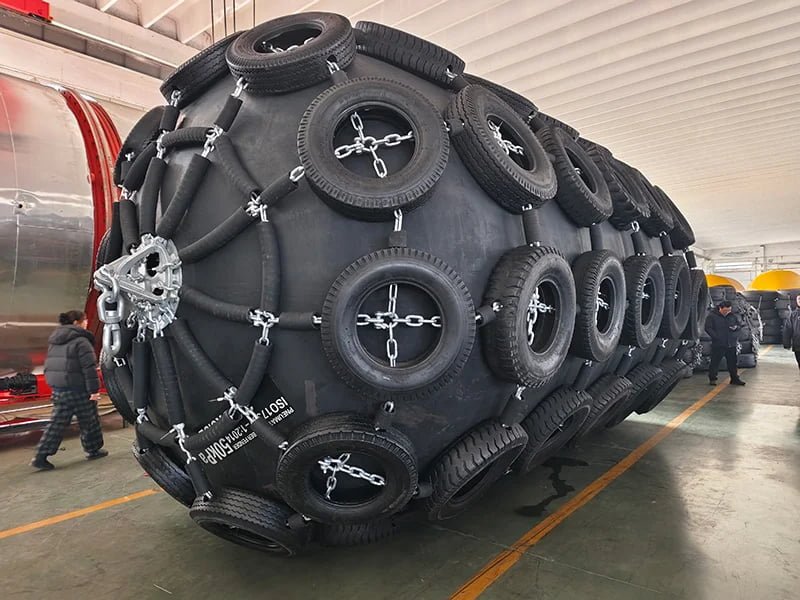
LNG Terminal
LNG Terminal Berthing
LNG terminals require pneumatic rubber fenders that can absorb berthing energy while helping control reaction force and hull pressure. For fixed jetty structures, common project discussions include fender size, initial pressure, number of units, chain-tire net rigging and third-party inspection records. JettyGuard supports replacement projects and new terminal procurement.
Request LNG Fender Specs →FSRU / FSU
FSRU / FSU Operations
FSRU and FSU operations involve floating interfaces where vessel movement, freeboard variation and extended contact duration must be considered. Pneumatic fenders are suited to this environment because they remain self-floating and can be rigged directly with chain, tire net, sling or support hardware according to the operating arrangement.
Request FSRU Fender Specs →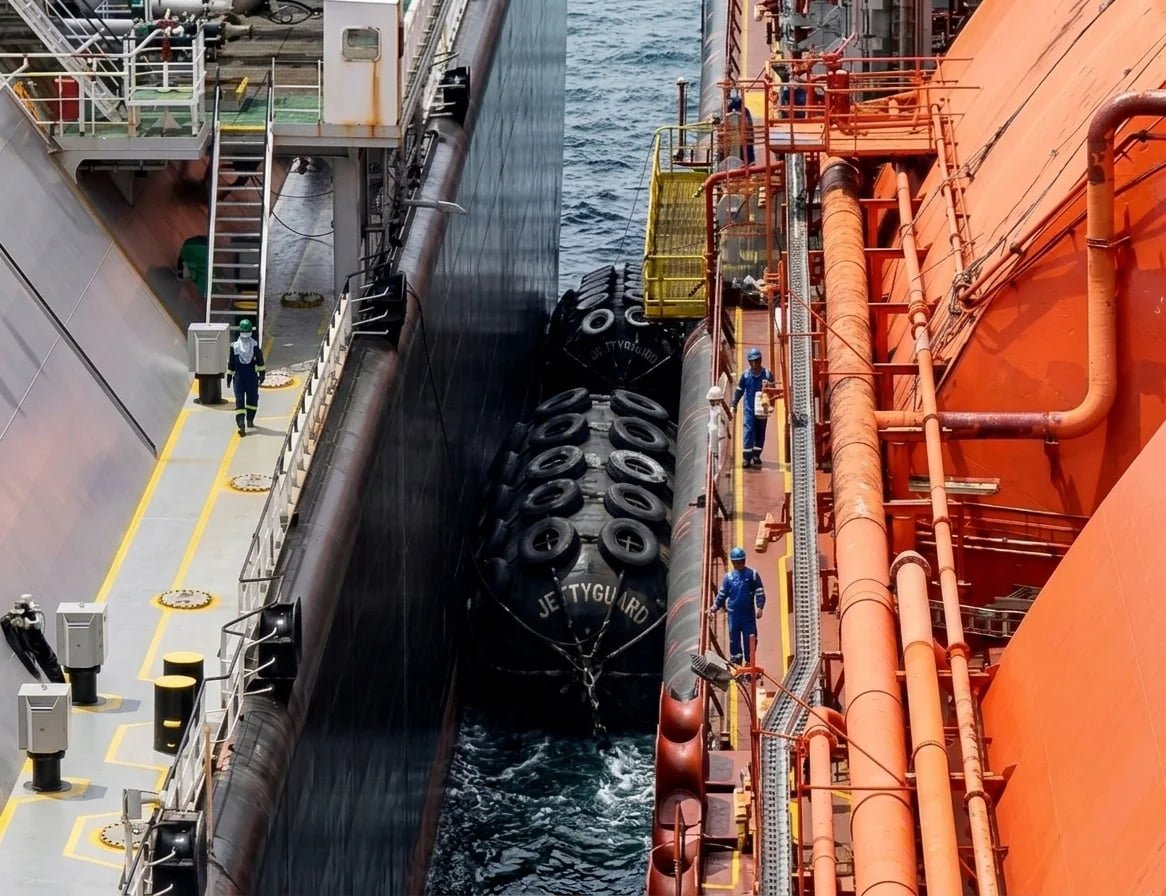
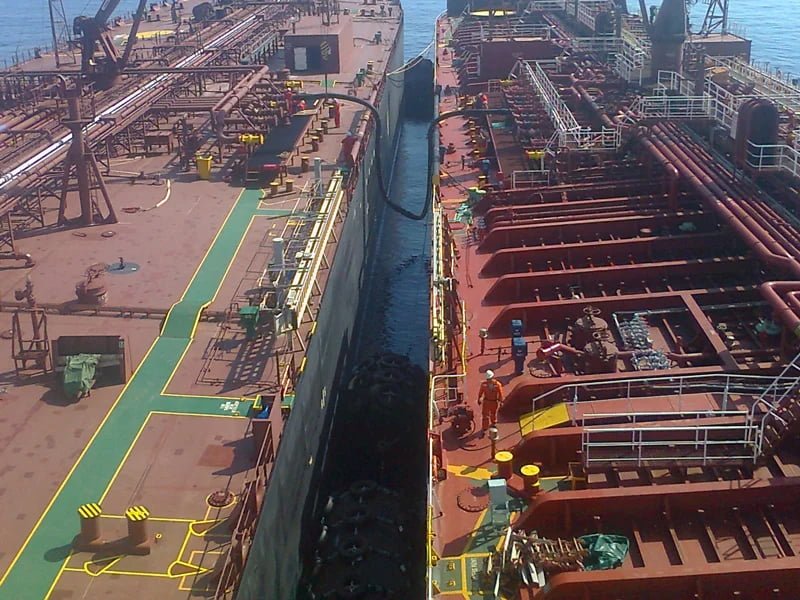
STS / Marine Transfer
STS / Marine Transfer
Ship-to-ship transfer requires fenders that can work between two floating vessels without support from a fixed structure. Pneumatic rubber fenders are commonly used for STS and offshore transfer because they provide floating deployment, controlled compression and practical handling with net type or sling type configurations.
Request STS Fender Specs →Floating Terminal & Port
Floating Terminal and Port Berthing Projects
Floating terminals, offshore energy infrastructure and port berthing projects often require a fender package that balances performance, deployment flexibility and procurement cost. JettyGuard can review standard and custom pneumatic fender sizes, inspection needs, rigging gear and delivery scope before quotation.
Request Project Fender Specs →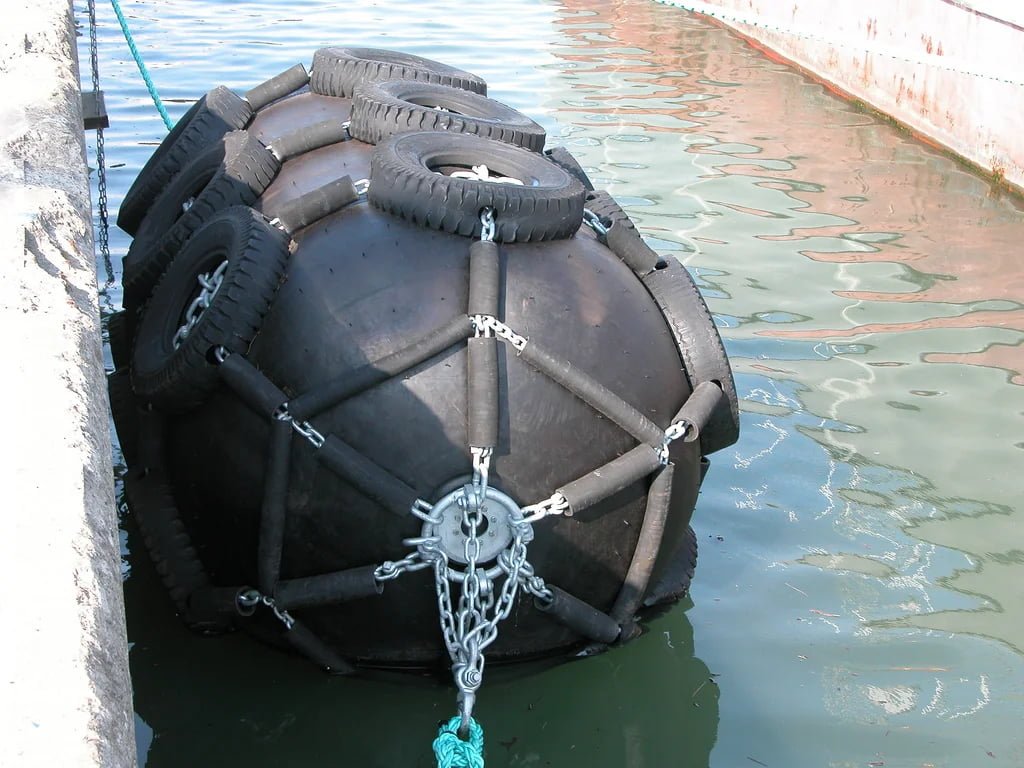
RFQ Support
Need a Pneumatic Fender Quote for an LNG, FSRU or STS Project?
Share your vessel size, operating scenario and required quantity. JettyGuard can review the application and provide a suitable Yokohama type pneumatic fender quotation.
Typical quote review includes fender size, quantity, net type, pressure and documentation requirements.
Specification Range
Standard Pneumatic Rubber Fender Sizes for LNG and STS Projects
The table below shows common pneumatic rubber fender size ranges discussed for LNG terminal, FSRU, STS and port berthing projects. Final selection must be confirmed against vessel size, approach conditions, allowable hull pressure, internal pressure and project-specific berthing energy calculation.
| Fender Size Range | Typical Application Discussion | Internal Pressure | Type Options | RFQ Notes |
|---|---|---|---|---|
| 1500 × 3000 mm to 2000 × 3500 mm | Smaller vessel interface, support fender, lighter operation | 50kPa / 80kPa | Net type / Sling type | Confirm vessel class and quantity |
| 2500 × 5500 mm | FSRU, STS and medium-to-large marine transfer projects | 50kPa / 80kPa | Net type / Sling type | Confirm rigging and inspection scope |
| 3300 × 6500 mm | LNG terminal berthing and large vessel interface | 50kPa / 80kPa | Net type | Common project discussion size |
| 4500 × 9000 mm | High-energy large vessel berthing projects | 50kPa / 80kPa | Net type | Requires engineering confirmation |
| Other Standard & Custom size | Other & Non-standard berth geometry or special project requirements | By review | By review | Send drawing or operating conditions |
Reaction force and energy absorption values should be published only after the exact source table, pressure rating and deflection basis are confirmed. Include the required energy absorption value or allowable hull pressure limit in the RFQ message when your project already has these details.
Price Factors
What Affects Pneumatic Fender Price?
Pneumatic fender price is not determined by diameter alone. For project quotation, the most important factors are fender size, internal pressure, construction type, quantity, rigging package, inspection requirements and delivery terms.
Fender Size
Diameter and length have the biggest impact on material cost, production time, packing volume and shipping cost.
Internal Pressure
50kPa and 80kPa fenders can differ in performance requirements and application fit. The correct option depends on project energy and reaction force requirements.
Net Type or Sling Type
Net type fenders include tire-net and chain protection, while sling type fenders are simpler and may suit different handling conditions.
Quantity and Accessories
Chains, shackles, swivels, tire nets and other rigging gear should be considered together with the fender body when comparing quotations.
Inspection and Documentation
Third-party inspection, test records and project documentation can affect both lead time and quotation scope.
Delivery Terms
Packing method, shipping route, Incoterms and required delivery date all influence the final landed cost.
Why JettyGuard
Why Buyers Use JettyGuard for Pneumatic Rubber Fender Projects
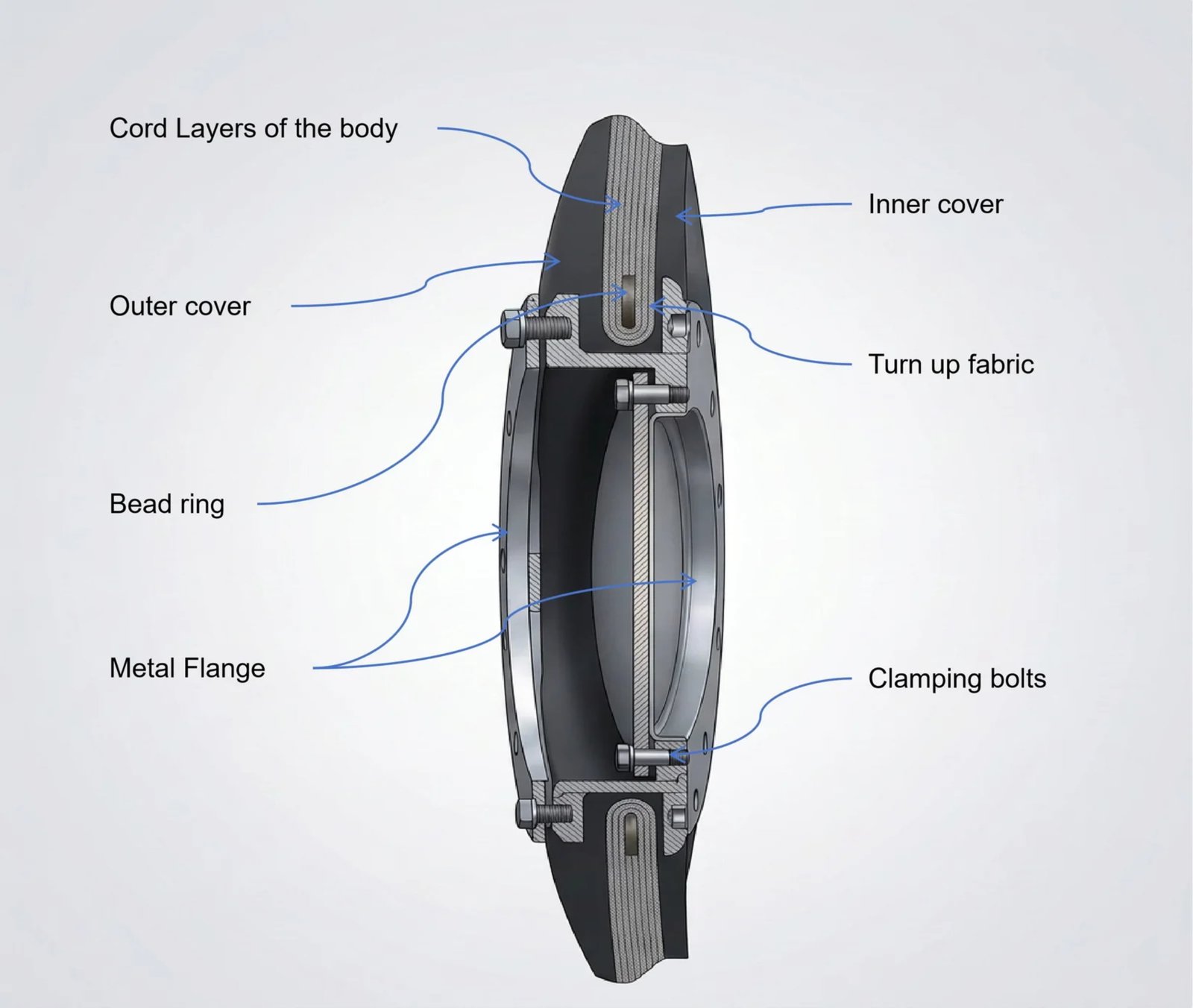
ISO 17357 and Project Documentation Support
We support pneumatic rubber fender procurement with ISO 17357 alignment, dimensional records, pressure testing documentation and third-party inspection coordination where required by the project.
Net Type, Sling Type and Custom Sizes
JettyGuard can review net type and sling type configurations, standard and custom sizes, and 50kPa / 80kPa options based on application, vessel size and procurement budget.
Fender and Rigging Gear from One Source
Pneumatic fenders can be supplied together with chains, shackles, swivels, tire nets and related handling hardware, reducing procurement coordination across multiple suppliers.
Founder-Direct RFQ Response
Your inquiry is reviewed by a decision-maker who understands the product and procurement context. You receive a practical response instead of a generic catalogue attachment.
Pneumatic rubber fenders with tire-net and chain rigging for demanding marine projects
What You Receive
Clear RFQ Support Before You Commit
When you send a pneumatic fender inquiry, the goal is not to receive a generic product list. Your team needs a clear scope for size, type, quantity, rigging, documentation and price comparison.
Specification Summary
Recommended or requested fender size, type, internal pressure, quantity and application notes are summarized for review.
Accessory Scope
Net protection, chains, shackles, swivels, lifting accessories and other rigging gear can be listed clearly in the quotation scope.
Inspection and Document Notes
Pressure testing, dimensional inspection, material records, third-party inspection and project documentation requirements can be confirmed before order.
Delivery and Packing Basis
Packing method, shipment terms, delivery schedule and destination information are considered so buyers can compare landed cost, not only unit price.
Standards & Documents
Standards and Inspection Support for Pneumatic Rubber Fenders
For marine terminal, FSRU and STS operations, buyers usually need more than a product photo and price. Standards alignment, test documentation and inspection coordination are part of the procurement decision.
ISO 17357 Pneumatic Fender Standard
ISO 17357 is the key product standard for pneumatic rubber fenders, covering construction, dimensional tolerance, performance and testing requirements. Use this as the baseline when comparing suppliers.
Application-Based Fender Selection
LNG, FSRU, STS and port berthing projects may require different fender size, pressure, type and rigging decisions. Selection should follow project operating conditions, not only a catalogue size table.
Inspection and Documentation Scope
Project orders may require dimensional inspection, pressure testing, material records, performance documentation or third-party inspection. Confirm these requirements before comparing price.
Project References & Testimonial
Selected Marine and Port Project References
Selected customer and project references shown with permission. Project details can be discussed during RFQ review where applicable.




"Your Jumbo fenders are proven good for our FSRU STS operation. It's great to meet your company at Gastec and we'll have more orders for our vessels to come."
Tim
VP, Energos Infrastructure
Frequently Asked Questions
Common Questions About Pneumatic Rubber Fenders
These questions cover the main details procurement and engineering teams usually clarify before requesting a pneumatic fender quotation.
Is a pneumatic rubber fender the same as a pneumatic fender?
How do I choose the right pneumatic fender size?
What affects pneumatic fender price?
Do your pneumatic fenders comply with ISO 17357?
Can you supply rigging gear with the fender?
What is the difference between net type and sling type pneumatic fenders?
What information should I send for a quotation?
Project Quotation
Request Pneumatic Fender Specs and Project Quotation
Send your application, size, quantity and inspection requirements. JettyGuard will review the scope and respond with suitable pneumatic fender options, rigging support and quotation details.
Useful details to include:
- Application type: LNG terminal, FSRU, STS transfer or port berthing
- Vessel type or project description
- Required fender size
- Quantity and delivery schedule
- Net type or sling type preference
- Rigging gear requirement
- Inspection or documentation requirement
- Destination port or project location
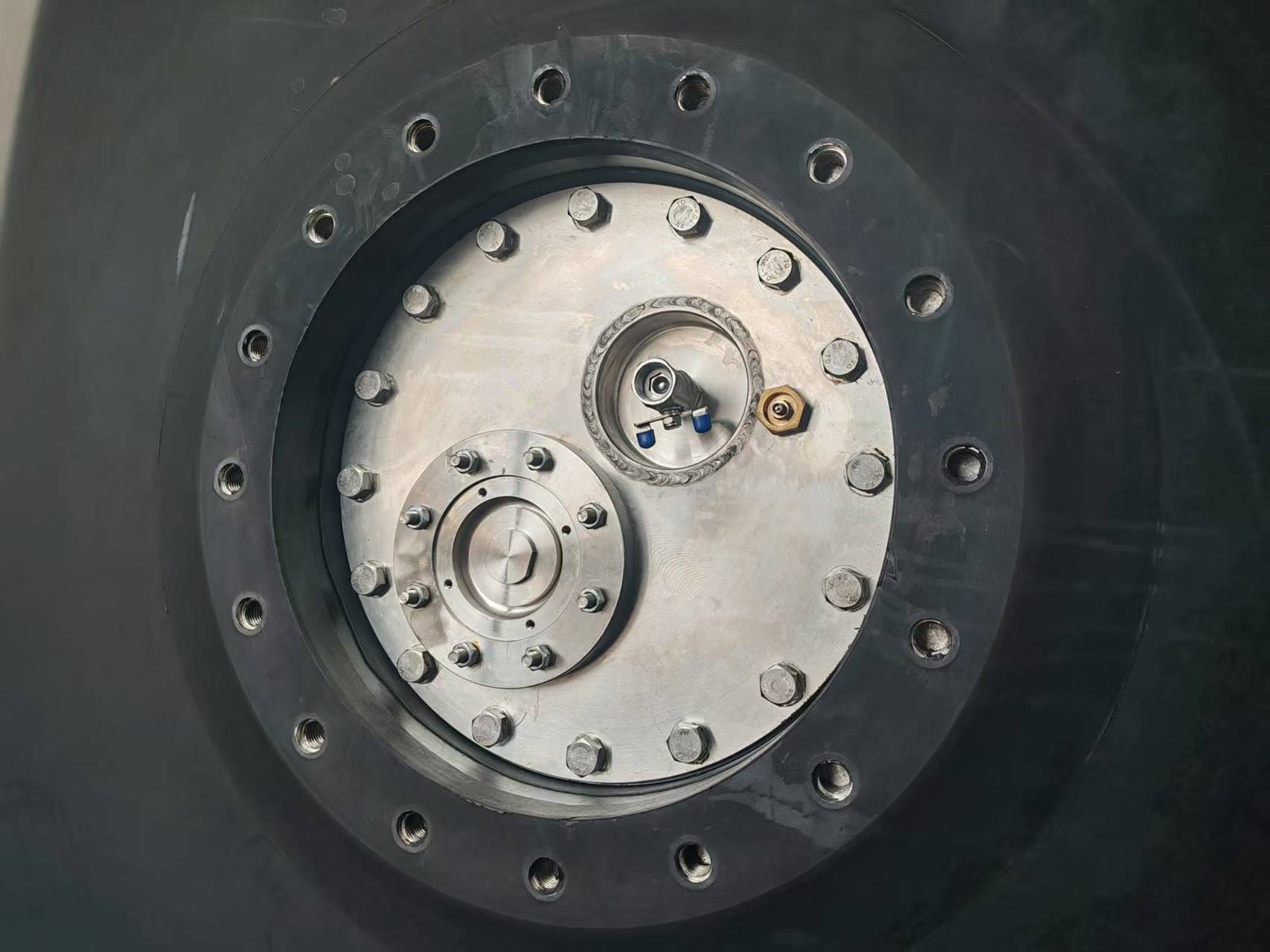
Flange and safety valve detail -- stainless steel precision construction
Most RFQs receive an initial response within 12-24 hours.
RFQ
Need a Pneumatic Fender Quote?
Send your LNG, FSRU or STS project details. We’ll recommend a suitable Yokohama type pneumatic fender and provide a quote.
Request a Quote