
Marine Fender Systems
Foam Filled Fender
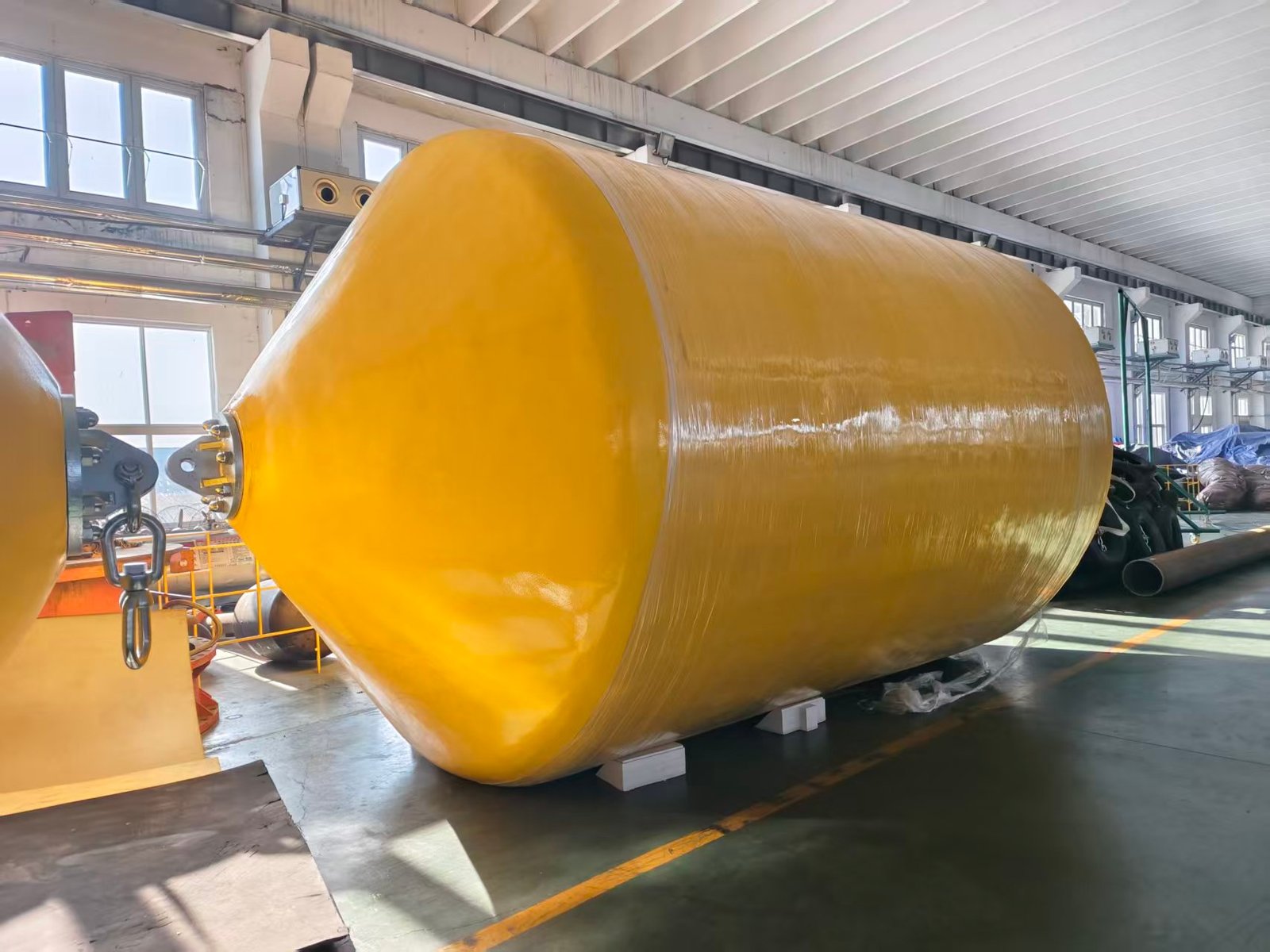
A foam filled fender is a floating fender with a closed-cell foam core inside a reinforced polyurethane skin. It absorbs berthing energy by compressing that foam instead of holding air pressure. Compare cylindrical, donut and hull-mounted configurations, then specify dimensions, core density, performance, drawings and quotation against your vessel and berth conditions.
When to choose a foam filled fender
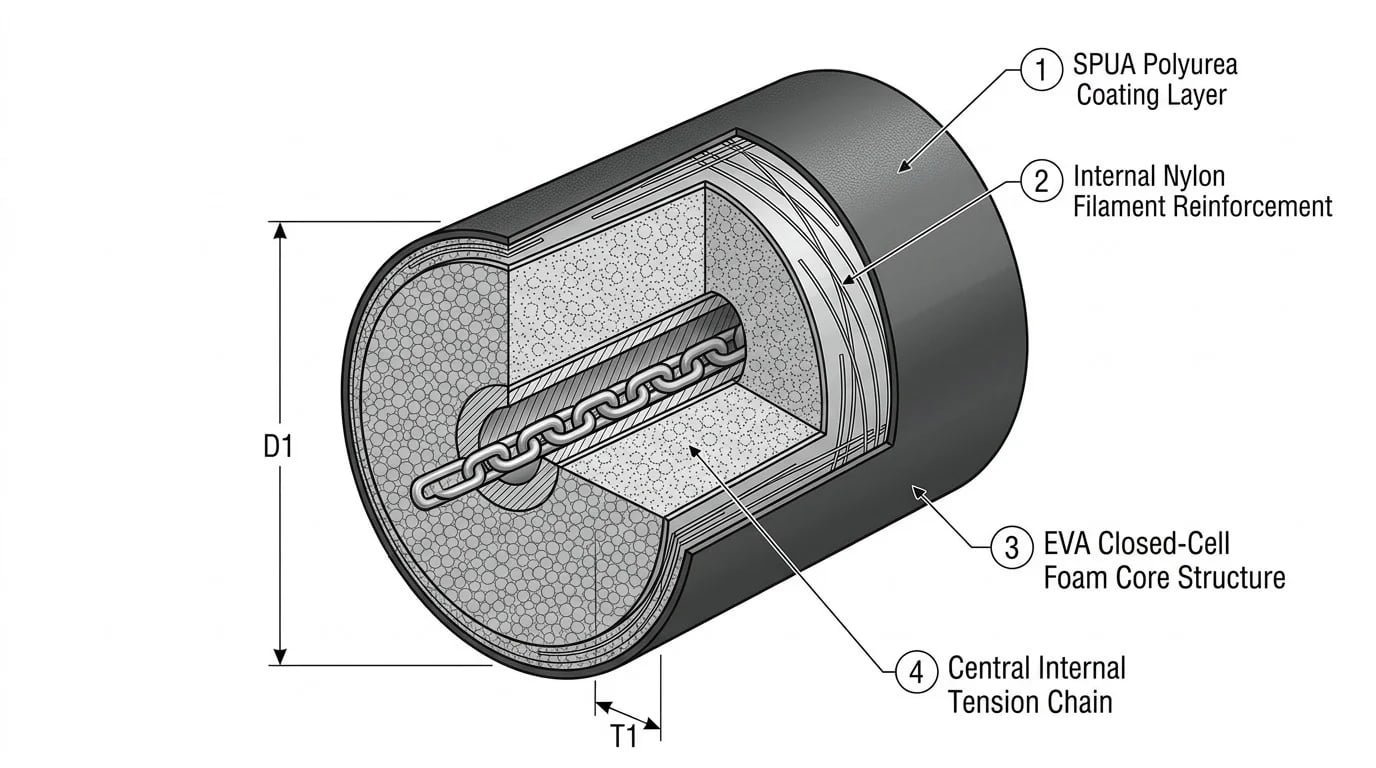
A foam filled fender — also called a foam fender or floating fender — sits between a vessel and a berth structure to absorb contact energy. Every size and configuration shares one construction: a cross-linked, closed-cell polyethylene or EVA foam core inside a filament-reinforced polyurethane elastomer skin.
Two decisions follow from there. First, where the fender is installed and used: hanging from a quay face, floating between vessels, riding on a pile, or bonded to a hull. Second, the size and performance it needs, which come from your vessel, your berth structure and your operating conditions.
A foam filled fender usually fits when:
- Maintenance accessMaintenance access is limited, seasonal, or expensive to arrange.
- Damage-tolerant buoyancyBuoyancy has to survive skin damage rather than depend on a retained pressure state.
- Hull limitsHull-sensitive vessels such as cruise ships or naval craft constrain contact pressure.
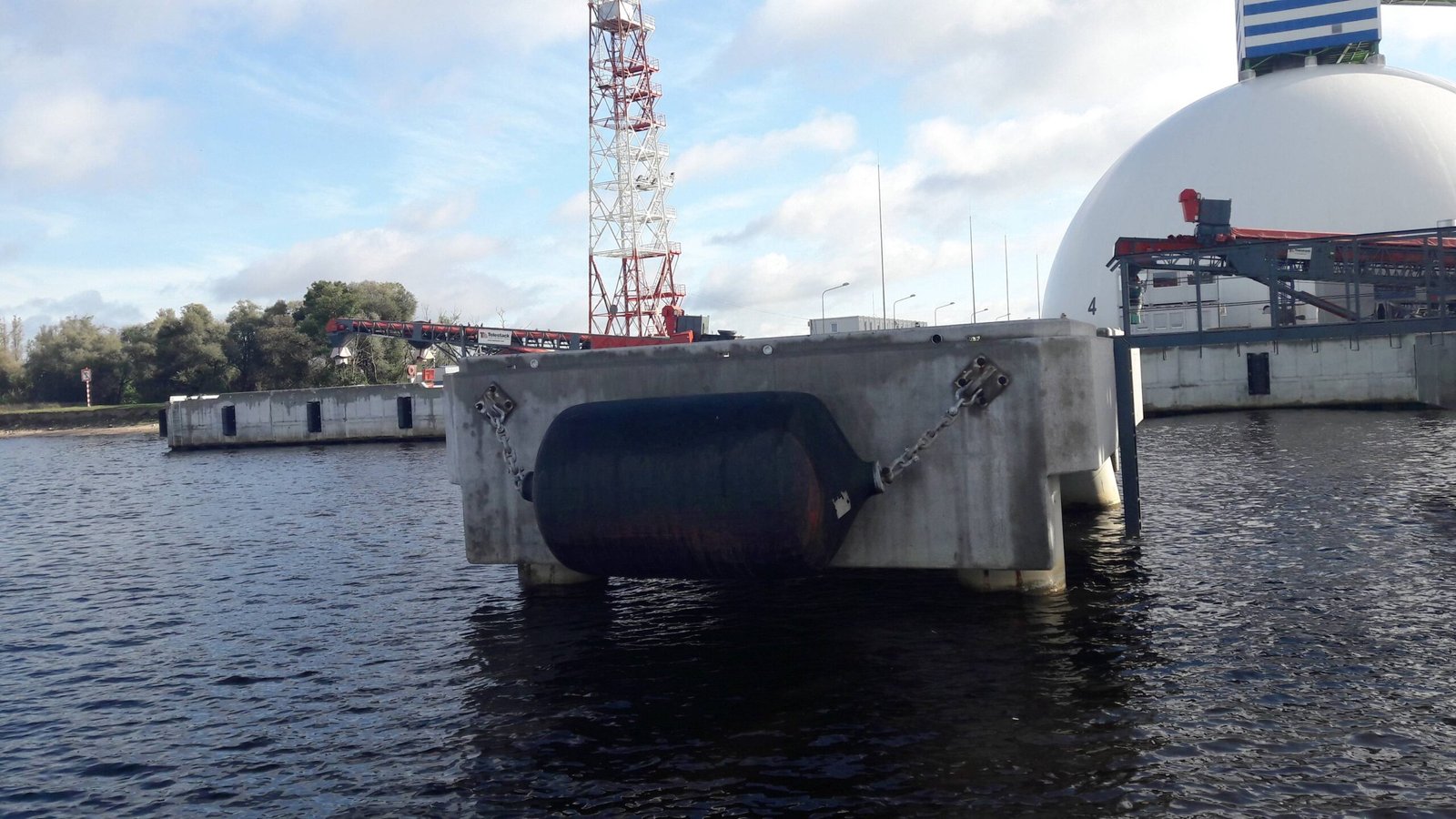
- Mounting arrangementThe fender hangs from a quay face on chain slings, floats between vessels, or rides on a pile instead of being fixed rigidly to a structure.
Check other fender types when the units must be relocated often and transported flat. A foam fender keeps its volume, so relocation needs lifting equipment.
How a foam filled fender absorbs energy
On contact, the foam core compresses under the vessel's load. The resulting reaction force pushes back against the hull and decelerates the vessel. Performance follows core density, fender geometry and the depth of compression — there is no internal pressure state to monitor or restore. When the vessel moves off, the foam recovers elastically.
Two consequences matter at selection stage. Because each closed cell is sealed independently, a punctured or torn skin does not flood the core, and the fender keeps floating and working. And because the skin is a structural layer rather than a container, its thickness is engineered against the fender's rated reaction force, with an unreinforced wear layer above it.
Inside the core, a tension chain connects both swivel end fittings so pull loads pass through the fender rather than through the skin.
For the full construction sequence, working principle and general-use discussion, read the supporting overview: foam filled marine fenders — construction and uses.
For core-material depth, see the EVA foam core guide.
Application
Choose by application
Where the fender is installed and how it is used usually narrows the choice faster than a product list does. Pick the application that matches your project, and it carries through to the inquiry form, so your size and quantity questions arrive with the right application already set.
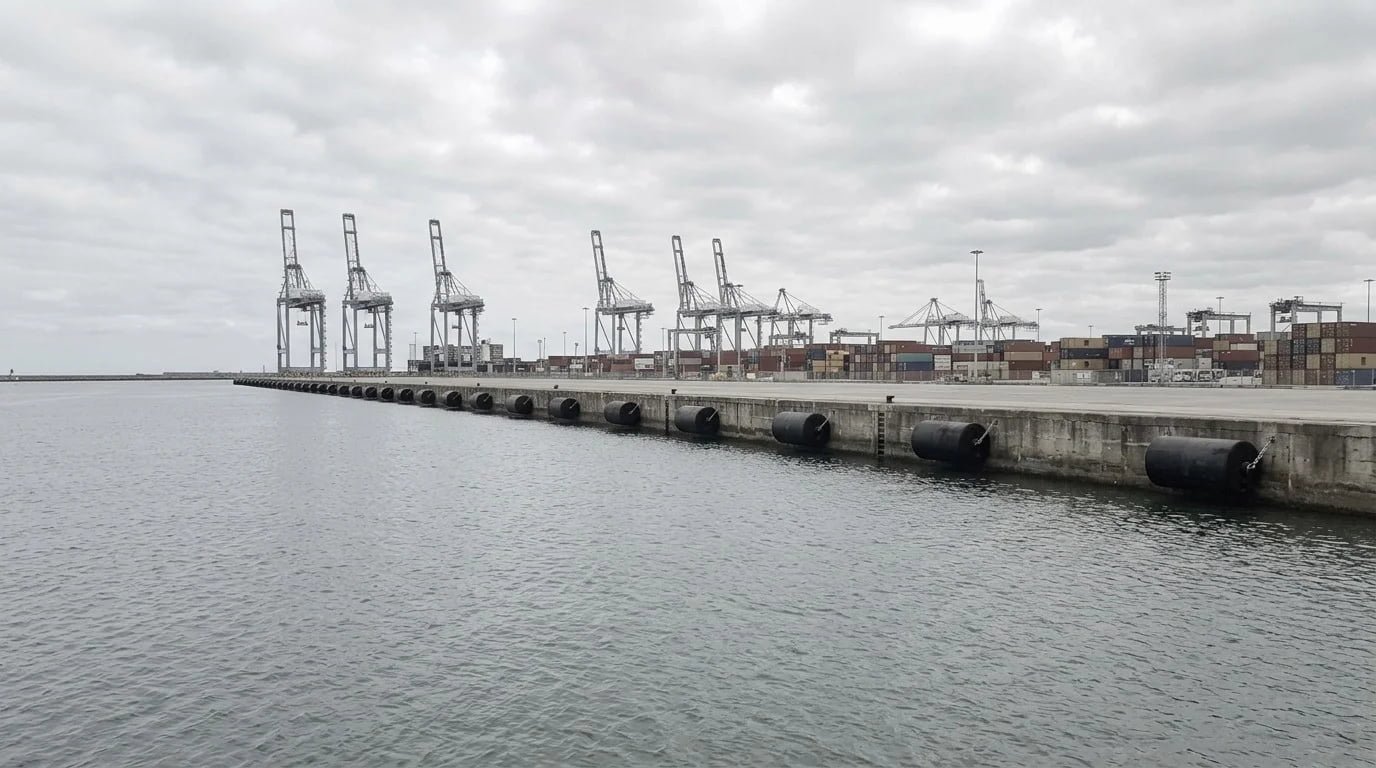
Port and jetty berthing
Units hang vertically from the quay face on chain slings and work across the tidal range for container, bulk, RoRo, cruise and general cargo vessels. Hull-sensitive classes constrain allowable contact pressure, which feeds back into core density and geometry.
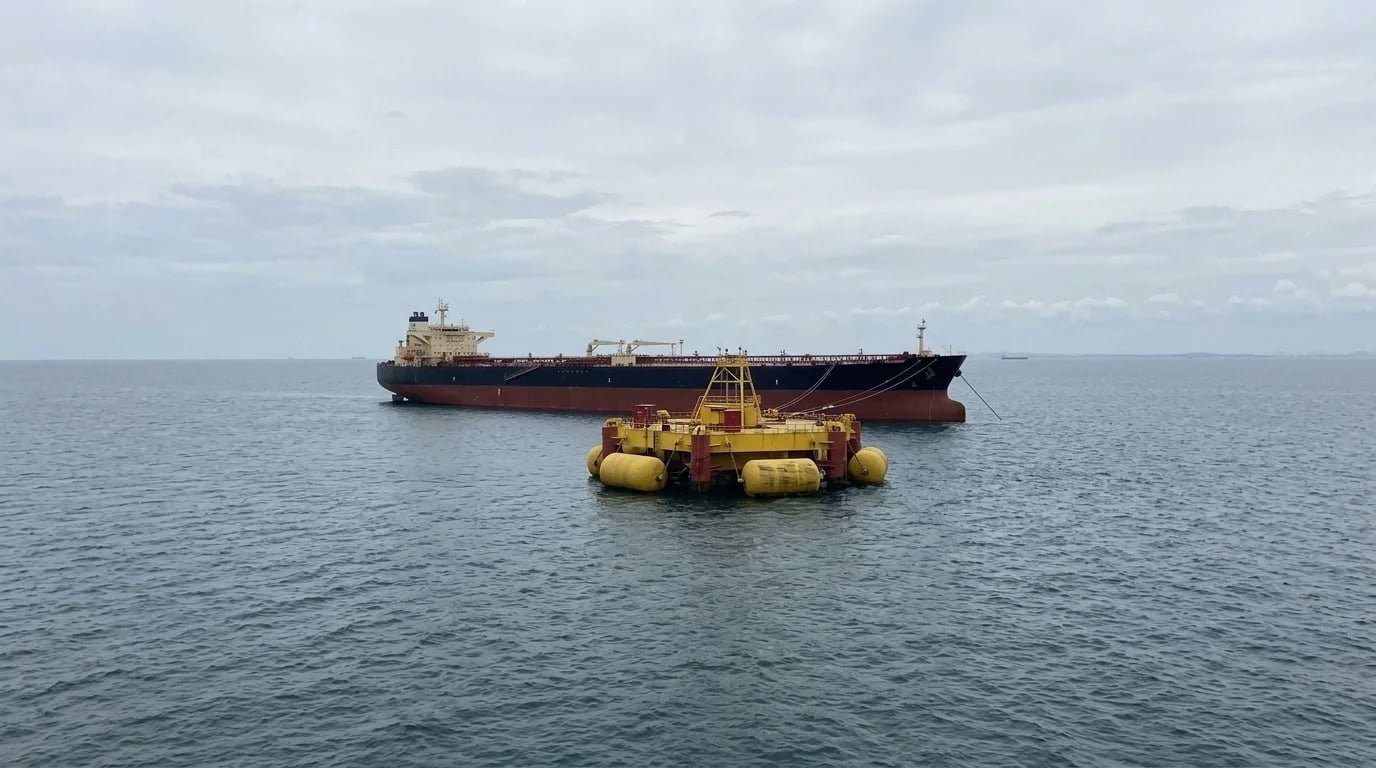
Offshore SPM, FPSO and boat landing
No pressure checks between service visits. Larger units cover tanker approach protection at offshore terminals, where exposure and long service intervals drive the specification.

Ship-to-ship transfer
Fenders float freely between vessels, need no pre-inflation, and repeat transfer cycles.
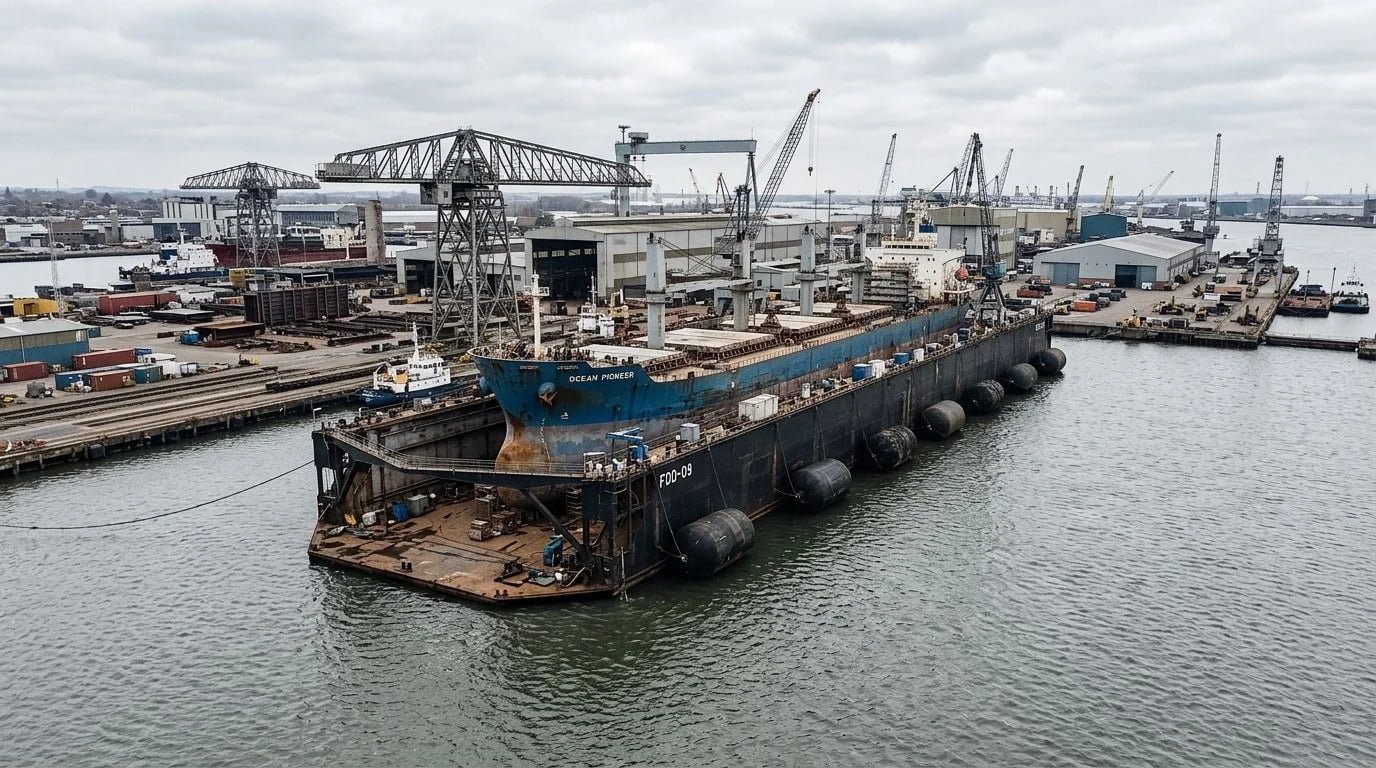
Floating dock and shipyard
Non-marking polyurethane skin avoids hull paint damage on freshly painted vessels. Smaller units handle low-velocity lateral contact along the dock wall.
Mounting configurations
Choose a configuration
Three configurations share the same core and skin technology. They differ in how the fender is mounted and what structure it protects.
Before finalizing your RFQ, confirm mounting requirements, handling considerations, and wear protection needs with your project team. Depending on the foam-fender design, a chain-and-tyre net may be included. If your project requires a netless sling arrangement, state this requirement in your RFQ for confirmation during specification.
How dimensions and performance are set
Foam fenders are engineered to a berth rather than picked from a fixed shelf. Diameter, length, core density and the performance schedule are selected together for each project, because changing one of them changes what the others have to do. The inputs that drive that selection are:
Effective berthing energy
Effective berthing energy for the design vessel, from displacement, approach velocity and eccentricity.
Allowable reaction force
Allowable reaction force at the berth structure — the load the quay, dolphin or pile can accept.
Vessel and hull limits
Vessel and hull limits, including permissible contact pressure for hull-sensitive classes.
Mounting arrangement
Mounting arrangement — chain suspension from a quay face, free-floating between vessels, or pile-mounted.
Tidal range and freeboard
Tidal range and freeboard, which set where the fender sits through the working cycle.
Operating conditions
Operating conditions — exposure, current, wave action, berthing frequency and service interval.
How the specification is verified
Selection starts with the vessel's effective berthing energy, calculated per PIANC 2024 WG-211 methodology from displacement, approach velocity and eccentricity. The chosen fender's energy absorption must equal or exceed that figure with the appropriate safety factor.
The second check is reaction force. It has to stay inside the limits of both the berth structure and the vessel hull, which is where core density and geometry are usually revisited.
Because berth inputs differ from terminal to terminal, the same vessel class can end up with different fender dimensions at two berths. Dimensions are confirmed by an engineering review of your inputs rather than read off a size chart.
Send the inputs you have. The quotation and engineering schedule for your project then confirm the configuration — dimensions, core density and the performance values it is specified against. Anything still open at that point is worked through before the configuration is fixed.
Testing and documentation are set project by project rather than by a standard package. Third-party inspection by BV or SGS can be arranged for project orders, and the scope of testing and documentation for your order is confirmed when you ask for it — so raise any document your project requires at inquiry stage.
Maintenance and damage tolerance
Foam compared with pneumatic and rubber fenders
The decision comes down to maintenance access, damage tolerance and how often the units move.
| Point of difference | Foam filled fender | Pneumatic fender |
|---|---|---|
| Energy source | Foam compression | Internal air pressure |
| Routine maintenance | No inflation or pressure monitoring | Regular pressure monitoring |
| If the skin is damaged | Continues to float and function | Deflates and sinks |
| Deployment | No preparation needed | Requires inflation |
| Relocation | Requires lifting equipment | Deflate and transport flat |
Built and verified
How JettyGuard builds and checks a foam-filled fender
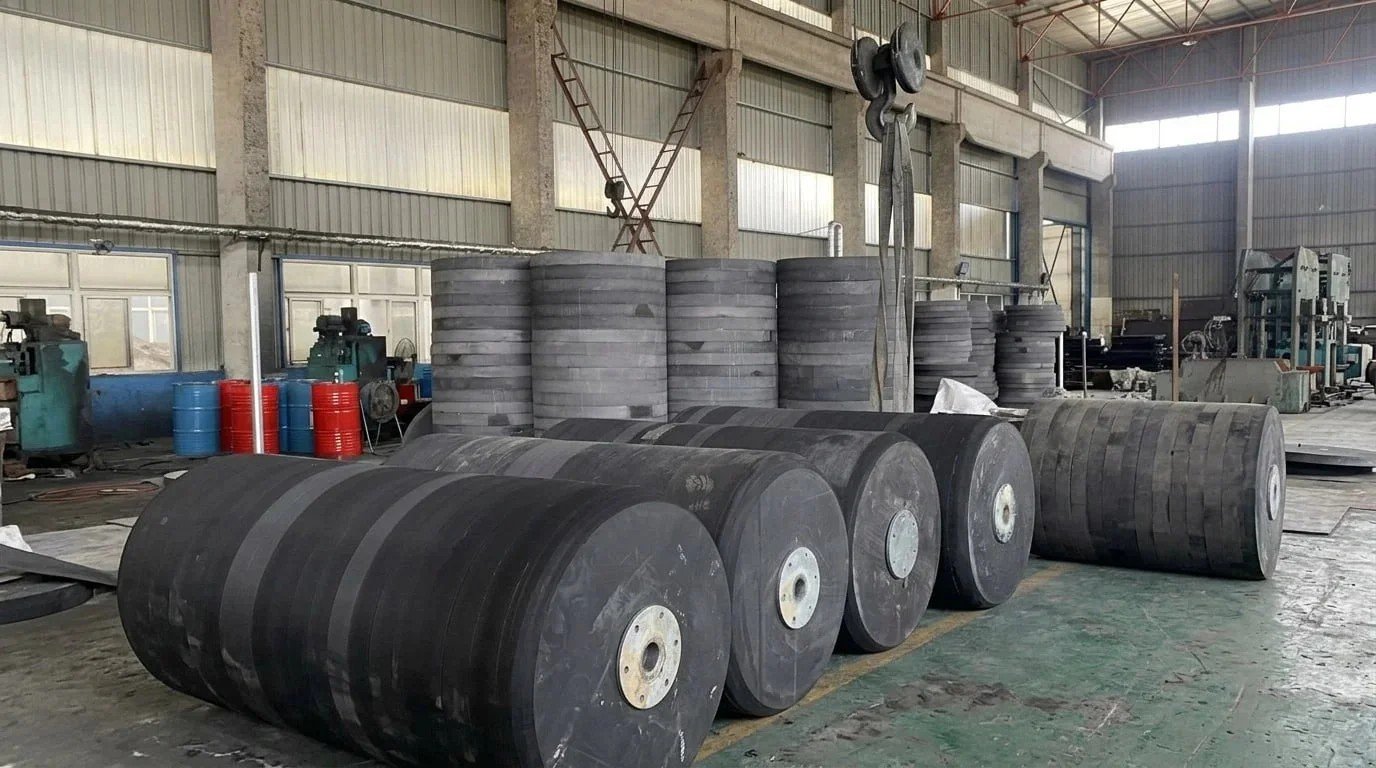
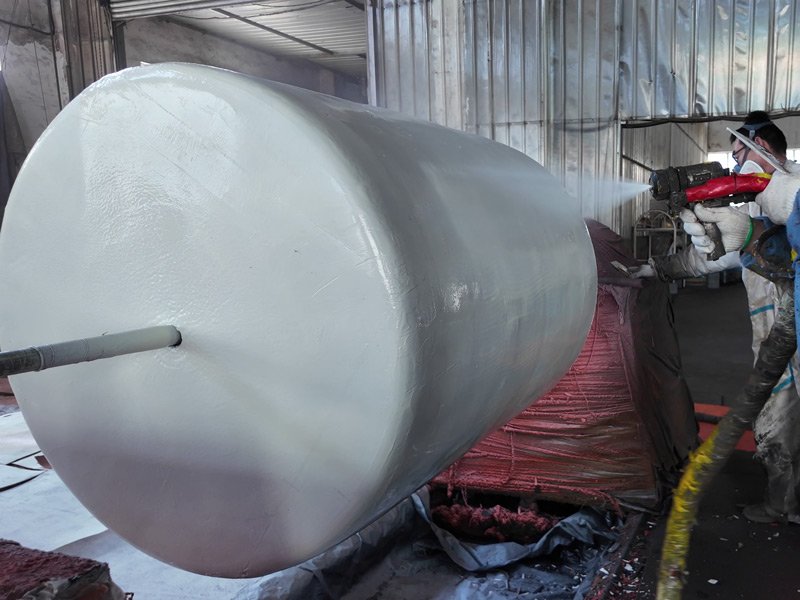
JettyGuard manufactures foam-filled fenders in four controlled steps: the foam core is laminated, the internal chain and end fittings are fitted, the polyurethane skin is sprayed, and the finished unit is measured.
Two project inputs govern the result: the load rating your chain and end fittings are verified against, and the skin thickness set by the design specification.
- 01Closed-cell foam core — Closed-cell foam layers are laminated into the core profile to form the energy-absorbing body of the fender.
- 02Internal tension chain and swivel end fittings — Swivel end fittings and the internal tension chain are fitted, then verified against the load rating.
- 03Filament-reinforced polyurethane skin — Polyurethane is spray-applied with helical nylon filament reinforcement, at the thickness set by the design specification.
- 04Dimensional and skin-thickness checks — Dimensional checks and skin-thickness measurement are performed on the finished unit.
Common questions
What drives the price of a foam filled fender?
Diameter and length, core density, skin specification, quantity and any custom requirement. Two units from the same family can sit in very different commercial categories once those change. Send your size requirement or berth inputs, quantity and delivery port and the quotation can be built against your actual scope.
Can I order a custom size?
Yes. Diameters and lengths are engineered to the project rather than selected from a fixed list, and custom geometry is normal work rather than an exception. It is confirmed at quotation, because geometry affects both the performance schedule and the production route.
What skin colours and markings are available?
Black, grey, orange and white are standard, all UV-protected. Custom colours and logo application are available. Colour does not change the mechanical performance of the fender, so it can be settled after the technical specification is agreed.
What documentation comes with a shipment?
The documentation set is agreed with the order rather than fixed in advance. Third-party inspection by BV or SGS can be arranged on request, and project-specific testing and documentation are confirmed at that point. List every document your project or customs process needs while the order is being placed, so the scope is settled in writing.
Project specification
Request foam fender specifications
Share your vessel type, berth configuration and required size to begin specification. Useful starting inputs include vessel DWT or displacement, approach velocity, berth structure type, quantity and delivery port. Our engineering team will work through any missing information after the first reply.
Required inspection and verification records vary by project and may be determined by owner, consultant, customs or regulatory requirements. Please list the documentation your project requires in your RFQ so we can confirm availability during specification.