
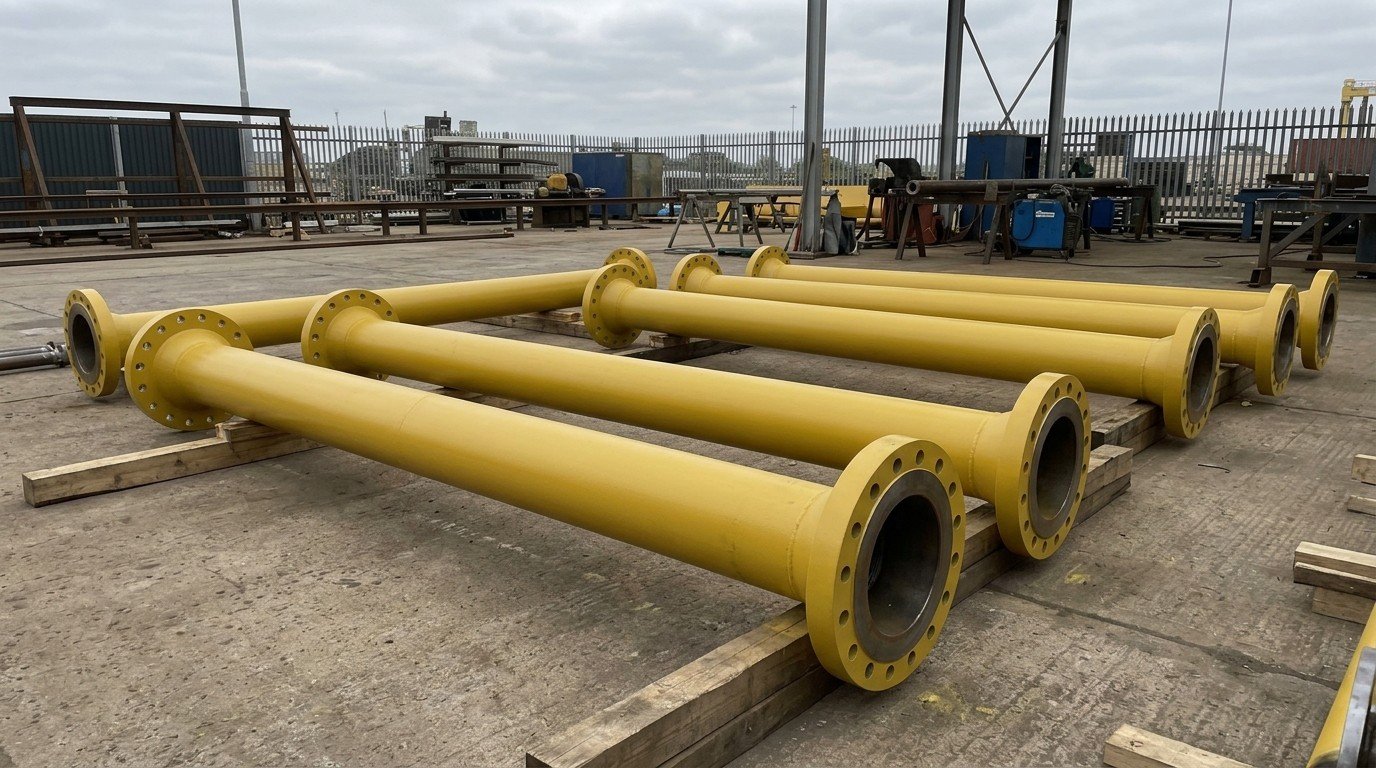
Steel Structure · Pipe Spool Fabrication
Pipe Spool Fabrication for Marine, Offshore, and Industrial Projects
Drawing-based pipe spool supply for EPC contractors, shipyards, port projects, LNG facilities, offshore packages, and industrial piping systems.
JettyGuard supports prefabricated pipe spool packages based on your drawings, MTO, material grade, flange rating, coating requirement, and inspection plan. We help buyers reduce field welding scope, prepare clearer site installation packages, and keep export documentation under control.
For carbon steel pipe spools exposed to marine and coastal corrosion — jetty topside lines, splash-zone sections, seawater systems, offshore topside piping — we fabricate and apply marine-grade protective coating in-house, on the same production line, so weld preparation and coating are controlled together instead of split across a fabrication shop and a separate painting subcontractor.
A pipe spool is a prefabricated piping section made from pipe, fittings, flanges, and welded joints before site installation. In marine, LNG, offshore, and industrial projects, pipe spools are built from approved drawings to reduce field welding scope, control dimensions, and keep installation packages easier to inspect. For carbon steel spools exposed to marine and coastal air, splash, or seawater, the coating system — not the weld alone — usually decides service life, which is why JettyGuard runs surface preparation and marine-grade coating in its own coating workshop rather than handing exposed spools to a separate painting subcontractor.
Definition
What Is a Pipe Spool?
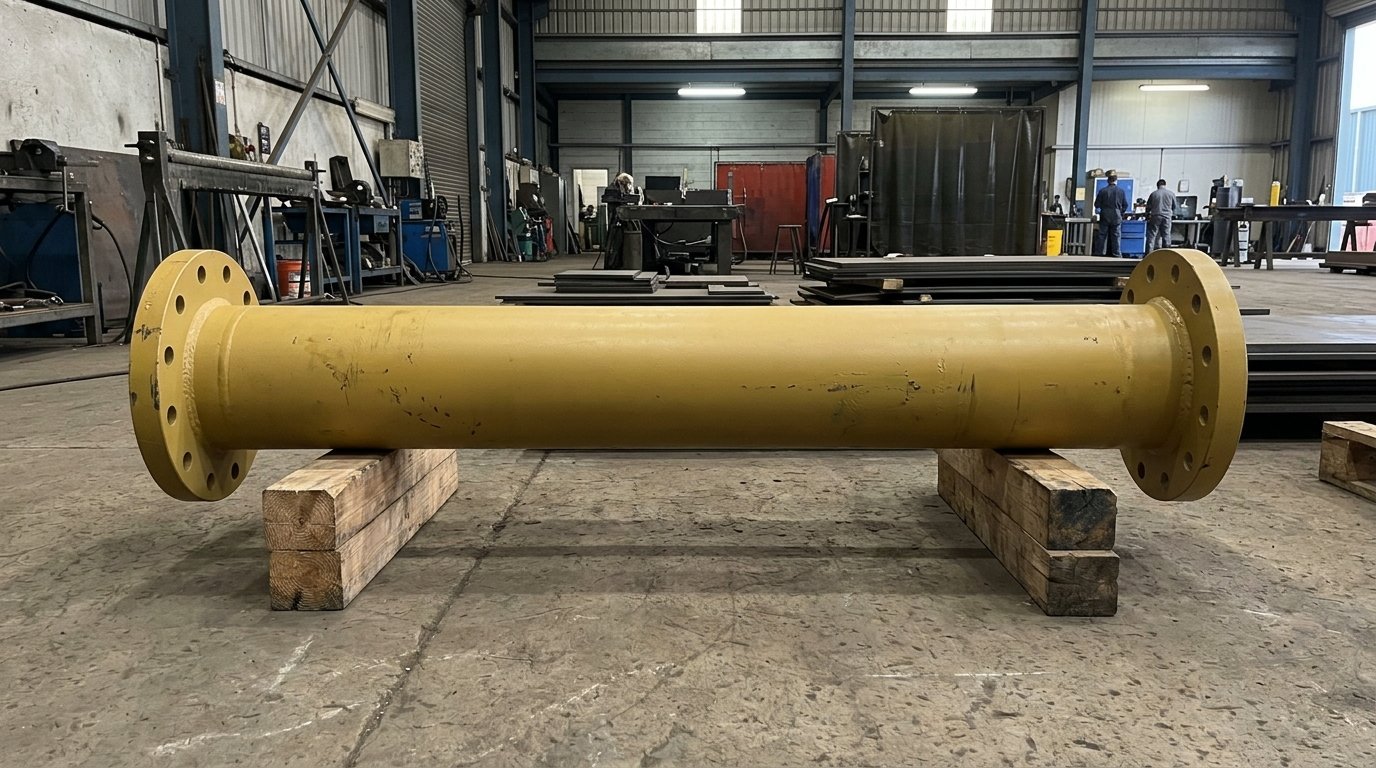
A pipe spool is a pre-assembled piping section manufactured away from the final installation location.
It normally includes straight pipe, fittings, flanges, branch connections, welds, coating or surface treatment, and identification marking. Each spool corresponds to a drawing, line number, spool number, and material specification.
Instead of cutting and welding every piping segment at site, the contractor fabricates the spool in a controlled workshop, inspects it, protects the ends, and ships it to the project.
This is why pipe spool fabrication is widely used in LNG terminals, oil and gas facilities, offshore modules, shipyards, port utility systems, and process plants.
Applications
Where Marine-Coated Pipe Spools Are Used
Not every pipe spool needs marine coating. The scenarios below share one thing: carbon steel piping that sits in a marine or coastal corrosion environment, where a heavy-duty protective coating system decides how long the spool survives. These are the cases where JettyGuard's in-house fabrication and coating line matters most.
Jetty · Wharf
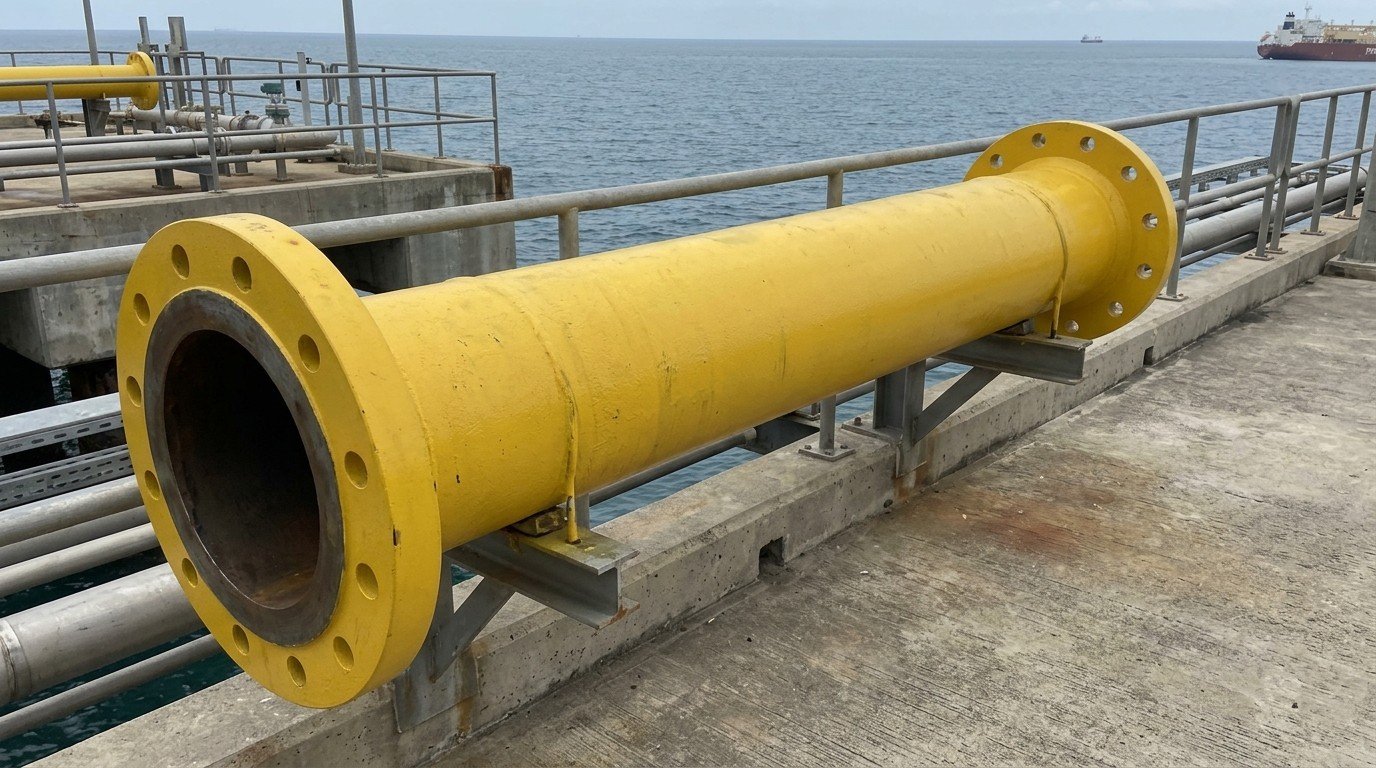
Jetty and Wharf Topside Piping
Utility and process lines running across exposed jetty decks and wharf topsides take direct salt spray and wind-driven moisture every day. Bare or lightly painted carbon steel corrodes fast in this atmospheric marine zone.
These spools are fabricated and coated to a marine-grade system before shipment, and are often packaged alongside the deck steel structure and supports for the same berth.
View steel structure capability →Splash · Tidal Zone
Splash and Tidal Zone Pipe Sections
Pipe sections that pass through the splash and tidal band — wetted by seawater, then exposed to air and oxygen on a cycle — see the most aggressive corrosion of any zone, typically classed C5-M or worse.
For these sections JettyGuard can apply a heavier coating build, including polyurea spray for high-abrasion or splash exposure, with controlled surface preparation and DFT records.
See marine coating systems →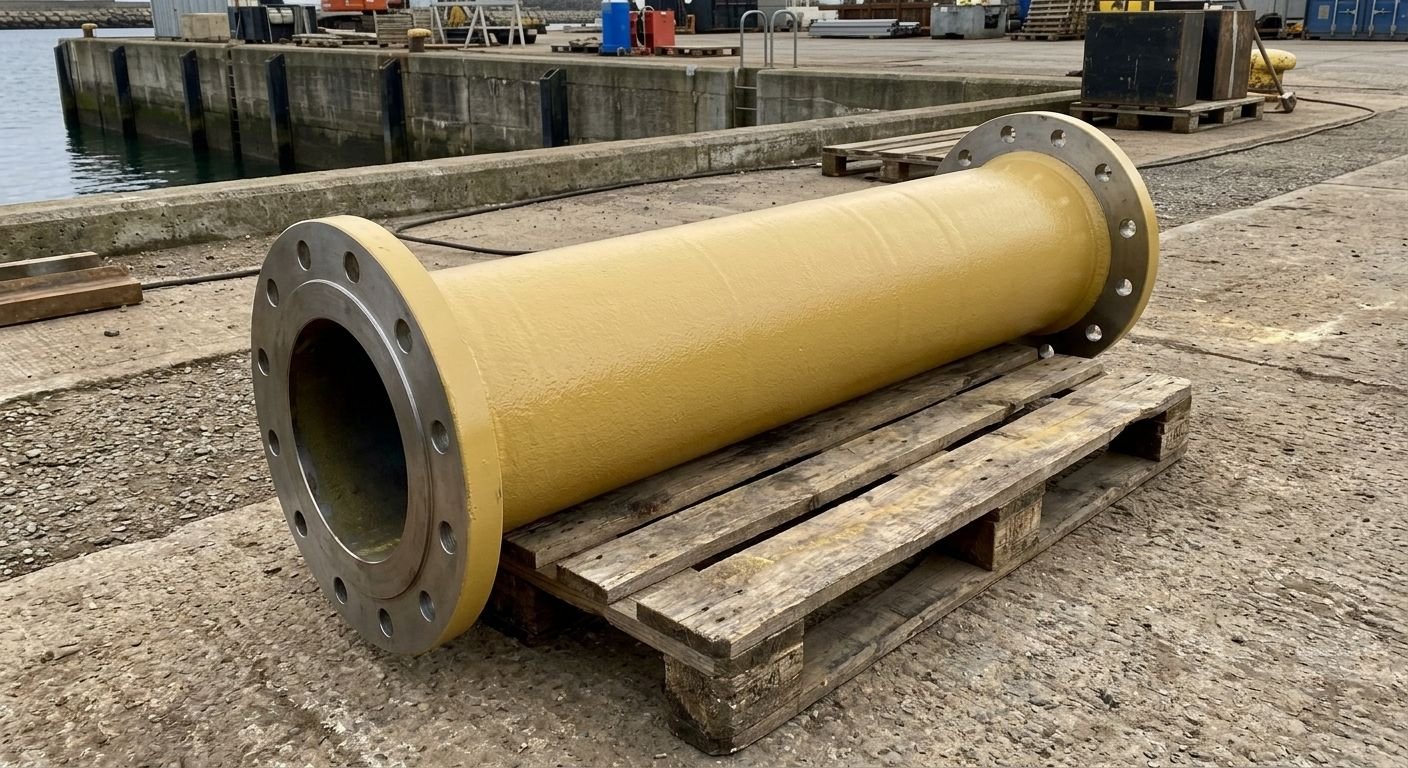
Coastal Power Plant Seawater Cooling — Exposed Runs
Outdoor carbon steel sections of seawater cooling and circulating water systems at coastal power plants combine a marine atmosphere with seawater service, so exposed runs need a marine coating system rather than ordinary primer.
Seawater Desalination — Outdoor Intake / Outfall Carbon Steel Sections
Where desalination intake and outfall systems use outdoor carbon steel auxiliary spools instead of lined or alloy pipe, those sections are exposed to seawater and coastal air and require heavy-duty protective coating.
Offshore Platform and Offshore Wind Topside Piping
Exposed topside piping on offshore platforms and offshore wind structures is permanently in a salt-laden marine atmosphere, where coating quality on carbon steel spools directly affects inspection and maintenance cost over the asset life.
Oil / LNG Terminal Firewater and Foam Lines (Exposed)
Exposed firewater and foam lines at oil and LNG terminals are safety-critical carbon steel piping in a marine atmosphere; a robust marine coating keeps them reliable between inspections. These spools are often supplied with related jetty and mooring hardware.
In-House Coating
Marine Coating for Pipe Spools
Coating is one of the largest sources of warranty problems on exposed marine steel, which is why JettyGuard does not subcontract it. Fabrication and marine coating run on the same production line, so weld preparation, surface preparation, and coating are controlled together — not split between a fabrication shop and a separate painting yard, where missed edges, transit damage, and DFT shortfalls usually appear.
| Exposure Zone | Typical Condition |
|---|---|
| Atmospheric (C5-M) | Coastal / marine air with high salinity; deck and topside piping |
| Splash | Frequently wetted by spray and waves; most aggressive zone |
| Tidal | Alternating wet/dry with tide cycle; high corrosion risk |
| Immersion | Continuously submerged seawater service; system per project spec |
Our Coating Path
- Surface preparation to Sa 2.5: abrasive blast cleaning in controlled workshop conditions before coating.
- Marine epoxy primer: high-build anti-corrosion primer for the marine atmosphere.
- Polyurethane topcoat: UV and weather-resistant finish for exposed runs.
- Polyurea spray (option): for high-abrasion or splash-zone sections needing a heavier, tougher build.
- DFT and inspection records: dry film thickness measurement and a coating inspection report included in the documentation package.
The exact system follows the project coating specification and exposure class. Send your spec and we confirm the system against it.
When You Need It
When a Pipe Spool Actually Needs Marine Coating
We do not push marine coating onto every spool. A carbon steel pipe spool generally needs a marine coating system only when all three conditions are true:
Marine coating is usually needed when:
- The spool is carbon steel (not stainless, duplex, or a corrosion-resistant alloy).
- It is exposed to a marine or coastal corrosion environment — salt air, splash, tidal, or seawater service.
- The corrosion is not already solved another way — not buried with a pipeline coating, not internally lined, not isolated by insulation or material choice.
| Usually does NOT need marine coating | Why |
|---|---|
| Stainless / duplex process spools | Material is already corrosion resistant |
| Buried pipe (3LPE / FBE) | Pipeline coating handles below-grade protection |
| Slurry / dredging wear lines | Internal wear lining is the controlling requirement |
| Aggressive chemical service | Lined, rubber-lined, or alloy pipe is specified |
| Indoor / dry inland piping | No marine exposure; standard primer is enough |
| Insulated / jacketed lines | Different scope (CUI control), handled separately |
Send the drawings, piping class, and exposure environment. We first judge whether marine coating is actually needed, and if so, which system fits — before pricing.
Specifications
Pipe Spool Specification Range
Pipe spools are project-specific products. Final capability must be confirmed against drawings, material grade, wall thickness, welding procedure, inspection requirement, and coating system.
Schedule Note
For many export projects, drawing review and quotation can start within 1 working day after receiving the RFQ package. Simple carbon steel spool packages may be planned from 4-8 weeks after drawing and material confirmation, while complex inspection or coating scopes require separate scheduling.
| Item | Common Options / Inputs Required |
|---|---|
| Product type | Straight spool, flanged spool, elbow spool, tee spool, reducer spool, branch spool, skid piping spool |
| Material | Carbon steel, stainless steel, galvanized steel, duplex or project-specified alloy |
| Pipe size | NPS / DN size from project drawings |
| Wall thickness | Schedule, wall thickness, or project piping class |
| Fittings | Elbows, tees, reducers, caps, couplings, branch connections |
| Flanges | ASME / EN / JIS flange standard, pressure class, facing type, bolt holes |
| Welding | Butt weld, fillet weld, socket weld, flange weld, project-specific WPS/PQR requirement |
| Surface treatment / marine coating | Bare steel, primer only, or full marine coating system. For exposed marine/coastal spools: Sa 2.5 surface prep, marine epoxy primer, polyurethane topcoat, polyurea spray for high-abrasion or splash zones, with DFT and exposure class per project (see Marine Coating for Pipe Spools) |
| Inspection | Dimensional check, visual inspection, NDT if required, hydrotest if required by project |
| Packing | Flange protection, end caps, coating protection, bundle or crate packing for export shipment |
Early RFQ Review
Have drawings but not a complete RFQ package?
Send what you have. We will mark missing material, flange, coating, inspection, or packing information before pricing.
Fabrication Process
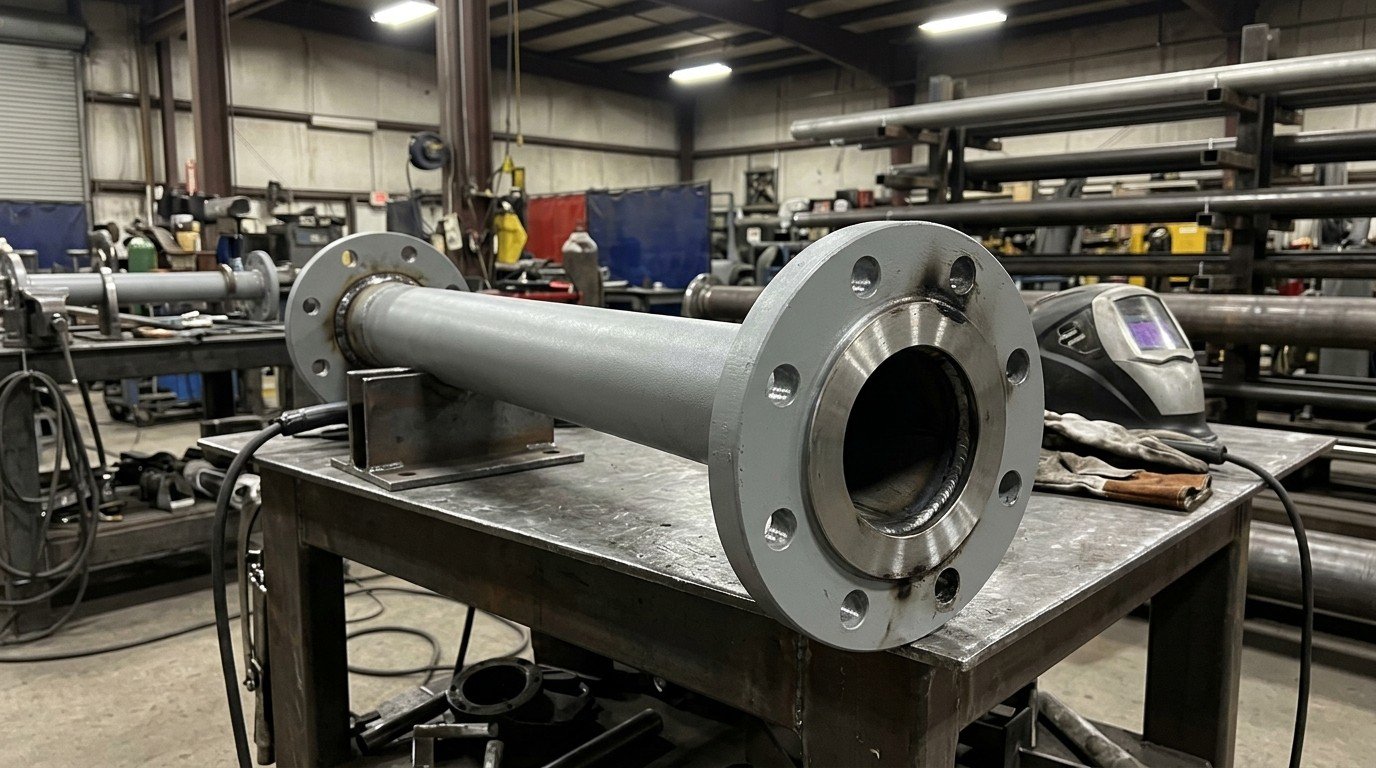
Pipe Spool Fabrication Process
A good pipe spool is built around drawing control: pipe size, flange orientation, weld location, tolerance, coating limits, and site installation interface.
| Step | Buyer Checkpoint |
|---|---|
| Drawing review | Confirm revision number and approved-for-fabrication status |
| Material preparation | Confirm material grade and certificates |
| Cutting and beveling | Confirm cut length and bevel requirement |
| Fit-up and welding | Check dimensions, flange orientation, WPS/PQR, and welder qualification when required |
| Inspection and coating | Confirm ITP hold points, NDT, coating system, and DFT requirement |
| Marking and packing | Confirm spool number, line number, flange protection, and packing method |
Standards
Common Standards for Pipe Spool Fabrication
Pipe spool requirements vary by project, country, end user, and service medium. JettyGuard reviews each RFQ against the standards and specifications provided by the client.
Process Piping
Common reference for process piping design and fabrication requirements.
Welding Qualification
Reference for welding procedure and welder qualification where specified.
Flanges and Fittings
Common references for flanges, flanged fittings, and butt-welding fittings.
Structural Welding
Relevant where the pipe spool package includes structural steel supports.
Quality System
Quality management system basis for controlled project supply.
Marine Coating Reference
Common reference for protective coating systems on steel in marine and coastal high-corrosion (C5-M) environments.
Inspection Control
Inspection and test plan controlling witness points, hold points, and reports.
Comparison
Prefabricated Pipe Spool vs Field Fabrication
Prefabrication does not remove all site work, but it reduces the amount of cutting, fit-up, and welding that must happen under site conditions.
| Factor | Prefabricated Pipe Spool | Field Fabrication |
|---|---|---|
| Welding environment | Controlled workshop | Site condition dependent |
| Dimensional control | Checked before shipment | Adjusted during installation |
| Site labor | Lower | Higher |
| Documentation | Prepared before delivery | Built during site work |
| Best use | Repeated lines, compact modules, export packages, tight schedule | Uncertain site dimensions, frequent field changes |
RFQ Checklist
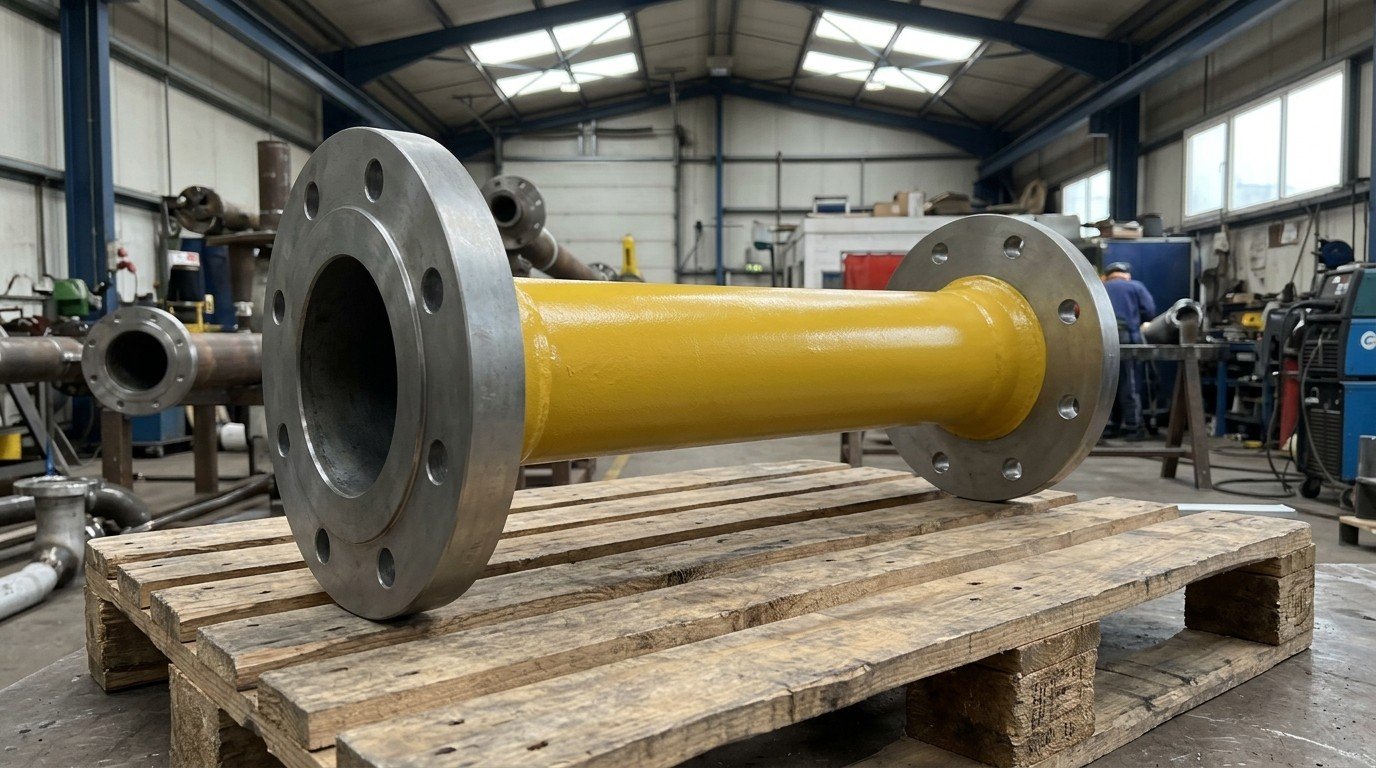
What to Send for a Pipe Spool Quotation
If your project needs delivery in less than 8 weeks, send the drawings early. The first review is often where missing flange ratings, coating systems, inspection hold points, or drawing revision issues are found.
Minimum RFQ Package
- Drawings: Pipe spool drawings or isometric drawings.
- MTO / BOQ: Material take-off or bill of quantities with quantity and material.
- Pipe data: Size, schedule, material grade, fittings, and flange standards.
- Welding: WPS requirement if specified.
- Inspection: NDT, hydrotest, third-party inspection, and ITP hold points if required.
- Coating: Surface treatment, coating system, and DFT requirement.
- Logistics: Packing, marking, delivery destination, and target schedule.
Quality · Packing · Related Supply
Documentation and Export Shipment
For pipe spools, quality is not only about weld appearance. The important question is whether the spool can be installed without rework and whether the documentation can pass client review.
Quality Records
Material certificates, drawing revision records, dimensional inspection, weld summaries, NDT reports, hydrotest reports, and coating records where required.
Packing Protection
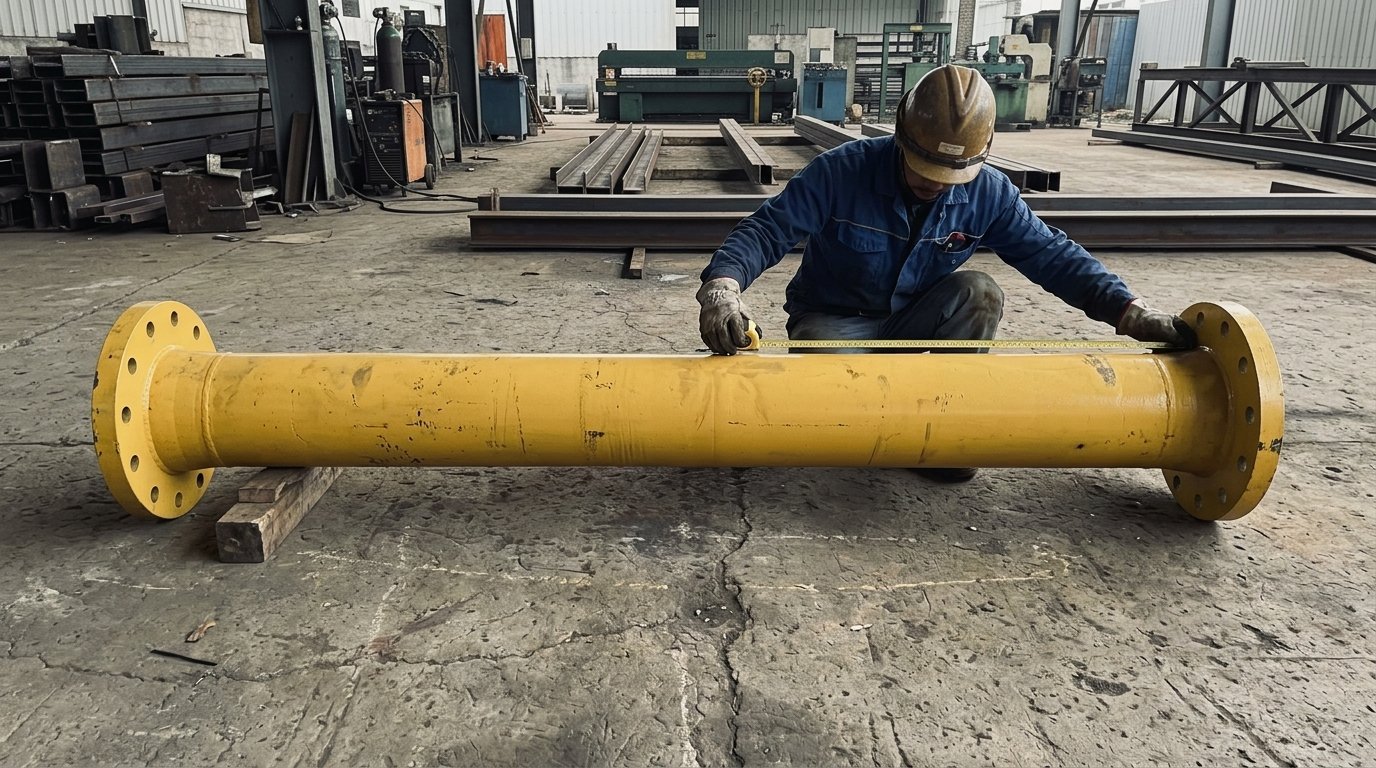
Flange covers, end caps, coating protection, wooden supports or steel frames, shipping marks, and photo records before shipment.
Related Supply
Pipe spools can be reviewed together with steel structures, skid bases, mooring hardware, and marine protection products depending on project scope.
Why JettyGuard
A practical pipe spool supplier for project packages.
JettyGuard's confirmed quality base includes ISO 9001:2015 quality management, ISO 14001 environmental management, welding procedure qualification, and export supply experience for customized structural steel products.
We review the drawing and RFQ package before pricing, clarify missing technical information early, and prepare export-ready packing and documentation.
View steel structure capability →Related Products
Related Steel Structure and Marine Products
Pipe spools are often purchased as part of a broader marine or industrial package.
Steel Structure Fabrication
Pipe racks, supports, brackets, access structures, and marine steel packages.
Skid Base
Equipment base frames and skid-mounted piping assemblies.
Mooring Bollards
Port and jetty hardware packages.
Foam Filled Fenders
Port and offshore protection systems.
Pneumatic Fenders
LNG, STS, and offshore vessel protection.
Mixed Project RFQ
Send multiple items together for package review.
FAQ
Pipe Spool FAQ
Short answers for procurement teams and engineers preparing a pipe spool RFQ.
What is a pipe spool?
What is pipe spool fabrication?
What information is needed to quote a pipe spool?
Can JettyGuard quote without complete drawings?
What materials can be used for pipe spools?
Which standards are common for pipe spool fabrication?
Does my pipe spool need marine coating?
What coating systems do you use for marine pipe spools?
Can you coat splash-zone or offshore pipe spools in-house?
What is the difference between a pipe spool and field welding?
What is the typical lead time for pipe spool fabrication?
Request a Pipe Spool Quotation
Send drawings for 1 working day RFQ review.
Please send your pipe spool drawings, MTO, material grade, flange rating, coating requirement, inspection requirement, delivery destination, and target schedule.
Not complete yet?
Send the available files first. We will mark the missing items clearly before pricing.
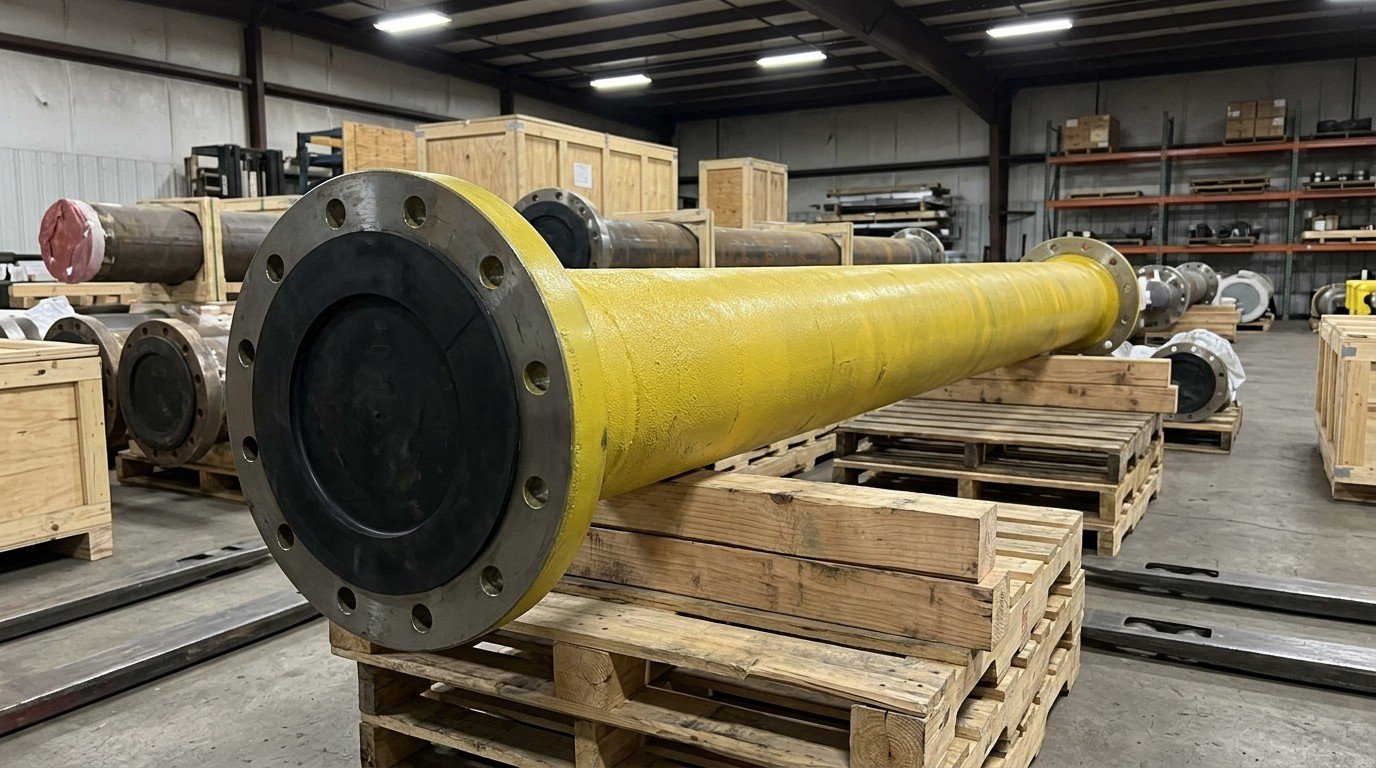
Yifeng Qin will review the RFQ and reply within 1 working day when the drawing package is clear enough for first review.