
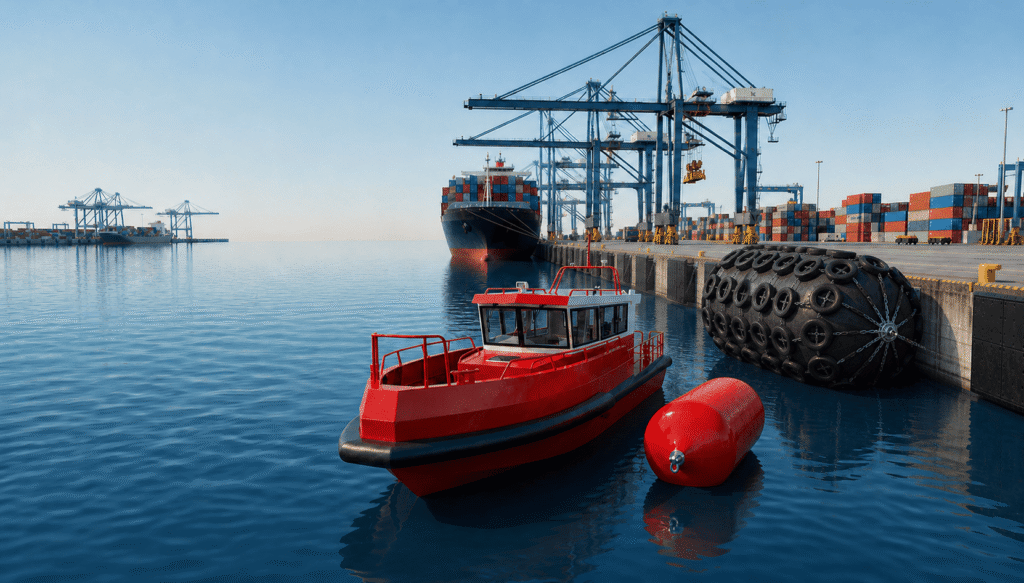
Specifying a marine fender without understanding which family fits your operating conditions leads to wasted time and unsuitable offers.
Marine fenders are classified by mounting method, contact geometry, and operating medium. The main families include pneumatic, foam-filled, hydro-pneumatic, fixed rubber systems, extruded profiles, tugboat protection, rollers, and vessel-attached collars. Each family has distinct application boundaries.
Understanding mounting constraints and application context narrows the candidate families before detailed comparison begins.
What Is a Marine Fender?
Referring to a fender system when you need only the energy-absorbing unit creates confusion in technical discussions.
A marine fender or fender unit is the energy-absorbing element. A fender system can also include the unit’s panels, chains, anchors, shackles, and associated parts.
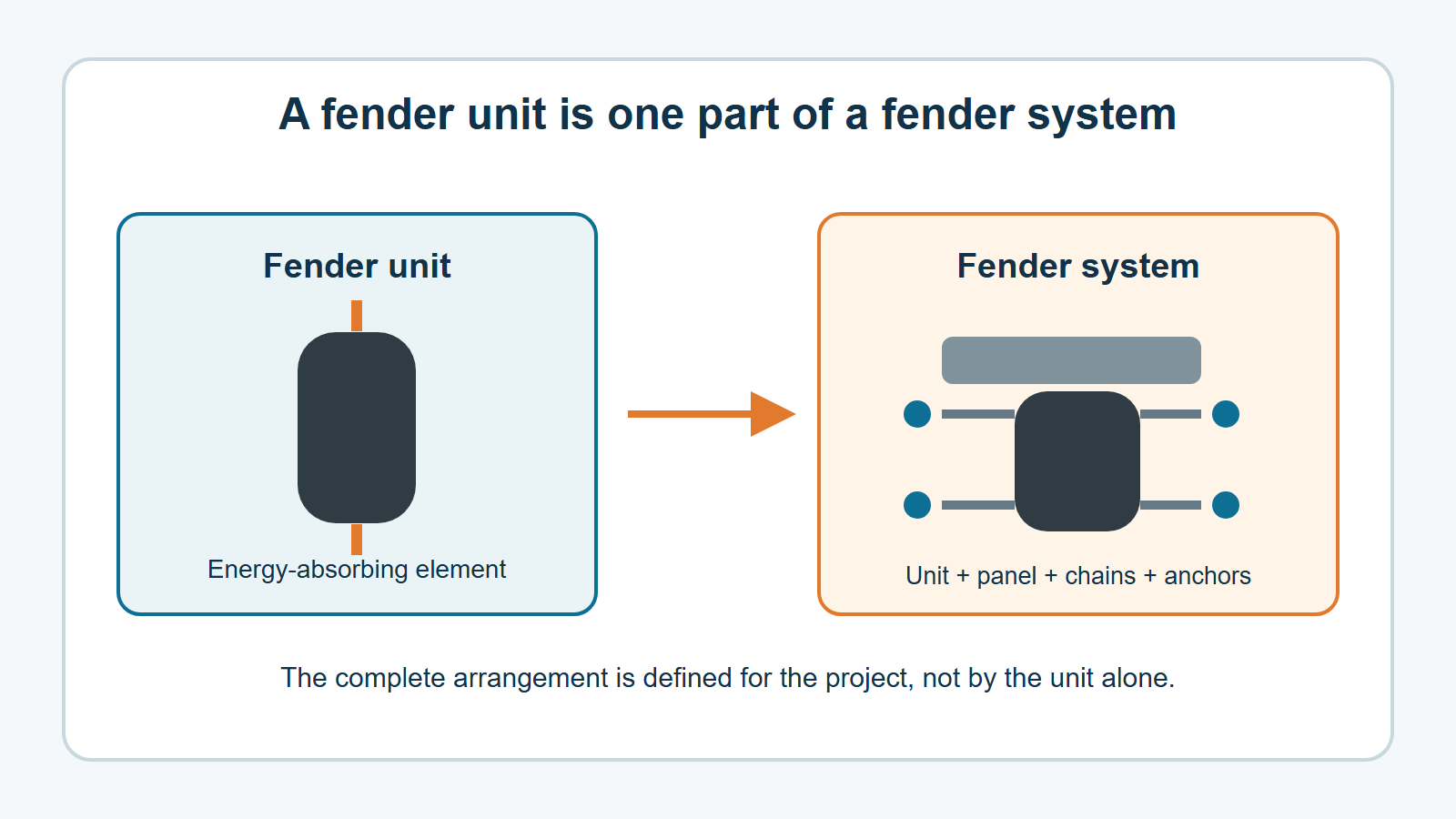
The unit and the system around it serve different functions. The unit absorbs kinetic energy. The system keeps the unit in position and distributes contact loads.
The fender unit handles the vessel contact. Everything else exists to keep that unit where it needs to be.
Marine Fender Types at a Glance
Comparing pneumatic fenders to fixed rubber systems without understanding their mounting differences wastes engineering time.
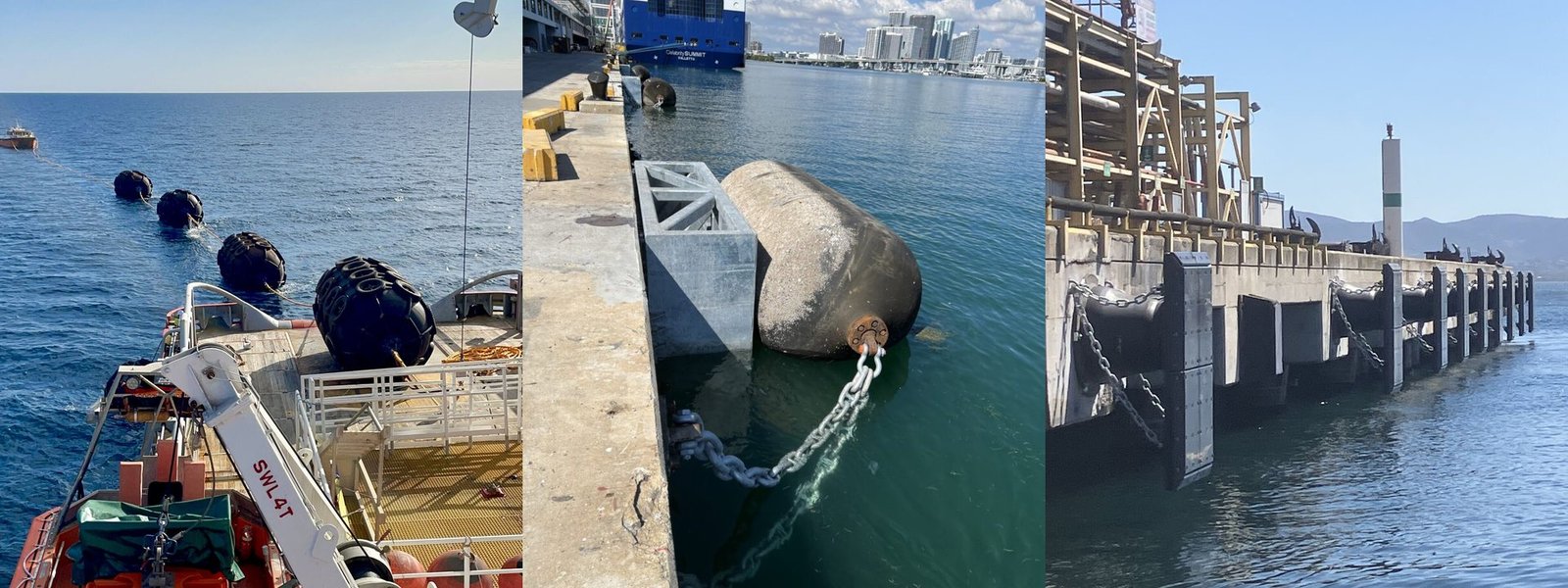
Marine fenders can be sorted by mounting method, medium, movement capability, and application context. Floating fenders include pneumatic, foam-filled, and hydro-pneumatic types. Fixed fenders include rubber systems and extruded profiles. Vessel-mounted options include tugboat fenders and foam collars. Specialty categories include rollers.
| Category | Interface | Medium |
|---|---|---|
| Pneumatic fenders | Floating | Air |
| Foam-filled fenders | Floating | Foam core with elastomeric skin |
| Hydro-pneumatic fenders | Submerged, counterweighted | Air and water |
| Fixed rubber systems (cone, cell, arch, element, cylindrical) | Fixed quay-side | Solid rubber |
| Extruded rubber fenders (D, cylindrical, square) | Continuous profile | Solid rubber |
| Tugboat fenders (W, M, cylindrical, keyhole) | Vessel-mounted | Solid rubber |
| Marine roller fenders | Guided rolling contact | Rubber with rolling element |
| Foam boat collars | Vessel-attached | Solid foam |
This table eliminates families that do not match your mounting capability or operating conditions before detailed specification begins.
Pneumatic Fenders
Requesting pneumatic fender specifications without understanding configuration options leads to incomplete comparisons.
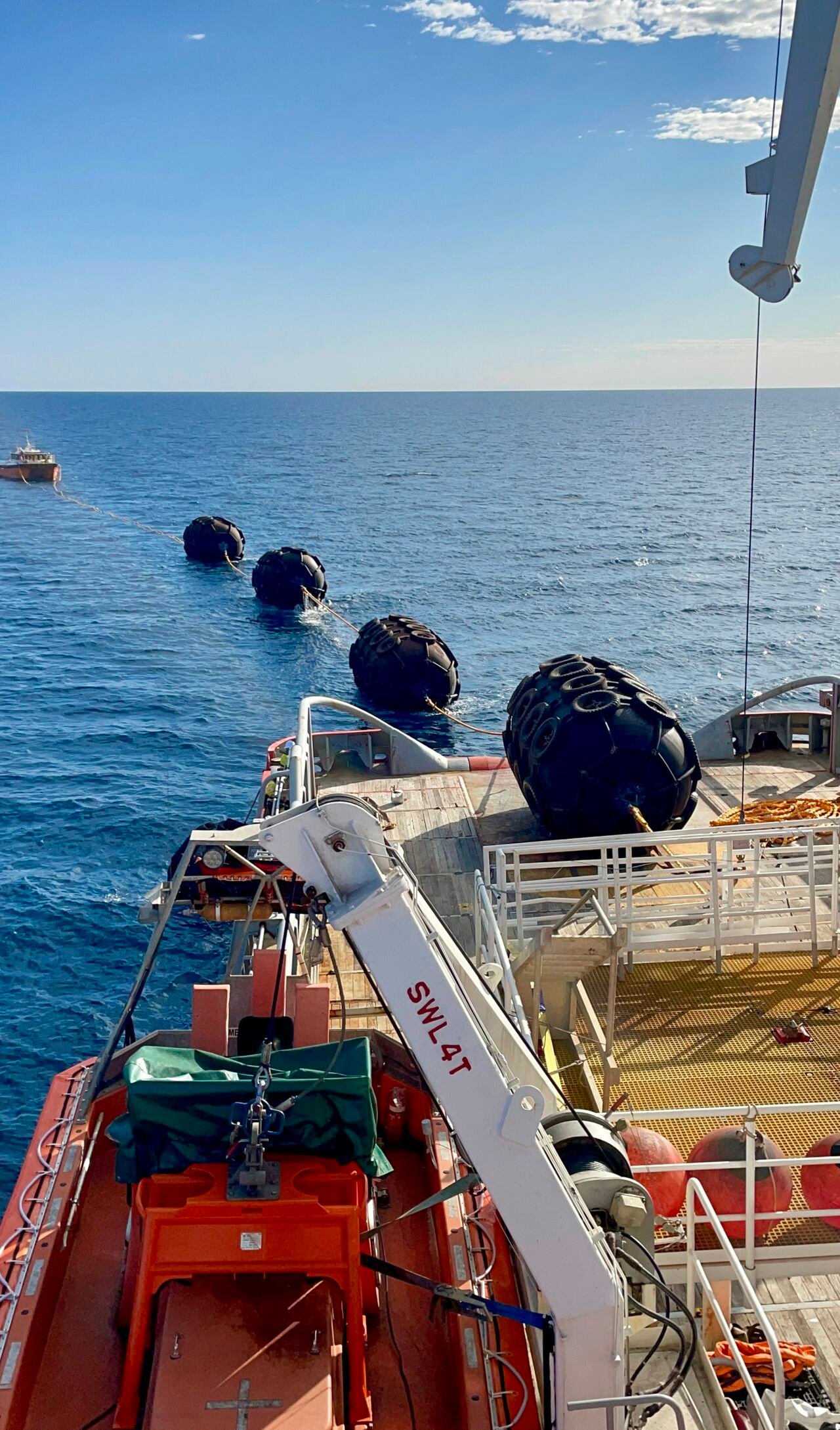
Pneumatic fenders are air-filled floating fenders. They may be protected by a chain-and-tyre net or supplied as sling-type units. The common market phrase “Yokohama fender” is a descriptor for this pneumatic-fender category, not a selection conclusion.
Chain-and-Tyre-Net Pneumatic Fenders
Chain-and-tyre-net pneumatic fenders have a protective net of chains and tyres.
Sling-Type Pneumatic Fenders
Sling-type pneumatic fenders use slings instead of external chain-and-tyre nets.
What Does ‘Yokohama Fender’ Mean?
“Yokohama fender” is a descriptor for pneumatic fenders. The term has become a general industry phrase for air-filled floating fenders.
Detailed specifications for pneumatic fenders and Yokohama-type pneumatic fenders are handled by their respective product pages.
Foam-Filled Fenders
Treating foam-filled fenders as interchangeable with pneumatic fenders ignores construction and configuration differences.
Foam fenders use an energy-absorbing foam core protected by an elastomeric reinforced outer skin. Common configurations include cylindrical forms and circular or Donut forms.
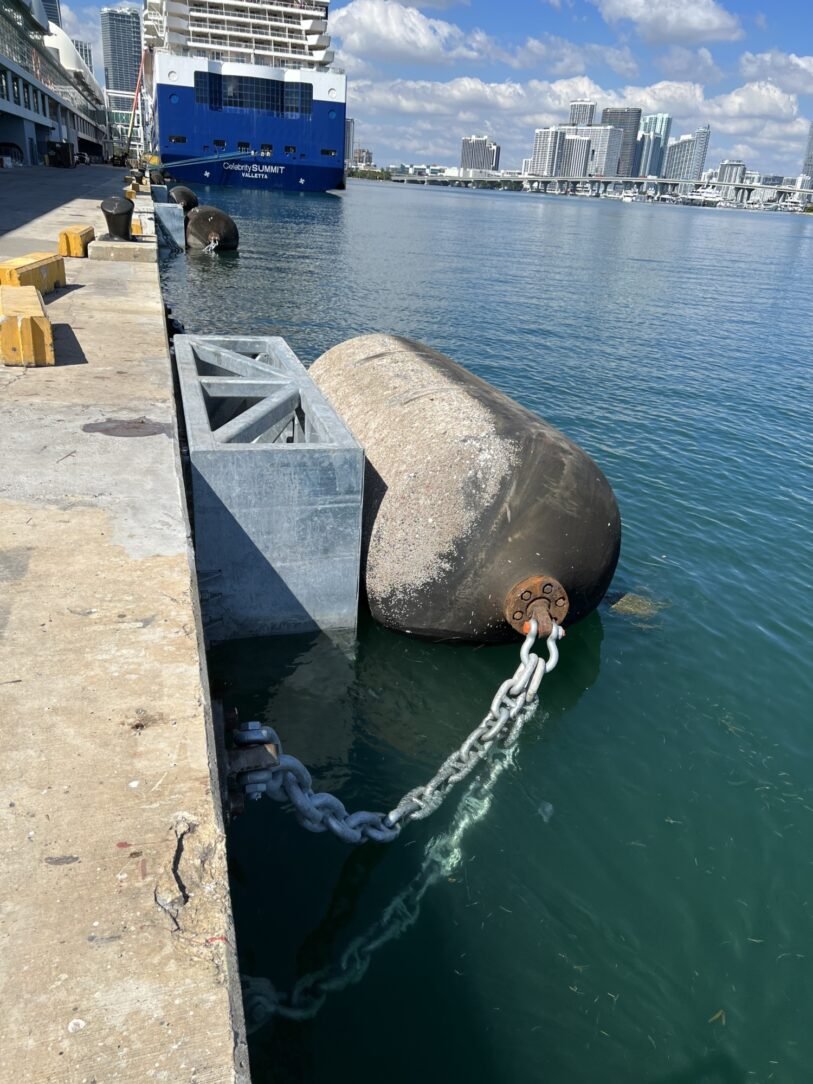
Standard Cylindrical Foam-Filled Fenders
Cylindrical foam-filled fenders are a standard configuration.
Netted and Netless Foam-Filled Fender Configurations
Netted foam-filled fenders have an outer chain-and-tyre net. Netless foam-filled fenders use the reinforced elastomeric skin.
Donut Fenders
Donut fenders are circular foam-filled fenders.
Donut fenders are a specialized foam-filled configuration. More detail on foam-filled fender selection is available on the product page.
Hydro-Pneumatic Fenders
Specifying hydro-pneumatic fenders for ordinary floating applications misunderstands their submerged-contact purpose.
Hydro-pneumatic fenders are a specialist pneumatic subtype for submerged contact: their water-and-air arrangement is positioned with a counterweight. They should not be presented as a general substitute for floating pneumatic use.
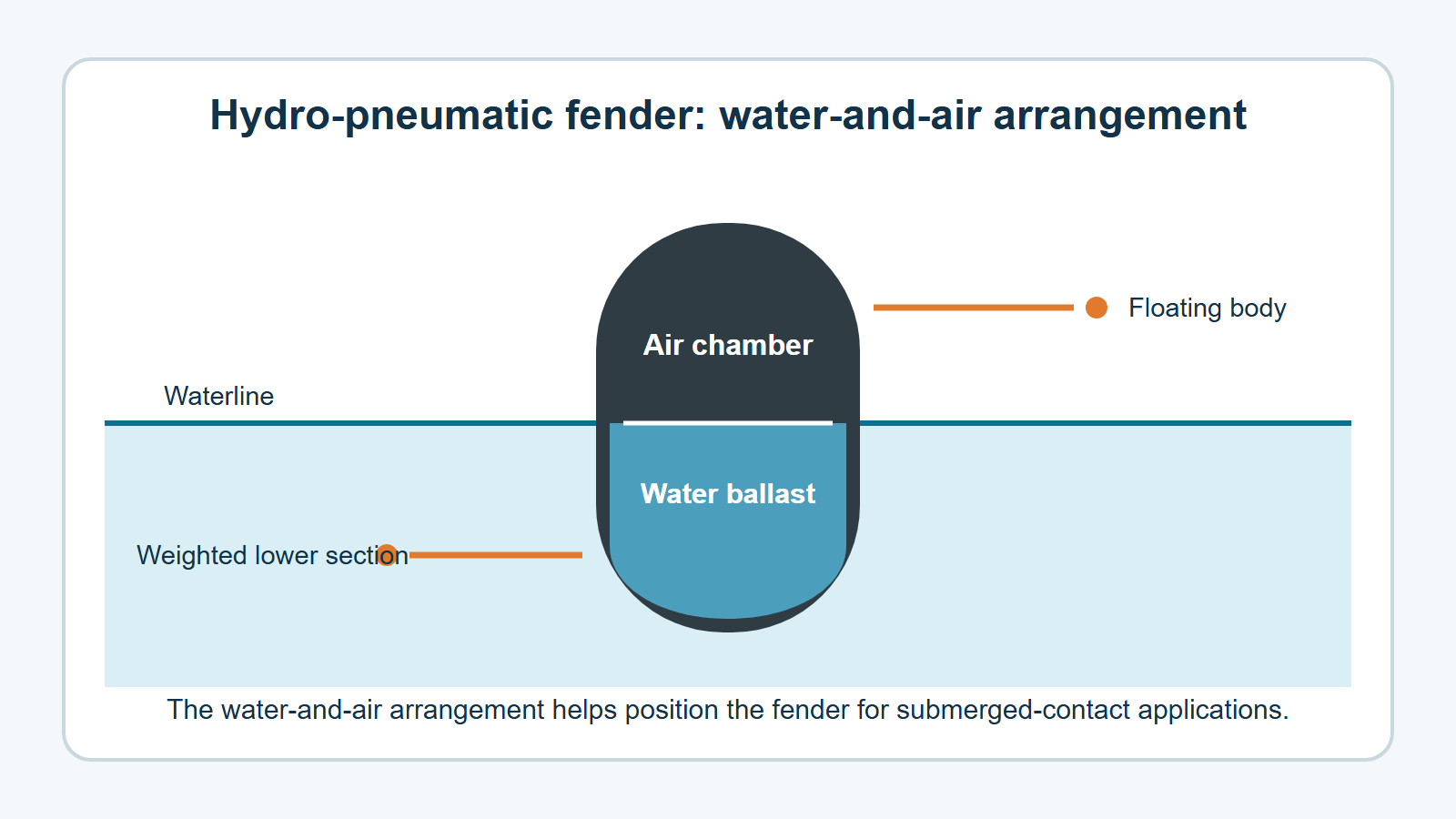
How Hydro-Pneumatic Fenders Differ from Standard Pneumatic Fenders
Hydro-pneumatic fenders remain submerged and use a water-air mixture. The counterweight keeps the fender submerged and aligned.
Hydro-pneumatic fenders should be specified only when the operating condition requires submerged contact.
Fixed Rubber Fender Systems: Cone, Cell, Arch and Element Types
Confusing rubber fender units with panels and mounting hardware creates scope gaps.
Fixed rubber fender systems use moulded rubber units mounted to berth structures. Common unit types include cone fenders, cell fenders, arch fenders, unit element fenders, and fixed cylindrical fenders. Fender panels are system components, not fender types.
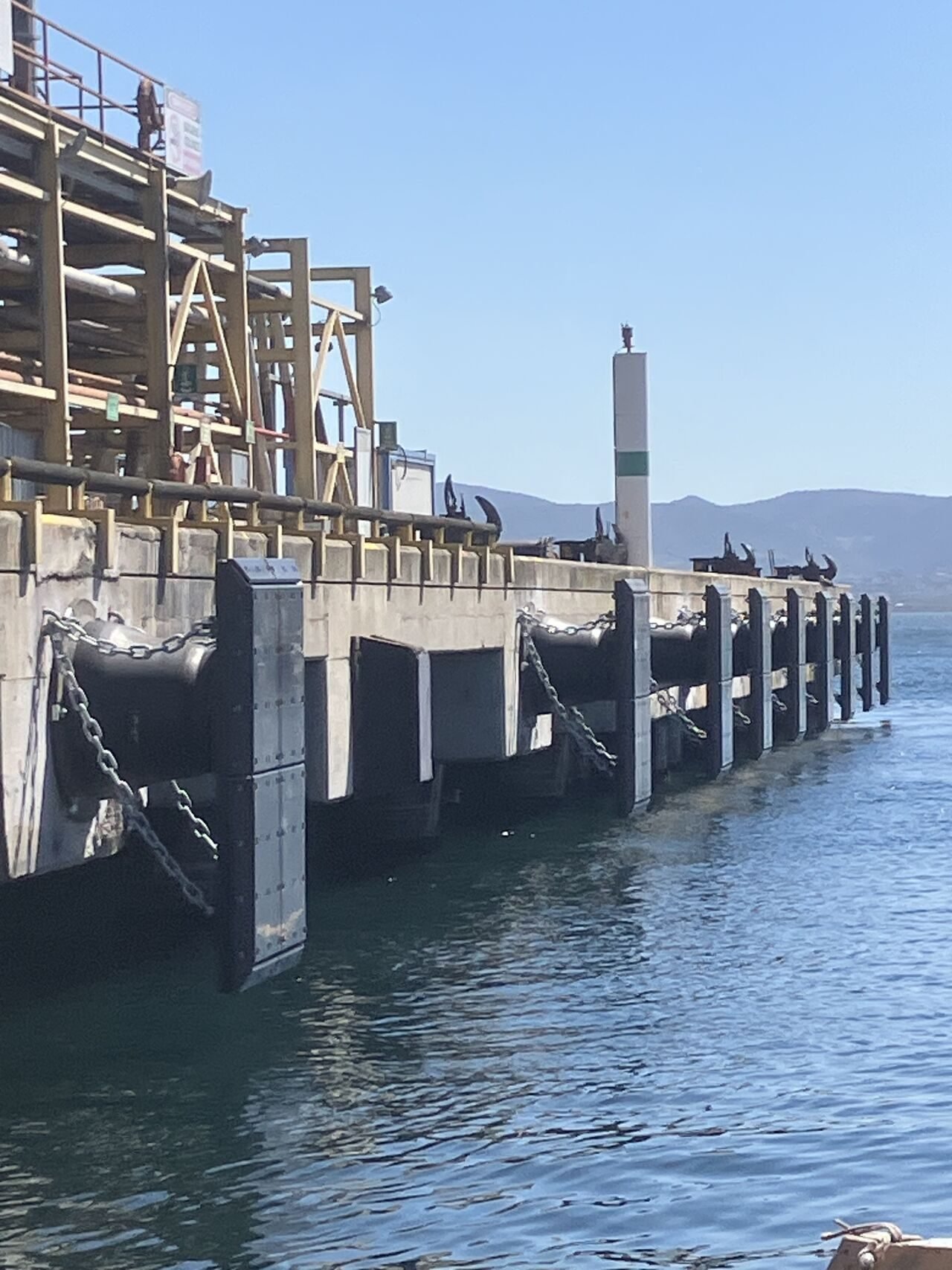
Cone Fenders
Cone fenders are a distinct named unit form within fixed quay-side systems.
Cell Fenders
Cell fenders are a distinct named unit form within fixed quay-side systems.
Arch Fenders
Arch fenders are a distinct named unit form within fixed quay-side systems.
Unit Element Fenders
Unit element fenders are a distinct named unit form within fixed quay-side systems.
Fixed Cylindrical Fenders
Fixed cylindrical fenders are a distinct named unit form within fixed quay-side systems.
Fender Panels Are System Components, Not Fender Types
Fender panels are flat steel or composite plates that sit between the rubber fender unit and the vessel hull. Panels are system components. They are not fenders.
More detail on fixed rubber fender system design is available on the product page.
Extruded Rubber Fenders: D, Cylindrical, Square and Other Profiles
Comparing extruded profiles to moulded fixed systems ignores their continuous-installation purpose.
Extruded rubber profiles are normally compared as continuous-profile protection. Common shapes include D, DD, DC, Delta, DS, SD, cylindrical, square, and rub-rail forms.
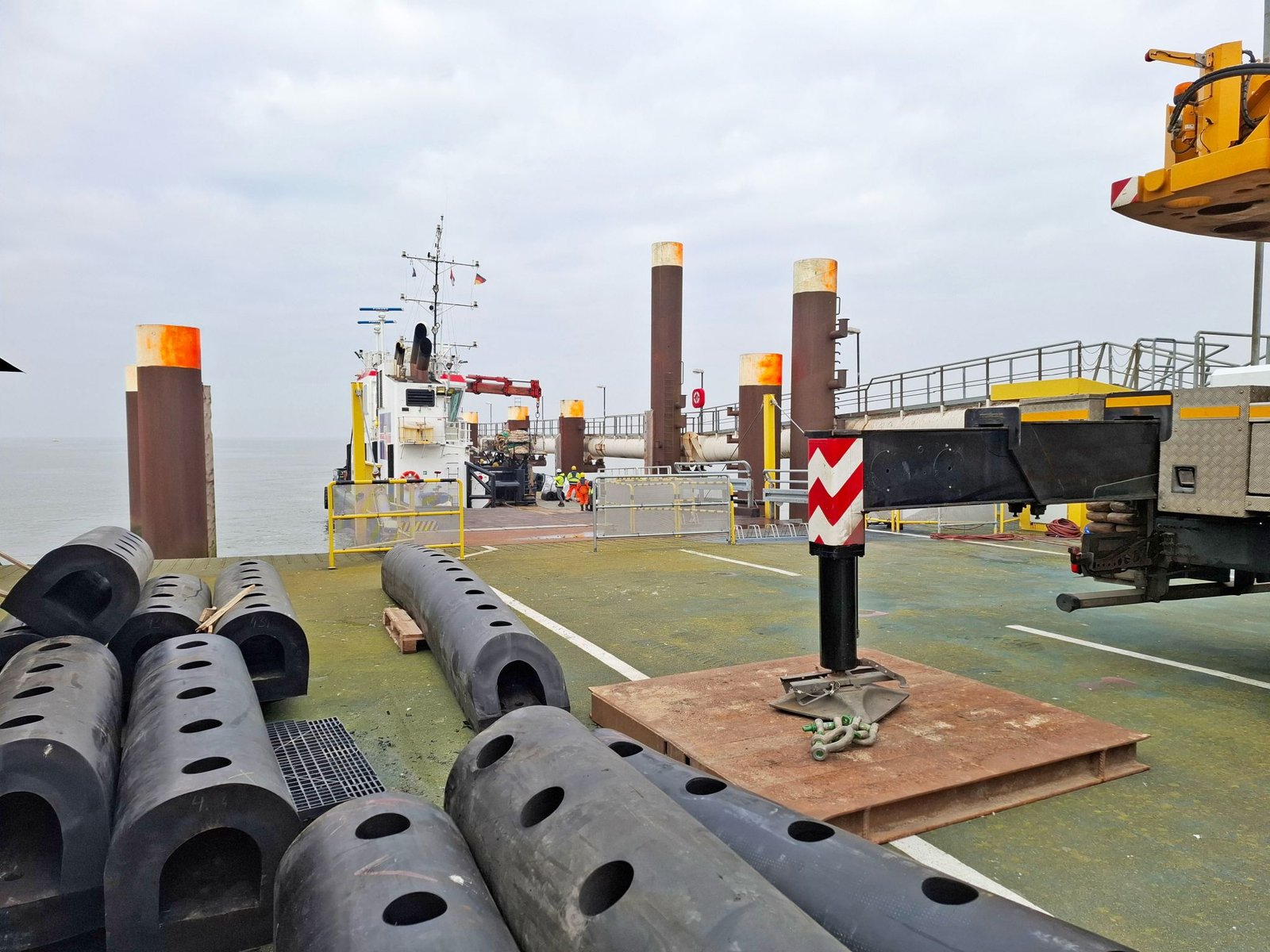
DD and DC Fender Profiles
DD fenders have two D-shaped legs. DC fenders have a D-shaped leg and a flat base.
Delta, DS and SD Fender Profiles
Delta fenders have a triangular cross-section. DS and SD profiles combine a D-shaped leg with a square or rectangular base.
Rubber Rub Rails and Workboat Profiles
Rub rails are low-profile extruded strips.
More detail on extruded rubber fender profiles is available on the product page.
Tugboat Fenders: W, M, Cylindrical and Keyhole Types
Treating tugboat fenders as berth-mounted protection misunderstands their vessel-mounted purpose.
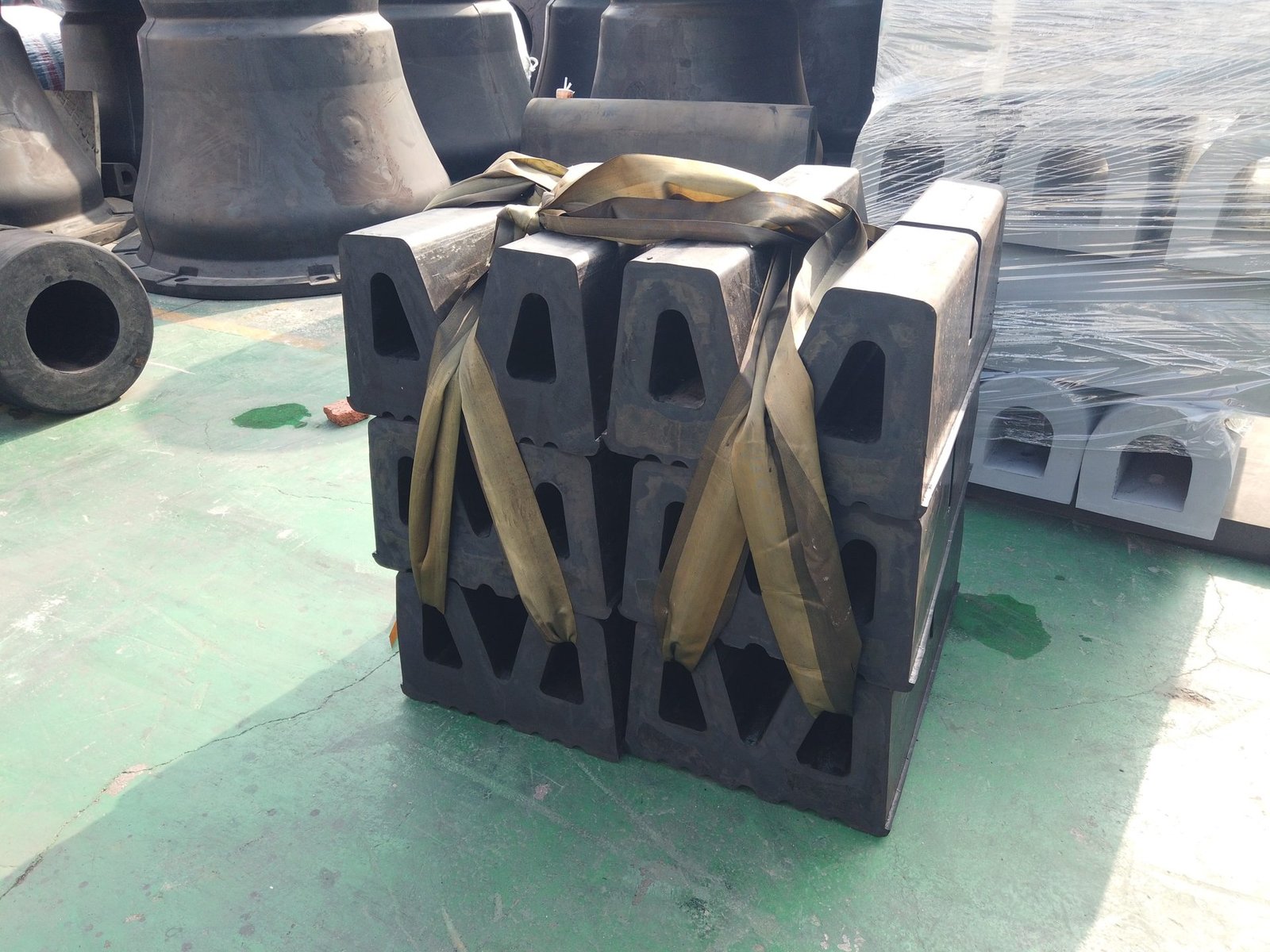
Tugboat fenders are moulded rubber profiles for vessel-mounted use. Common types include W fenders, M fenders, vessel-mounted cylindrical fenders, wing and moulded-D fenders, and keyhole fenders.
W Fenders
W fenders have a W-shaped cross-section.
M Fenders
M fenders have an M-shaped cross-section.
Vessel-Mounted Cylindrical Fenders
Vessel-mounted cylindrical fenders are rubber cylinders for vessel mounting.
Wing and Moulded-D Tugboat Fenders
Wing fenders and moulded-D tugboat fenders combine a D-profile leg with a mounting base.
Keyhole Fenders
Keyhole fenders have a keyhole-shaped cross-section.
Marine Roller Fenders
Assuming that all roller-contact fenders are available without checking the actual product offering creates unfulfilled expectations.
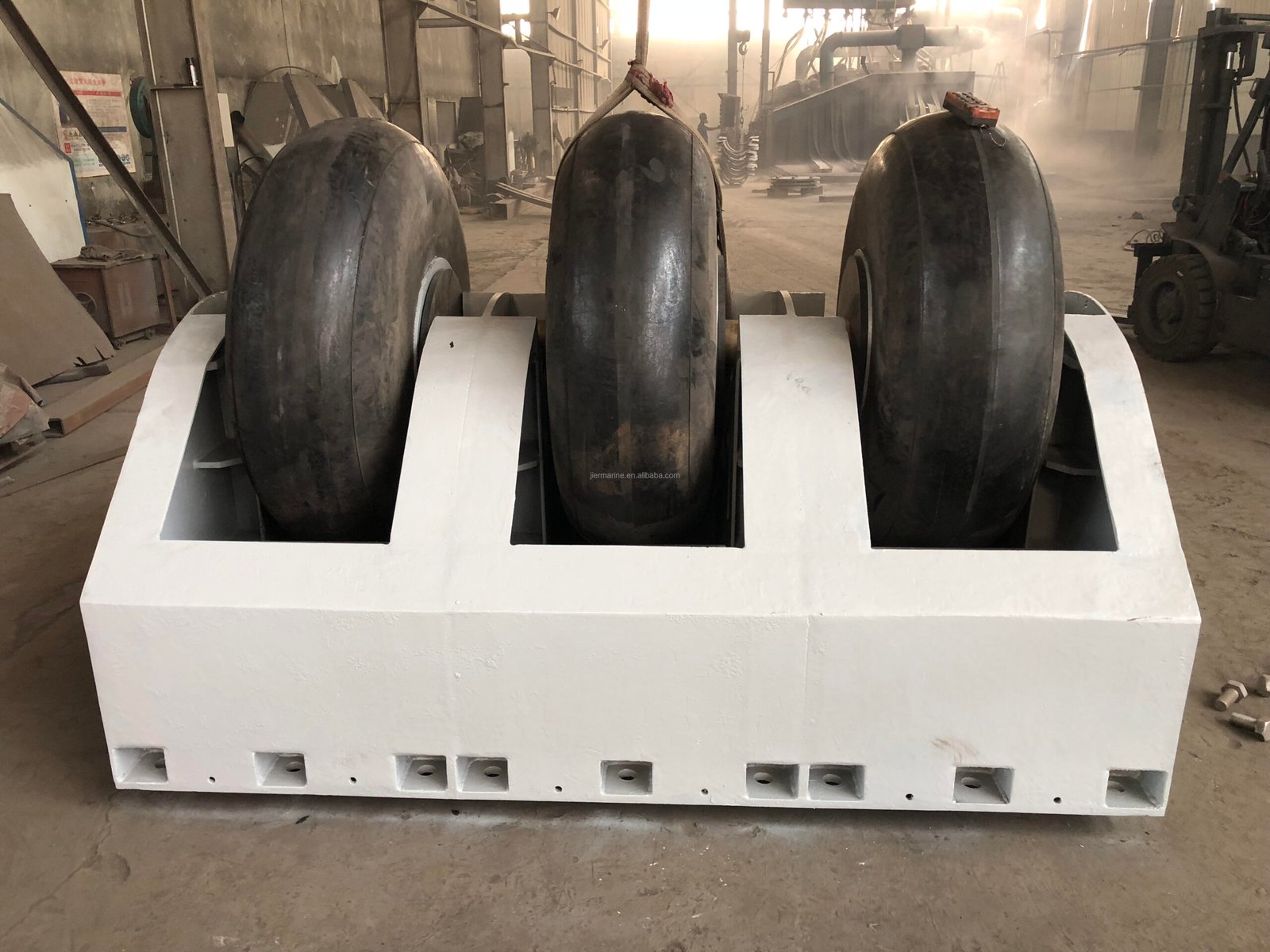
Marine roller fenders use guided rolling contact and are distinct from the unconfirmed Wheel offering.
How Roller Fenders Work
Roller fenders use guided rolling contact during vessel berthing.
How Roller Fenders Differ from Wheel Fenders
“Wheel fender” is an adjacent industry term that sometimes appears in marine fender discussions, but is not a confirmed product offering.
Where Do Foam Boat Collars Fit in the Fender Taxonomy?
Searching for industrial berth fenders and encountering boat-collar products creates confusion unless the vessel-attachment distinction is clear.
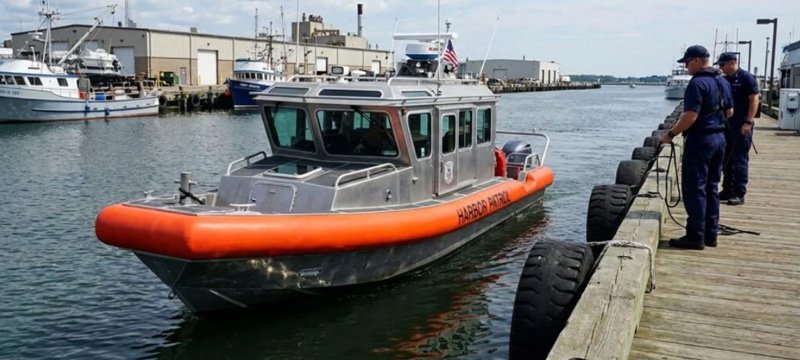
Foam boat collars are solid foam sections attached to vessel hulls. They are related to marine fendering but are not berth-mounted fenders. Collars protect the vessel, not the berth.
Solid Foam Boat Collars and Foam-Filled Sponsons
Solid foam boat collars are different from foam-filled fenders. Foam-filled fenders are floating berth-protection devices with a foam core and reinforced skin. Foam boat collars are attached directly to the vessel hull and move with the vessel.
If vessel-attached solid-foam protection is under consideration, foam boat collars may be a relevant product category. If you need berth-mounted floating fenders, review foam-filled fenders.
How Do the Main Marine Fender Types Compare?
Comparing fender families by name alone without checking project constraints leads to shortlists that ignore mounting, handling, and application realities.
The main marine fender families differ in mounting method, contact geometry, and application context. Pneumatic and foam-filled fenders are floating. Fixed rubber systems are fixed quay-side. Extruded profiles are continuous-profile. Tugboat fenders are vessel-mounted. Rollers use guided rolling contact. Collars are vessel-attached.
| Family | Interface | Medium | Form |
|---|---|---|---|
| Pneumatic fenders | Floating | Air | Circular |
| Foam-filled fenders | Floating | Foam core with elastomeric skin | Cylindrical or circular (Donut) |
| Hydro-pneumatic fenders | Submerged, counterweighted | Air and water | Circular |
| Fixed rubber systems (cone, cell, arch, element, cylindrical) | Fixed quay-side | Solid rubber | Moulded unit |
| Extruded rubber profiles (D, cylindrical, square) | Continuous profile | Solid rubber | Extruded profile |
| Tugboat fenders (W, M, cylindrical, keyhole) | Vessel-mounted | Solid rubber | Moulded profile |
| Marine roller fenders | Guided rolling contact | Rubber with rolling element | Cylindrical roller |
| Foam boat collars | Vessel-attached | Solid foam | Continuous collar |
Budget, handling/logistics and installation-layout constraints can change which fender families are worth comparing before a system is sized.
Eliminating families that do not match your mounting method or handling capability produces a shortlist before detailed sizing begins.
What Information Is Needed to Select a Fender System?
Requesting a fender quotation without supplying project inputs produces a placeholder response that does not match your application.
System selection depends on the operational and environmental conditions specified for the site. The following checklist identifies the inputs needed before a system can be properly reviewed.
| Input Category | Description |
|---|---|
| Vessel and operating context | Vessel characteristics, approach conditions, berthing frequency |
| Berth and site conditions | Structure type, geometry, water depth, tidal range, environmental loads |
| Mounting and interface constraints | Available mounting locations, structural limitations, access constraints |
| Handling and logistics constraints | Installation methods, transport limitations, site access |
| Applicable project requirements | Standards, codes, classification requirements, owner specifications |
| Required supply boundary | Fender units only, units with hardware, or complete installed system |
Project-specific engineering review determines the detailed inputs.